limit screen time poster for kids
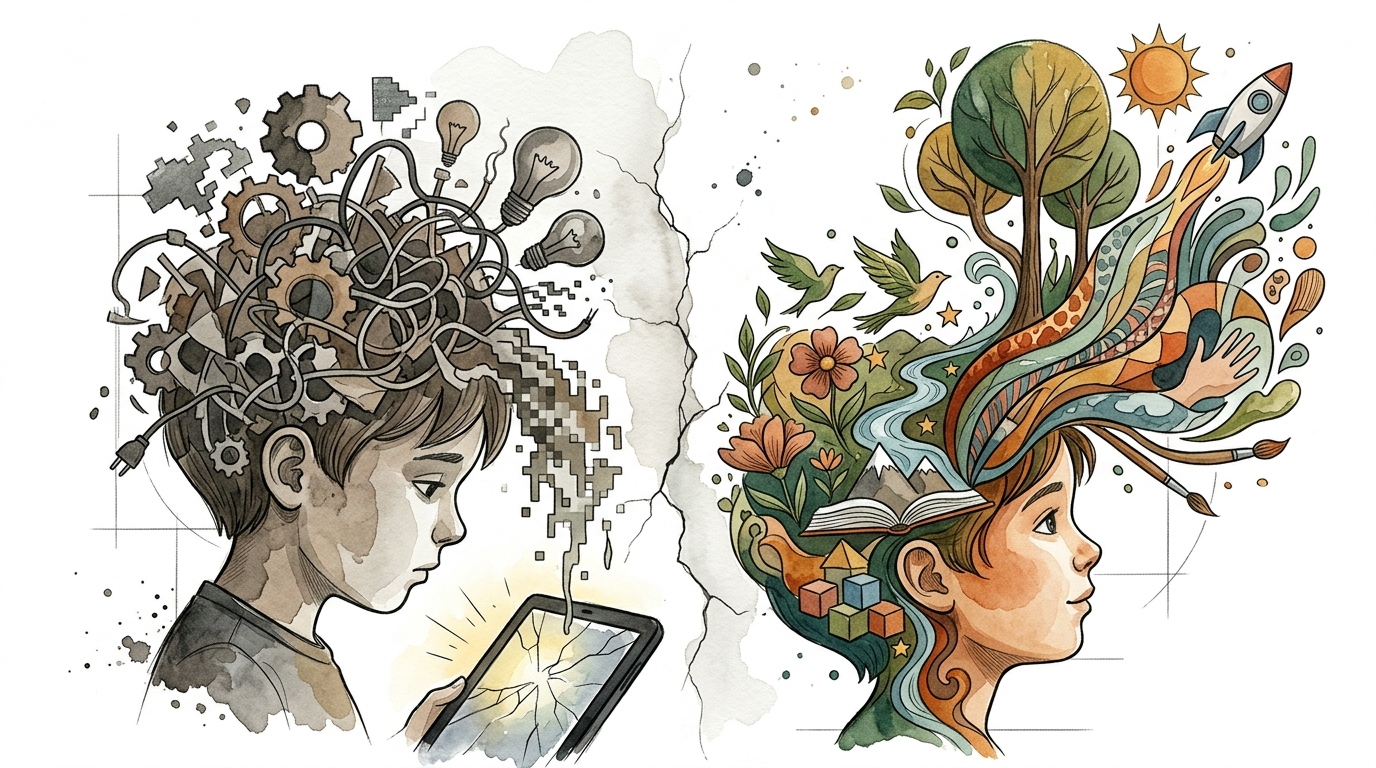
Your child’s attention is their most valuable resource. Don’t let it go to waste. Screen time is often just ‘leaking’ potential. When we set limits, we redirect that mental energy into fuel for imagination, problem-solving, and play.
Parenting in a digital world feels like a constant negotiation. We want our children to have the advantages of technology without being consumed by it. Every hour spent scrolling is an hour not spent building a fort, reading a book, or exploring the backyard. We are not just managing minutes; we are protecting their development.
Establishing clear boundaries does not have to be a battle. It is about creating a environment where the default state is discovery rather than distraction. We can turn “screen time” from a source of conflict into a small, intentional part of a much larger, richer life.
limit screen time poster for kids
A limit screen time poster for kids is a visual anchor for family rules and creative alternatives. It is a physical document—often colorful and engaging—that clearly outlines when devices are allowed and what a child can do when they are not. This tool serves as a “silent authority” in the home, reducing the need for parents to constantly nag or remind.
Visual reminders are incredibly effective because children are naturally visual learners. When a rule is just a verbal command, it can feel like a whim or a personal attack. When it is written on a poster on the fridge, it becomes a household standard. This transition from “Mom said no” to “The poster says we do art now” helps children develop self-regulation.
These posters are used in homes, classrooms, and therapy settings to provide predictability. They often categorize activities into “Green Light” (active play) and “Yellow Light” (monitored screen use). By displaying a list of “Boredom Busters,” the poster gives children immediate ideas for what to do when the screen goes black, preventing the inevitable “I’m bored” whine.
How It Works: Building the Visual Boundary
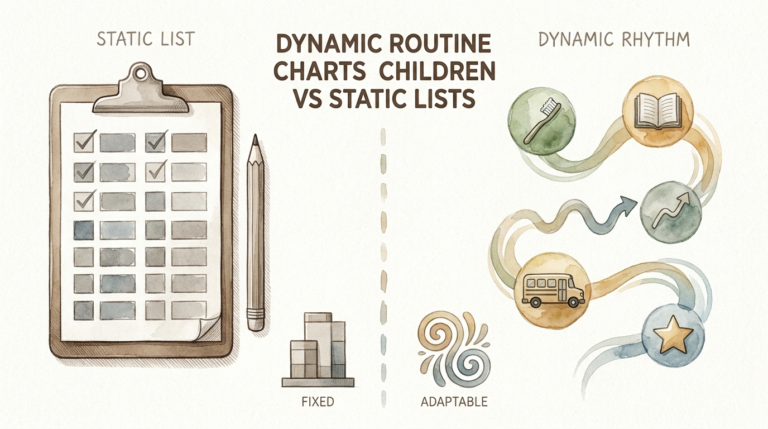
Creating an effective system requires more than just a piece of paper. It requires a strategy that invites the child into the process. The poster works best when it is interactive and dynamic rather than static and ignored.
Start by choosing clear visual icons. For younger children who are pre-readers, a picture of a soccer ball or a paintbrush is much more powerful than the word “Exercise” or “Art.” Research into childhood development shows that visual schedules provide a sense of security and predictability. This reduces the anxiety and meltdowns often associated with abrupt transitions away from screens.
Use interactive elements like Velcro strips or magnets. A static poster quickly becomes “wallpaper” that kids stop noticing. If the “Quest of the Day” can be moved or changed, it remains engaging. You might have a section for “Earned Time,” where children move a token every time they finish a chore or read for twenty minutes.
Involve your child in the design phase. Ask them what activities they enjoy when they aren’t on their tablet. When they help build the list of alternatives, they feel a sense of ownership over the rules. This psychological buy-in makes them much more likely to follow the guidelines without resistance.
Focus on the “Producer Mindset.” Instead of just listing things they *can’t* do, use the poster to highlight what they *can* create. Frame the conversation around Wasted Brain Power versus Creative Fuel. The goal is to move them from being passive consumers of content to active producers of ideas.
The Benefits of Setting Physical Limits
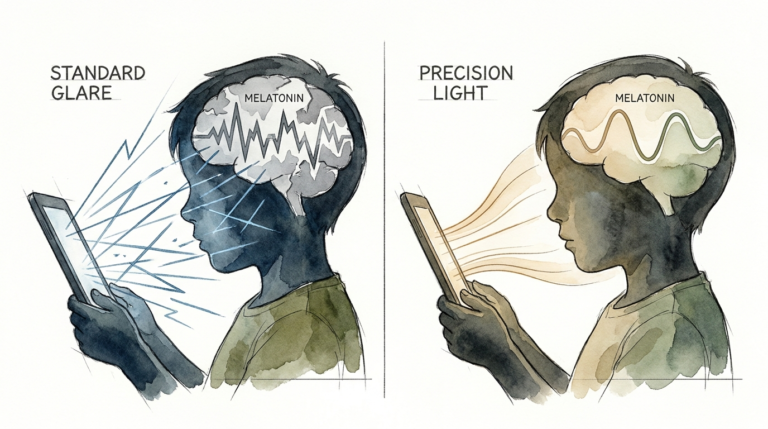
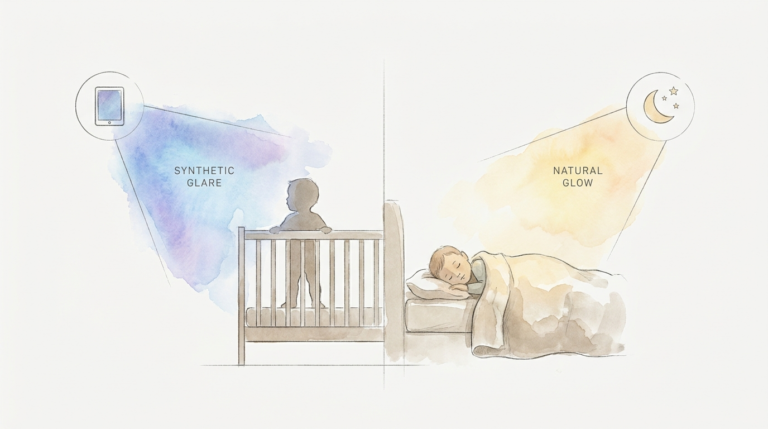
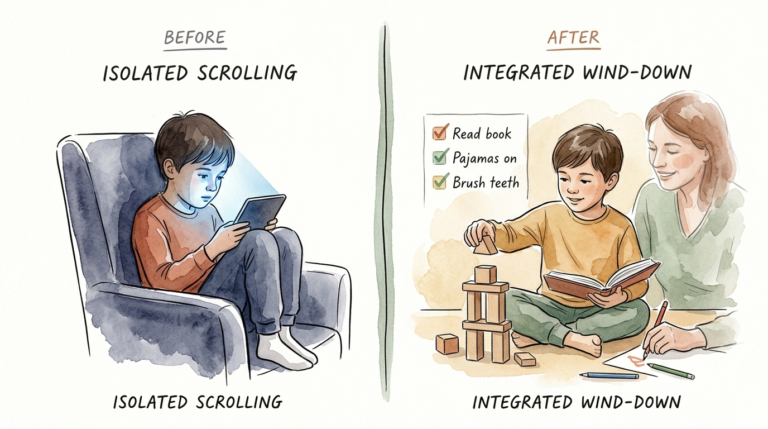
Reducing screen time offers measurable cognitive and emotional advantages. One of the most immediate benefits is improved sleep quality. The blue light emitted by screens disrupts the production of melatonin, making it harder for children to fall asleep and stay asleep. By replacing the final hour of the day with “Poster Activities” like drawing or reading, you allow their central nervous system to decompress naturally.
Social skills flourish when screens are sidelined. Face-to-face interaction is how children learn to read facial expressions, interpret tone of voice, and practice empathy. A poster that encourages “Sibling Games” or “Family Talk Time” creates space for these essential social “muscles” to grow.
Physical health is another major win. Excessive screen use is closely linked to sedentary lifestyles. When the poster suggests “Outdoor Quests” or “Living Room Dance Parties,” it encourages the movement that growing bodies need. Children who are physically active show better focus and lower irritability throughout the day.
Cognitive development is supercharged through hands-on play. When a child builds a physical object, like a LEGO tower or a cardboard fort, they engage in real-world problem-solving. They have to understand why a structure falls or how to mix colors. This builds grit and resilience in a way that a digital “undo” button never can.
Challenges and Common Mistakes
The biggest mistake is treating the poster as a “punishment list.” If the rules only appear when a child is in trouble, they will associate the poster with negative emotions. It should be a neutral, daily guide that celebrates balance rather than a list of “dont’s” enforced during a crisis.
Ignoring the power of modeling is another frequent pitfall. Children are experts at spotting hypocrisy. If you are scrolling through social media while telling them to look at the “No Screens” poster, the system will fail. The most successful families have “Digital Detox” periods where everyone—parents included—puts their devices in a designated “Phone Hotel.”
Failing to update the content can lead to “poster fatigue.” A child’s interests change quickly. A poster that was perfect six months ago might be boring today. Refresh the list of activities and challenges regularly to keep the curiosity high.
Using vague language is a common hurdle. Instead of saying “Use screens less,” the poster should say “30 minutes of iPad after homework is done.” Clarity is the enemy of arguments. When the rules are specific, there is no room for the “just five more minutes” negotiation that wears parents down.
Limitations: When the Poster Might Not Be Enough
Visual reminders are a tool, not a cure-all. They work best for neurotypical children but may need significant adaptation for children with ADHD or sensory processing issues. For these children, a poster might need to be paired with auditory timers or more frequent, direct parental support to help with the “executive function” of switching tasks.
Environmental constraints play a role as well. On rainy days or during school breaks, the standard poster rules might feel impossible to follow. It is important to have a “Level 2” version of the poster for these situations—one that allows for more collaborative, high-quality digital time, like watching a documentary together or learning to code.
Teenagers present a different challenge. A colorful poster with icons might feel patronizing to a thirteen-year-old. For older children, the poster should evolve into a “Family Tech Contract.” This is a more formal agreement that focuses on safety, privacy, and digital citizenship rather than just a list of play activities.
The poster cannot replace human connection. You cannot simply point to the wall and expect a child to entertain themselves for three hours. The poster provides the spark, but parents often need to provide the initial momentum by joining in the first ten minutes of a non-screen activity.
Passive Consumption vs. Creative Fuel
Understanding the difference between types of screen use is vital. Not all digital time is equal. We want to minimize the “leaking” of potential and maximize the fuel for their future.
| Feature | Passive Consumption | Creative Fuel |
|---|---|---|
| Brain Activity | Low (Reactive) | High (Problem-Solving) |
| Dopamine Type | Cheap / Fast Spikes | Steady / Accomplishment-based |
| Skill Building | Minimal | Significant Development |
| Examples | Scrolling, Auto-play videos | Coding, Digital Art, Strategy Games |
Practical Tips for Immediate Success
Implement a “5-Minute Warning” system. Transitioning away from a high-dopamine activity like a video game is physically difficult for a child’s brain. Use a visual timer or a verbal cue to let them know the end is coming. This allows them to reach a stopping point and prepares their mind for the change.
Designate “No-Phone Zones” in the house. The dining table and bedrooms are the most important areas to keep tech-free. When these boundaries are physical and non-negotiable, the poster’s rules become much easier to enforce.
Create a “Boredom Jar” to sit next to the poster. If a child says they are bored and have used their screen time, they can pull a random activity from the jar. This adds an element of surprise and takes the decision-making pressure off both the parent and the child.
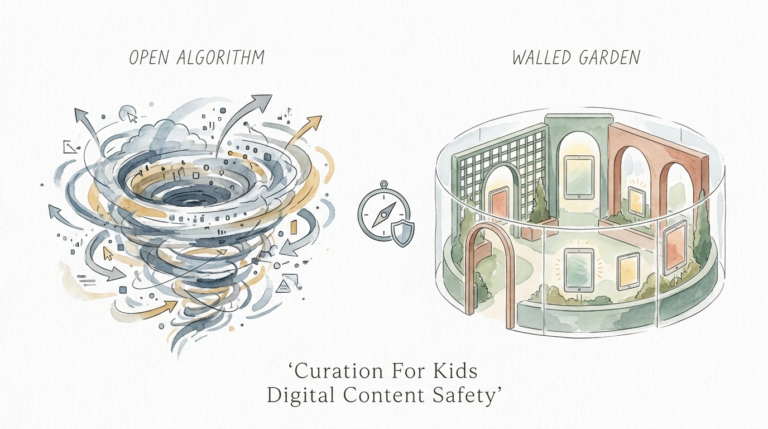
Focus on “Co-viewing” when screens are used. Instead of the screen being a babysitter, make it a shared experience. Discuss what is happening, ask questions, and relate the content back to the real world. This turns a passive activity into an interactive one.
Advanced Considerations: The Science of the Developing Brain
Serious practitioners of digital wellness should understand the physiological impact of screens. Recent studies have shown a correlation between high screen use and “cortical thinning” in young children. This refers to the thinning of the brain’s cortex, which is responsible for critical thinking and reasoning. By limiting screens, you are literally protecting the architecture of their brain.
Executive function is another key area. This is the “CEO of the brain” that handles planning, focus, and impulse control. Fast-paced, high-stimulation media can overtax this system, leading to shorter attention spans in the real world. A well-designed limit screen time poster acts as an external executive function tool, helping children practice the skill of stopping and starting tasks.
The “Wait Until 8th” movement is a growing trend among parents who pledge to delay giving their children smartphones until at least 8th grade. This approach acknowledges that while tablets and computers can be tools for learning, smartphones are designed for constant consumption and social pressure. The poster can help bridge this gap by defining which devices are “tools” and which are “toys.”
Boredom is not the enemy; it is the birthplace of creativity. When we remove the constant “hit” of digital entertainment, we force the brain to find its own stimulation. This is when imaginary friends appear, new games are invented, and deep interests are discovered. Protecting your child’s right to be bored is one of the greatest gifts you can give their development.
Examples of Poster Scenarios
Imagine a typical Saturday morning. In many homes, the kids immediately reach for tablets. In a “Poster Home,” the rule might be: “No screens until after the Outdoor Quest.” The child looks at the poster, sees the icon for “Garden Scavenger Hunt,” and spends forty-five minutes looking for specific leaves and stones. By the time they earn their screen time, their brain is already in an active, engaged state.
Consider a rainy Tuesday afternoon. The “Boredom Busters” section of the poster suggests “Cardboard Engineering.” The child spends two hours building a city out of delivery boxes. This activity requires spatial reasoning, patience, and creative thinking. They are using their mental energy as fuel for a tangible result, rather than letting it leak away into a YouTube rabbit hole.
In a transition scenario, the timer goes off, signaling the end of Minecraft. The child starts to protest, but the parent points to the “What’s Next?” section of the poster. The child chooses “Audiobook and Lego.” Because there is a clear, attractive alternative already planned, the transition is smoother and the potential for a meltdown is greatly reduced.
Final Thoughts
Your child’s relationship with technology is one of the most important things you will help them navigate. It is not about banning screens or living in the past. It is about teaching them that they are the masters of their own attention. A limit screen time poster for kids is a simple, powerful way to start that journey.
By creating a visual culture of balance, you are giving your child the tools they need to thrive in a digital age. You are trading Wasted Brain Power for Creative Fuel. You are ensuring that their mental energy is directed toward growth, imagination, and real-world connection.
Start small. Design a poster together this weekend. Keep it fun, keep it interactive, and lead by example. You will be amazed at how quickly “leaking” potential transforms into a vibrant, creative life. Encourage them to experiment with their new freedom and watch as their natural curiosity takes the lead.
Sources
1 screenagersmovie.com | 2 bark.us | 3 screensdownfamilyup.com | 4 childproofparenting.com | 5 linksaba.com | 6 kidshubms.com | 7 scrolletics.app | 8 critusa.org | 9 inspirechildren.com | 10 coast-psychology.com | 11 centerforonlinesafety.com | 12 pediatricsofflorence.com | 13 choc.org | 14 nyp.org | 15 kidsusamontessori.org