evening routine checklist for kids screen free
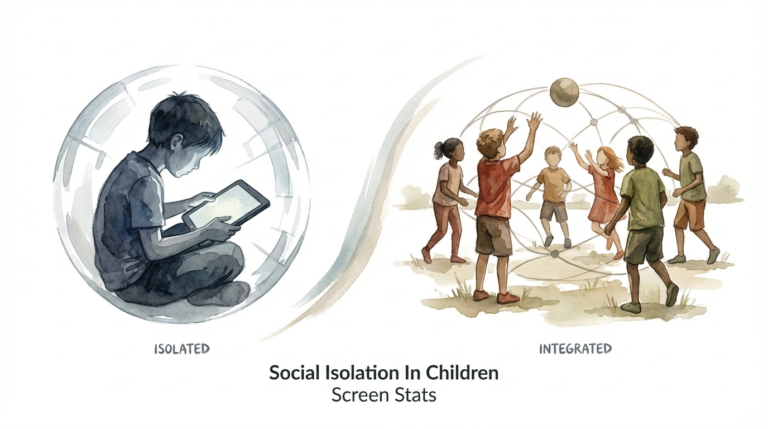
Screens isolate us right before bed. A routine should bring us together. Blue light kills sleep. Screens kill connection. This checklist will help your family integrate and wind down for the best sleep ever.
Modern evenings often feel like a race against the clock where everyone is in the same house but different digital worlds. We trade face-to-face connection for the glow of a tablet, unaware that this choice ripples through our children’s biology for hours. Establishing an integrated wind-down isn’t just about “taking away” devices; it is about reclaiming the sacred space of the home before rest.
When we prioritize a screen-free transition, we allow the brain to do what it was designed to do: produce melatonin, lower cortisol, and foster deep emotional security. This guide provides a comprehensive roadmap for parents looking to transform chaotic bedtimes into peaceful, restorative rituals.
evening routine checklist for kids screen free
An evening routine checklist for kids screen free is a structured series of non-digital activities designed to transition a child’s nervous system from the high-stimulation energy of the day to the low-energy state required for deep sleep. This checklist acts as a visual and behavioral map, replacing the passive consumption of screens with active connection and sensory-calming tasks.
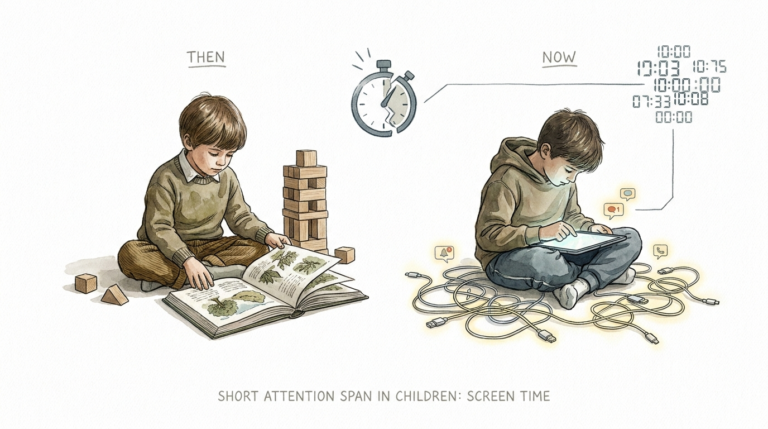
In real-world terms, this routine exists because children do not have a biological “off” switch. Their bodies require a gradual ramp-down period where physiological signals tell the brain that night has arrived. While a television show might seem to “quiet” a child, it is often a form of “frozen” overstimulation. The brain is working hard to process rapid-fire visual data and blue light, even if the body looks still.
A screen-free checklist typically includes hygiene tasks, physical connection, and quiet play. For example, instead of a toddler watching a short video while getting their pajamas on, they might participate in a “heavy work” activity like crawling through a play tunnel or helping “carry” the laundry basket. This provides the sensory input their growing bodies crave without the neurological interference of a digital device.
How the Digital Curfew Works
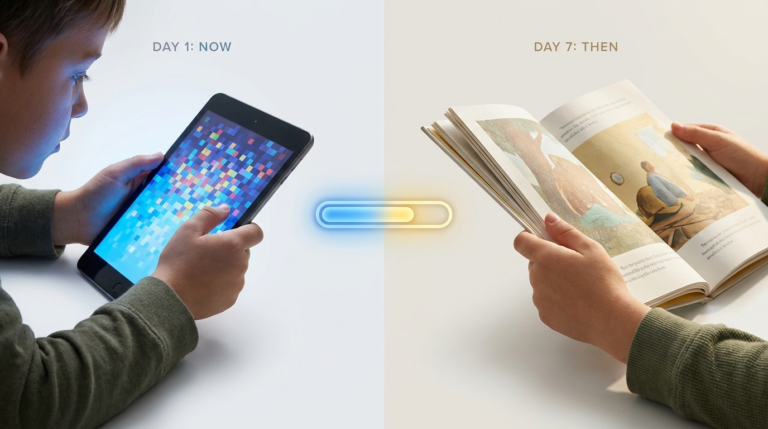
The primary mechanism behind a screen-free evening is the management of the circadian rhythm. Our internal biological clocks are governed by light exposure. Specifically, blue light in the 400-500 nm range mimics the midday sun, signaling the suprachiasmatic nucleus in the brain to suppress melatonin production.
To implement this successfully, experts recommend a “digital curfew” at least 60 to 120 minutes before the target sleep time. This window is critical because melatonin secretion does not happen instantly; it requires a period of darkness or dim, warm-toned light to reach the levels necessary for easy sleep onset.
The process follows a three-stage transition:
1. The Power Down: All entertainment screens are turned off. This includes televisions, tablets, and gaming consoles.
2. Sensory Shift: The environment is adjusted to include lower ambient lighting and quieter sounds. This signals the nervous system to move into “parasympathetic” mode (rest and digest).
3. The Ritual of Connection: The final 30 minutes are reserved for activities that build emotional safety, such as reading together or talking about the day.
Benefits of an Integrated Wind-Down
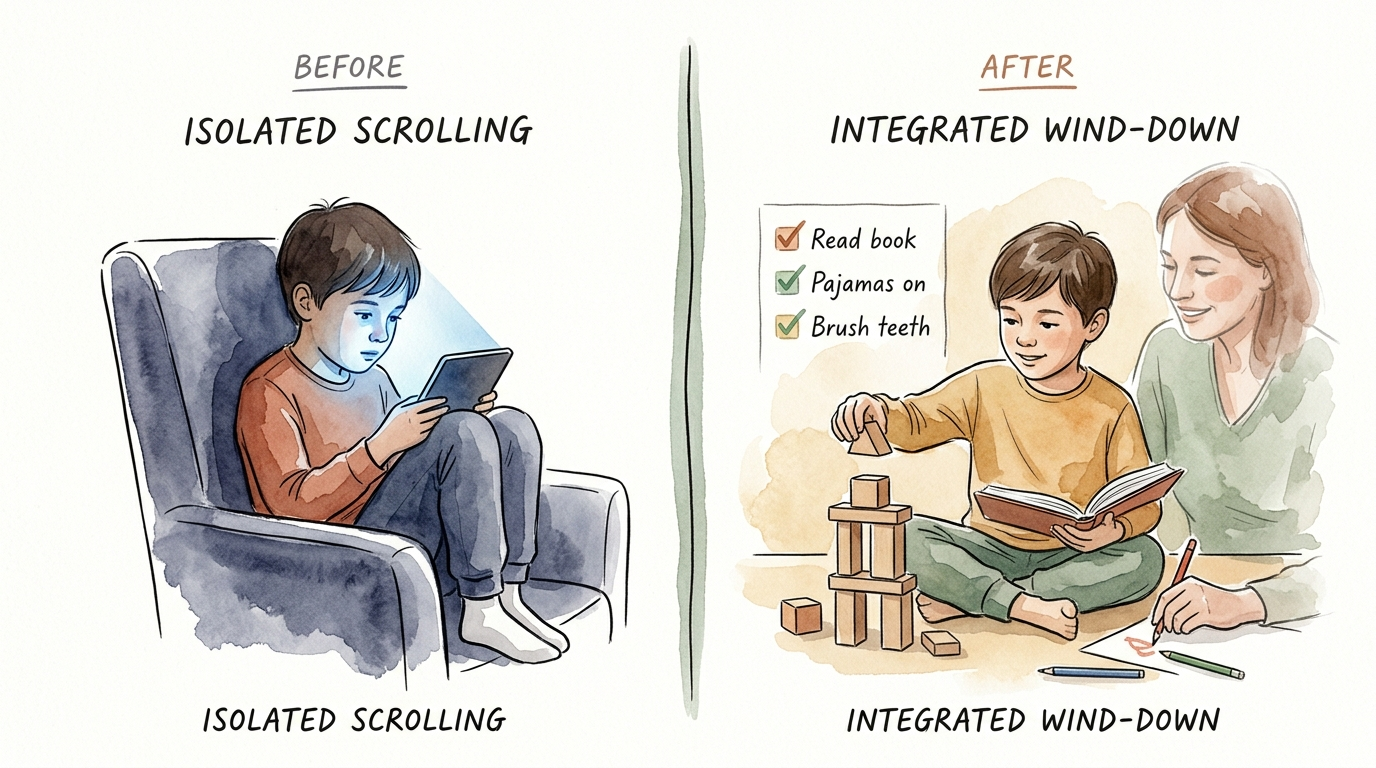
Moving from isolated scrolling to an integrated wind-down offers measurable improvements in both physical health and family dynamics. Research shows that removing screens in the hour before bed significantly improves toddler sleep quality, leading to more efficient nighttime rest and fewer middle-of-the-night awakenings.
Practical benefits include:
- Faster Sleep Onset: Without blue light suppressing their natural hormones, children typically fall asleep 20 to 30 minutes faster than those using screens.
- Enhanced REM Sleep: Deep, restorative sleep is essential for memory consolidation. Screen-free evenings allow for better “sleep architecture,” helping kids retain what they learned at school that day.
- Reduced Behavioral Outbursts: Many “bedtime battles” are actually the result of overstimulation. A calm, screen-free environment reduces the irritability and moodiness often seen when screens are turned off abruptly.
- Strengthened Family Bonds: When parents put their own phones away and engage in the routine, children feel seen and valued. This emotional “refilling” leads to a more cooperative child.
Challenges and Common Mistakes
Transitioning to a screen-free evening isn’t always seamless. One of the most frequent errors is the “Cold Turkey Clash.” If a family has used screens as a primary wind-down tool for years, removing them suddenly without providing a high-value alternative can lead to intense resistance and meltdowns.
Another common mistake is the “Parental Hypocrisy Trap.” If children are told to put away their devices while parents continue to scroll on the couch, the child perceives the rule as a punishment rather than a health-based family standard. Modeling healthy technology habits is essential for long-term success.
The “Hidden Blue Light” error is also prevalent. Many families turn off the TV but leave bright, cool-toned LED overhead lights on. These lights can be just as disruptive to melatonin as a screen. Using dim, warm lamps or even red-spectrum bulbs in the evening can make a significant difference in how quickly a child’s body prepares for sleep.
Limitations and Realistic Constraints
While a screen-free evening is the ideal, there are situations where a rigid checklist may not be practical. Travel, for instance, often disrupts routines. In a hotel or a relative’s house, a movie might be the only tool available to keep a child quiet while others rest. In these cases, using “night mode” filters or blue-light-blocking glasses can mitigate some of the damage.
Sickness is another outlier. When a child has a high fever or is too miserable to engage in play or reading, passive screen time might provide a necessary distraction. During these times, the focus should shift to “low-arousal” content—slower-paced shows with calm music and gentle transitions rather than fast-paced, high-contrast cartoons.
It is also important to recognize that for neurodivergent children, certain screens may actually serve as a regulatory tool. If a child with autism uses a specific app to communicate or decompress from sensory overload, a total ban might be counterproductive. In these scenarios, the routine should be adapted to minimize blue light while still supporting the child’s unique needs.
Screen Wind-Down vs. Screen-Free Wind-Down
The following table compares the two approaches across key metrics of health and family connection.
| Feature | Screen-Based Routine | Screen-Free Routine |
|---|---|---|
| Melatonin Impact | Suppressed by blue light; delays sleep. | Naturally rises; promotes sleep. |
| Social Connection | Isolated; family members in “bubbles.” | Integrated; fosters face-to-face bonding. |
| Brain State | High-arousal; passive consumption. | Low-arousal; active imagination/play. |
| Transition Quality | Abrupt “stop” often causes meltdowns. | Gradual “fade” into sleepiness. |
| Long-term Skill | Reliance on external stimulation to relax. | Self-regulation and internal calm. |
Practical Tips for a Successful Transition
To make the screen-free checklist work, focus on the environment and the quality of activities. Small adjustments can yield big results in how the family feels during the wind-down.
- The “Bedtime Box”: Create a physical box filled with non-screen activities that only come out during the hour before bed. This might include special puzzles, drawing pads, or audiobooks (without screens).
- Lighting Control: Swap out bright white bulbs for warm-toned versions. Use dimmers or small lamps at eye level rather than overhead lights.
- The 10-Minute Connection: Dedicate 10 minutes of “special time” where you follow your child’s lead in a screen-free activity. This builds the emotional security needed for them to separate from you at bedtime.
- Visual Checklists: For younger kids, use a picture-based checklist. Let them check off “brush teeth” or “put on PJs” to give them a sense of autonomy and control over the process.
- Audio Alternatives: If your child misses the “noise” of the TV, transition to podcasts for kids or gentle music. This provides the auditory engagement without the visual blue light.
Advanced Considerations for Serious Practitioners
For families who want to optimize their evening further, consider the role of “heavy work” and sensory input. Proprioceptive input—activities like firm hugs, stretching, or even a warm bath—can help ground a child’s nervous system. This is particularly helpful for kids who seem “wired but tired” at the end of the day.
Temperature also plays a role. A warm bath or shower roughly 90 minutes before bed causes a subsequent drop in core body temperature, which is a biological trigger for sleep. Combining a screen-free hour with a temperature-drop strategy creates a powerful “one-two punch” for sleep induction.
Dietary considerations shouldn’t be ignored. Avoid high-sugar snacks in the two hours before bed, as these can cause glucose spikes that interfere with the wind-down. Instead, focus on snacks that contain tryptophan or magnesium, such as a small piece of turkey, a few walnuts, or a banana, which can support the body’s natural sleep processes.
Sample Scenario: The “Restorative Night” Timeline
Let’s look at how this theory translates into a practical evening for a school-aged child with an 8:30 PM bedtime.
6:30 PM – Dinner and Discussion: The family eats together with all phones in a designated “docking station” in another room. They play “One Up, One Down,” where each person shares a high and low point of their day.
7:15 PM – The Digital Curfew Begins: All entertainment screens are powered off. The “Bedtime Box” is brought out. The child chooses to work on a Lego set or a drawing while the parents handle kitchen cleanup (also screen-free).
7:45 PM – Hygiene and Heavy Work: The child heads to the bathroom for a bath or shower. Afterward, they engage in “pajama wrestling” or a series of yoga stretches. This provides the physical sensory input that helps settle the body.
8:10 PM – The Ritual of Connection: Lights are dimmed to the lowest comfortable level. The parent and child read two chapters of a book together in bed. There is no scrolling on the parent’s phone during this time.
8:30 PM – Lights Out: The child is relaxed, their melatonin levels are high, and they drift off to sleep within minutes, feeling securely connected to their caregivers.
Final Thoughts
Screens have become the default “pause button” for modern families, but they come at a significant cost to our children’s sleep and our collective connection. By implementing a screen-free evening routine, you are doing more than just improving sleep hygiene; you are creating a predictable, safe environment where your children can truly unwind.
The shift from isolated scrolling to integrated wind-down requires consistency and a willingness to lead by example. Start small by reclaiming the final 30 minutes of the night, and gradually expand the digital curfew as your family adapts. The reward is a more peaceful home, better-rested children, and a deeper sense of togetherness that no app can replicate.
Experiment with different activities in your Bedtime Box and pay close attention to how your children’s moods shift when the blue light is replaced by warm lamps and human presence. You might find that the best part of your day is the hour you thought would be the hardest.
Sources
1 haven-psychology.com | 2 ancsleep.com | 3 lullabyearth.com | 4 timily.app | 5 sleepfoundation.org | 6 nih.gov | 7 rowan.edu | 8 sbm.org | 9 msu.edu | 10 bath.ac.uk | 11 drkristinedwards.com | 12 ssww.com | 13 psychologytoday.com | 14 nih.gov | 15 facebook.com | 16 nih.gov | 17 hubspotusercontent20.net | 18 entirafamilyclinics.com | 19 chronobiologyinmedicine.org | 20 harvard.edu | 21 littledipperwellness.com | 22 theincrementalmama.com | 23 childrenandscreens.org | 24 understood.org | 25 beaconservices.org.uk | 26 wonderscounseling.com