
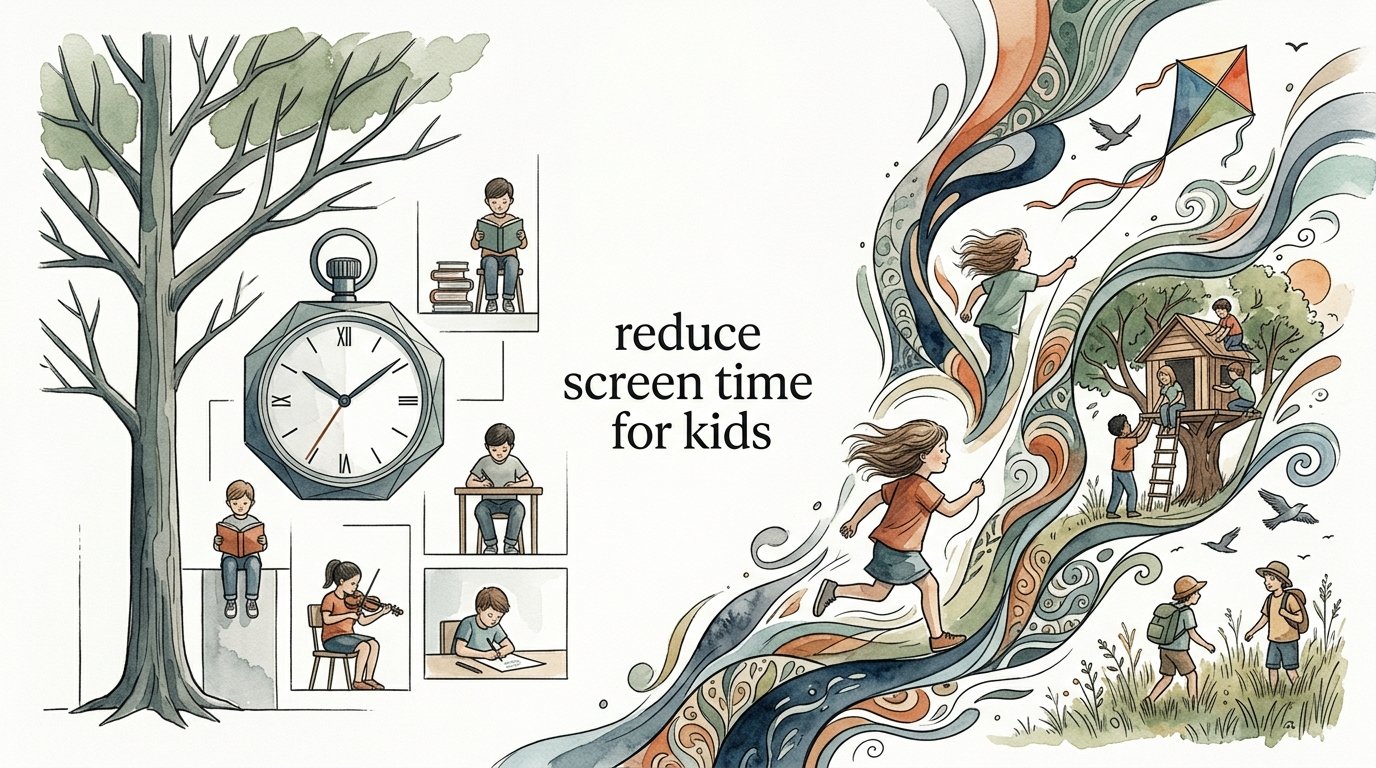
reduce screen time poster for kids
If your screen time rules are just a list of ‘don’ts’, they won’t work. Stop nagging and start gamifying. This dynamic approach to screen time limits makes the child responsible for their own ‘energy’ tokens.
Managing technology in a modern household often feels like a losing battle. You set a timer, the timer goes off, and the tantrum begins. It is a cycle of friction that leaves parents exhausted and children resentful. Traditional “static” rules—like an hour of TV after homework—often fail because they don’t account for the reality of family life or the child’s developing brain.
A gamified system changes the narrative. Instead of you being the “policeman” who takes away a privilege, you become the “banker” who facilitates a system. By using a visual energy token system, you shift the burden of responsibility. Your child learns to budget their time, prioritize their activities, and understand the value of their digital “energy.” This article provides a comprehensive guide to building this system from the ground up.
reduce screen time poster for kids
A reduce screen time poster for kids is the physical foundation of a successful gamified system. It is not just a list of rules pinned to the fridge; it is a visual dashboard that communicates status, expectations, and progress. In the world of child psychology, visual aids are essential because they provide a concrete reference point that exists outside of a parent’s verbal instructions.
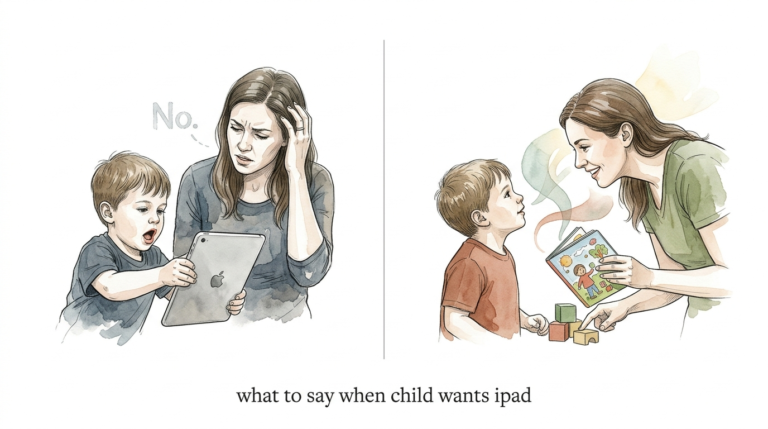
Think of the poster as a “contract” that is always visible. When a child asks for the tablet, you don’t have to say “no” or “not yet.” You simply point to the poster. The poster answers the questions for you. It defines what activities earn tokens, what activities cost tokens, and how many tokens are currently in the “bank.”
In a real-world setting, this poster serves several functions:
- Clarity: It removes the “maybe” or “later” that leads to persistent nagging.
- Autonomy: It allows children to check their own status without asking an adult.
- Structure: It provides a predictable framework, which reduces anxiety for children who struggle with transitions.
An effective poster usually includes three main zones. The first is the “Earning Zone,” which lists tasks like reading, playing outside, or finishing chores. The second is the “Spending Zone,” which lists different devices and their “price” in tokens. The third is the “Bank,” often a physical pocket or jar where the current tokens are kept.
How the Energy Token System Works
The core of this strategy is the “Energy Token.” Every child starts with a base amount of digital energy each week or day, represented by physical tokens. These tokens are the currency of your household. Once the tokens are gone, the “battery” is dead, and no more screens can be used until more energy is earned.
To implement this, you first need to decide on your currency value. A common starting point is one token equals 15 or 30 minutes of screen time. You might give each child a “weekly allowance” of 10 tokens on Sunday night. This gives them the power to decide: do I use them all on Monday, or do I save them for a Saturday morning gaming marathon?
The “Dynamic Flow” comes into play when you allow children to earn bonus tokens. This is where you gamify their non-digital life. If they spend 30 minutes reading, they might earn one token. If they play outside for an hour, they earn another. This teaches them that screen time is a finite resource that requires replenishment through “essential” activities.
Follow these steps to set up the system:
- Define the Tokens: Use physical objects like poker chips, printed cards, or even glass pebbles in a jar.
- Assign Values: Determine exactly how much time each token is worth. Consistency is vital here.
- Create the Poster: Build your visual dashboard with clear columns for earning and spending.
- The Hand-Off: Explain the rules once, very clearly, and then step back. Let the tokens do the talking.
Benefits of a Gamified Approach
One of the most immediate benefits of this system is the total elimination of “The Nag.” Because the child owns the tokens, the choice to use them is theirs. If they use all their tokens before noon, the natural consequence is that they have no more screen time for the day. You are no longer the “bad guy”; the empty jar is the limit.
This system also builds executive functioning skills. Children have to practice planning and self-regulation. They learn to delay gratification by saving tokens for a longer movie or a special game session with friends. This is a high-level cognitive skill that translates directly to adult life and financial management.
Furthermore, it encourages a “balanced diet” of activities. In a traditional system, kids often view chores or reading as obstacles to get to the screen. In a gamified system, those activities are the fuel that powers the screen. It re-frames positive habits as valuable investments rather than boring requirements.
Finally, it reduces the “dopamine crash” that often happens when a parent abruptly turns off a device. Since the child knows exactly when their tokens will run out, they can mentally prepare for the transition. They are in control of the “off” switch, which significantly reduces the likelihood of a meltdown.
Challenges and Common Mistakes
The most frequent pitfall is inconsistency. If you give in and allow “just five more minutes” without a token, the entire system collapses. Children are expert negotiators; if they see a crack in the rules, they will exploit it. For this to work, the token must be the only way to access a screen.
Another mistake is making the system too complex. If there are twenty different ways to earn tokens and five different tiers of spending, the child will lose interest. Keep it simple, especially at the beginning. Use clear, round numbers like 30 minutes per token. Complexity is the enemy of adherence.
Parents also frequently use the tokens as a punishment by taking them away for unrelated bad behavior. While this can be effective in the short term, it often turns the system into a source of resentment rather than a tool for learning. Try to keep screen time management separate from general discipline whenever possible. Let the tokens be a tool for time management, not a weapon for behavior control.
Lastly, watch out for the “Escalation Trap.” This happens when you constantly increase the difficulty of earning tokens because the child is getting “too much” screen time. If they are reading three hours a day just to get more iPad time, that is a success! Don’t move the goalposts just because they are winning the game.
Limitations and Realistic Constraints
While gamification is powerful, it is not a silver bullet for every situation. For very young children—toddlers under the age of three—the concept of a “token” or “future time” may be too abstract. They live in the “now,” and a physical timer or a simple “stop/go” visual is often more effective than a currency-based system.
Neurodivergent children, such as those with ADHD or Autism, may also face unique challenges with this approach. While many thrive on the clear structure of a reduce screen time poster for kids, others might experience extreme anxiety over “losing” tokens or the pressure of budgeting. In these cases, the system may need to be modified to be purely additive (earning time) rather than subtractive.
Environmental factors also play a role. If a child needs a computer for schoolwork, you must clearly distinguish between “educational screen time” and “recreational screen time.” Using tokens for homework is usually a bad idea, as it creates a barrier to academic success. You must define what “counts” as screen time very carefully to avoid confusion.
Static Rules vs. Dynamic Flow
To understand why this system works, it helps to compare it to traditional methods. Traditional “Static Rules” are rigid and often lead to conflict because they don’t adapt to the day’s events.
| Feature | Static Rules | Dynamic Flow (Tokens) |
|---|---|---|
| Decision Maker | The Parent | The Child |
| Flexibility | Low | High |
| Conflict Level | Frequent Nagging | Low (System-led) |
| Life Skill | Obedience | Budgeting / Planning |
The “Static” approach focuses on the clock. The “Dynamic” approach focuses on the value. When children move from following a schedule to managing a resource, they are transitioning from being passive rule-followers to active decision-makers.
Practical Tips and Best Practices
If you want your reduce screen time poster for kids to be successful, start with a “Trial Week.” Explain to the kids that you are testing a new game for the house. This lowers the stakes and allows you to adjust the token values if they prove to be too easy or too hard to earn.
Laminate everything. Screen time tokens will be handled, dropped, and possibly chewed on. If you use paper, they won’t last three days. Using a laminator and adding Velcro dots to the back of the tokens makes the poster interactive and durable. The “click” of a token being attached to the board is a satisfying sensory reward.
Establish a “Bank Opening” time. Don’t allow children to trade in tokens at 6:00 AM while you are still trying to sleep. Set a rule that the “Screen Bank” only opens after breakfast or after a certain morning routine is finished. This prevents the “token craze” from taking over the first hour of your day.
Include “Social Tokens.” You might have special tokens that can only be used if two siblings play together. This encourages cooperative play rather than isolated screen use. It also helps reduce the “screen-induced isolation” that parents often worry about.
Advanced Considerations for Long-Term Success
As children get older, you can introduce more complex economic concepts. For example, you might introduce “Inflation.” If the kids are earning too many tokens and spending six hours a day on screens, you can announce that the “price” of an hour of Minecraft is going up from two tokens to three tokens. This mimics real-world economics and keeps the system balanced.
You can also create “Investment Tokens.” If a child saves 10 tokens without using them for a full week, they might earn a “Golden Token” worth double the time or a special out-of-house activity like a trip to the movies. This teaches the concept of interest and long-term saving.
Consider the “Digital Detox” phase. Every few months, you might have a “System Maintenance” weekend where no tokens can be spent, and the focus is entirely on physical activities. This prevents screen time from becoming the sole focus of the child’s motivation and allows their dopamine receptors to reset.
Finally, integrate the physical system with digital tools. Many routers and tablets have built-in “time bank” features. You can use the physical tokens as the “key” to unlock the digital time you’ve set on the device. This provides a double layer of security and ensures the rules are followed even when you aren’t in the room.
Example Scenario: The Saturday Morning Strategy
Imagine it is Saturday morning. In a house with static rules, the kids might wake up and immediately ask if they can play video games. You say “not until 10:00 AM.” They spend the next two hours asking “is it 10:00 yet?” every five minutes.
In a gamified house, the child wakes up and looks at their reduce screen time poster for kids. They see they have two tokens left in their bank. They know those two tokens are their only “energy” for the whole weekend. They decide to wait.
Instead of nagging, they spend the morning building a LEGO set because they know it might earn them a bonus token. By the time 10:00 AM rolls around, they have earned an extra 30 minutes. They trade in their tokens, set their own timer, and play. When the timer goes off, they put the iPad away because they know their “battery” is empty. No yelling, no nagging, just a system working as intended.
Final Thoughts
Shifting from a culture of restriction to a culture of management is a profound change for any family. It moves the focus away from what a child *cannot* do and toward what they *can* achieve. By using a reduce screen time poster for kids and an energy token system, you are giving your children the tools they need to navigate a tech-heavy world with wisdom and self-control.
The goal is not to eliminate screens entirely, but to ensure that screen time has a proper place in a well-rounded life. When children are responsible for their own digital energy, they naturally begin to value their time more highly. They stop “zoning out” and start “tuning in” to the choices they are making.
Start small, stay consistent, and be prepared to adjust the system as your children grow. This is a journey toward digital wellness that will benefit your family for years to come. Encourage your kids to take the lead, and you might be surprised at how capable they are of managing their own boundaries.
Sources
1 medium.com | 2 medium.com | 3 makerkids.com | 4 theintentionalparentacademy.com | 5 ohana.app | 6 teachbesideme.com | 7 homestoriesatoz.com | 8 nurtureandthriveblog.com | 9 nurtureandthriveblog.com | 10 ekdali.com | 11 cliptorewards.net | 12 healthprofessionalsforsaferscreens.org | 13 3blmedia.com


One Comment