Signs Of Screen Time Sensory Overload In Kids
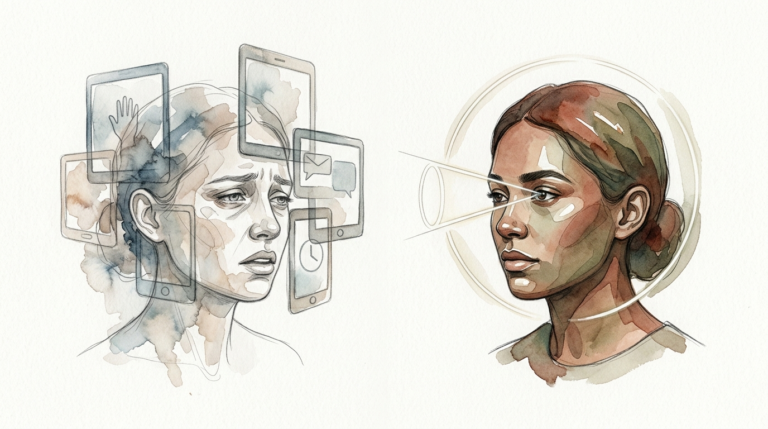
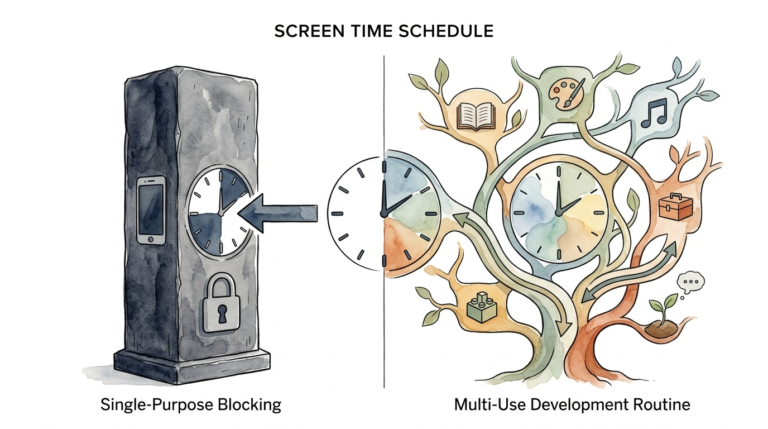
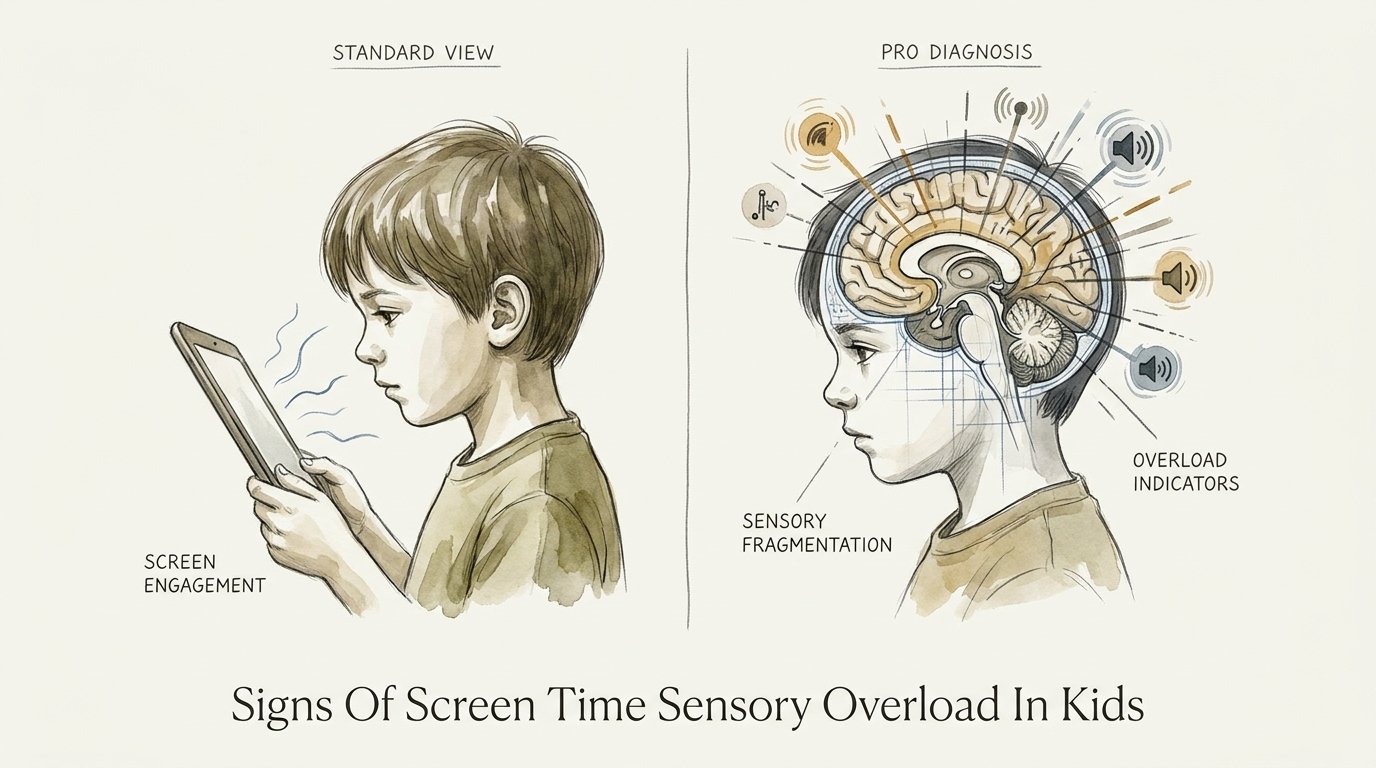
Don’t count the minutes on the clock; count the seconds it takes for them to find something ‘boring’ in the real world. Standard parenting counts minutes; pro parenting monitors the nervous system. When 4K resolution and high-speed algorithms set the baseline for ‘excitement,’ a blade of grass or a wooden block can’t compete. If your child finds the physical world ‘dull,’ their sensory threshold has been hijacked by overuse.
Parents today are locked in a silent battle with invisible forces. High-speed content and flickering pixels are literally re-tuning the way children perceive reality. This isn’t just about “too much YouTube.” It is about a physiological shift where the brain requires massive hits of stimulation just to feel “normal.”
Understanding the impact of digital overstimulation is the first step toward reclaiming your child’s focus and emotional stability. This guide breaks down why the “boring” real world feels painful to a screen-saturated brain and how you can reset their nervous system for good.
Signs Of Screen Time Sensory Overload In Kids
Screen time sensory overload occurs when the volume of digital input—flashing lights, rapid scene cuts, and loud soundtracks—exceeds the brain’s capacity to process it. This leads to a state often called Electronic Screen Syndrome (ESS), where the nervous system stays in a state of chronic high arousal.
Identifying these signs early allows you to intervene before behavior becomes a permanent pattern. Look for these red flags in your home:
- The Post-Screen Meltdown: Intense irritability or rages that occur immediately after a device is turned off. This isn’t just a “bad mood”; it is a nervous system crash.
- The “Zombie” Gaze: Glazed eyes, dilated pupils, or a lack of response when you call their name during or after screen use.
- Hyperactivity and “Buzzing” Energy: A child who seems revved up, paces, or acts impulsively after watching fast-paced content.
- Low Tolerance for Boredom: Finding ordinary activities like drawing, playing with blocks, or sitting in a car completely unbearable without a screen.
- Sleep Disruptions: Difficulty falling asleep or frequent night wakings because the brain is too “wired” to enter deep rest cycles.
In real-world terms, a child experiencing overload might struggle to make eye contact or show decreased empathy. Their brain is so focused on seeking the next dopamine hit that it misses the subtle social cues of the people around them.
How the Hijack Works: The Dopamine Trap
Digital platforms are designed by engineers to exploit the brain’s reward system. Every swipe, level-up, or notification releases a surge of dopamine. This neurotransmitter is responsible for motivation and pleasure, but it has a built-in “baseline.”
When a child consumes high-intensity digital media, their dopamine levels spike far above what nature intended. To protect itself, the brain downregulates its receptors. This means it becomes less sensitive to dopamine. Soon, the “boring” real world doesn’t provide enough stimulation to reach that new, higher baseline.
This process essentially “numbs” the child to low-level sensory input. A walk in the woods or a conversation with a grandparent feels painfully slow. The nervous system becomes stuck in a “fight or flight” state, constantly scanning for the high-octane input it has been conditioned to expect.
Actionable Steps for a Digital Reset
Restoring a child’s sensory threshold requires more than just a timer. It requires a strategic environment shift. Follow these steps to begin a nervous system reset:
- Implement a Hard Reset: For many families, a 3-to-4-week “detox” from all interactive screens is the most effective way to lower the dopamine baseline.
- Prioritize “Green Time”: Replace screen time with outdoor play. Nature provides a “soft fascination” that calms the nervous system without overstimulating it.
- Create Calm Zones: Designate a corner of the house with soft pillows, books, and low-stimulation toys where screens are never allowed.
- Slow Down the Transitions: Use 10-minute and 5-minute warnings before ending screen sessions. Use physical touch, like a hand on the shoulder, to ground them before they transition to another task.
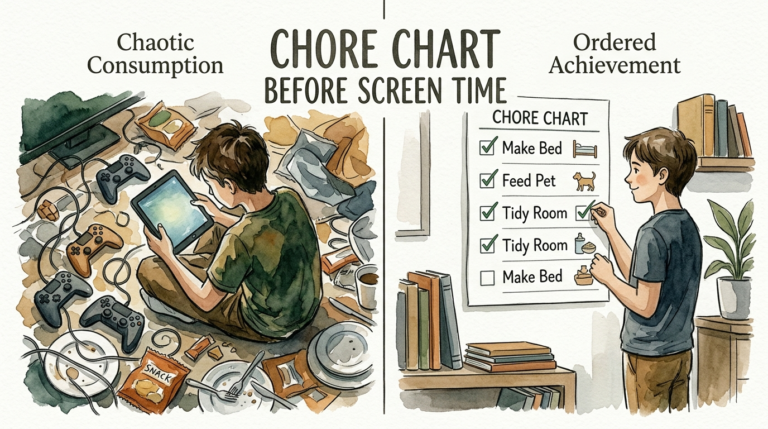
Avoid replacing screens with other high-dopamine activities like sugary snacks or intense video games immediately. The goal is to let the brain’s chemistry stabilize in a lower-stimulus environment.
Benefits of Reclaiming the Sensory Threshold
Parents who successfully manage sensory input notice dramatic shifts in their children’s daily function. These improvements go beyond just “less screen time” and touch every part of the child’s development.
Enhanced Emotional Regulation: When the nervous system isn’t constantly red-lined, children can handle minor frustrations without collapsing into a meltdown. They regain the ability to self-soothe.
Improved Cognitive Focus: A reset brain can sustain attention on complex tasks like reading or solving puzzles. They no longer need a constant “reward” every 30 seconds to stay engaged.
Deeper Social Connections: Removing the digital barrier allows children to practice “joint attention.” They begin to look at faces, read body language, and engage in the slow, meaningful work of building friendships.
Restorative Sleep: Eliminating blue light and high-arousal content allows the brain to produce melatonin naturally. This leads to faster sleep onset and higher-quality rest, which further improves mood the next day.
Common Mistakes and Pitfalls
Many parents fail because they view screens as a “reward” or a “punishment.” This creates a power struggle and increases the “value” of the screen in the child’s mind.
One frequent error is using a screen to “calm down” an already upset child. While it may stop the crying temporarily, it actually further overstimulates the nervous system, leading to a much bigger explosion later.
Another mistake is “the cold turkey backslide.” Parents see immediate improvement during a detox, get comfortable, and then let the child dive back into 4 hours of Roblox. The nervous system is fragile during a reset; reintroducing high-speed content too quickly will undo weeks of progress.
Limitations: When the Method Needs Support
A digital reset is powerful, but it isn’t a cure-all for every developmental challenge. Some children have underlying sensory processing disorders (SPD) or neurodivergent traits like ADHD and Autism that exist independently of screen use.
Environmental limitations also play a role. Families living in urban areas with limited access to green space may find the “nature-as-a-cure” advice difficult to implement. In these cases, focus on “low-tech” indoor sensory activities like play-dough, water play, or heavy-work exercises like “wall pushes” to help regulate the system.
If a child shows chronic aggression, self-harm, or total social withdrawal even after a significant screen-free period, it is time to consult a pediatrician or an occupational therapist. The screen may have been masking or exacerbating a deeper clinical issue.
Pro Parenting vs. Standard View
Comparing the two approaches shows why “counting minutes” often fails to solve the behavioral issues parents see at home.
| Factor | Standard View | Pro Diagnosis (Sensory-First) |
|---|---|---|
| Focus | Time limits and minutes. | Nervous system state and arousal. |
| Content | Anything “educational” is fine. | Speed and pacing matter more than “topic.” |
| Transitions | “Time is up, turn it off.” | Grounding techniques before the “off” switch. |
| Problem Solving | Take the screen as punishment. | Reset the environment to reduce craving. |
Practical Tips for Sustaining Progress
Once you have completed a reset, maintaining a healthy sensory environment requires ongoing vigilance. Think of it as “digital hygiene.”
- Vet the Pacing: Before letting your child watch a new show, check the pacing. If there is a scene change every 3 seconds, it is likely too stimulating. Opt for slow-paced, documentary-style, or “real-person” content.
- Keep Screens Out of Bedrooms: This is a non-negotiable rule for sensory health. Bedrooms should be for sleep and low-stimulation play only.
- Model the Behavior: Your child’s nervous system co-regulates with yours. If you are constantly scrolling while talking to them, you are signaling that reality isn’t enough.
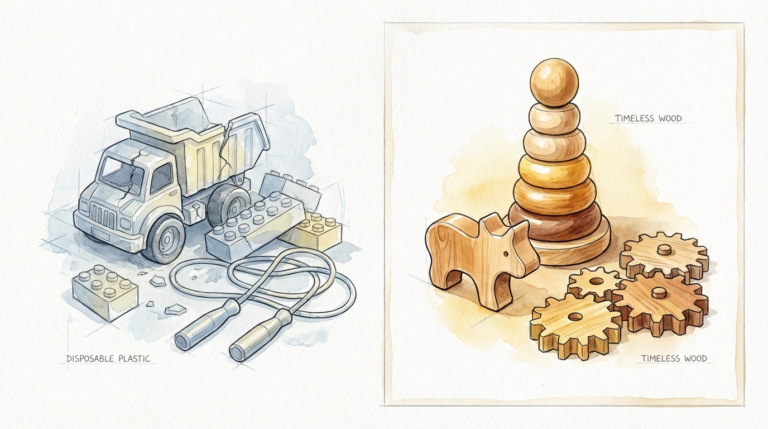
- Use “Passive Toys”: Provide blocks, silk scarves, or clay. These “passive” materials require the child to be “active” to make them fun.
Advanced Considerations: Strengthening the Prefrontal Cortex
Serious practitioners of sensory-first parenting focus on building the child’s “executive function.” This is the part of the brain responsible for impulse control and delayed gratification.
Excessive screen use weakens the prefrontal cortex because the device does the “work” of maintaining attention for the child. To reverse this, engage in activities that require sustained effort without immediate reward. Gardening, learning a musical instrument, or long-form board games are excellent “brain weights” that strengthen the prefrontal cortex.
Scaling this approach means gradually increasing the “complexity” of the child’s environment. As their sensory threshold stabilizes, they will find joy in more nuanced, detailed activities that they previously labeled as “boring.”
Real-World Scenario: The Saturday Morning Shift
Imagine a 6-year-old who usually spends Saturday mornings watching high-speed cartoons. By 10:00 AM, they are often screaming, jumping off furniture, and unable to follow simple directions.
A “Pro Parenting” approach shifts the morning. Instead of the TV, the parent sets out a bin of soapy water and plastic dinosaurs on the kitchen floor. The child engages their tactile and visual senses in a slow, controlled way.
The “boredom” hits at the 15-minute mark. Instead of giving in to the screen, the parent joins in for 5 minutes to spark a new idea (a dinosaur “rescue mission”). The child then plays independently for another 45 minutes. By lunch, the child is calm, focused, and ready for a family outing. The “hijack” was avoided because the sensory threshold was never breached.
Final Thoughts
The modern world is an experimental environment for the human brain. We are the first generation of parents managing 24/7 access to high-intensity stimulation. Recognizing that your child’s “bad behavior” is often a physiological response to sensory overload changes everything. It moves the conversation from “why won’t you listen?” to “how can I help you feel safe?”
Focus on the nervous system, not just the clock. When you lower the digital volume, you allow the richness of the real world to become visible to your child again. This process takes patience and consistency, but the reward is a child who is more present, more resilient, and truly capable of finding joy in the simple things.
Start small by reclaiming one hour of the day as a “tech-free sanctuary.” Observe how your child’s energy shifts. You aren’t just taking away a tablet; you are giving them back their ability to experience the world in all its analog glory.
Sources
1 fuzzigram.com | 2 ourtinythinks.com | 3 jewelautismcentre.com | 4 freedom.to | 5 potsdam.edu | 6 psychologytoday.com | 7 healthywithin.com | 8 thejacobsladdergroup.org | 9 integrative-psych.org | 10 aliciaortego.com | 11 atlwell.com | 12 zierinstitute.com | 13 mayoclinic.org