summer activities without phone
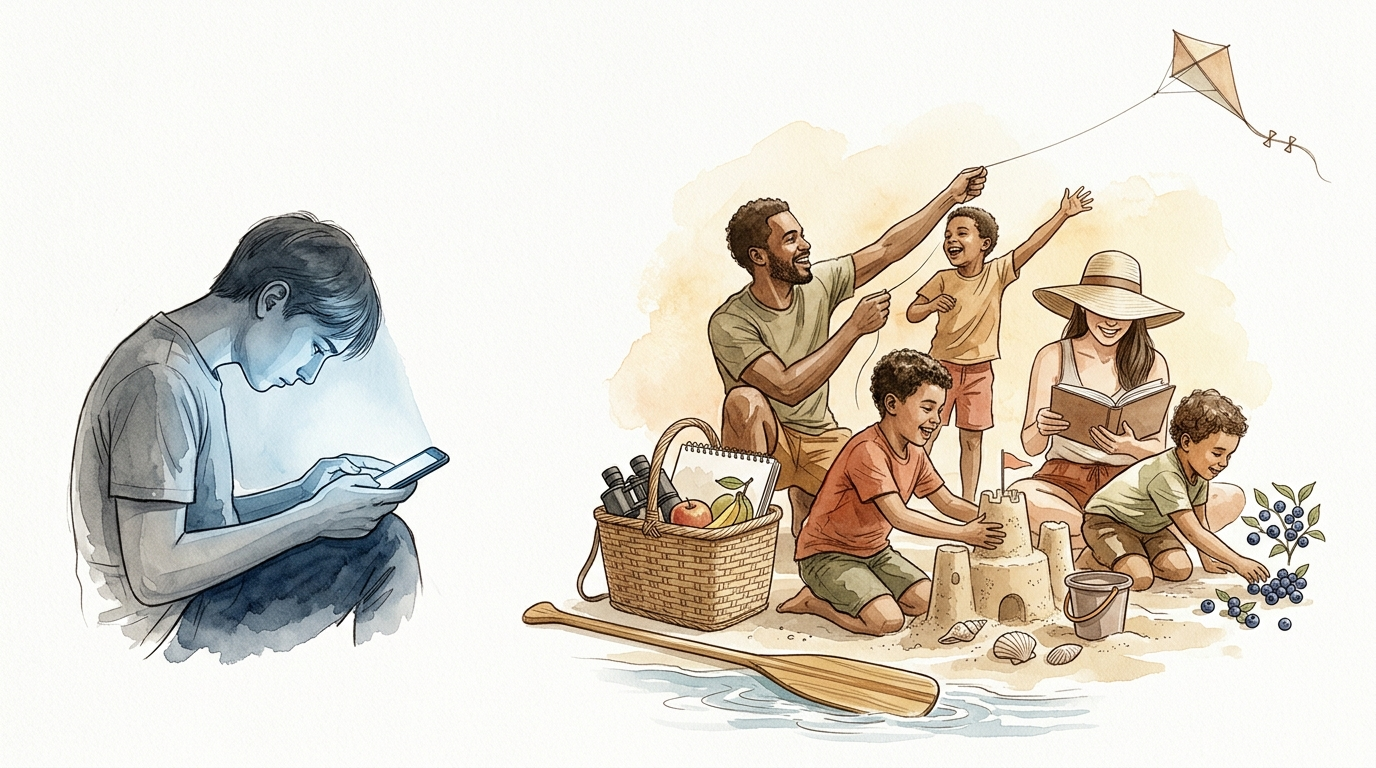
Bring back the summer where the only ‘status’ that mattered was being ‘it’. We’ve traded dirty knees for glowing screens. It’s time to go back to the activities that actually created lasting bonds. Who’s in for an unplugged summer?

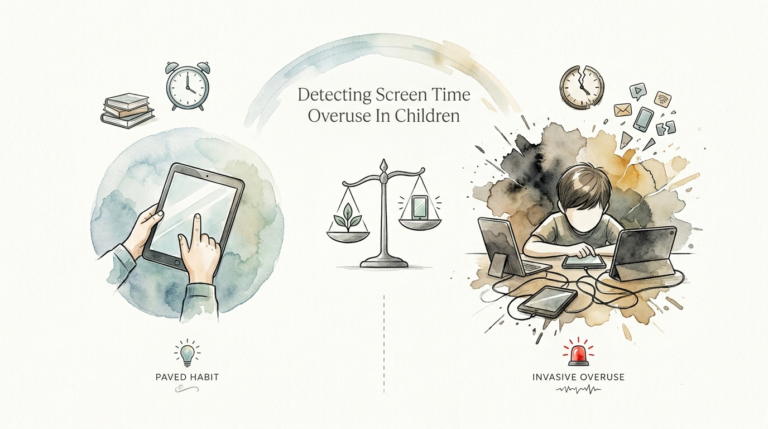
Many of us feel the weight of constant connectivity. We are checking emails at the beach and scrolling feeds under the stars. This digital saturation often leads to a phenomenon known as screen fatigue, characterized by eye strain, blurred vision, and general mental exhaustion.

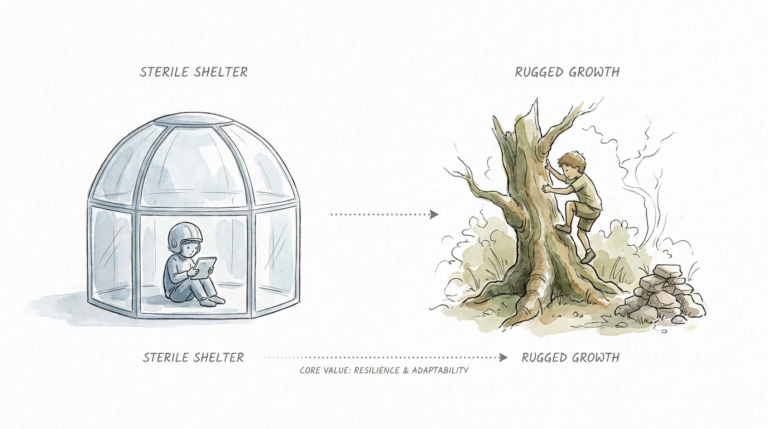
An unplugged summer is not about hating technology. It is about reclaiming your attention and spending it on things that provide genuine fulfillment. Stepping away from the device allows your brain to reset and your relationships to deepen in ways a Like button never could.
Whether you are a parent trying to save your kids from a “zombie” summer or an adult seeking a mental reset, going phone-free is the ultimate power move. This guide explores how to trade the digital glow for real-world sunshine.
summer activities without phone
The concept of summer activities without phone is simple: engaging in recreation where the primary focus remains on the physical environment and the people present. It involves choosing “green time” over “screen time” to promote mental health and physical vitality.
Research shows that the average American teen spends roughly 7.5 hours a day in front of a screen for entertainment. This shift has led to a significant decline in unstructured outdoor play, which is vital for developing creativity and problem-solving skills. By removing the phone, you create a vacuum that is naturally filled by curiosity and adventure.
These activities exist in various forms, from high-energy sports to quiet, meditative crafts. They are used in family bonding, personal development, and even therapeutic settings to combat anxiety and depression. Real-world situations include backyard campouts, community festivals, or simple walks through local nature preserves.
Outdoor Adventure Activities
- Backyard Camping: Pitch a tent, roll out sleeping bags, and use flashlights for an overnight adventure just feet from your back door.
- Night Stargazing: Use a paper star map to identify constellations instead of a phone app.
- Hiking New Trails: Explore local state parks or nature preserves. The focus is on the sights and sounds of the forest rather than the step counter on your wrist.
- Body of Water Exploration: Whether it is a beach, lake, or local pool, swimming and canoeing provide a full-body engagement that screens cannot replicate.
Creative and Skill-Based Play
- Sidewalk Chalk Murals: Cover driveways with elaborate designs, hopscotch games, or messages for neighbors.
- Homemade Popsicles: Mix fruit, yogurt, or coconut water into molds for a healthy, tactile kitchen project.
- Learning an Instrument: Use the extra daylight hours to practice an analog skill like the guitar or ukulele.
- DIY Nature Crafts: Collect rocks, leaves, and sticks to create art pieces or “fairy houses” in the garden.
How to Transition to an Unplugged Summer
Transitioning away from a 24/7 digital lifestyle requires more than just willpower. It requires a system. If you do not have a plan, you will find yourself reaching for your pocket the moment boredom strikes.
The first step is setting clear boundaries. You do not have to throw your phone into a lake. Instead, define “Tech-Free Zones” and “No-Phone Hours.” For example, the dining table and the backyard can be designated zones where devices are strictly prohibited.
Preparation is the secret to success. Make offline activities easier to choose than digital ones. If a book is already on the porch and the bikes are already aired up, you are much more likely to choose them over a Netflix binge.
Step-by-Step Implementation
- The “Bored Board”: Create a visible list on a chalkboard or piece of paper with 20+ activities. When anyone feels the urge to scroll, they must pick one item from the board instead.
- Heads Up to the Inner Circle: Especially for teens, tell friends you are going offline for specific periods. This reduces the social pressure to respond instantly to messages.
- Analog Alternatives: Buy a paper map for road trips, an instant camera for photos, and a physical alarm clock for the bedroom.
- The “Phone Locker”: Designate a basket or drawer where phones live from 5:00 PM to 8:00 PM every evening.
Benefits of Ditching the Device
The practical benefits of choosing summer activities without phone are measurable and immediate. When you remove the constant stream of notifications, your nervous system begins to shift from a state of “high alert” to a state of “rest and digest.”
Mental health is perhaps the biggest winner. Excessive screen time is linked to increased rates of anxiety and depression, particularly in adolescents. Interacting with nature—often called “green time”—has the opposite effect, lowering cortisol levels and boosting endorphins.
Physical benefits are equally compelling. Movement in natural settings improves cardiovascular health, builds stronger muscles, and even supports a healthier sleep-wake cycle. Sunlight exposure during the day helps regulate melatonin production at night, leading to deeper, more restorative sleep.
Socially, the benefits are unmatched. Face-to-face communication involves body language, eye contact, and tone of voice that digital text cannot capture. Families who engage in screen-free activities report stronger bonds and fewer conflicts because they are actually “present” with one another.
Challenges and Common Mistakes
The biggest challenge is often “Fear Of Missing Out,” or FOMO. We have been conditioned to believe that if we aren’t checking our feeds, we are falling behind on news, trends, or social updates. This is a mental hurdle that usually fades after the first 48 hours of a detox.
A common mistake is going “cold turkey” without a backup plan. If you take away the phone but provide no alternative engagement, you will likely face meltdowns from children and frustration in yourself. Boredom is the space where creativity grows, but you need the tools (like balls, books, or art supplies) to facilitate that growth.
Another frequent error is the “Double Standard.” Parents often demand their kids get off their phones while they themselves remain glued to work emails. For an unplugged summer to work, the adults must lead by example. If the rules don’t apply to everyone, they won’t be respected by anyone.
Limitations and Realistic Constraints
While a phone-free summer is the goal, there are realistic constraints. Safety is a primary concern. If you are hiking in a remote area or traveling solo, having a phone for emergencies is a responsible choice. The key is to treat the phone as a tool for safety, not a source of entertainment.
Work obligations can also pose a boundary. Many professionals are required to be on call or check in periodically. In these cases, a “limited access” model works better than a total blackout. You might check emails for 30 minutes in the morning and then lock the device away for the rest of the day.
Logistics in the modern world sometimes demand a screen. Many theme parks, including Disneyland, now require apps for wait times and food orders. International travel often requires digital boarding passes or translation apps. In these situations, designate one “Logistics Lead” who handles the tech so the rest of the group can remain unplugged.
Modern Digital Isolation vs. Timeless Tactile Play
The difference between digital engagement and physical play is fundamental to how our brains process joy and connection.
| Feature | Digital Scrolling | Tactile Summer Play |
|---|---|---|
| Focus | Fragmented / Short-term | Sustained / Flow state |
| Social Connection | Performative / Distant | Authentic / In-person |
| Physical Impact | Sedentary / Eye strain | Active / Sensory rich |
| Memory Creation | Generic / Easily forgotten | Distinct / Long-lasting |
| Skill Level | Low (Passive) | Variable (Active learning) |
Practical Tips for Success
Start small to build confidence. You do not need to start with a week-long wilderness trek. Try a “Screen-Free Sunday” first. This allows you to identify your triggers—the moments when you most want to reach for your phone—and prepare for them.
Use “Plan B” kits. Keep a bag in the car or by the door filled with “boredom busters.” This could include a Frisbee, a deck of cards, a sketchbook, and a magnifying glass for exploring. Having these items ready to reach for removes the friction of starting an offline activity.
Involve the whole family in the planning phase. When children feel they have a say in the activities, they are much more likely to participate enthusiastically. Let them choose the flavor of homemade popsicles or the location of the next bike ride. Buy an instant camera (like a Fujifilm Instax) so they can still take photos without the distraction of a smartphone.
Advanced Considerations for Serious Practitioners
For those who want to go beyond the basics, consider a “Digital Sabbatical.” This is an extended period—usually a week or more—where you completely remove yourself from the digital grid. This is best done in a setting like a national park or a dedicated “digital detox” resort where Wi-Fi is unavailable.
Focus on “Attention Restoration Theory.” This theory suggests that urban environments and digital screens drain our cognitive resources, while natural environments allow them to replenish. Serious practitioners look for “soft fascination” environments—like watching clouds or waves—which provide just enough interest to hold attention without the stress of “directed” focus.
Consider the “1-in-1-out” rule for hobbies. If you find yourself wanting to spend more time offline, identify one digital hobby (like mobile gaming) and replace it entirely with a physical one (like woodworking or gardening). This ensures your “engagement budget” remains balanced toward the physical world.
Scenario: The Backyard Water Festival
Imagine a Saturday afternoon in July. Instead of everyone sitting in the living room on their respective devices, you organize a “Water Festival.”
You fill 100 water balloons (using a rapid-fill tool), set up a simple oscillating sprinkler, and bring out a bucket of sponges. The “cost” of this setup is less than $20. For three hours, the family is running, laughing, and strategizing.
The “numbers” of this scenario are telling. Instead of 3 hours of sedentary time (burning roughly 150 calories), you have 3 hours of moderate physical activity (burning roughly 600-900 calories). More importantly, the communication is constant. You are negotiating rules, celebrating “hits,” and creating a shared history that will be talked about at dinner. No one misses their phone because they are too busy being “it.”
Final Thoughts
Reclaiming your summer from the digital void is one of the most rewarding challenges you can take on. By prioritizing summer activities without phone, you aren’t just passing the time; you are building a healthier mind and stronger relationships. You are trading the fleeting dopamine of a notification for the lasting satisfaction of a lived experience.
The key takeaways are simple: plan ahead, set firm boundaries, and focus on the “green time.” Start with a single afternoon and notice how the world feels a little brighter when you aren’t looking at it through a lens.
Go ahead and put the phone down. The sun is out, the grass is green, and the real world is waiting for you to join the game. Experiment with these ideas and see how much more vibrant your life becomes when you are truly present.
Sources
1 overlandsummers.com | 2 summacare.com | 3 goape.com | 4 medium.com | 5 acon24.com | 6 biglifejournal.com | 7 jcsri.org | 8 creativehealthyfamily.com | 9 healthystpetefl.com | 10 cjhsnewspaper.com | 11 recordablebookbuddy.com | 12 oasispediatrictherapy.com | 13 sisyaclass.com | 14 ch-dc.org | 15 thecommon.place | 16 thecommon.place | 17 ondessonk.com | 18 envisionpartnerships.org | 19 connectsafely.org | 20 substack.com