summer activities no phone
The best memories don’t require a monthly subscription or a battery charge. You don’t need a thousand-dollar device to have a million-dollar summer. Discover how nature provides the ultimate playground for free.

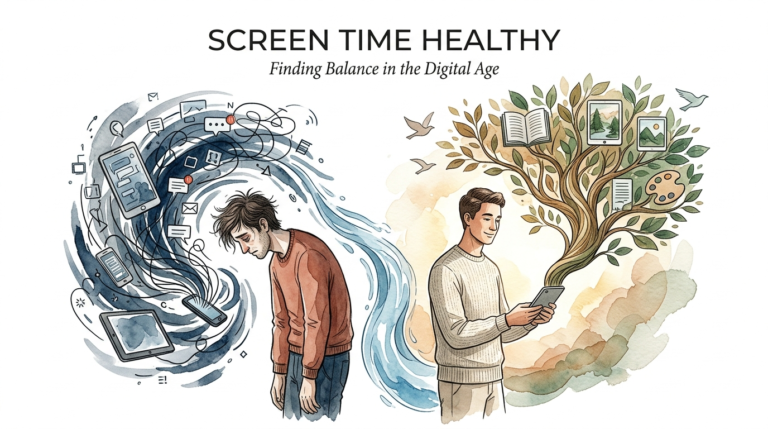
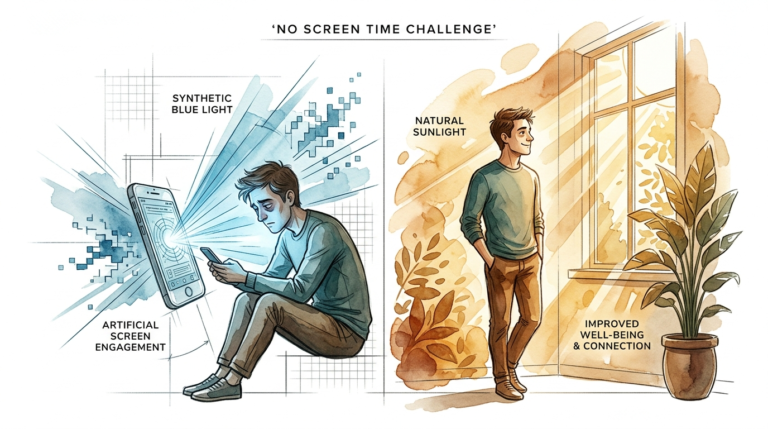
Modern life feels like a constant race for the next notification. We trade our focus for infinite scrolls. We trade our peace for blue light. But the real world is still out there, waiting for you to look up.
Stepping away from the screen isn’t just about avoiding technology. It is about reclaiming your attention. It is about reconnecting with the textures, sounds, and rhythms of the earth.
This guide will show you how to navigate a summer without a digital tether. You will learn practical skills that don’t need a signal. You will find joy in activities that cost absolutely nothing.
summer activities no phone
Summer activities no phone refers to any leisure or skill-based pursuit conducted entirely without digital devices. This movement prioritizes “analog” experiences over screen-mediated entertainment. It exists as a direct response to digital fatigue and the “continuous partial attention” state that many adults now experience.

In the real world, this looks like choosing a paper map over a GPS app. It looks like identifying a tree by its leaves instead of a photo-recognition tool. These activities encourage “soft fascination,” a psychological state where your mind is engaged but not drained.
Research shows that spending as little as 20 to 30 minutes in nature without a phone can significantly lower cortisol levels. While urban parks are great, studies suggest that “wild” nature—like forests or nature reserves—is more effective at reducing the urge to check your device.
Common examples include:
– Hiking on marked trails using visual landmarks.
– Primitive fire-making or outdoor cooking.
– Birdwatching with a physical field guide and binoculars.
– Journaling or sketching in a notebook.
– Open-water swimming or paddleboarding without a fitness tracker.
The Mechanics of Unplugging: How to Start
Transitioning to a phone-free summer requires a system. You cannot simply leave your device at home and hope for the best. You need to replace digital tools with analog equivalents.
Start by preparing a “Detox Kit.” This should include a high-quality paper map of your local area, a compass, and a physical notebook. These tools are the backbone of self-reliance. They don’t run out of battery. They don’t lose signal in a canyon.
Learning to navigate without a phone is a core skill. One simple technique is the “Sun-Stick Shadow Method.” Plant a stick in the ground and mark the tip of its shadow with a stone. Wait 15 minutes and mark the new position. The line between these two points runs East-West.
Another process is “Mindful Foraging.” Instead of using an app, learn to recognize plant families. For example, members of the Rosaceae family (roses, blackberries, strawberries) often have five petals and serrated leaves. Learning these patterns makes the forest feel like a familiar neighborhood.
Practice “Active Observation.” Choose one spot in a local park or woods. Sit still for ten minutes. Do not move. Watch how the birds return to the area once they stop seeing you as a threat. This builds the patience that digital scrolling has stripped away.
Benefits of a Screen-Free Summer
The most immediate benefit is a measurable reduction in stress. Digital devices keep the brain in a state of high alert. Every notification triggers a tiny spike in adrenaline. Nature does the opposite. It regulates the nervous system and lowers blood pressure.
Cognitive restoration is another major advantage. The “Attention Restoration Theory” suggests that urban environments and screens drain our “directed attention.” Natural environments allow this focus to recover. You will find that after a day in the woods, your ability to solve complex problems at work improves.
Physical health sees a boost through “Earthing” or “Grounding.” This involves direct skin contact with the earth. Some biophysicists believe connecting with the earth’s surface electrons can neutralize free radicals and reduce inflammation in the body.
You also build genuine memories. When you experience a sunset through a lens, you are focused on the capture. When you experience it with your eyes, you are focused on the moment. The brain encodes these “unplugged” memories more deeply because they are multi-sensory.
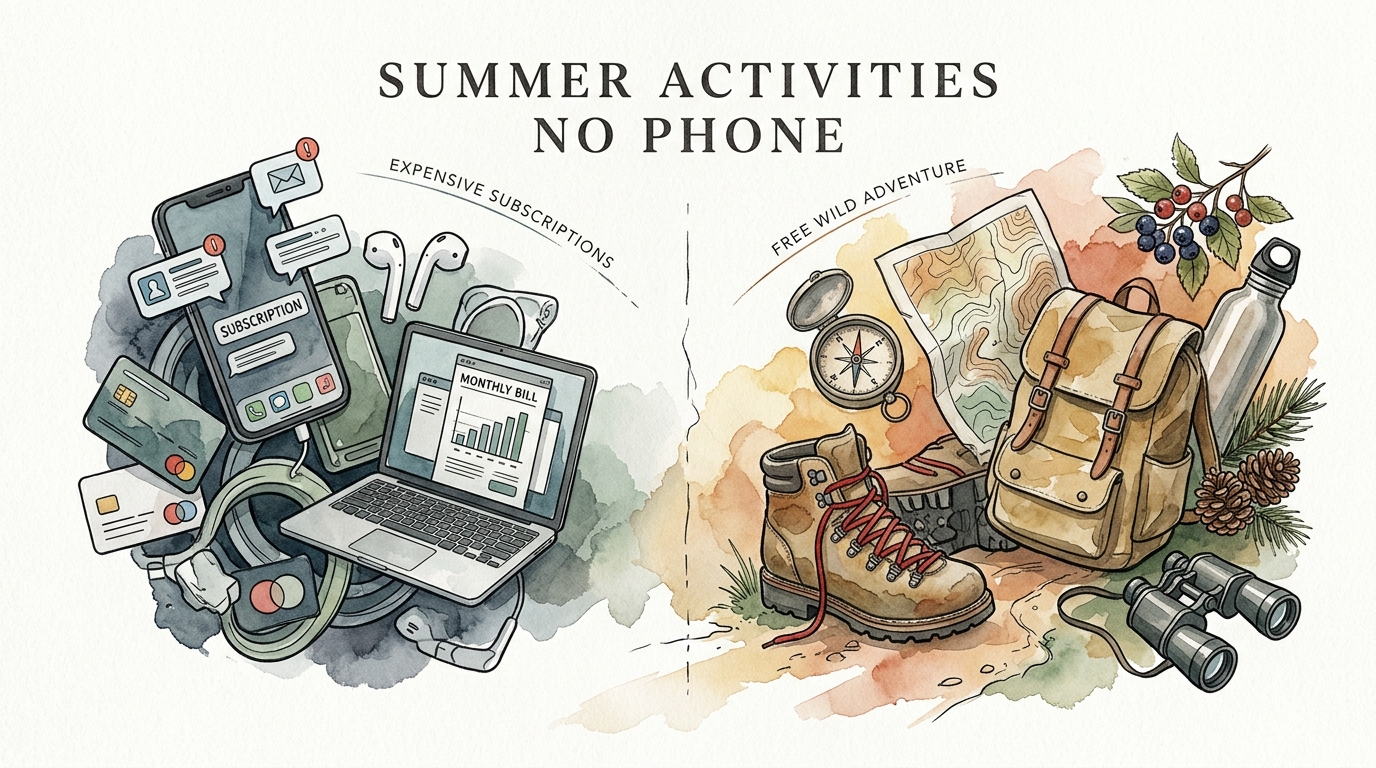
Finally, there is the benefit of cost. You can avoid the trap of Expensive Subscriptions vs Free Wild Adventure. Nature doesn’t charge for the view. It doesn’t require an upgraded data plan to see the stars.
Common Pitfalls and How to Avoid Them
The “Digital Ghost” is the most common mistake. This is the habit of reaching for your pocket every time you see something beautiful. Your brain is conditioned to share rather than observe. To avoid this, keep your phone in a zippered compartment at the bottom of your bag.
Underestimating nature is another frequent error. Beginners often go into the woods without enough water or a basic understanding of the weather. Because they are used to “checking the app,” they forget to look at the clouds. To stay safe, learn to read the sky. High, wispy “mare’s tail” clouds often mean a change in weather is coming within 24 hours.
Safety mistakes are common when people ditch the GPS. Never go into deep wilderness without telling someone exactly where you are going and when you will return. A “trip plan” is your best insurance policy when you aren’t carrying a tracking device.
Avoid the “All-or-Nothing” trap. You don’t have to throw your phone in a lake to have a successful summer. Start with two-hour “Phone-Free Windows.” Gradually increase the duration as your “boredom tolerance” grows.
Realistic Constraints and Limitations
A total digital detox is not always ideal or safe. In extreme environments, a smartphone can be a literal lifesaver. GPS and SOS satellite features are essential for solo hikers in remote areas. Knowing when to use technology is a sign of an experienced explorer.
Environmental limitations also play a role. Not everyone lives near a forest. If you are in a dense city, finding “wild nature” takes effort and transportation. Urban parks are better than staying inside, but they may not provide the same level of mental reset as a remote trail.
Physical constraints shouldn’t be ignored. If you have medical conditions, your phone might be necessary for monitoring or emergency contact. In these cases, use “Greyscale Mode” and turn off all non-essential notifications to minimize the psychological draw.
Maintenance is the trade-off. Analog gear requires care. Paper maps can tear. Compasses can be affected by local metal deposits. Learning to maintain and troubleshoot physical gear is a skill in itself that takes time to master.
Optional Comparison: Analog Exploration vs. Digital Reliance
| Feature | Analog (No Phone) | Digital (Phone-Based) |
|---|---|---|
| Cost | Free or low-cost gear. | High device cost + subscriptions. |
| Mental State | Focused, calm, “Soft Fascination.” | Distracted, high cortisol. |
| Reliability | No battery or signal required. | Fails without battery or signal. |
| Skill Acquisition | Teaches navigation, botany, observation. | Relies on algorithms to provide answers. |
Practical Tips for a Phone-Free Day
Start your day by leaving the phone on the charger in another room. Do not check it first thing. This prevents your “Directed Attention” from being drained before you even leave the house.
Bring a physical book. Summer is the perfect time for long-form reading. Without the temptation of clicking away, you will find you can absorb complex information much more effectively.
Carry a “Nature Journal.” Use it to draw the things you see. You don’t have to be an artist. Sketching forces you to look at the details—the veins on a leaf or the pattern of a bird’s feathers—in a way that a quick photo never will.
Learn basic “Bushcraft” projects. Carry a small whittling knife and a piece of softwood. Trying to carve a simple spoon or a tent peg keeps your hands busy. This physical engagement is a powerful antidote to the “scroll-itch.”
Pack a real picnic. Avoid “on-the-go” snacks. The act of spreading a blanket and eating a prepared meal in the grass is a foundational summer experience. It forces you to slow down and enjoy the sensory details of your food.
Advanced Considerations for the Serious Practitioner
If you want to go deeper, study “Primitive Navigation.” This goes beyond just using a compass. It involves reading “nature’s signs.” For example, trees on the edge of a forest often have thicker branches on the southern side because they receive more sun.
Explore “Phenology.” This is the study of periodic plant and animal life cycle events. Keep a record of when certain flowers bloom or when specific insects appear in your area year after year. This builds a deep, multi-generational connection to your local land.
Master “Fire-Steadiness.” Anyone can light a fire with a lighter. Try using a ferrocerium rod or a bow drill. These skills require an understanding of wood types, tinder preparation, and moisture levels. They turn a simple task into a meditation on physics and patience.
Think about “Digital Minimalism” as a long-term strategy. Use your phone-free summer to audit your apps. Which ones actually add value to your life? Which ones are just noise? Use the clarity you find in the woods to make these decisions.
A 24-Hour Scenario: The “Deep Unplug”
Imagine waking up at 6:00 AM. Instead of checking emails, you step outside barefoot. You spend ten minutes “Grounding” while the dew is still on the grass. You listen to the “Dawn Chorus” of the birds.
By 10:00 AM, you are at a trailhead. You have a paper map and a liter of water. You spend four hours hiking, stopping to identify three types of trees using only a physical guidebook. You find a stream and sit by it, practicing “Soft Fascination” as you watch the water move over rocks.
At 3:00 PM, you find a clearing. You use a small whittling knife to make a decorative walking stick. You don’t take a photo of it. You just enjoy the smell of the wood and the physical effort of the work.
By 8:00 PM, you are back home or at a campsite. You watch the stars come out. Instead of a stargazing app, you use a “Planisphere”—a circular star map. You find the Big Dipper and use its “pointer stars” to find Polaris, the North Star. You go to sleep without the blue light of a screen, noticing how much faster your mind settles.
Final Thoughts
A phone-free summer is not about being anti-technology. It is about being pro-human. It is about remembering that we are biological creatures who evolved to interact with the physical world, not just digital interfaces.
By choosing free wild adventures over expensive subscriptions, you gain more than just financial savings. You gain a sense of agency and a deeper connection to your environment. You learn that boredom is often the doorway to creativity.
Experiment with these techniques this week. Leave your phone in the car during your next walk. Sit under a tree without a podcast. You might be surprised at how much there is to hear when the world finally goes quiet.
Sources
1 mindfulecotherapycenter.com | 2 sallymatheny.com | 3 muchbetteradventures.com | 4 gabb.com | 5 the-modern-dad.com | 6 truthcenterhh.com | 7 bendsoap.com | 8 acon24.com | 9 wmchealth.org | 10 youtube.com | 11 uvm.edu | 12 usu.edu | 13 clevelandclinic.org | 14 forest-healing.co.uk | 15 youtube.com | 16 substack.com | 17 youtube.com | 18 earthltd.org | 19 jaxdragonfly.org | 20 youtube.com