Family Heirloom Tradition Ideas
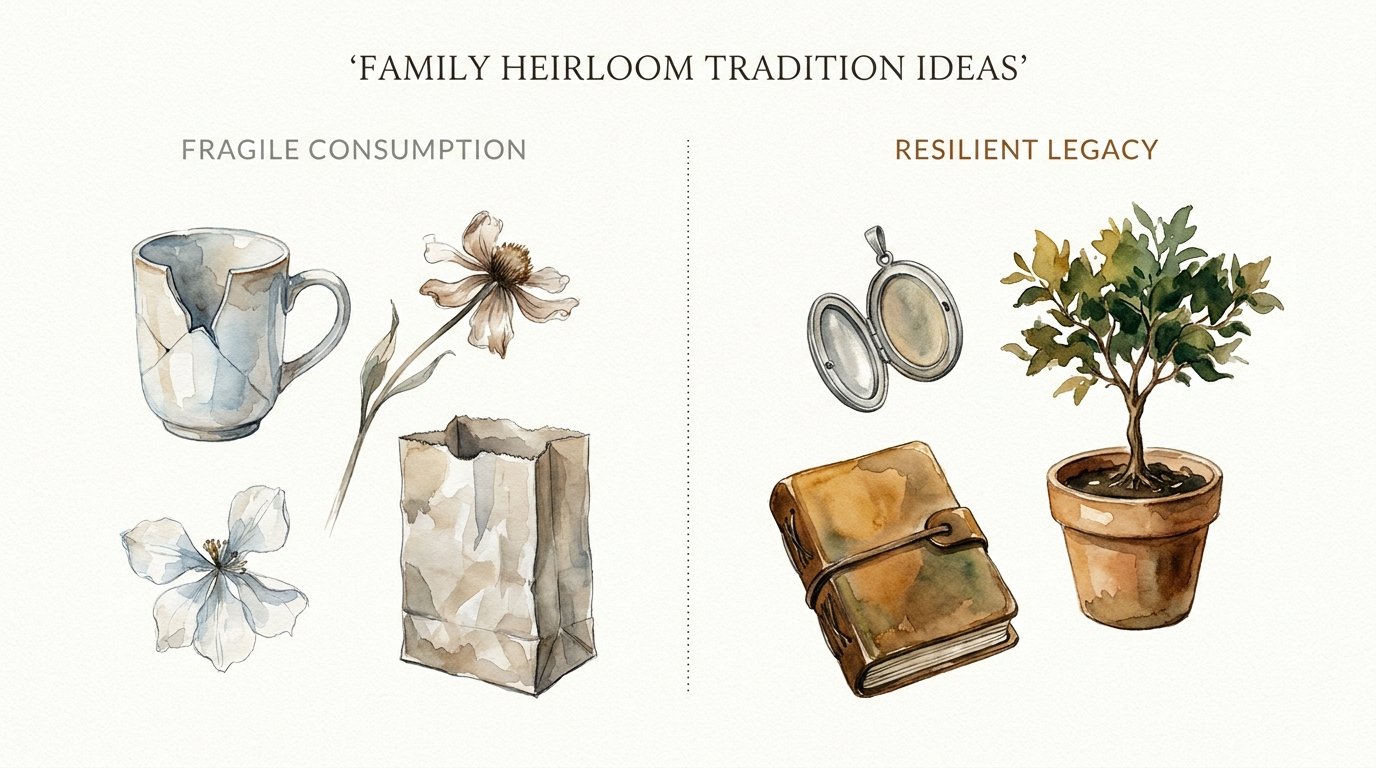
If your family traditions rely on a shopping mall, they are one supply chain break away from disappearing forever. We have become a culture of ‘temporary’ gifts. We give things that break so we can buy them again next year. A resilient family tradition focuses on the ‘The Long Hand-off.’ Gifting tools and heirlooms that are designed to last 100 years means you aren’t just giving an object; you are giving a physical anchor to the family’s future.
Stop buying junk that ends up in a landfill by next Christmas. Start thinking about the items that will be in your great-grandchild’s hands. These are the objects that survive wars, economic collapses, and the passing of decades. They carry the weight of stories and the utility of real-world skills.
Modern consumption is fragile because it values convenience over durability. A resilient legacy is built on items that require care but offer infinite service. Choosing the right heirloom means finding the intersection of high-quality materials and timeless utility. This guide will show you how to build a family culture that outlasts your own lifetime.
Family Heirloom Tradition Ideas
Family heirloom tradition ideas are centered on the concept of intentionality. An heirloom is not just an old thing sitting in an attic. It is a functional tool or a meaningful object that is passed from one generation to the next with a specific purpose. These traditions exist to preserve family history and provide the next generation with a head start on self-reliance.
Heirloom quality items are found in the kitchen, the workshop, and the field. They are used in daily life to solve problems and create value. A cast iron skillet is a classic example because it is nearly indestructible and improves with age. Every meal cooked in that skillet adds to a layer of seasoning that represents decades of family nourishment.
Traditions around these objects often involve a “rite of passage.” A grandfather might hand down a precision woodworking tool when a grandson finishes his first project. A mother might pass a leather-bound book of family recipes to a daughter on her wedding day. These moments create a “physical anchor” that keeps the family connected to its roots.
Think beyond jewelry or expensive art. The most resilient heirlooms are the ones that can be used to build, fix, or feed. They represent a transfer of power and knowledge. When you gift a high-quality axe or a mechanical watch, you are giving something that does not require a battery or a software update to function.
How It Works: Starting The Long Hand-off
The Long Hand-off is a deliberate process of selecting, using, and eventually passing on a legacy item. You must start with the selection of “Buy It For Life” (BIFL) products. These are items made from honest materials like high-carbon steel, solid wood, heavy-gauge brass, or thick leather.
Selection requires research into manufacturing standards. Look for brands that offer lifetime warranties or have a documented history of lasting over a century. A Stabila level or a Starrett combination square are industry benchmarks for precision that do not drift over time. These tools are built to survive the rigors of a professional job site for fifty years and still be accurate for the next person in line.
Documentation is the second step in the process. An object without a story is just an antique. You should keep a small logbook or a “provenance card” with each heirloom. Record who bought it, when it was used, and any major projects it helped complete. This turns a simple hammer into “the hammer that built the family cabin.”
Maintenance is the third and most vital step. You must teach the next generation how to care for the item. This includes sharpening blades, oiling leather, and preventing rust on steel. Teaching these skills ensures the object remains functional. It also builds a sense of responsibility and stewardship in the recipient.
Benefits of a Resilient Legacy
Building a tradition around durable heirlooms offers measurable advantages over the cycle of constant replacement. The most immediate benefit is the economic value. While a high-quality tool or kitchen item costs more upfront, it never needs to be replaced. This saves the family thousands of dollars across several generations.
Emotional stability is another major benefit. In an ever-changing world, having a physical object that belonged to an ancestor provides a sense of continuity. Children who grow up around heirlooms feel like they are part of a larger story. This strengthens family bonds and builds a resilient identity that can withstand external social pressures.
Skill preservation is a practical advantage that is often overlooked. Heirlooms like heirloom seeds or heritage livestock require specific knowledge to maintain. By passing down the seeds, you are also passing down the knowledge of how to grow food. This creates a safety net of self-sufficiency that a shopping mall can never provide.
Sustainability is the final key benefit. Choosing items that last 100 years is the ultimate form of environmental protection. You are opting out of the “planned obsolescence” economy. Every heirloom you pass down is one less piece of plastic cluttering up the future for your descendants.
Challenges and Common Mistakes
The biggest mistake people make is choosing items based on “perceived value” rather than utility. A gold-plated gadget might look expensive today, but if it has a lithium-ion battery, it will be a paperweight in ten years. Avoid anything with a screen or a circuit board if you want it to last 100 years.
Neglecting the “story” is another frequent error. If you leave a box of old tools in the garage without explaining what they are, your heirs will likely sell them at a yard sale for five dollars. You must actively use the items in front of your children. Let them see the value of the object in action so they develop an emotional attachment to it.
Failure to maintain the item will lead to its eventual destruction. High-carbon steel knives are incredible tools, but they will rust if left in a damp sink. Leather will crack if it is never conditioned. If you don’t teach the recipient how to maintain the gift, you are setting the heirloom up for failure.
Assuming the next generation will want the item is a common misunderstanding. You should match the heirloom to the person’s interests. Don’t force a heavy-duty sewing machine on a child who has no interest in textiles. The Long Hand-off works best when there is a natural alignment between the tool and the user’s passions.
Limitations of Heirloom Traditions
Environmental limitations are a real factor in long-term preservation. A family living in a humid, coastal environment will struggle more with rust and wood rot than a family in a dry climate. You must choose materials that are suited to your geography or be prepared to invest more in protective storage solutions.
Physical size is a practical boundary. A massive Amish-made oak dining table is a beautiful heirloom, but it is a burden if the next generation lives in small city apartments or moves frequently. Consider the portability of your heirlooms. Items like watches, pocket knives, or high-quality hand tools are easier to pass down through various lifestyle changes.
Technological shifts can sometimes render a functional item obsolete, even if it still works. A high-quality mechanical typewriter is a marvel of engineering, but its utility is limited in a digital world. While many heirlooms are “timeless,” you should prioritize items that provide fundamental human needs like food, shelter, and basic repair.
Cost can be a barrier for many families starting out. Investing $500 in a single set of chisels or $300 in a Dutch oven is difficult when budgets are tight. However, the resilient approach suggests buying one high-quality item every few years rather than five cheap ones every single year.
Fragile Consumption vs. Resilient Legacy
| Feature | Fragile Consumption | Resilient Legacy |
|---|---|---|
| Lifespan | 1–5 Years | 50–100+ Years |
| Materials | Plastic, Composite, Electronics | Steel, Wood, Leather, Brass |
| Value Trend | Depreciates to Zero | Appreciates or Retains Value |
| Maintenance | Disposable / Non-repairable | User-serviceable / Repairable |
| Emotional Weight | Forgettable Clutter | Cherished Storypiece |
Practical Tips for Selection and Care
Selecting the right brands is the first step toward a 100-year legacy. For kitchenware, look at Le Creuset for enameled cast iron or Lodge for raw cast iron. These brands have decades of proof that their products survive daily use for generations. For woodworking, Lie-Nielsen and Veritas produce hand planes and chisels that are precision instruments designed for a lifetime of work.
Caring for steel requires a basic understanding of oxidation. High-quality carbon steel tools should be wiped down with a light coat of camellia oil or mineral oil after use. This creates a barrier against moisture. If rust does appear, use a fine-grit abrasive or a rust eraser to remove it immediately before it pits the metal.
Leather goods like those from Saddleback Leather or Filson require periodic conditioning. Use a high-quality leather balm every six to twelve months to keep the fibers supple. Avoid storing leather in plastic bags, as it needs to “breathe” to prevent mold and mildew growth.
Wood items should be kept away from extreme temperature fluctuations. Solid wood furniture or tool handles can crack if they dry out too much. Rubbing them with a mixture of beeswax and linseed oil helps maintain the moisture balance and provides a beautiful, protective patina that gets better with every touch.
Advanced Considerations for Family Legacy
Moving beyond simple objects requires thinking about legal and organizational structures. If you have a significant collection of valuable heirlooms, consider adding them to a family trust. This ensures the items stay within the family line and aren’t sold off during probate. Clearly labeling items with “letters of intent” helps executors understand which items have sentimental and historical priority.
Oral history is the “software” that runs the heirloom hardware. Serious legacy practitioners record “object interviews.” Sit down with the oldest living family member and have them explain each item on video. Hearing a great-grandmother describe using a specific quilt during a cold winter makes that quilt priceless to the next generation.
Skill-based handoffs are the most advanced form of tradition. Instead of just giving a set of leatherworking tools, give a “mastery apprenticeship.” Spend a year teaching the recipient how to use every tool in the kit. The tradition is only complete when the recipient can produce a piece of work as good as the original owner.
Consider the “100-year storage” problem. For textiles like quilts or wedding dresses, use acid-free archival boxes. For metal tools, consider “VCI” (Vapor Corrosion Inhibitor) bags if they will be stored for a long period between generations. Professional-grade storage ensures that the item looks as good in 2124 as it does today.
Examples of Successful Heirloom Traditions
The Master Tool Chest is a classic scenario for a resilient family. A father spends twenty years curating a chest of the finest hand tools: Starrett squares, Lie-Nielsen planes, and Knipex pliers. He uses these tools to maintain the family home and build furniture for his children. On his son’s 25th birthday, he doesn’t just give the chest away; he hands over the key and spends a weekend building a project together. The son now has the means to maintain his own future home without ever stepping foot in a “big box” hardware store.
The Heritage Garden is another powerful example. A family saves seeds from a specific variety of “Cherokee Purple” tomatoes or “Hill Country” okra every year for decades. These seeds are adapted to their specific local soil and climate. When a daughter moves to her own home, she is given a packet of these seeds. This isn’t just a gardening hobby; it is a transfer of a “locally adapted food system” that has been hardened by years of regional weather patterns.
The Cast Iron Sunday is a ritual-based tradition. A specific 12-inch skillet is used every Sunday morning for forty years to make the family breakfast. The youngest child is eventually tasked with the “cleaning and seasoning” ritual after the meal. By age ten, that child understands exactly how to maintain cast iron. When they eventually leave home, they take the skillet with them. The object carries the “memory of flavor” and the discipline of care into their new life.
Final Thoughts
Building a family tradition around 100-year heirlooms is an act of rebellion against a throwaway culture. It requires you to slow down, research quality, and invest in the long term. You are trading the fleeting dopamine hit of a new gadget for the deep, lasting satisfaction of a resilient legacy. These objects become the “silent witnesses” to your family’s history, standing firm while trends and technologies fade away.
Start small by replacing one fragile item in your home with a resilient version. Buy the high-quality chef’s knife or the solid wood chest. Use it daily. Learn its quirks and master its maintenance. By doing so, you are training yourself and your children to value substance over style. You are teaching them that the things worth having are the things worth taking care of.
The Long Hand-off is not just about the objects themselves; it is about the people they create. A family that respects its tools and its history is a family that is prepared for the future. Experiment with these ideas and find the physical anchors that resonate with your clan. Your great-grandchildren will thank you for giving them something real to hold onto.
Sources
1 reddit.com | 2 costperuse.com | 3 lostartgiftco.com | 4 leatherbeast.com | 5 osborneleathertools.com | 6 healthline.com | 7 osborneleathertools.com | 8 williamhenry.com | 9 legacyproject.org | 10 bramwellbrown.com | 11 reddit.com | 12 wyrdstory.com | 13 familyeducation.com | 14 reddit.com | 15 wantmaure.com | 16 heritagefoods.com | 17 zippyshell.com | 18 delveexperiences.com