How To Use Bird Calls For Kids
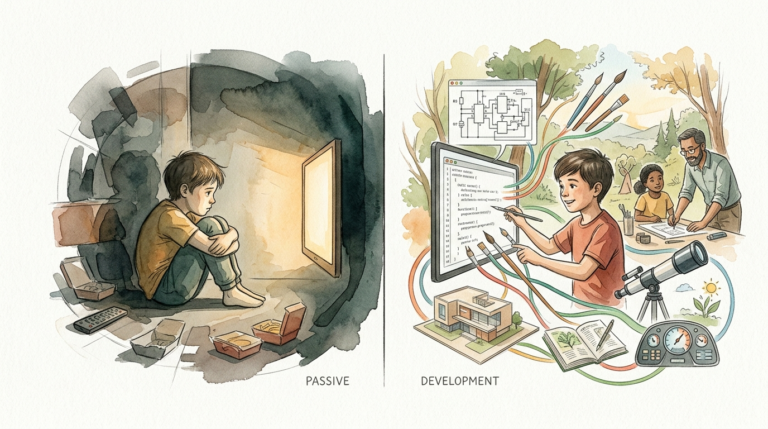
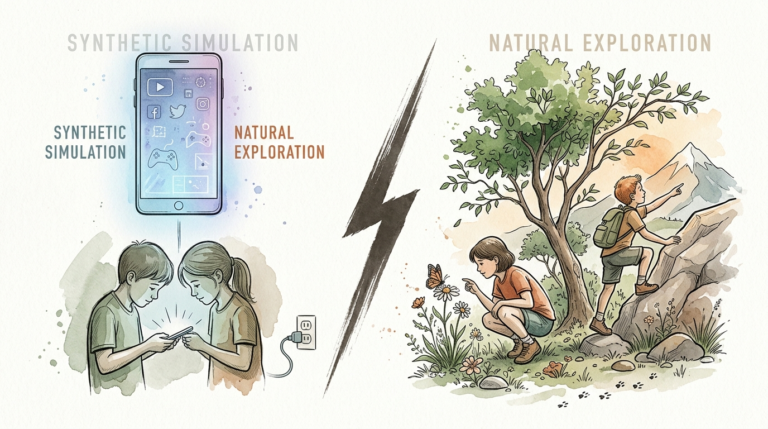
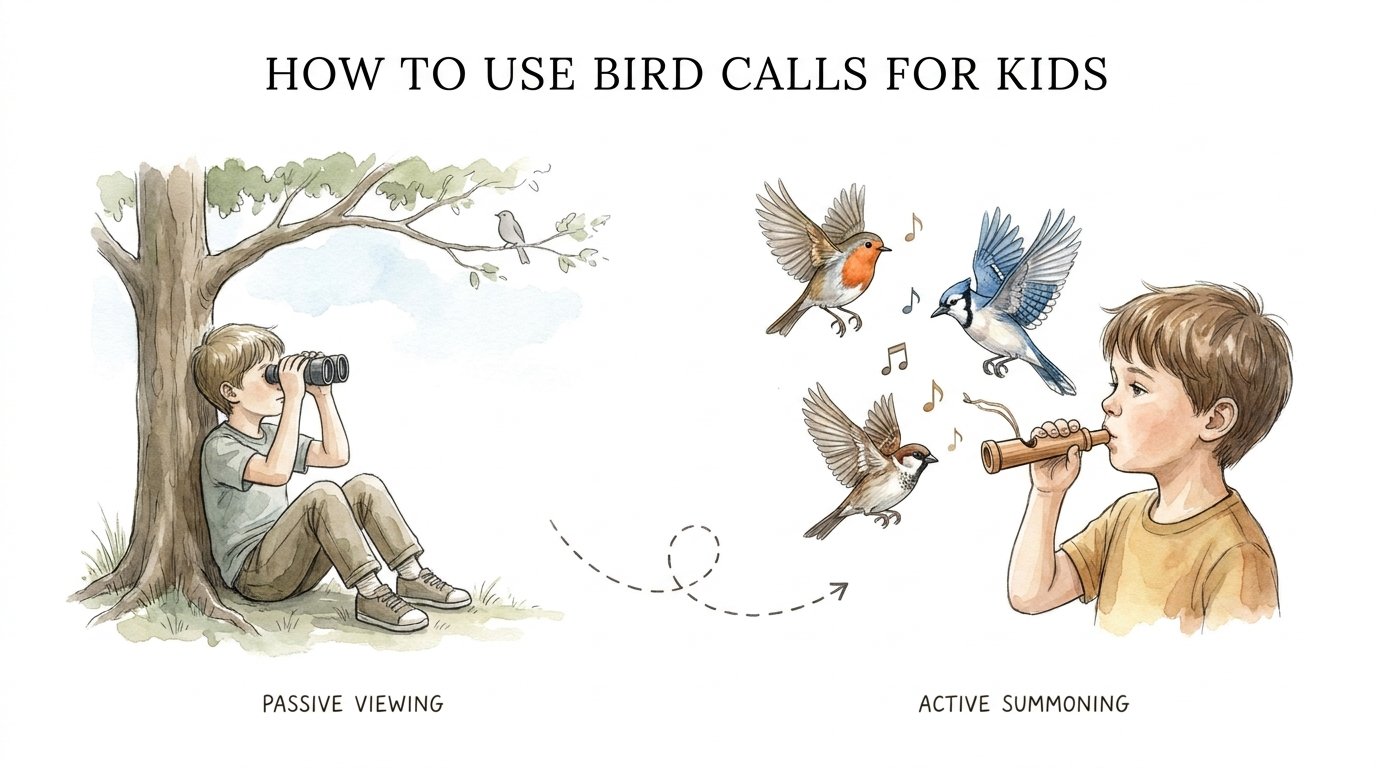
Why settle for a 4K resolution image when you can learn the frequency that brings the real thing to your doorstep? Passive screen time turns our children into spectators of a world they were meant to inhabit. Learning a bird call isn’t just a hobby; it’s a lesson in patience, acoustics, and the deep reward of being seen by the wild. Move from watching the screen to summoning the story.
How To Use Bird Calls For Kids
Bird calls for kids are more than just whistling at the sky. They are a bridge between human language and the complex communication systems of the avian world. In the simplest terms, using bird calls involves imitating the specific rhythms, pitches, and patterns of wild birds to engage with them.
In the real world, this is a tool for identification and connection. Scientists use calls to track populations in dense forests. Nature photographers use them to bring shy subjects into the light. For a child, it is a superpower. It turns a quiet backyard into a vibrant, talking landscape. Instead of just looking at a bird, the child enters a conversation.
Think of it like learning a secret handshake. When you get the rhythm right, the bird notices. It might tilt its head or fly closer to investigate. This active summoning replaces the passive viewing of a tablet. It requires the child to be still, listen, and respond.
How to Do It: Master the Art of Bird Mimicry
Teaching a child to call birds starts with the ears, not the mouth. You have to hear the nuances before you can replicate them. Start by finding a “sit spot” in your backyard or a local park. Close your eyes and count how many different “layers” of sound you hear.
Once you can distinguish one bird from another, use these three primary techniques to start your conversation.
The “Pishing” Technique
This is the most universal “word” in the birding world. To pish, place your finger to your lips as if you are a librarian asking for silence. Instead of a soft “shhh,” make a sharp, rhythmic “pssh-pssh-pssh” sound.
This sound mimics the alarm calls of many small songbirds. It triggers a natural curiosity. Nearby birds will often pop out of the brush to see what the commotion is about. It works best with sparrows, warblers, and chickadees.
The Phonics Method (Mnemonics)
Birds don’t just make noise; they say “phrases.” Use mnemonics to help kids remember the rhythm.
- American Robin: “Cheerily, cheer-up, cheerily, cheer-up.”
- Barred Owl: “Who-cooks-for-you? Who-cooks-for-you-all?”
- Black-Capped Chickadee: “Fee-bee” (the song) or “Chick-a-dee-dee-dee” (the alarm).
Have your child say these phrases out loud. Then, try to match the pitch of the bird using a whistle or a hum.
Hand-Cupping for Owls
For deeper calls like the Great Horned Owl, you need more resonance. Cup your hands together to create a hollow chamber. Blow a steady stream of air into the gap between your thumbs.
Adjust the tightness of your grip to change the pitch. This physical action is highly engaging for kids. It turns their own bodies into an acoustic instrument.
Benefits of Bird Calling for Children
Engaging with nature through sound provides measurable developmental advantages. It isn’t just about fun; it’s about building a better brain.
Sensory Integration and Focus
We live in a world of constant digital pings. Birding requires a different kind of attention. To hear a distant nuthatch, a child must filter out the “white noise” of cars and air conditioners. This sharpens auditory processing. It builds a muscle of focus that carries over into the classroom.
The Lesson of Patience
Nature does not have a “play” button. A bird might not respond for five minutes. It might not respond at all today. This teaches children to handle silence and delay gratification. They learn that the reward of a close encounter is worth the wait.
Stewardship and Empathy
When a child learns to call a bird, that bird becomes an individual. It isn’t just “a bird” anymore; it’s the Chickadee they talked to yesterday. This personal connection is the foundation of environmental stewardship. You protect what you know and love.
Common Mistakes to Avoid
Many beginners start with too much energy and end up scaring away the very birds they want to see.
The “Volume Trap”
Kids love to be loud. However, bird calling is about subtlety. If you “shout” your call at a bird, it sounds like an aggressive intruder or a predator. Keep the volume low. You want to sound like a neighbor, not an invader.
Over-Calling the Area
If you repeat a call every thirty seconds for an hour, the birds will get stressed. They think a rival is trying to take their home. This can lead them to abandon their nests or waste valuable energy.
Ignoring the Season
Don’t try to use mating songs in the middle of winter. The birds won’t recognize the context. Match your calls to the current behavior you see in the yard. If the birds are foraging quietly, use soft contact calls.
Limitations of Bird Calling
Understanding the boundaries of this skill is crucial for ethical birding. It is not a magic trick that works in every scenario.
Environmental Constraints
Wind is the enemy of the bird caller. High winds distort sound and make it difficult for birds to pinpoint your location. Similarly, high-traffic urban areas can drown out the frequencies you are trying to project.
The Playback Controversy
Using a smartphone app to play a recording is common but controversial. Some parks prohibit digital playback entirely. It can be too effective, leading birds to spend all their time defending territory against a “ghost” bird rather than feeding their young. Manual calling is always the more ethical, albeit more difficult, choice.
Manual Calling vs. Digital Playback
Choosing your method depends on your goals and your environment. Both have a place, but they offer different experiences.
| Feature | Manual Calling (Mouth/Whistle) | Digital Playback (Apps) |
|---|---|---|
| Skill Required | High – Requires practice and pitch control. | Low – Just press a button. |
| Engagement | High – Active summoning and physical effort. | Passive – Watching a screen for the sound. |
| Ethics | Safer – Less likely to over-stimulate birds. | Riskier – Can cause significant stress. |
| Versatility | Unlimited – You can adapt the call in real-time. | Fixed – You only have the recorded tracks. |
Practical Tips for Field Success
To see the best results, you need to combine your calling skills with woodcraft.
- Stay Still: Birds are highly sensitive to movement. Once you make your call, freeze. Use your eyes to scan, not your whole head.
- Use “Edge Habitats”: Stand where the woods meet a field. This is where bird activity is highest.
- Learn the “Dee” Count: With Chickadees, the more “dees” at the end of their call, the more worried they are. If they are scolding you, back off.
Advanced Acoustic Considerations
For those who want to take it further, consider the physics of sound. High-pitched sounds like the “seep” of a Cedar Waxwing don’t travel far but are hard for predators to track. Lower sounds like an owl’s hoot travel long distances through thick trees.
Teach your kids to “cup” their ears with their hands directed toward the sound. This physical hack can increase hearing range by several decibels. It turns their ears into parabolic dishes, helping them locate exactly where a bird is hiding in the canopy.
Scenario: The Backyard Safari
Imagine a Saturday morning. Instead of reaching for a remote, you and your child step onto the porch. You hear the rhythmic “Cheerily” of a Robin.
You don’t just watch it. You wait for a break in its song and whistle a short, soft imitation. The Robin stops. It tilts its head, listening. You do it again, slightly lower. The Robin flies from the high oak branch to the fence post, three feet closer.
This is the moment of connection. Theory becomes practice. Your child isn’t just a spectator; they are a participant in the local ecosystem. The 4K screen can’t match the feeling of a wild animal acknowledging your presence.
Final Thoughts
Learning bird calls is a journey from the digital world back to the natural one. It equips children with the tools of observation, patience, and acoustic precision. It transforms “nature” from a background setting into a living, breathing community.
Start small. Focus on one bird this week. Learn its song, its alarm, and its favorite perch. Once your child successfully summons a crow or a chickadee for the first time, their relationship with the outdoors will change forever.
Encourage them to experiment. There is no “wrong” way to learn the language of the birds, as long as you respect the birds themselves. Put down the phone, cup your hands, and see who answers.
Sources
1 wordpress.com | 2 birda.org | 3 allaboutbirds.org | 4 sparklestories.com | 5 childhoodbynature.com | 6 setonmagazine.com | 7 topsdaynurseries.co.uk | 8 nrcm.org | 9 parklanejewelry.com | 10 tomsofmaine.com | 11 youtube.com