Building Child Resilience Without Digital Tools
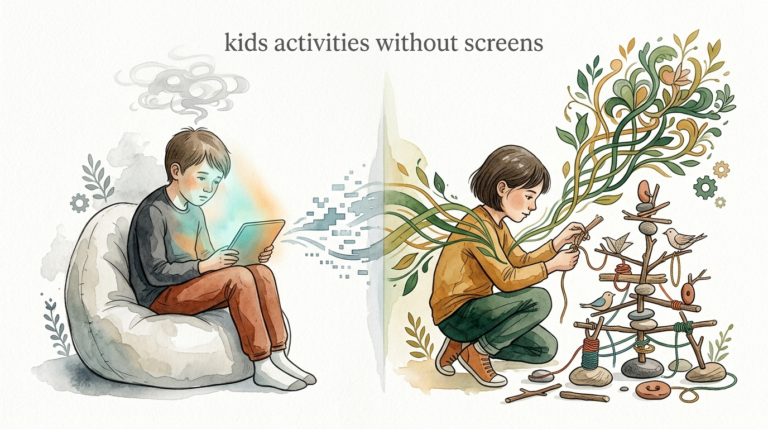
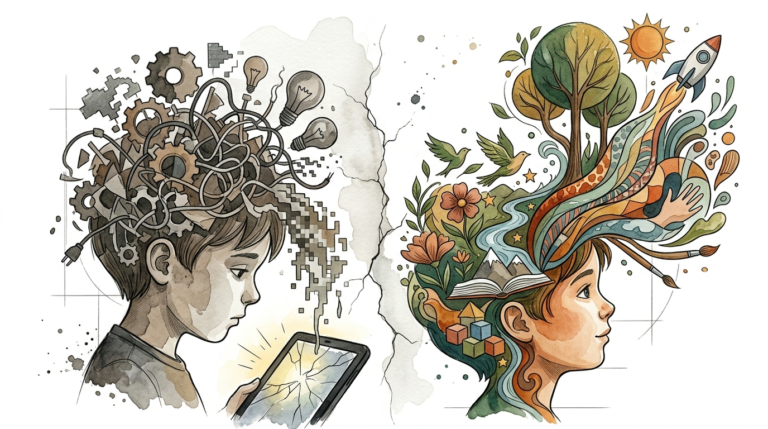
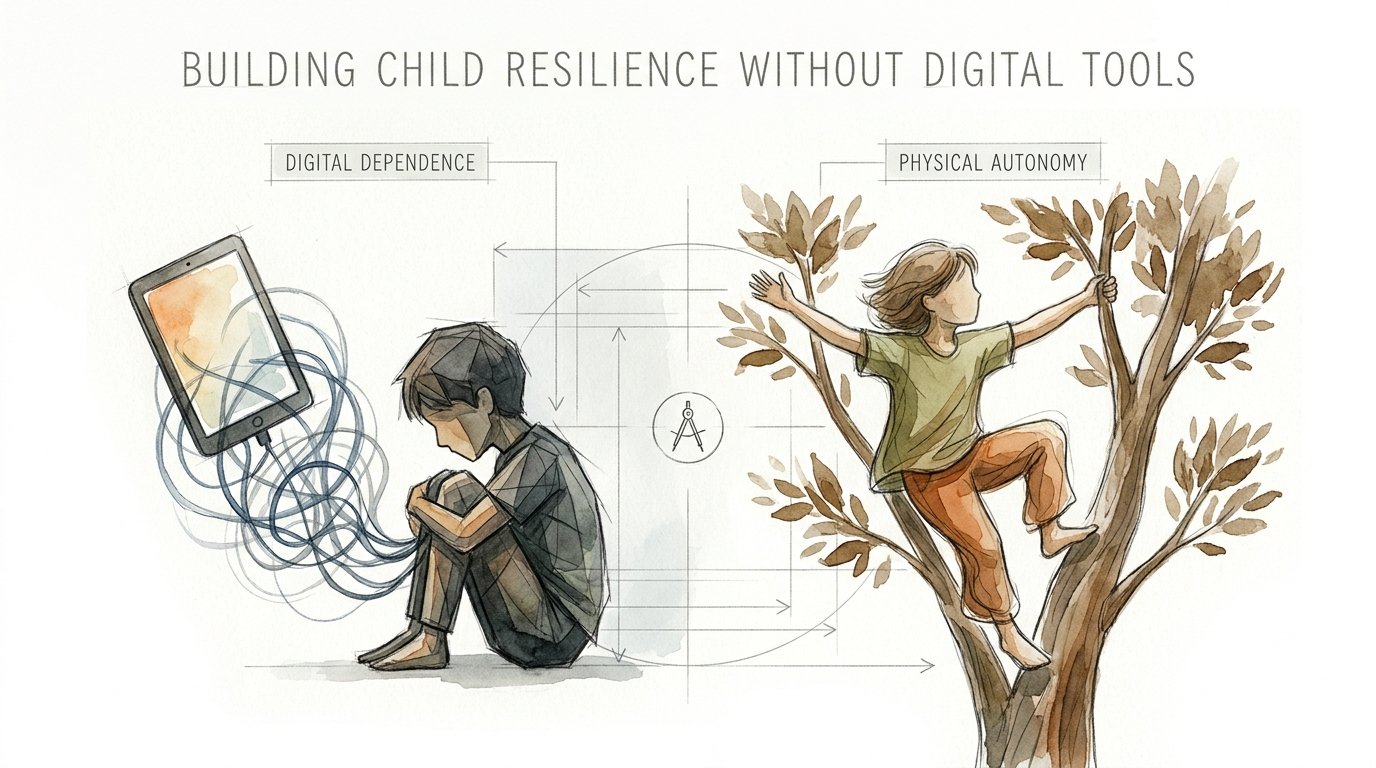
When the battery dies, does your child’s ability to be happy die with it? We use screens to make children ‘fragile’—dependent on a constant stream of external input for regulation. But real resilience is built in the silence, the boredom, and the dirt. One child needs a Wi-Fi signal to function; the other needs nothing but their own imagination and a rainy afternoon.
Modern parenting has accidentally created a “glass child” syndrome. We have traded the grit of the physical world for the convenience of the digital one. This exchange feels harmless in the moment, but it slowly erodes the child’s internal architecture for coping with stress, boredom, and failure.
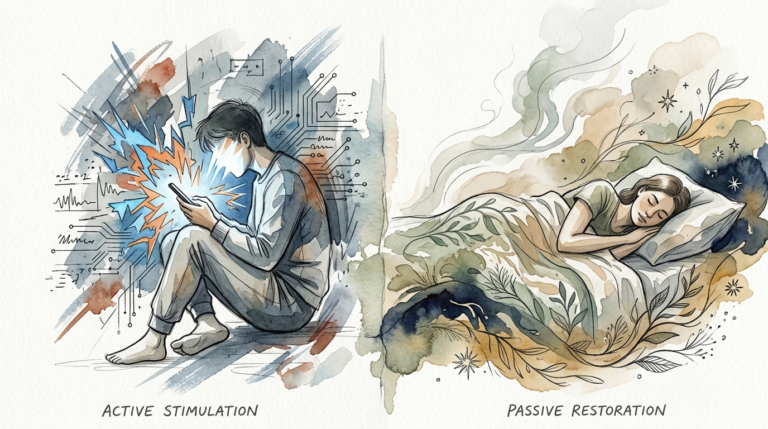
Screens provide a bypass for emotional labor. When a child is upset, a tablet offers instant distraction. When a child is bored, a game offers instant dopamine. This immediate gratification prevents the brain from developing its own self-soothing mechanisms.
True resilience is not a trait kids are born with. It is a muscle that must be stressed to grow. Building this muscle requires us to step back and allow for the very things we often try to prevent: discomfort, uncertainty, and physical challenge.
Building Child Resilience Without Digital Tools
Resilience is the ability to adapt well in the face of adversity, trauma, or significant stress. In a digital context, this often means the difference between a child who can handle a “no” without a meltdown and one who requires a digital pacifier to remain calm. Physical autonomy is the antidote to digital dependence.
Physical autonomy means a child has the agency and the skills to navigate their environment independently. This includes managing their own body in space, assessing risks on a playground, and occupying their own mind without a glowing rectangle. Research shows that children who engage in unstructured, self-directed play develop stronger executive functioning skills, including planning and problem-solving.
The digital world is a curated, low-friction environment. It rarely demands persistence because a new video or game is always one swipe away. The physical world is high-friction. Gravity, weather, and other children do not provide an “easy mode.” This friction is exactly what builds the “grit” required for adult life.
Dirt and silence are essential tools here. Dirt represents the sensory, messy reality of the world that requires physical adaptation. Silence represents the space where a child must finally face their own thoughts. These are the crucibles of character.
How to Build Resilience Step-by-Step
Transitioning from a digital-first household to one that prioritizes resilience requires a systematic shift in how we view downtime and danger. It is not about a total ban on technology, but about restoring the balance of power to the child’s internal world.
1. Reclaim the Boredom Threshold
Boredom is the “reset” button for the brain. When a child is bored, their brain activates the Default Mode Network (DMN), which is responsible for imagination and creative problem-solving. Constant digital input keeps the DMN suppressed.
Allow the “I’m bored” complaint to exist without fixing it. Responding with “That’s a great opportunity for your brain to find something to do” sends the message that entertainment is their responsibility, not yours. This shift builds cognitive flexibility.
2. Introduce Risky Play
Risky play involves thrilling and exciting activities that provide a chance of minor injury but build immense confidence. This includes climbing trees, using real tools, or exploring a neighborhood without constant supervision. Dr. Mariana Brussoni notes that “as safe as necessary” is a better standard than “as safe as possible.”
Start with small physical challenges. Let them climb higher than you are comfortable with while you stand back. This teaches them to trust their own risk-assessment abilities rather than looking to an adult for permission to move.
3. Use “Loose Parts” Instead of Toys
Structure kills imagination. A toy that only does one thing (like a digital game or a specific action figure) has a limited “play value.” Loose parts—sticks, boxes, stones, or tires—have infinite possibilities. They force the child to create their own rules and narratives.
Creating a “Yes Space” filled with these materials allows for deep immersion. When a child builds a fort out of old blankets and sticks, they are practicing engineering, persistence, and spatial awareness without even knowing it.
4. Practice Emotional Labeling
Resilience requires emotional literacy. Instead of using a screen to distract a child from a tantrum, sit with them through the “big feelings.” Use clear language to label what they are experiencing: “You feel frustrated because the tower fell over.”
Naming the emotion moves the activity from the impulsive amygdala to the rational prefrontal cortex. This simple act of identification is the first step in self-regulation. It teaches the child that feelings are manageable data points rather than overwhelming emergencies.
Benefits of Physical Autonomy
The advantages of building resilience through physical autonomy extend far beyond just “toughness.” It fundamentally changes how a child’s brain is wired to handle the world.
- Stronger Executive Function: Children who manage their own play learn to plan, initiate, and adjust their behavior toward a goal.
- Reduced Anxiety: Exposure to manageable risks reduces the fear of the unknown. When a child learns they can survive a scraped knee, they stop fearing the fall.
- Improved Social Competence: Unstructured play with peers requires negotiation, empathy, and conflict resolution. These skills are often bypassed in digital environments where you can simply “quit” a lobby.
- Sensory Integration: Real-world play stimulates the vestibular and proprioceptive systems, which are critical for physical coordination and focus.
Physical autonomy also creates a sense of “Internal Locus of Control.” This is the belief that your actions have a direct impact on your outcomes. Children with a high internal locus of control are significantly more likely to persist through academic and social challenges later in life.
Challenges and Common Mistakes
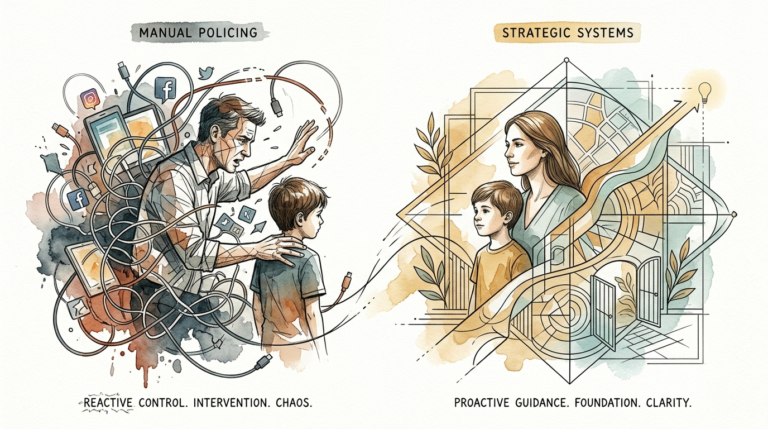
The path to resilience is often harder for the parent than the child. We have been conditioned to believe that “good” parenting means the total elimination of discomfort. This is the “Lawnmower Parent” trap—mowing down every obstacle before the child reaches it.
One common mistake is confusing “risky” with “dangerous.” Danger is a hazard the child cannot see or manage (like a busy road). Risk is a challenge the child can evaluate and choose to engage with (like a high climbing wall). Removing risk also removes the opportunity for the child to learn risk management.
Another pitfall is the “Fixer” reflex. When a child encounters a problem, parents often jump in with a solution before the child has even felt the frustration of the struggle. This robs the child of the “I did it!” moment that builds self-efficacy.
Social pressure is also a significant hurdle. Other parents may judge you for letting your child climb a tree or walk to the park alone. Remembering that you are playing the “long game” of character development helps in these moments. Resilience isn’t built in a day, but it can be destroyed by one well-meaning, overly protective afternoon.
Limitations and Constraints
Building resilience is a universal goal, but the methods must be adapted to individual circumstances. Environmental limitations, such as living in a high-traffic urban area or lacking access to green space, require creative workarounds. In these cases, “physical autonomy” might look like navigating public transit or visiting a community garden.
Individual differences also play a role. A child with neurodivergent traits or sensory processing disorders may find the “dirt and silence” approach overwhelming rather than therapeutic. For these children, resilience must be built in smaller, more controlled increments. Technology can sometimes serve as a vital assistive tool for communication and regulation in these specific cases.
Immediate trauma or severe crisis is another limitation. Resilience building through independence is for “chronic” life management. In “acute” moments of trauma, a child needs co-regulation and direct support from a caregiver. Pushing for autonomy during a true emergency can lead to further destabilization.
Digital Dependence vs. Physical Autonomy
Understanding the fundamental differences between these two states is key to making better parenting decisions. The following table illustrates how each approach impacts long-term development.
| Factor | Digital Dependence | Physical Autonomy |
|---|---|---|
| Regulation | External (Apps, algorithms) | Internal (Self-soothing) |
| Creativity | Reactive (Choosing options) | Generative (Creating options) |
| Grit | Low (Immediate feedback loops) | High (High-friction environment) |
| Risk Assessment | Artificial (No real-world consequence) | Realistic (Biological feedback) |
Practical Tips for Daily Life
Small changes in the daily routine can yield massive results in a child’s resilience. These practices are designed to be integrated into any lifestyle without requiring expensive equipment or specialized training.
- The 5-Minute Pause: When your child encounters a struggle (like putting on shoes or solving a puzzle), wait five full minutes before intervening. You will be surprised how often they solve it on their own.
- Nature Immersion: Spend time in “wild” spaces where the ground is uneven and the play is unscripted. Forests and beaches provide natural sensory stimulation that a playground cannot match.
- Chores as Resilience: Give children real responsibilities with real consequences. If they don’t help with the laundry, they don’t have clean socks. This builds the understanding that their effort is required for the family to function.
- Model Resilience: When you make a mistake, narrate your own coping process. “I’m frustrated that I burned the dinner, but I’m going to take a deep breath and we will make sandwiches instead.”
Encouraging “weather-proof” play is another powerful tactic. Letting kids play in the rain or snow (with proper gear) teaches them that their happiness is not dependent on perfect external conditions. It builds a mindset of adaptability.
Advanced Considerations: The Neurobiology of Grit
From a neurological perspective, resilience is tied to the health of the prefrontal cortex and its ability to modulate the amygdala. High-stimulation digital environments create a dopamine “baseline” that is unnaturally high. When this stimulation is removed, the child experiences a physiological “crash” that presents as a tantrum.
Physical play and boredom help “reset” this dopamine baseline. This makes everyday life more rewarding and reduces the constant need for “more” stimulation. Additionally, risky play stimulates myelination in the brain—the coating of nerve fibers that allows for faster and more efficient neural transmission.
The “Perception-Action Loop” is also critical here. This is the process where a child perceives an opportunity for action (like a rock to jump off), performs the action, and then evaluates the result. Each successful loop strengthens the child’s belief in their own competence. This biological feedback loop is much more powerful for building self-esteem than any amount of verbal praise.
Scenarios in Practice
The Rainy Saturday Challenge
In a digitally dependent household, a rainy day is met with a movie marathon or hours of video games. In a resilience-focused household, the tablet stays in the drawer. The child may whine for the first hour. This is the “Boredom Crisis.”
Once they realize the screen isn’t coming, the brain begins to search for alternatives. By hour two, they have built a “post office” out of shoe boxes or are conducting experiments with rain puddles on the porch. The result is a child who has successfully navigated their own boredom and created something original.
The Playground Dilemma
A child reaches a high bridge on a playground and freezes with fear. A “Lawnmower Parent” might rush in and lift them down, reinforcing the idea that they are incapable and the world is too scary. A resilience-building parent stays close but doesn’t touch.
The parent might say, “You’re high up and feeling scared. Look at your feet—where is a safe place to put your next step?” By guiding the child’s attention rather than their body, the parent allows the child to navigate their own way down. The child finishes the activity with a sense of triumph rather than a sense of rescue.
Final Thoughts
Building child resilience without digital tools is an act of rebellion against a culture of convenience. It requires us to trade the immediate peace of a screen for the long-term strength of a self-sufficient human being. This process isn’t always pretty; it involves more dirt, more noise, and certainly more patience.
The reward is a child who is not “fragile.” They are a child who can sit in a doctor’s waiting room without a device, who can handle a losing score in a game, and who knows exactly how to climb a tree. They have developed an internal engine that runs on curiosity and grit rather than a Wi-Fi signal.
Start small today. Put the phone away, step back from the “fix,” and let the boredom begin. The silence that follows isn’t a problem to be solved—it’s the sound of a resilient mind growing.
Sources
1 nuffieldfoundation.org | 2 apa.org | 3 heysigmund.com | 4 montessoriacademy.com.au | 5 thegeniusofplay.org | 6 buildingbrains.ca | 7 psypost.org | 8 bu.edu | 9 substack.com | 10 thepathway2success.com | 11 kidsmentalhealthfoundation.org | 12 nih.gov | 13 byu.edu | 14 nih.gov | 15 nih.gov | 16 harvard.edu | 17 phillywaldorf.com | 18 worldkidsschool.com | 19 ed.gov