rainy day activities for kids screen free
Beat the Rain: 10 Screen-Free Ways to Ignite Your Child’s Imagination
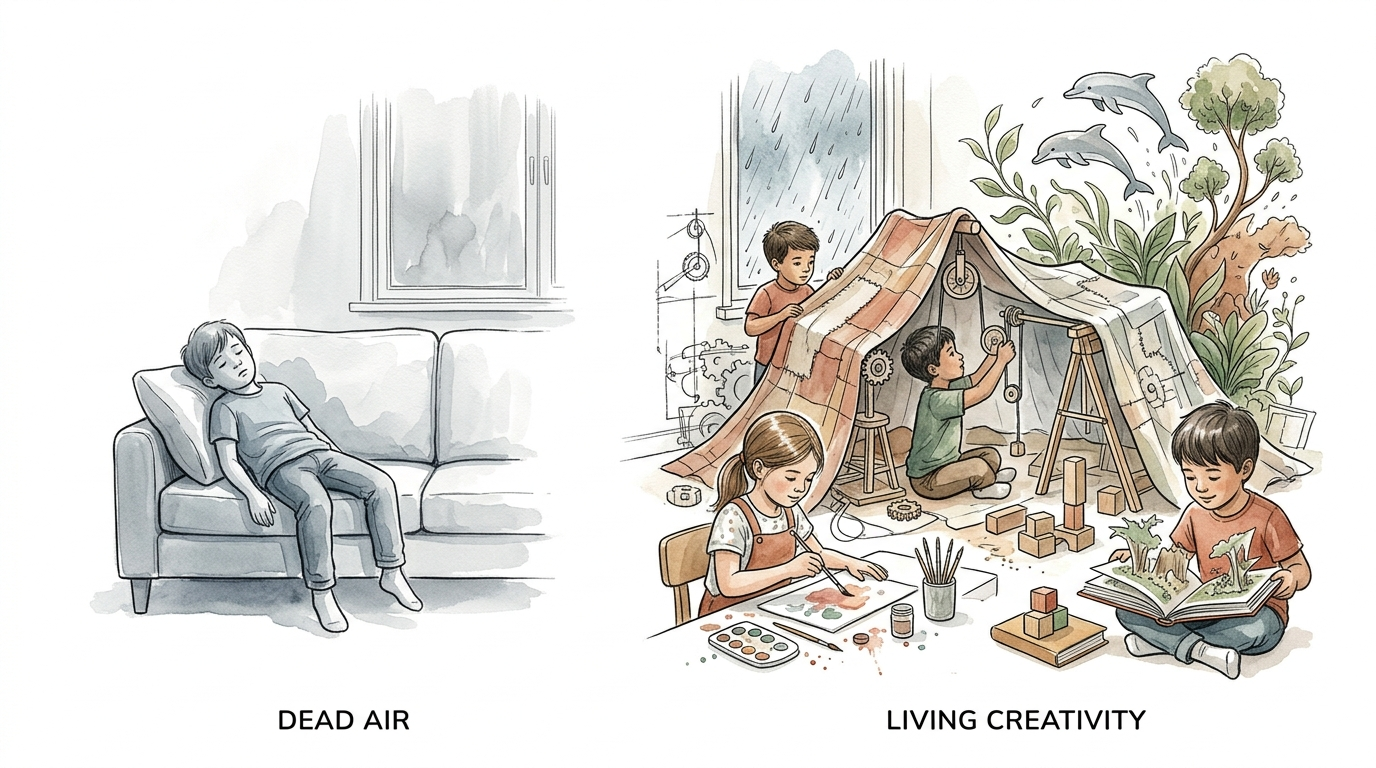
Don’t let a gray day turn into a screen day. Bring the house to life with imagination. When the rain keeps them inside, the ‘easy’ button is the TV. The ‘better’ button is a living room fort. Here are 10 screen-free ways to beat the rain.
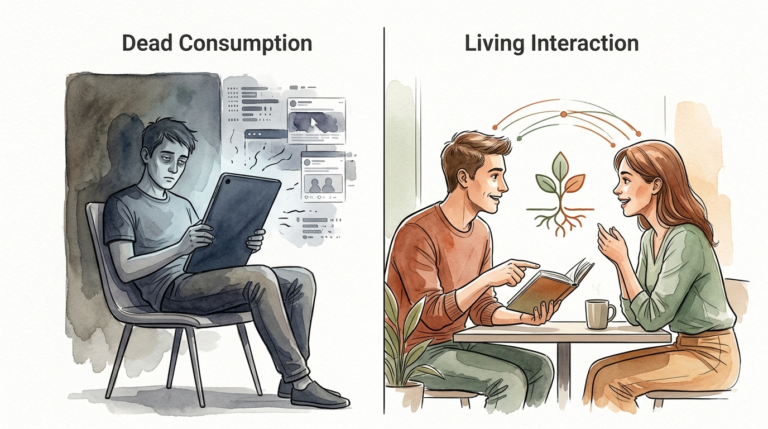
The sound of raindrops on the roof usually signals one thing: a surge in living room energy. For many parents, the default response is to reach for the remote. It is a quick fix for the “I’m bored” chorus that starts the moment the backyard becomes a swamp. But that digital “easy button” often leads to what we call “Dead Air”—a state where children are physically still but mentally passive, missing out on the vital sparks of active discovery.
Choosing screen-free alternatives isn’t just about avoiding blue light. It is about reclaiming the home as a laboratory for creativity. It is about turning a cramped hallway into a laser maze and a kitchen table into a scientist’s workbench. In this guide, we will explore how to transform a gloomy afternoon into a developmental powerhouse.
rainy day activities for kids screen free
When we talk about rainy day activities for kids screen free, we are describing a deliberate shift from passive consumption to active engagement. These activities are designed to stimulate a child’s “Default Mode Network” (DMN)—the part of the brain that ignites during daydreaming and unstructured play. Unlike the constant stream of high-dopamine rewards found in video games, screen-free play requires a child to be the architect of their own entertainment.
This concept exists because children possess a natural, boundless energy that needs a constructive outlet. In a real-world situation, a child who is “bored” on a rainy day is actually at a creative crossroads. They can either be fed entertainment through a glass rectangle, or they can use that internal tension to invent a new game. Boredom is not a problem to be solved; it is the catalyst for genius.
Think of it like this: a screen is a pre-packaged meal, while screen-free play is a kitchen full of raw ingredients. One is convenient, but the other teaches you how to cook. By removing the digital distraction, you allow your child to practice self-regulation, executive function, and motor planning. These aren’t just buzzwords; they are the fundamental building blocks of a resilient, creative adult.
How to Set the Stage for Unplugged Success
The secret to a successful screen-free day isn’t just a list of ideas; it is the environment you create. You cannot expect a child to pivot from Minecraft to a cardboard box without a little “onboarding.” Success starts with a transition period where you help them find their footing in a non-digital world.
Start by creating a “Rainy Day Kit.” This is a dedicated bin or closet shelf filled with “open-ended” materials—things that don’t have a single “correct” use. Think painter’s tape, old bedsheets, clothespins, magnifying glasses, and recycled cardboard. When the rain starts, pull the bin into the center of the room. This physical cue signals that the rules of the house have shifted from “standard mode” to “creation mode.”
Don’t be afraid of the initial “boredom gap.” When you first say no to the tablet, there will likely be 15 to 20 minutes of whining. This is normal. It is the brain resetting its dopamine baseline. Stay firm, offer the “raw ingredients,” and then step back. Your role is that of a facilitator, not an entertainer. Provide the tape, but let them figure out how to stick the sheet to the wall.
The Psychological Benefits of Living Creativity
The practical, measurable benefits of screen-free play are extensive. While a screen provides immediate gratification, active play provides proprioceptive and vestibular input—senses that help a child understand where their body is in space and how to stay balanced. This is why kids “climb the walls” when they are stuck inside; their bodies are literally craving movement to regulate their nervous systems.
Beyond the physical, screen-free activities foster deep social-emotional learning. When siblings work together to build a fort, they are practicing negotiation, conflict resolution, and collaborative problem-solving. They have to decide who gets the “kitchen” area and how to keep the “roof” from collapsing. These micro-interactions are the training ground for real-world teamwork.
Furthermore, research shows that unstructured play activates the brain’s “inner monologue.” Without a narrator or a soundtrack telling them what to feel, children begin to narrate their own stories. This boosts vocabulary and narrative skills, as they have to describe their imaginary worlds out loud to involve others. They aren’t just playing; they are practicing the art of communication.
Common Pitfalls and How to Avoid Them
The biggest mistake parents make is “over-structuring” the fun. We often feel the need to provide a 10-point plan for every hour of the day. This ironically replicates the “passive” nature of screens, where the child is just following instructions rather than leading the play. If you do all the thinking, they don’t have to.
Another common pitfall is “Mess Anxiety.” It is hard to watch your living room be dismantled by couch-cushion architects. However, if you are constantly hovering and worrying about the pillows, you stifle the creative flow. To avoid this, define a “Zone of Chaos”—a specific room where anything (within safety limits) goes. Knowing that the mess is contained makes it easier for you to relax and for them to play.
Finally, avoid the “Wait and See” trap. If you wait until the kids are already in a full-blown meltdown to suggest an activity, it’s often too late. Proactive engagement is key. Introduce the first activity right after breakfast, before the lure of the TV becomes the focus of the morning struggle.
Realistic Limitations: When to Adjust Your Strategy
While screen-free play is the goal, it is important to acknowledge environmental constraints. If you live in a small apartment, a “Ninja Warrior” course might not be feasible without breaking a lamp. In these cases, focus on “micro-creativity”—activities like detailed drawing, complex LEGO builds, or tabletop “mini-cities” that require less square footage but high mental engagement.
Age differences also present a challenge. A teenager will not be satisfied with a sensory bin of dried rice, and a toddler cannot handle a complex 1,000-piece puzzle. You must scale the complexity. For multi-age households, the best activities are those with “layers”—like a cardboard box city where the toddler “colors” the walls while the older child “engineers” the drawbridge and lighting systems.
Energy levels fluctuate, too. Some days, your kids might have the “zoomies,” requiring heavy physical work like an indoor obstacle course. Other days, they might need “low-arousal” play like reading in a blanket fort or listening to an audiobook. Recognizing which “mode” your child is in will save you from trying to force a high-energy activity on a tired kid.
Dead Air vs. Living Creativity: The Impact of Choice
When comparing the two states of indoor existence, the differences are measurable across cost, required skill, and long-term payoff. While screens are “efficient” at keeping the peace in the short term, they often result in more irritability once they are turned off.
| Factor | Dead Air (Screens) | Living Creativity (Active Play) |
|---|---|---|
| Cost | High (Devices/Subscriptions) | Low (Household Items/Recyclables) |
| Skill Level Required | Low (Passive Consumption) | High (Problem-Solving/Construction) |
| Energy Level | Sedentary/Passive | Active/Self-Regulating |
| Social Interaction | Isolation/Parallel Play | Collaborative/Interactive |
| Post-Activity Mood | Often Irritable/Overstimulated | Often Satisfied/Regulated |
10 Best Strategies for Screen-Free Rainy Days
To turn theory into practice, you need a toolkit of reliable, high-engagement activities. These 10 strategies are designed to cover the full spectrum of developmental needs, from gross motor skills to scientific inquiry. Use these as a starting point and let your children’s interests lead the way.
- The Engineering Fort: Don’t just drape a sheet over a chair. Challenge them to build a multi-room “mansion” using clothespins, binder clips, and every pillow in the house. This teaches basic structural engineering and spatial reasoning.
- The Living Room Ninja Course: Use painter’s tape on the floor for “balance beams,” couch cushions for “lava jumps,” and chairs to crawl under. It burns incredible amounts of physical energy and improves motor planning.
- Kitchen Chemistry: Conduct a “Cloud in a Jar” experiment using hot water, ice, and hairspray. It turns the rain outside into a tangible science lesson they can see and touch.
- Indoor Scavenger Hunt: Create a list of “riddle” clues. Instead of saying “Find a spoon,” say “I have a handle but no hands, and I help you eat soup.” It builds logic and critical thinking.
- The Cardboard Metropolis: Save those delivery boxes. Give the kids markers, duct tape, and safety scissors to build a city for their toys. This “upcycling” play can last for days.
- Shadow Puppet Theater: Hang a white sheet in a doorway, place a lamp behind it, and let the storytelling begin. It encourages oral language skills and creative writing.
- Sensory Deep-Dive: Fill a large plastic bin with dry rice or beans. Hide small toys inside and give them scoops. This is a “low-arousal” activity that is incredibly calming for overstimulated children.
- The Laser Maze: Tape red yarn across a hallway at various heights and angles. The kids must navigate the “lasers” without touching them to reach the “vault” at the end. It’s a high-stakes logic puzzle for the whole body.
- Rainy Day Bingo: Create a grid of small tasks like “Do 10 jumping jacks,” “Draw a picture of a cat,” or “Read 5 pages of a book.” It adds a layer of gamification to mundane tasks.
- Indoor Picnic & Tabletop Forts: Move lunch to the floor inside a “secret” table fort (a tablecloth draped over the dining table). The change in perspective makes a normal meal feel like an adventure.
Advanced Considerations: Scaling for S.T.E.A.M.
For parents of older children or those who want to push the educational value further, you can turn these activities into S.T.E.A.M. (Science, Technology, Engineering, Art, and Math) projects. Instead of a simple fort, challenge them to calculate the “square footage” of their pillow castle or test which clip holds the most weight before the sheet slips.
Think about optimization techniques for your indoor space. For example, use tension rods in hallways to create sturdy foundations for more complex structures without damaging walls. Introduce a stopwatch to the obstacle course to turn it into a data-tracking experiment—how does their time improve after three attempts? This introduces concepts of physics, momentum, and iterative testing.
For more advanced practitioners of the “screen-free life,” consider the performance improvements of the environment itself. Can you swap out static toys for “loose parts” (like wooden planks or PVC pipes)? These allow for more complex architectural builds that keep older kids engaged for hours, bridging the gap between simple play and early engineering.
The Rainy Day Transformation: A Real-World Scenario
Imagine it is Saturday morning at 9:00 AM. The sky is dark, the rain is pouring, and the kids are already asking for the tablet. Instead of the usual negotiation, you pull out the “Rainy Day Bin.” You hand your 8-year-old a roll of painter’s tape and your 5-year-old a stack of old magazines.
By 10:30 AM, the hallway is a “Laser Maze” (the tape). The 8-year-old is timing himself trying to crawl through without “triggering the alarm.” The 5-year-old has turned a cereal box into a “camera” and is taking pictures of the “spy mission.” The living room is quiet, not because they are zoning out, but because they are in a state of deep play.
By lunch, they have transitioned into “The Fortress” (the dining table fort). They are eating their sandwiches with flashlights, discussing how they will defend the fort from “invisible rain monsters.” There hasn’t been a single fight over a charger or a “turn” on a game. The house is a mess, but it is a “living mess”—one filled with the residue of active minds at work.
Final Thoughts
Transitioning to rainy day activities for kids screen free is a commitment to the long game. It requires more effort from you in the first 20 minutes, but it pays dividends in the hours that follow. By replacing “Dead Air” with “Living Creativity,” you aren’t just passing the time; you are building your child’s cognitive and emotional resilience.
Remember that the mess is temporary, but the memories of the “Epic Couch Castle” or the “Great Hallway Laser Escape” will last far longer than the level they reached in a video game. These moments of unstructured play are where your child discovers who they are and what they are capable of creating from thin air.
Next time the clouds roll in, resist the urge to hit the “easy button.” Lean into the boredom. Provide the ingredients. Step back and watch as your living room transforms into a world where the only limit is the size of their imagination. You’ll find that when the screens go off, the house truly comes to life.
Sources
1 today.com | 2 plusplususa.com | 3 plusplususa.com | 4 naturespath.com | 5 buildingbrains.ca | 6 nodi.kids | 7 tumblendots.com | 8 thechildunplugged.com | 9 weirdunsocializedhomeschoolers.com | 10 pickenscountyfirststeps.org | 11 substack.com | 12 littletreasures.com.sg | 13 littletreasures.com.sg | 14 littlethings.com | 15 youtube.com | 16 tonies.com | 17 todaysparent.com | 18 momkidhub.com | 19 cps.ca | 20 girlsontherun.org | 21 girlsontherun.org