
summer bucket list phone
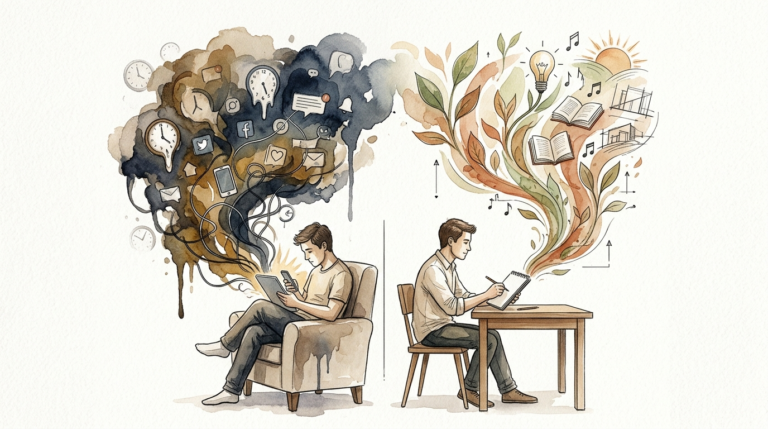
Don’t just capture an image—capture the essence of the moment. A photo takes a second; a sketch takes an hour of observation. Which one do you think you’ll actually remember ten years from now? Try the precision bucket list.
Most of us spend our summer days chasing the perfect “grid” photo. We see a sunset, snap a quick shot, and immediately start thinking about the caption. In that rush to document, we often forget to actually live the experience. This year, there is a better way to use the device in your pocket.
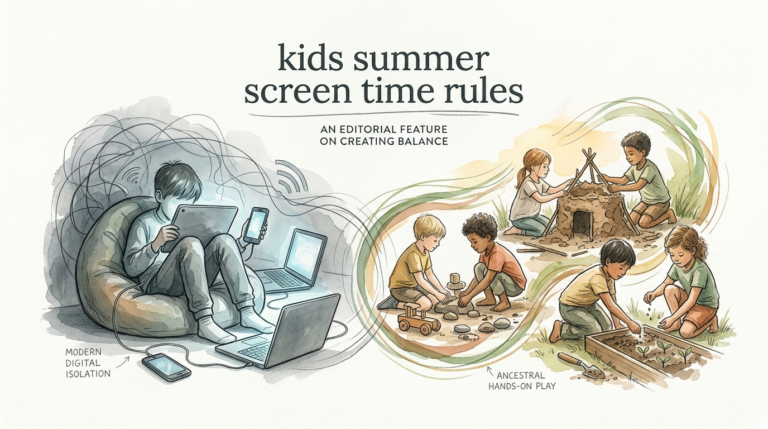
The concept of a precision bucket list is simple: move away from the “snap and scroll” culture. Instead of a gallery full of blurry, forgotten photos, you create a collection of deep, meaningful observations. Your phone doesn’t have to be a source of distraction; it can be the ultimate tool for presence.
In this guide, we will explore how to transform your summer using the digital tools you already own. You will learn to see the world with more clarity and build memories that last far longer than a social media trend. Let’s dive into the world of intentional, tech-assisted summer living.
summer bucket list phone
The term summer bucket list phone refers to a growing trend of using mobile devices as intentional creative journals. Rather than using a phone to escape the present moment, practitioners use it to dive deeper into their surroundings. It is a system for planning, executing, and documenting summer experiences with a focus on high-fidelity memory retention.
At its core, this approach is about “Digital Intentionality.” You aren’t just making a list of places to go. You are creating a roadmap for how you will observe those places. A standard bucket list might say “Go to the beach.” A summer bucket list phone approach says “Sketch the specific gradient of the ocean at 6:00 PM using my drawing app.”
This method exists because our digital habits have become reflexive. We pull out our phones when we are bored or when we see something beautiful, but we rarely use them to engage with that beauty. By setting up a precision bucket list on your phone, you create a structure that forces you to slow down. It turns your device into a digital canvas and a high-precision observational tool.
Real-world examples of this include using specialized sketching apps to document local flora or using macro lens attachments on your phone to capture the intricate details of summer insects. It is the bridge between the convenience of modern technology and the slow, deliberate pace of traditional nature journaling.
How to Start Your Precision Bucket List
Transitioning from a casual scroller to an intentional observer requires a shift in how you organize your digital space. The process starts with your list-making system and ends with your creative output. Here is how to build your system from the ground up.
First, choose a dedicated space for your list. While the default Notes app works, many people prefer apps like Microsoft To Do or aesthetic journaling apps that allow for image attachments and color coding. Your list should be “High Energy”—use punchy descriptions that make you excited to get outside. Instead of “Hike,” try “The Hidden Waterfall Trek: Finding the Perfect Moss Texture.”
Next, apply the “One-Hour Observation Rule.” For every major item on your summer bucket list phone, commit to spending at least sixty minutes without checking your notifications. During this time, your only goal is to study your subject. If you are at a park, look at the way the light filters through a specific oak tree. If you are at a cafe, notice the specific hum of the machines and the patterns of the floor tiles.
Finally, choose your documentation medium. You don’t need to be a professional artist to try a Precision Nature Sketch. Modern smartphones offer incredible pressure sensitivity and stylus support. Using an app like Procreate Pocket or Adobe Fresco, you can “sketch” using photos as a base or start from a blank canvas. The goal isn’t a masterpiece; it’s the act of looking that encodes the memory in your brain.
- Step 1: Define 10-15 high-intensity summer goals.
- Step 2: Silence all non-essential notifications during bucket list activities.
- Step 3: Use your phone as a magnifying glass or a canvas, not just a camera.
- Step 4: Dedicate specific time to “Post-Processing” your thoughts, not just your images.
The Measurable Benefits of Precision Observation
Why choose a slow, precision-based approach over the instant gratification of a standard photo? The benefits are backed by cognitive science and psychological research. When you engage multiple senses and motor skills, your brain creates a more robust “memory trace.”
Research from the University of Waterloo has shown that drawing is one of the most effective ways to boost memory retention. Even if you aren’t a “good” artist, the process of translating a 3D object into a 2D sketch forces your brain to process visual, spatial, and motor information simultaneously. This is often called the “Drawing Effect.”
Beyond memory, this approach significantly reduces stress. The “Standard Feed Photo” creates a loop of external validation—you take the photo for others to see. The “Precision Nature Sketch” is an internal process. It grounds you in the “Soft Fascination” of nature, which has been shown to restore mental energy and focus. You feel more refreshed after an hour of sketching than an hour of scrolling.
Finally, you end the summer with a curated digital (or physical) archive that tells a real story. Instead of 4,000 identical sunset photos, you have twelve detailed studies of different summer evenings. These are the things that will actually spark joy when you look back at them a decade from now.
Common Challenges and Pitfalls to Avoid
The biggest obstacle to a successful summer bucket list phone experience is the device itself. Smartphones are designed to grab our attention and keep it. Without a plan, you will find yourself checking your email while you are supposed to be “observing” a mountain range.
Perfectionism is another common trap. Many people start a precision bucket list with the intention of creating beautiful art, but they give up when their first digital sketch looks messy. It is vital to remember that the sketch is a tool for seeing, not the final product. If your drawing is “ugly” but you can remember the exact shade of the flower you were looking at, you have succeeded.
Another mistake is “Gear-Lust.” You don’t need the latest flagship phone or a $100 stylus to participate. Most modern smartphones have enough processing power to run basic sketching apps. Start with what you have. The most important “gear” is your own curiosity and your willingness to sit still for an hour.
Lastly, avoid the “Social Media Validation” trap. If your first instinct after completing a sketch or a detailed observation is to post it for likes, you might be slipping back into old habits. Try keeping your precision bucket list private for at least the first month. Build the habit for yourself before you share it with the world.
Limitations and Realistic Constraints
While the precision bucket list approach is powerful, it isn’t always the ideal choice for every situation. There are realistic constraints you must consider to avoid frustration. Time is the most obvious boundary—you cannot “precision sketch” every single moment of your life.
Environmental factors also play a role. Using a smartphone for high-intensity creative work in direct summer sunlight can cause the device to overheat. Battery life is another concern; drawing apps and high-resolution camera use will drain your phone much faster than texting will. Always carry a portable power bank if you plan on a long day of nature sketching.
There are also times when a “Standard Feed Photo” is actually better. If you are at a fast-moving event, like a concert or a sports game, trying to do a precision sketch will cause you to miss the action. In these cases, use your phone for what it’s best at—capturing a split-second moment—and save the precision work for quieter, more stable environments.
Standard Feed Photo vs Precision Nature Sketch
Understanding the difference between these two approaches helps you decide which tool to use for a given situation. Both have their place, but they serve very different purposes in your summer experience.
| Feature | Standard Feed Photo | Precision Nature Sketch |
|---|---|---|
| Time Required | 1 – 5 Seconds | 30 – 60 Minutes |
| Primary Focus | External Validation (Social) | Internal Retention (Memory) |
| Brain Engagement | Low (Reflexive) | High (Multi-modal) |
| Outcome | Digital Clutter | Deep Connection |
| Skill Level | None Required | Beginner to Intermediate |
Practical Tips for Your Summer Bucket List Phone
To make the most of your phone this summer, you need to master a few simple techniques. These tips will help you bridge the gap between “technology as a distraction” and “technology as a tool.”
Master the “AE/AF Lock”: When taking photos that you plan to sketch later, don’t let the camera decide what’s important. Tap and hold the screen to lock the focus and exposure. This allows you to capture the “mood” of a scene (like a moody forest) without the phone automatically brightening everything and ruining the atmosphere.
Clean Your Lens Constantly: It sounds basic, but summer is the season of sunscreen, sweat, and sand. A smudge on your lens will turn your precision observation into a blurry mess. Use a microfiber cloth—or even a clean cotton shirt—to wipe the lens before every session.
Use “Guided Access” (iOS) or “App Pinning” (Android): This is a game-changer for digital sketching. It locks your phone into a single app and disables notifications and swipes. This prevents the “just one check of Instagram” urge from ruining your hour of observation.
Go Macro: Summer is the best time for macro photography. If your phone doesn’t have a dedicated macro mode, you can buy cheap clip-on lenses. Seeing a blade of grass or a beetle’s wing at 10x magnification will give you incredible details to include in your precision bucket list sketches.
Advanced Considerations for Dedicated Practitioners
If you find that the precision bucket list approach resonates with you, there are ways to take the practice even deeper. Serious practitioners often move beyond simple sketching and into “Digital Field Journaling.”
Consider integrating audio. Use your phone’s voice memo app to record the sounds of the environment while you sketch. The combination of your visual sketch and the actual sounds of the summer wind or local birds creates a “4D Memory” that is incredibly powerful for recall later on.
Think about the “Long-Term Archive.” Digital files can be lost or buried in the cloud. At the end of the summer, select your top twelve precision sketches and have them printed into a small physical book. This “Analog-to-Digital-to-Analog” loop ensures that your summer memories are physically present in your home, not just taking up space on a server.
Finally, explore “Semantic Tagging.” Don’t just save your sketches by date. Tag them with how you felt, what the temperature was, and what specific question you were trying to answer with that sketch (e.g., “How many shades of green are in this fern?”). This turns your bucket list into a scientific and emotional record of your life.
Scenario: The “Backyard Safari” Example
Let’s look at how this works in practice. Imagine a typical Saturday afternoon. Instead of scrolling through your feed, you check your summer bucket list phone and see the prompt: “The Micro-World of the Garden.”
You head outside with your phone and a small stylus. You spend ten minutes just sitting still, watching a patch of clover. You notice a honeybee. Instead of just taking a burst of 50 photos, you use your phone’s “Slow-Mo” video feature to watch how its wings move. You pause the video on a clear frame.
Then, you open your sketching app. You spend 40 minutes drawing the segments of the bee’s body and the way the pollen sticks to its legs. You aren’t worried about it looking like a photograph. You are noticing that the “black” parts of the bee actually have a deep blue sheen in the sunlight. You would have never seen that blue sheen if you had just snapped a photo and walked away. That is the power of the precision bucket list.
Final Thoughts
Your phone is the most powerful observational tool ever invented, but only if you use it with intention. The summer bucket list phone trend isn’t about adding more tasks to your schedule; it’s about adding more depth to your moments. By choosing observation over consumption, you are reclaiming your attention and your memories.
This summer, challenge yourself to be more than a spectator of your own life. Use the “Precision Nature Sketch” approach to see the world in high definition. Whether you are at a world-class beach or in your own backyard, there is a hidden world of detail waiting for you to notice it.
Start small. Choose one item on your list this weekend and commit to one hour of deep observation. You might find that the best part of your summer wasn’t the destination you visited, but the way you finally learned to see it. Explore related ideas like digital minimalism or analog sketching to further deepen your connection to the world around you.
Sources
1 mimeophotos.com | 2 mangelsen.com | 3 substack.com | 4 youtube.com | 5 madeandkept.com | 6 substack.com | 7 bcmj.org | 8 edutopia.org | 9 gelato.com | 10 claremurthy.com | 11 methodseattle.com