Physical Signs Of Screen Overuse In Children
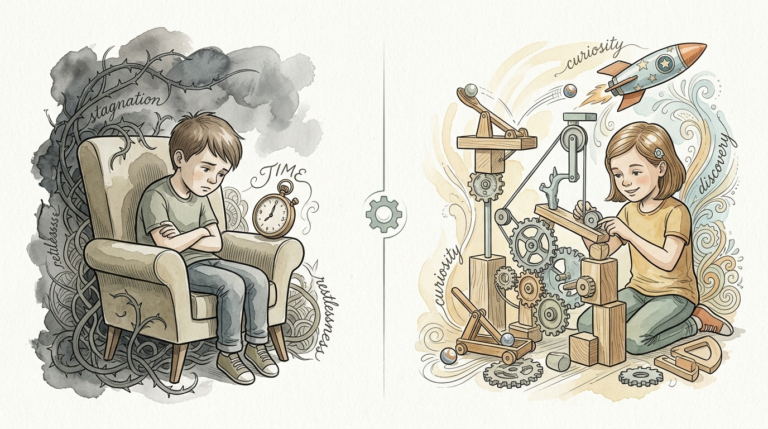
Is your child’s world shrinking to the size of their thumb’s reach? Biology requires motion to build the brain, yet the screen demands total stillness. When a child chooses a ‘gaming’ version of a sport over the actual ball sitting in the hallway, the habit has crossed the line. Their body is the engine; don’t let the screen be the cage.
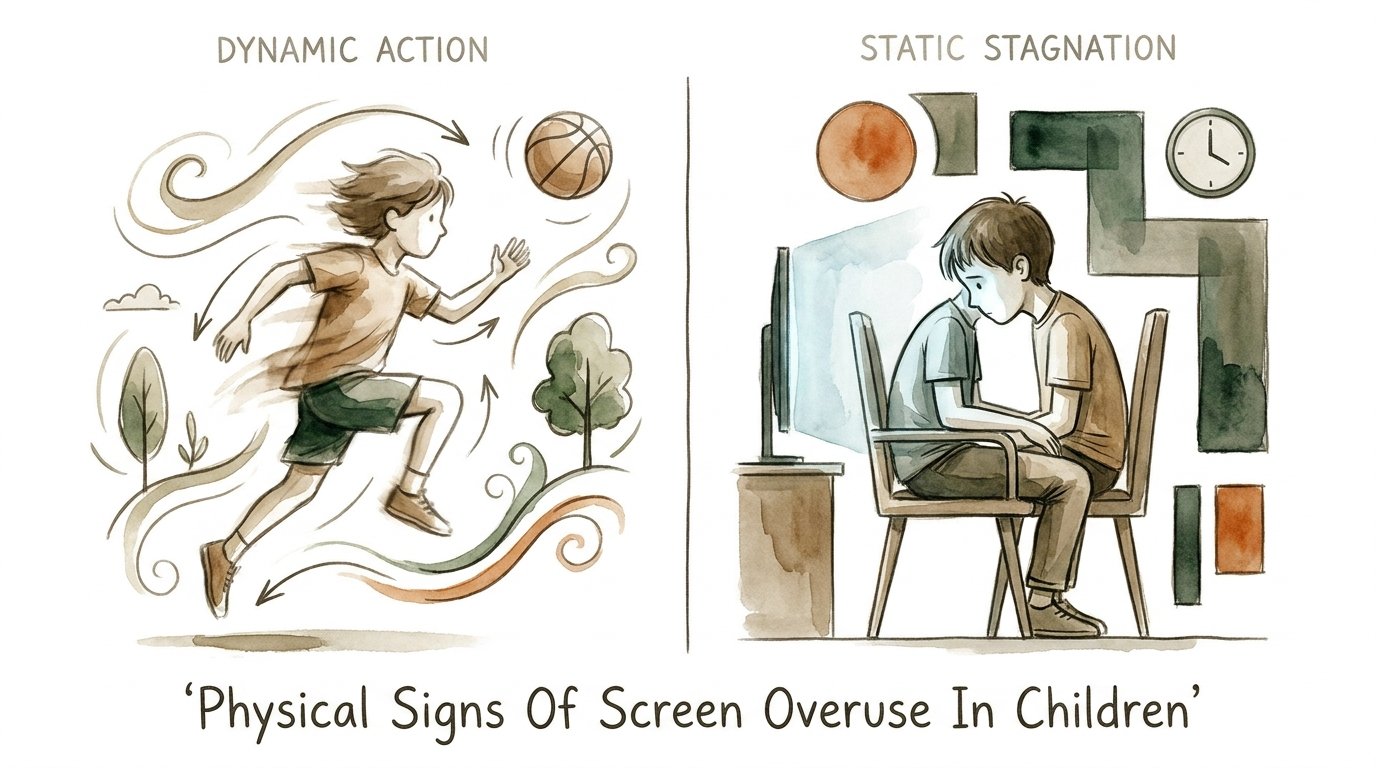
Today’s digital landscape is designed to capture attention and hold it hostage. While tablets and smartphones offer instant entertainment, they often come at a steep physical cost. Modern childhood is increasingly defined by a transition from the playground to the pixel. This shift creates a phenomenon of static stagnation that clashes with the biological need for dynamic action.
Understanding the physical impact of screens is not about fear-mongering. It is about recognizing how a sedentary lifestyle reshapes a developing body. We are seeing a rise in specific physical ailments that were once reserved for office-bound adults. From visual fatigue to structural changes in the spine, the “digital toll” is becoming more visible every day.
This guide explores the tangible, measurable ways that excessive screen use affects children. We will look at the science of the eyes, the spine, and the metabolic system. Most importantly, we will discuss how to reclaim the movement that every child needs to thrive.
Physical Signs Of Screen Overuse In Children
Physical signs of screen overuse often start as subtle changes that parents might overlook. These symptoms are collective signals that a child’s body is struggling to adapt to a high-tech, low-motion environment. Recognizing these signs early is the first step toward intervention and healthy habit formation.
Digital eye strain, also known as computer vision syndrome, is one of the most common physical manifestations. When children stare at screens, their blink rate drops significantly, leading to dry, irritated, or red eyes. You might notice your child rubbing their eyes frequently or complaining of blurred vision after a long gaming session. Headaches, particularly those centered around the forehead or temples, are another major red flag.
Postural changes are another significant physical marker of screen overuse. The term “tech neck” describes the strain placed on the cervical spine when a child constantly hunches over a tablet or phone. This repetitive stress can lead to chronic neck and shoulder pain, which can eventually impact their overall skeletal alignment.
Weight gain and changes in body composition are frequently linked to excessive screen time. Because screens promote a sedentary lifestyle, children burn fewer calories while often engaging in “mindless munching.” This combination increases the risk of obesity and related metabolic issues.
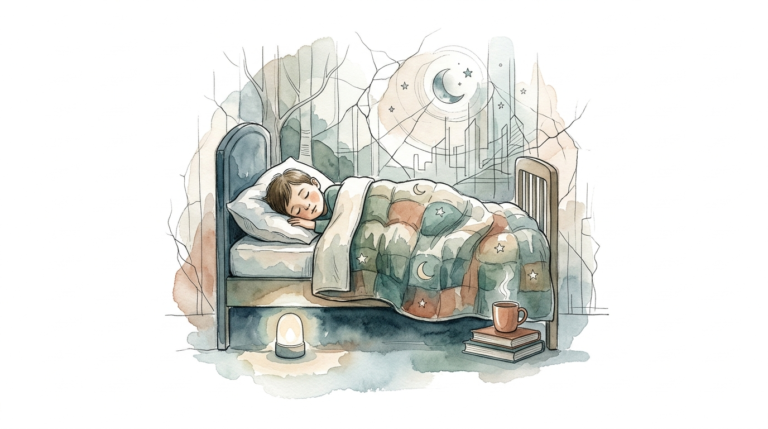
Sleep disruption is perhaps the most pervasive physical side effect. The blue light emitted by screens suppresses melatonin production, making it harder for the brain to transition into sleep mode. If your child is persistently tired, irritable, or struggling to wake up in the morning, their evening screen habits may be the primary culprit.
How the Digital Toll Affects Developing Systems
The human body is a complex network that relies on movement to function optimally. When a child remains stationary for hours, multiple biological systems begin to shift into a state of stagnation. This process is more than just “being lazy”; it is a physiological response to a restricted environment.
The visual system is under constant pressure during screen use. Unlike looking at a printed page, a digital screen is composed of pixels that constantly refresh. This requires the small muscles in the eye to work harder to maintain focus. Over time, this chronic over-exertion leads to focusing fatigue and may contribute to the early onset of myopia, or nearsightedness.
The musculoskeletal system suffers from the “static load” of sitting. Children’s bones and muscles are still growing, and they require varied movement to develop strength and flexibility. Prolonged sitting in a slouched position weakens the core muscles and tightens the chest and neck muscles. This creates a postural imbalance that can persist into adulthood.
Metabolic health is also at risk due to the lack of “dynamic action.” Research indicates that excessive screen time is associated with higher cardiometabolic risks, including elevated blood pressure and insulin resistance. A “screen-time fingerprint” can even be detected in the blood, showing changes in metabolites linked to long-term heart health.
Neurologically, the brain responds to the high-stimulation, low-effort environment of screens. The dopamine reward loop is triggered by the fast-paced nature of games and social media. This can make real-world activities seem “boring” by comparison, leading to a cycle where the child seeks more screen time to achieve the same level of satisfaction.
Benefits of Reducing Screen Exposure
Reducing screen time offers immediate and long-term benefits for a child’s physical development. When you remove the “cage” of the screen, the body naturally seeks the movement it was designed for. This transition from static to dynamic living improves almost every measure of health.
Improved sleep quality is often the first benefit parents notice. By removing screens at least an hour before bed, children can produce the melatonin necessary for deep, restorative sleep. Better sleep leads to improved mood regulation, higher energy levels during the day, and better focus at school.
Physical coordination and motor skills receive a significant boost when screens are replaced with active play. Running, jumping, and climbing develop gross motor skills, while building with blocks or drawing strengthens fine motor skills. These activities build a strong foundation for physical confidence and athletic ability.
Eye health improves as children engage in more “far-viewing” activities. Spending time outdoors has been shown to protect against the progression of nearsightedness. Sunlight and the need to focus on distant objects provide a necessary break for the eyes, reducing the symptoms of digital strain.
Healthy weight management becomes much easier when movement is a natural part of the day. Active children are more likely to have a balanced metabolism and a healthier relationship with food. Without the distraction of a screen, children are also better able to recognize their body’s internal hunger and fullness cues.
Challenges and Common Pitfalls
Managing screen time in a hyper-connected world is rarely a straightforward process. Parents often face significant hurdles when trying to implement new boundaries. Understanding these challenges can help you navigate them without falling into common traps.
The “convenience trap” is one of the most difficult challenges to overcome. Screens are incredibly effective “digital pacifiers” that can keep a child quiet and occupied during stressful times. Relying on them too heavily, however, prevents children from learning how to manage boredom or self-regulate their emotions.
Parental guilt often plays a role in the screen time struggle. Many parents feel they are “taking away” their child’s fun or social connection. It is important to remember that setting limits is an act of care, not a punishment. Your role is to provide the structure that their developing self-control cannot yet manage.
Inconsistency is a major pitfall that can undermine your efforts. If rules are enforced one day but ignored the next, children will continue to push boundaries. Success requires a clear, predictable framework that the whole family understands and follows.
Social pressure also makes it difficult to limit screens. When “everyone else” has a certain device or game, your child may feel left out. Addressing this requires open communication about your family’s values and focusing on the high-quality activities your child is gaining rather than what they are losing.
Limitations of Universal Guidelines
While general recommendations provide a helpful starting point, they do not account for every situation. Every child and every family is different, and a “one-size-fits-all” approach may not always be practical. Recognizing these limitations allows for more nuanced and effective decision-making.
School-related screen use is a significant factor that general guidelines often overlook. If your child spends several hours on a laptop for homework, their “recreational” screen time should be adjusted accordingly. The total daily load is what matters most for physical health, regardless of whether the content is educational or not.
The “quality over quantity” debate is another important consideration. Not all screen time is created equal. Passively watching mindless videos has a different impact than engaging in a creative coding project or video chatting with a distant grandparent. Context and engagement levels should influence how you view the clock.
Environmental constraints can also limit a family’s ability to prioritize outdoor play. Families living in urban areas with limited park access or in regions with extreme weather face unique challenges. In these cases, finding ways to incorporate “dynamic action” indoors becomes essential.
Children with specific developmental needs may also require a different approach. For some, screens can be vital tools for communication or learning. In these instances, the goal is not necessarily to minimize use but to maximize the physical offsets like therapeutic movement and ergonomic setups.
Dynamic Action vs. Static Stagnation
Choosing between movement and screens is often a choice between two different ways of being in the world. The following table highlights the core differences between a lifestyle focused on active play versus one dominated by digital consumption.
| Feature | Dynamic Action (Physical Play) | Static Stagnation (Screen Use) |
|---|---|---|
| Movement Level | High; involves full-body engagement. | Low; restricted to finger and thumb movement. |
| Visual Input | Varied focal lengths; 3D depth perception. | Fixed focal length; 2D flat light source. |
| Brain Impact | Builds white matter and prefrontal cortex. | Triggers dopamine-heavy reward loops. |
| Metabolic Effect | Burns calories; regulates blood sugar. | Promotes fat storage; insulin resistance risk. |
| Social Interaction | Real-time, nuanced non-verbal cues. | Filtered, text-based, or delayed cues. |
Practical Tips for a Healthier Balance
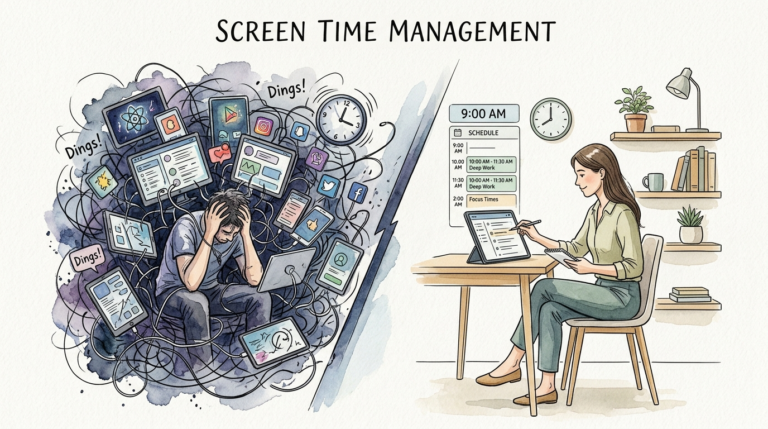
Creating a healthier digital environment does not require an “all-or-nothing” approach. Small, consistent changes can yield significant results for your child’s physical well-being. Focus on building habits that prioritize movement and protect the body’s natural rhythms.
Implement the 20-20-20 rule to protect your child’s eyes. Every 20 minutes, have them look at something 20 feet away for at least 20 seconds. This simple habit allows the focusing muscles in the eye to relax and resets their blink rate, preventing digital strain and headaches.
Designate screen-free zones and times within your home. The dining table and bedrooms should be strictly off-limits for devices. Keeping screens out of the bedroom is especially critical for ensuring a full night of restorative sleep and preventing late-night scrolling.
Encourage “active screen time” whenever possible. If your child is watching a show, challenge them to do jumping jacks or stretches during the commercials. Some video games are designed for movement; choose “exergames” that require standing, dancing, or moving over those that demand total stillness.
Prioritize outdoor time as the ultimate antidote to screen use. Aim for at least one hour of outdoor play every day, regardless of the weather. The combination of fresh air, sunlight, and the opportunity for “big” movements provides the essential physical input that screens simply cannot replicate.
Advanced Considerations for Long-Term Health
For those who want to dive deeper, it is important to understand the structural and biological changes that occur over years of screen use. Long-term health is about more than just avoiding today’s headache; it’s about protecting the child’s future potential.
Research into brain structure has shown that excessive screen use in early childhood is linked to lower integrity of white matter. This is the “cabling” of the brain that connects different regions and allows for fast communication. Underdeveloped white matter can lead to slower processing speeds and difficulties with language and literacy.
The concept of the “sedentary debt” suggests that even if a child is active for an hour a day, spending the other seven hours in front of a screen can still carry health risks. True health comes from breaking up long periods of sitting throughout the day, rather than just having one “burst” of activity.
Ergonomics play a vital role for older children and teens who use computers for school. Ensure their workstation is set up to prevent “tech neck” and back pain. The screen should be at eye level, their feet should be flat on the floor, and their chair should provide adequate lumbar support.
Finally, consider the role of modeling in your child’s behavior. Children are far more likely to follow your actions than your words. If they see you constantly on your phone, they will view it as the “normal” state of being. By prioritizing your own “dynamic action,” you set the standard for the entire household.
Examples and Scenarios
To visualize how these concepts play out in real life, consider two different weekend scenarios. These examples highlight the physical differences between a high-screen and low-screen environment.
In Scenario A, a child spends the morning on a tablet playing a soccer simulation game. They are hunched over on the couch, blinking less than five times per minute. Their heart rate remains at a resting pace, and they are snacking on processed foods while they play. By lunchtime, they feel irritable, have a slight headache, and are reluctant to move.
In Scenario B, the same child spends the morning at a local park. They are running, kicking a real soccer ball, and navigating the uneven terrain of the grass. Their heart rate is elevated, their eyes are constantly shifting focus between near and far objects, and they are interacting with peers. By lunchtime, they are physically tired but mentally alert and have a natural appetite for a healthy meal.
The difference isn’t just about the soccer; it’s about the biological load. Scenario B provides the sensory and physical input required for brain growth and metabolic health. Scenario A provides a digital approximation that leaves the body’s systems in a state of “unmet needs.”
Final Thoughts
Rebalancing your child’s world is a journey that requires patience and persistence. Screens are not the enemy, but they are powerful tools that require strict boundaries to prevent them from becoming a “cage” for a growing body. By prioritizing movement and recognizing the physical signs of overuse, you give your child the foundation they need to thrive.
The goal is to shift from a state of static stagnation to one of dynamic action. Every minute spent in motion is an investment in your child’s future health, from the strength of their spine to the clarity of their vision. Start with small changes, stay consistent, and watch as their world expands far beyond the reach of their thumb.
Encourage them to explore, to play, and to move. Their body is the engine of their development; make sure it has the fuel and the space it needs to run at its best. Experiment with new routines and find what works for your family, keeping the focus on the vibrant, active childhood every kid deserves.
Sources
1 hopkinsmedicine.org | 2 bluecrossnc.com | 3 rochester.edu | 4 lakeview-optometry.com | 5 kidsusamontessori.org | 6 ubiehealth.com | 7 medlineplus.gov | 8 capitalareapediatrics.com | 9 optometrists.org | 10 nih.gov | 11 switalskieyecare.com | 12 mayoclinichealthsystem.org | 13 northwestspecialtyhospital.com | 14 heart.org | 15 educationalplayenvironments.com | 16 thehood.ae | 17 halton.ca | 18 nhahealth.com | 19 centreforsight.net | 20 cincinnatichildrens.org