Heavy Tool Activities For Toddler Hand Strength
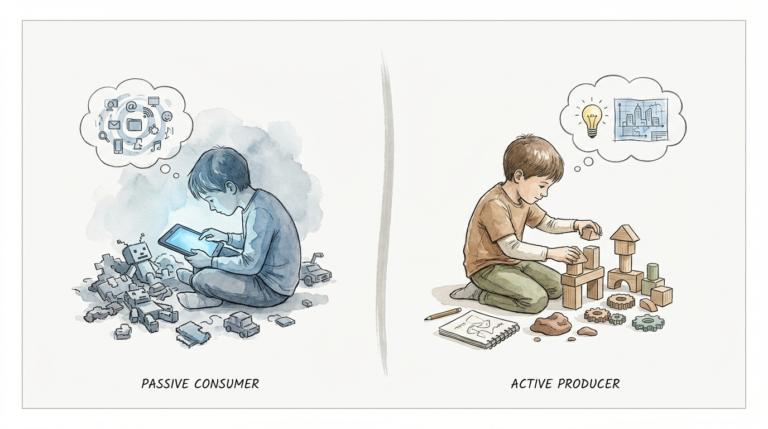
If the toy does the work, the muscles never learn the weight of reality. Battery-powered toys teach a ‘fragile’ lesson: light effort equals instant reward. But real-world resilience is built through resistance. A stone mortar and pestle requires grip strength, rotational control, and downward pressure. It’s not just ‘play’—it’s a physical apprenticeship that plastic buttons can never replicate.
Heavy Tool Activities For Toddler Hand Strength
Hand strength is the silent engine behind a child’s independence. It is the force that allows a toddler to zip their own jacket, pour their own milk, and eventually hold a pencil without fatigue. In the modern world, many children are surrounded by “hollow” interactions—swiping screens or pressing buttons that offer zero resistance. This lacks the physical feedback necessary for true motor development.
Heavy tool activities are tasks that require “heavy work” or proprioceptive input. This means the child must use their muscles and joints to push, pull, lift, or grind against a significant force. These activities aren’t just about building “bulk”; they are about teaching the brain how to calibrate force. When a child handles a heavy stone pestle, they are learning the physics of their own body.
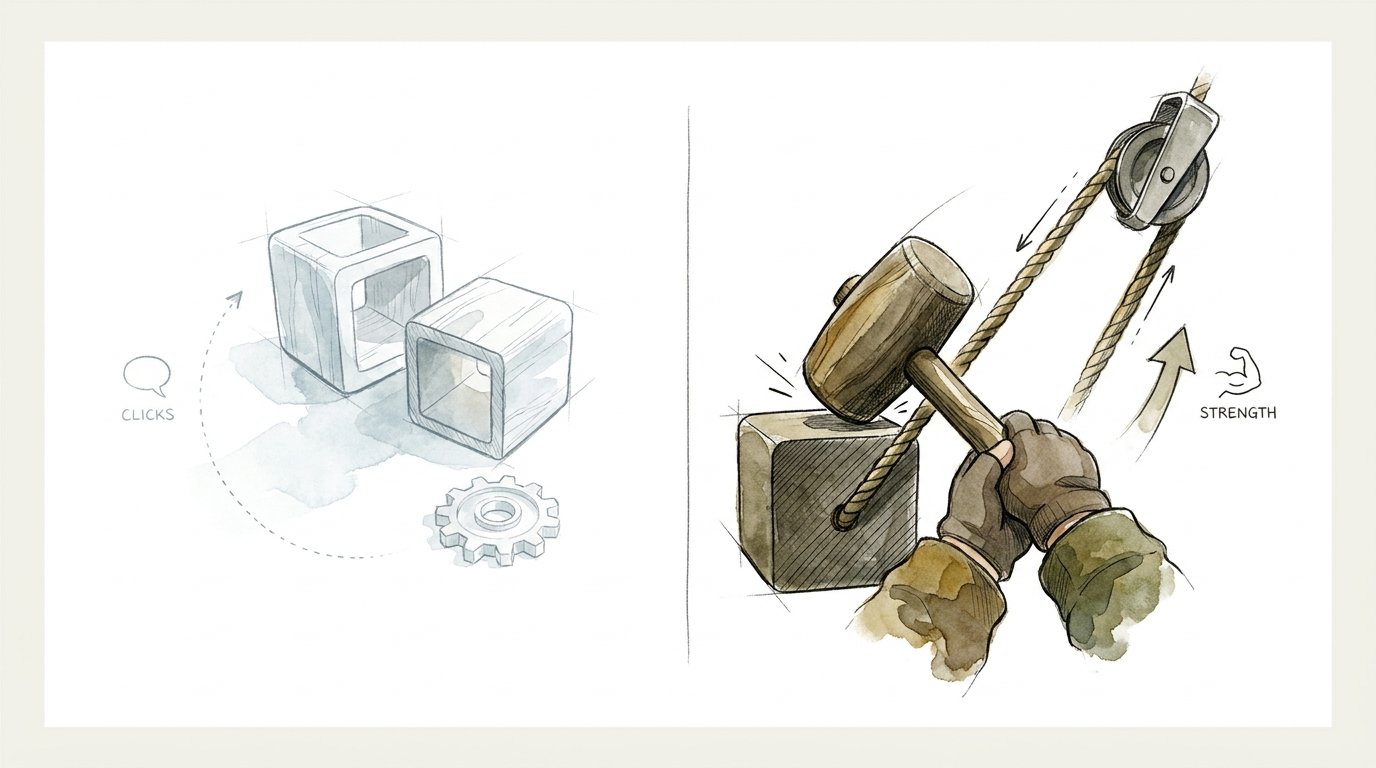
Real-world situations provide the best gym for these growing hands. Whether it is in the kitchen, the garden, or a small woodworking corner, using functional tools builds a bridge between play and mastery. A child using a real hammer or a manual hand drill is engaging in a high-stakes physical apprenticeship. They are moving beyond the hollow clicks of plastic and into the heavy resistance of reality.
The Science of Resistance
Every time a toddler pushes against a heavy object, their joints send signals to their brain. This is called proprioception. It tells the child where their limbs are in space and how much power is needed for a specific task. Plastic toys often fail here because they weigh almost nothing. A child learns that every action is “easy,” which leads to frustration when they encounter real-world objects that don’t yield instantly.
Heavy tool activities develop the palmar arches—the tiny muscles in the palm that allow the hand to cup and grip. Without these arches being strengthened through resistance, the hand remains “flat” and weak. This makes complex tasks like writing or using scissors much harder later on. Resistance training for toddlers is the fundamental “prep work” for academic success.
The Kitchen Workshop: Resistance You Can Taste
The kitchen is often the first place a toddler can encounter heavy resistance. It is a controlled environment where tools have a clear purpose. Using real kitchen equipment is a prime example of Montessori “Practical Life” work. It transforms a simple snack into a session of intense hand-strengthening.
The Mortar and Pestle
A stone mortar and pestle is perhaps the ultimate tool for hand development. It requires the child to use a “power grip” to hold the pestle and a “stabilizing grip” to hold the mortar. As they grind dried herbs, sea salt, or crackers, they must apply downward pressure while simultaneously moving in a circular motion. This combination of force and rotation is a sophisticated motor skill.
Start with soft materials like graham crackers or dried basil. As the child gets stronger, move to harder items like rock salt or peppercorns. The sensory feedback of the stone hitting the base and the smell of the crushed ingredients provides a “reward” that a screen can never match. This is deep, focused work that builds incredible wrist stability.
The Rolling Pin
Working with dough is more than just a sensory activity. Using a heavy wooden rolling pin requires bilateral coordination—using both sides of the body together. The child must push down and move forward, engaging the shoulders, elbows, and wrists. If the dough is thick, the resistance is significant. This builds the “extrinsic” muscles of the forearm which are vital for grip endurance.
Wringing and Scrubbing
Handing a toddler a heavy, wet towel and asking them to “wring it out” is a masterclass in grip strength. The twisting motion works the muscles in the fingers and the forearm simultaneously. Similarly, using a stiff-bristled scrubbing brush to clean a floor or a large pumpkin requires the child to apply constant pressure while moving their arm. It is functional, heavy work that leaves the child feeling capable and tired in the best way possible.
The Junior Woodworker: Real Tools for Real Hands
Woodworking is often overlooked for toddlers due to safety concerns, but with the right supervision, it is the gold standard for hand strength. Real tools have a weight and balance that toys lack. They demand respect and focus. When a child feels the weight of a 7-ounce hammer, their brain immediately shifts into a higher gear of concentration.
Hammering into Soft Substrates
Hammering is a vertical force activity. It builds the muscles in the thumb and index finger as they hold the nail, and the power of the arm as it swings the tool. For toddlers, start by hammering golf tees into a block of floral foam or a large pumpkin. This provides just enough resistance to be satisfying without being impossible.
As they progress, move to a real 7-ounce hammer and roofing nails. Use a soft wood like pine or a “stump” of aged wood. The broad head of a roofing nail makes it easier for the child to hit, reducing frustration. Each strike sends a vibration through the hand, providing immediate feedback on how much force was used. This is how they learn the difference between a “tap” and a “strike.”
The Manual Hand Drill
A manual “eggbeater” style hand drill is a mechanical wonder for a toddler. It requires the child to hold the handle with one hand (stabilization) and turn the crank with the other (rotational force). The resistance increases as the drill bit enters the wood. This tool is incredible for developing the “intrinsic” muscles of the hand—the ones that do the fine-tuning for writing and drawing.
Drilling through a thin piece of balsa wood allows the child to see the results of their effort quickly. It turns physical exertion into a tangible hole. This cause-and-effect relationship is highly motivating. It encourages the child to push through the fatigue because they want to see the bit pop through the other side.
How to Introduce Heavy Tools Safely
Safety is the foundation of any heavy tool activity. The goal is to provide a “prepared environment” where the child can succeed without constant intervention. Follow these steps to set up a successful session:
- Model the Action: Show the child exactly how to hold the tool. Use slow, exaggerated movements. Point out where the fingers should go and where they should never be.
- Start Small: Use tools that are appropriately sized. A full-sized sledgehammer is dangerous, but a 7-ounce trim hammer is perfect for a three-year-old’s hand.
- Defined Space: Create a “work zone.” This might be a heavy-duty mat or a specific table. The child learns that the tools stay in this zone.
- Supervise, Don’t Hover: Stay close enough to intervene, but let the child struggle slightly with the resistance. The “struggle” is where the strengthening happens.
Establish clear “start and stop” signals. If the child begins to swing a tool or use it inappropriately, the work is put away immediately. This teaches them that tools are for work, not for play. This distinction is vital for their development of self-regulation.
Benefits of Heavy Tool Play
The advantages of these activities extend far beyond physical strength. While the muscles are getting a workout, the brain is undergoing significant development as well. These are the measurable benefits of prioritizing heavy resistance over hollow toys:
1. Emotional Regulation
Occupational therapists often recommend “heavy work” for children who have trouble staying calm or focused. The deep pressure input from pushing or pulling against resistance has a grounding effect on the nervous system. It helps “organize” a child’s brain, making them feel more centered and less prone to meltdowns. After a session of grinding with a mortar and pestle, many parents notice their child is significantly calmer.
2. Improved Proprioception
Children who don’t get enough heavy work often seem “clumsy.” They might knock over glasses or trip frequently because their brain hasn’t fully mapped out their body’s capabilities. Heavy tool activities force the brain to pay attention to every muscle contraction. This leads to better balance, coordination, and a more refined sense of “self” in space.
3. Concentration and Flow
Heavy resistance requires focus. You cannot grind salt or hammer a nail while looking away. These tasks naturally draw a child into a “flow state”—a period of deep concentration where they are fully immersed in the task. Building this “concentration muscle” early on is one of the greatest gifts you can give a developing mind. It is the antithesis of the short-attention-span cycle created by digital entertainment.
4. Fine Motor Precision
It seems counterintuitive, but “heavy” work leads to “fine” skills. You need a strong foundation in the large muscles of the shoulder and forearm to have precision in the fingers. By strengthening the base, you allow the fingers to move more freely. A child who has spent hours using a hand drill will find it much easier to control a pencil because their hand isn’t struggling just to stay closed around the tool.
Challenges and Common Mistakes
Introducing real tools can be intimidating for parents, and there are common pitfalls that can hinder progress. Recognizing these early on will ensure a smoother experience for both the adult and the child.
Choosing “Fake” Tools: Many parents buy plastic “tool sets” that look like the real thing. These are often detrimental because they weigh nothing. The child learns that they can swing the tool wildly without consequence. Real tools have a natural consequence: they are heavy and they require control. Always opt for real, smaller-scale metal or stone tools over plastic imitations.
Over-Assisting: It is tempting to put your hand over the child’s and do the work for them. While this might get the nail in faster, it robs the child of the physical feedback. If the child is struggling, try to adjust the material rather than doing the movement. Use a softer wood or a smaller nail so the child can feel the success of their own effort.
Ignoring Fatigue: Heavy work is exhausting. A toddler might only be able to hammer three nails before their form begins to slip. Watch for signs of frustration or shaky hands. This is the signal to transition to a different activity. Pushing a child past the point of fatigue increases the risk of accidents and creates a negative association with the work.
Limitations: When This May Not Be Ideal
While heavy tool activities are beneficial for most, there are situations where they may not be the best choice. Understanding these boundaries helps you tailor the experience to your child’s specific needs.
Children with certain physical disabilities or hyper-mobility may need a specialized approach. If a child’s joints are very “loose,” heavy resistance can sometimes cause strain rather than strength. In these cases, it is best to consult with an Occupational Therapist to find the right level of resistance that supports the joint without overtaxing it.
Environmental constraints also play a role. If you live in a small apartment, a wood-chopping station isn’t practical. However, you can always find “indoor” versions like the mortar and pestle or heavy dough work. The concept remains the same: find a way to provide resistance within the space you have. Don’t let a lack of a workshop stop you from finding heavy work opportunities in the kitchen or bathroom.
Comparison: Plastic Toys vs. Heavy Tools
| Feature | Battery/Plastic Toys | Real Heavy Tools |
|---|---|---|
| Feedback | Instant, effortless sound/light. | Physical resistance and tactile vibration. |
| Muscle Engagement | Low; mostly finger pressing. | High; engages core, shoulder, and forearm. |
| Concentration | Low; designed for quick stimulation. | High; requires focus for safety and success. |
| Skill Transfer | Minimal; does not relate to real tasks. | Direct; builds strength for writing/self-care. |
Practical Tips for Immediate Success
You don’t need a full workshop to start today. Look around your house and identify where resistance can be added to your toddler’s routine. Small changes can lead to big gains in hand strength.
- Upgrade the Spray Bottle: Instead of a tiny, easy-to-pull trigger, use a larger spray bottle filled with water. Let the child “water” the plants or clean the windows. The larger trigger requires more fingers and more force to operate.
- Use Heavy Sponges: When doing water play or cleaning, give the child a large, dense sponge. Once it’s full of water, it becomes surprisingly heavy. Squeezing it dry is an incredible workout for the entire hand.
- The “Weighted” Laundry Basket: When moving clothes, let the child push the basket. Add a few heavy books or a gallon of water to the bottom to increase the resistance. This “pushing” work stabilizes the wrists and shoulders.
- Tug-of-War: A simple game of tug-of-war with a thick rope or a rolled-up towel is one of the most effective ways to build grip strength. The fluctuating resistance forces the child to constantly adjust their grip.
Focus on the “work” rather than the “result.” If the windows aren’t perfectly clean or the herbs aren’t ground to a fine powder, it doesn’t matter. The value is in the effort the child expended to try. Encourage the process, and the strength will follow naturally.
Advanced Considerations for Practitioners
For those looking to go deeper, consider the “progression of materials.” Just as an athlete increases weights in the gym, a child can increase the resistance of their work. This prevents plateaus and keeps the child engaged.
In the kitchen, move from soft dough to “stiff” dough like gingerbread or pasta dough. In the workshop, transition from soft woods like balsa or pine to slightly denser woods. You can also introduce different types of screwdrivers. A stubby, thick-handled screwdriver is easier to grip but requires more torque, while a longer one requires more stabilization. Varying the tools keeps the brain “guessing” and the muscles adapting.
Pay attention to the diameter of the tool handles. A handle that is too thin is hard to grip firmly, while one that is too thick can cause hand cramps. The “sweet spot” is usually a diameter that allows the child’s fingers to wrap around and almost touch the palm. This ensures a “power grip” that is both safe and effective for building strength.
Example Scenario: The Sea Salt Apprenticeship
Imagine a 3-year-old child, Leo. His mother sets up a small tray with a heavy granite mortar and pestle. Next to it is a small bowl of coarse sea salt. Leo has seen his father use this in the kitchen, and he is eager to try. He sits down, his face reflecting a level of focus usually reserved for a favorite cartoon.
Leo grabs the pestle. It’s heavy. He can’t just “poke” it; he has to lift it. He pours a teaspoon of salt into the mortar. At first, he just taps the salt. Nothing happens. He realizes he needs to push. He leans his body weight into the tool. He hears the “crunch” of the salt crystals breaking. That sound is his reward. He spends twenty minutes grinding the salt into a fine powder. By the end, his hand is tired, but he is smiling. He has just completed a physical apprenticeship.
Compare this to a toy that makes a “crunch” sound when a plastic button is pressed. In that scenario, Leo would have pressed the button once, heard the sound, and walked away. There was no resistance, so there was no growth. By using the real tool, Leo strengthened his grip, improved his focus, and learned that some things in the real world require effort to achieve.
Final Thoughts
Heavy tool activities are the antidote to the “fragile” lessons of the digital age. They provide the resistance that young bodies crave and need to develop properly. By introducing real tools like the mortar and pestle, hammers, and hand drills, you are giving your toddler more than just a fun activity; you are providing a physical apprenticeship that builds lifelong resilience.
The transition from “hollow clicks” to “heavy resistance” is a journey of empowerment. When a child learns that they have the strength to change their environment—to grind a stone, to drive a nail, to wring a towel—they build a deep sense of self-confidence. This confidence isn’t based on praise; it is based on the measurable reality of their own physical capability.
Start small, stay safe, and let the tools do the teaching. Watch as your child’s hands transform from soft and tentative to strong and precise. These activities are the foundation upon which all other skills are built. Encourage your little one to feel the weight of reality, and watch them thrive under the pressure.
Sources
1 childrenstherapycenter.com | 2 crawlwalkjumprun.com | 3 prescottpediatrictherapy.com | 4 theottoolbox.com | 5 napacentre.com.au | 6 montessoriservices.com | 7 lilbebeacademy.net | 8 ocodile.com | 9 youtube.com | 10 childrenswi.org | 11 thrivelittle.com | 12 funandfunction.com | 13 developlearngrow.com | 14 mysidekicktherapy.com | 15 momtessorilife.com | 16 springbrookbehavioral.com