Diy Backyard Movie Seating Ideas
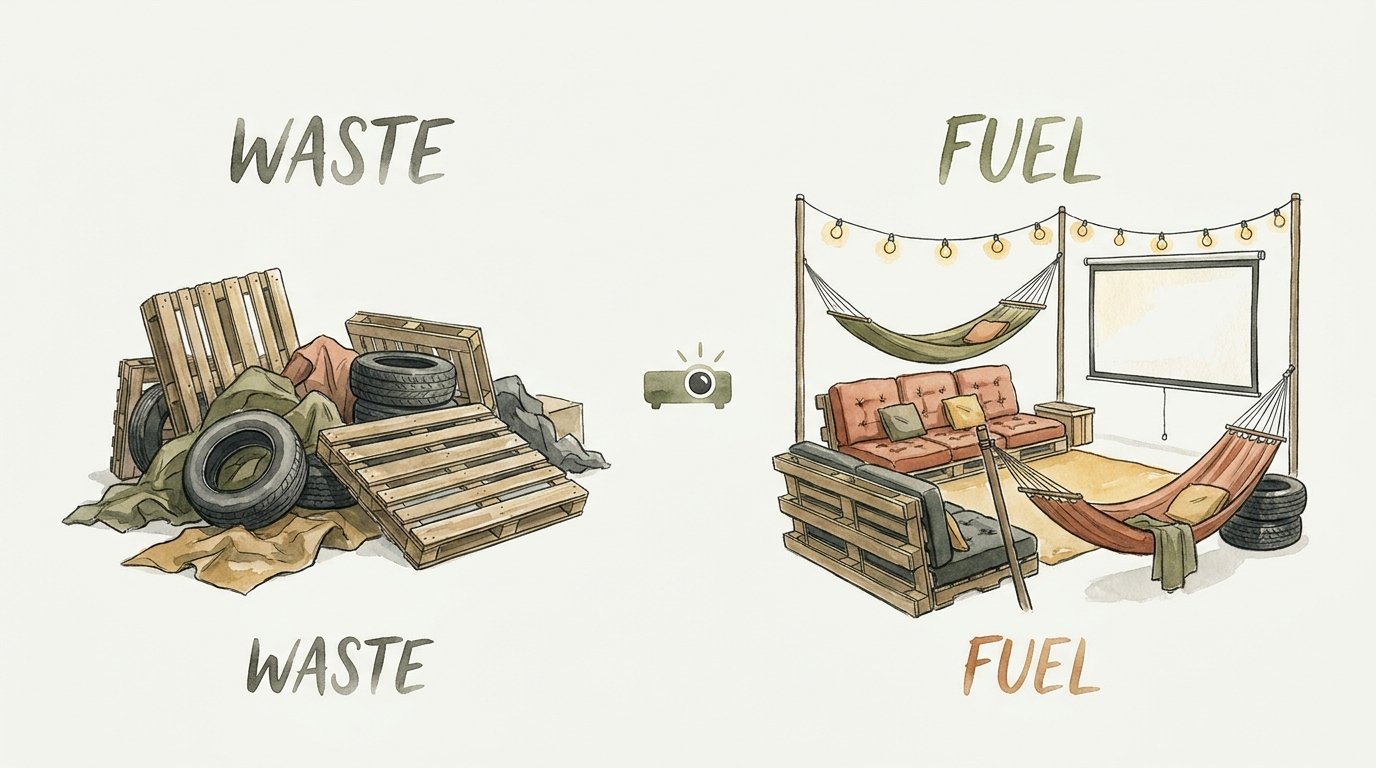
Your neighbor’s ‘junk’ is actually the best seat in the house. Don’t let ‘movie night’ mean ‘sitting on uncomfortable plastic.’ We took discarded shipping pallets—pure waste to most people—and fueled our backyard transformation. By stacking and cushioning these modular units, we created a tiered ‘stadium seating’ experience that feels more like a VIP lounge than a lawn. It’s time to build, not buy.
Diy Backyard Movie Seating Ideas
Backyard movie seating is the art of turning an open lawn into a functional outdoor theater. While many homeowners resort to folding chairs or blankets, the most immersive setups use semi-permanent structures like pallet-based stadium seating. This concept relies on modular design to create clear sightlines for every viewer, mimicking a professional cinema.
Shipping pallets serve as the backbone for this project because they are durable, industrial-grade platforms. People often see them rotting behind grocery stores, but in the DIY world, they are a free or low-cost resource for high-quality lumber. Using these units allows you to build vertical levels, ensuring the people in the back can see over the heads of those in the front.
This approach works best for families who host frequent gatherings or movie buffs who want a dedicated outdoor entertainment zone. Instead of hauling furniture in and out of the house, you create a permanent, weather-resistant lounge. It is the ultimate “trash to treasure” project that adds immense functional value to your property.
How to Build Your Pallet Stadium Seating
Creating a tiered seating system requires a logical approach to sourcing, safety, and assembly. Following a systematic process ensures your seating is stable enough to hold multiple adults without shifting. You must treat the wood and secure the layers correctly to avoid a structural collapse during the climax of the film.
Step 1: Source Safe Pallets
Finding the right wood is the most critical phase. Look for the International Plant Protection Convention (IPPC) stamp on the side of the pallet. Only use pallets marked with “HT” (Heat Treated) or “KD” (Kiln Dried). Avoid any pallets marked with “MB,” as these were treated with Methyl Bromide, a toxic pesticide that is unsafe for skin contact or seating.
Step 2: Clean and Prep the Wood
Discarded pallets are often filthy or covered in splinters. Use a power washer or a stiff brush with a mixture of water and vinegar to remove surface dirt. Once dry, use an orbital sander with 60-grit, then 80-grit, and finally 120-grit sandpaper. This progression ensures the wood is smooth enough to touch without catching on clothing or skin.
Step 3: Map the Layout
Standard pallets are roughly 48 inches by 40 inches. For a three-tier system, you will need a base layer that is three pallets deep. The middle tier will be two pallets deep, and the top tier will be a single pallet deep. This “wedding cake” stacking method creates steps that serve as seating platforms.
Step 4: Stack and Secure
Lay your first row on a flat surface, ideally a patio or leveled gravel. Place the second layer on top, offsetting the joints to increase stability. Use 3-inch galvanized deck screws to drill through the top pallet into the runners of the pallet below. Repeat this for the third tier. Screwing the units together prevents the “staircase” from sliding apart when people sit down.
Step 5: Finish and Seal
Apply an outdoor-grade wood stain or a clear sealant to protect the lumber from UV rays and moisture. Untreated wood will rot within one or two seasons. A high-quality sealant preserves the structural integrity and keeps the wood looking fresh. Let the sealant cure for at least 24 hours before adding any cushions.
Benefits of DIY Pallet Seating
Choosing a DIY approach over commercial outdoor furniture offers several measurable advantages. Cost is the primary driver, as professional-grade tiered seating or weather-resistant sectionals can cost thousands of dollars. You can often build a full pallet theater for under $100 in hardware and supplies.
Customization is another major benefit. You are not limited by what a store has in stock. You can build your seating to fit a specific corner of your yard or expand it as your guest list grows. If you need more space, simply add more pallets to the sides or increase the height of the back row.
Durability is built into the materials. Shipping pallets are designed to carry loads exceeding 2,000 pounds. When they are properly cleaned, sanded, and sealed, they become incredibly rugged furniture pieces. They can withstand heavy use and outdoor exposure far better than cheap plastic or lightweight aluminum alternatives.
Challenges and Common Mistakes
Skipping the sanding process is the most frequent error beginners make. Pallet wood is notorious for “wicked” splinters that can ruin a movie night. Investing time in a thorough sanding routine is non-negotiable for a professional result. Smooth wood also allows paint or stain to adhere better, providing a more uniform finish.
Ignoring the safety markings is another dangerous pitfall. Using “MB” pallets or pallets with unknown chemical stains can lead to skin irritation or respiratory issues if the wood is sanded without a mask. Always verify the source and the stamp before bringing any pallet onto your property. If it looks oily or smells like chemicals, let it stay in the junk pile.
Using the wrong hardware can also lead to failure. Regular indoor screws will rust and snap under the tension of shifting wood. Always use galvanized or stainless steel deck screws. These are specifically coated to resist corrosion and provide the shear strength needed to hold the heavy pallets together over time.
Limitations of Pallet Seating
While pallets are versatile, they are extremely heavy. Once you stack and screw them together, the structure is essentially permanent. Moving a three-tier seating area requires a team of people or complete disassembly. You must choose your location carefully before you begin the stacking process.
Space requirements are also significant. Tiered seating has a large footprint. A standard three-row setup can easily take up a 12-foot by 10-foot area. If you have a very small balcony or a cramped patio, this style of seating might overwhelm the space. Smaller “L-shaped” pallet sofas are a better alternative for compact yards.
Maintenance is a recurring necessity. Even with the best sealant, wood is an organic material that reacts to the environment. You will need to re-apply a protective coat every year or two to prevent warping or graying. If you live in an extremely wet climate, the wood may eventually harbor mold if it is not allowed to dry out properly between uses.
Comparison: Pallet Seating vs. Commercial Sectionals
Deciding between building and buying depends on your budget and your willingness to do manual labor. The following table highlights the key differences between these two options.
| Factor | DIY Pallet Seating | Commercial Outdoor Sectional |
|---|---|---|
| Total Cost | Low ($50 – $150) | High ($800 – $3,000) |
| Weight | Very Heavy (Fixed) | Light to Medium (Portable) |
| Setup Time | 6 – 12 Hours (Labor Intensive) | 1 – 2 Hours (Assembly Only) |
| Customization | Unlimited (Add/Remove Tiers) | Fixed (Modular at best) |
| Lifespan | 3 – 7 Years (If sealed) | 5 – 10 Years (Material dependent) |
Practical Tips for Best Results
Comfort is determined by your choice of cushions. Standard pallet dimensions happen to match closely with twin-sized mattresses or crib mattresses. Buying these second-hand (and cleaning them) or finding cheap foam mattress toppers can save you a fortune compared to buying specialized outdoor cushions. Use weather-resistant fabrics like Sunbrella or Olefin for the covers to prevent fading and mildew.
Lighting adds the “VIP” feel to your stadium seating. Install battery-powered LED strip lights under the lip of each tier. This provides a soft glow that illuminates the steps for safety without washing out the movie screen. It creates an authentic theater atmosphere that makes the project feel intentional rather than haphazard.
Adding a “fascia” board to the front of the pallets can hide the industrial look. Use cedar planks or thin plywood to cover the open ends of the pallets. This gives the seating a solid, built-in appearance that mimics high-end custom cabinetry. Paint the fascia a dark color to make the structure recede into the background during the movie.
Advanced Considerations for Practitioners
Serious builders should consider drainage during the construction phase. Water trapped between stacked pallets will cause rapid rot. Drilling small drainage holes or slightly tilting the layers can encourage runoff. Using plastic spacers or “feet” under the bottom layer can also keep the wood off the damp ground, significantly extending the life of the structure.
Integrating technology directly into the seating is a pro move. You can hollow out sections of the pallet runners to hide power strips or run HDMI cables. This allows you to have built-in charging ports for phones or a permanent spot for the projector. Always use outdoor-rated electrical components and covers to ensure safety from the elements.
Sound quality is often overlooked in backyard setups. Consider building “speaker cubbies” into the sides of the pallet tiers. Placing speakers at different levels provides a more surround-sound experience. Lining these cubbies with acoustic foam can help project the sound toward the audience rather than letting it vibrate through the wood.
Example Scenario: The Three-Tier Backyard Cinema
Imagine a family of five that wants to host a neighborhood screening. They source 14 pallets from a local warehouse. They use 6 pallets for the base (3×2 grid), 5 pallets for the second tier, and 3 pallets for the top row. This creates three distinct levels of seating that can comfortably fit 9 to 12 people.
The builder uses 3-inch deck screws to join the pallets into a single solid unit. They sand every exposed surface and apply a “charcoal gray” exterior stain. For cushions, they use three twin-size memory foam toppers cut to size and wrapped in navy blue outdoor fabric. Total cost: $140. The result is a professional-looking stadium seating area that becomes the focal point of their summer social life.
They finish the look by hanging a 120-inch white sheet on a simple PVC frame and setting up a 1080p projector on a small pallet side table. The tiered seating ensures that the kids in the front row don’t block the view for the adults in the back. This setup provides a functional, high-capacity theater experience for a fraction of the cost of a single high-end patio chair.
Final Thoughts
Building your own backyard movie seating is about more than just saving money. It is a commitment to transforming “waste” into a high-value community asset. By taking the time to source safe pallets, sand them to a professional finish, and stack them for maximum visibility, you create a space that rivals any indoor theater.
This project proves that you don’t need a massive budget to have a luxury experience. A little sweat equity and a focus on safety can turn a pile of shipping crates into a VIP lounge. The modular nature of pallets means your theater can grow and change along with your needs, making it a sustainable and flexible choice for any homeowner.
Start small if you have to, but don’t be afraid to think big. Whether you build a single sofa or a full-scale stadium, the satisfaction of sitting on something you built yourself makes every movie night better. Grab your sander, find your pallets, and start building your own backyard getaway today.
Sources
1 youtube.com | 2 youtube.com | 3 earth911.com | 4 pallet-furniture.net | 5 woodgraingirls.com | 6 phifer.com | 7 t-racking.com | 8 wickerpark.ca | 9 universalpallets.com