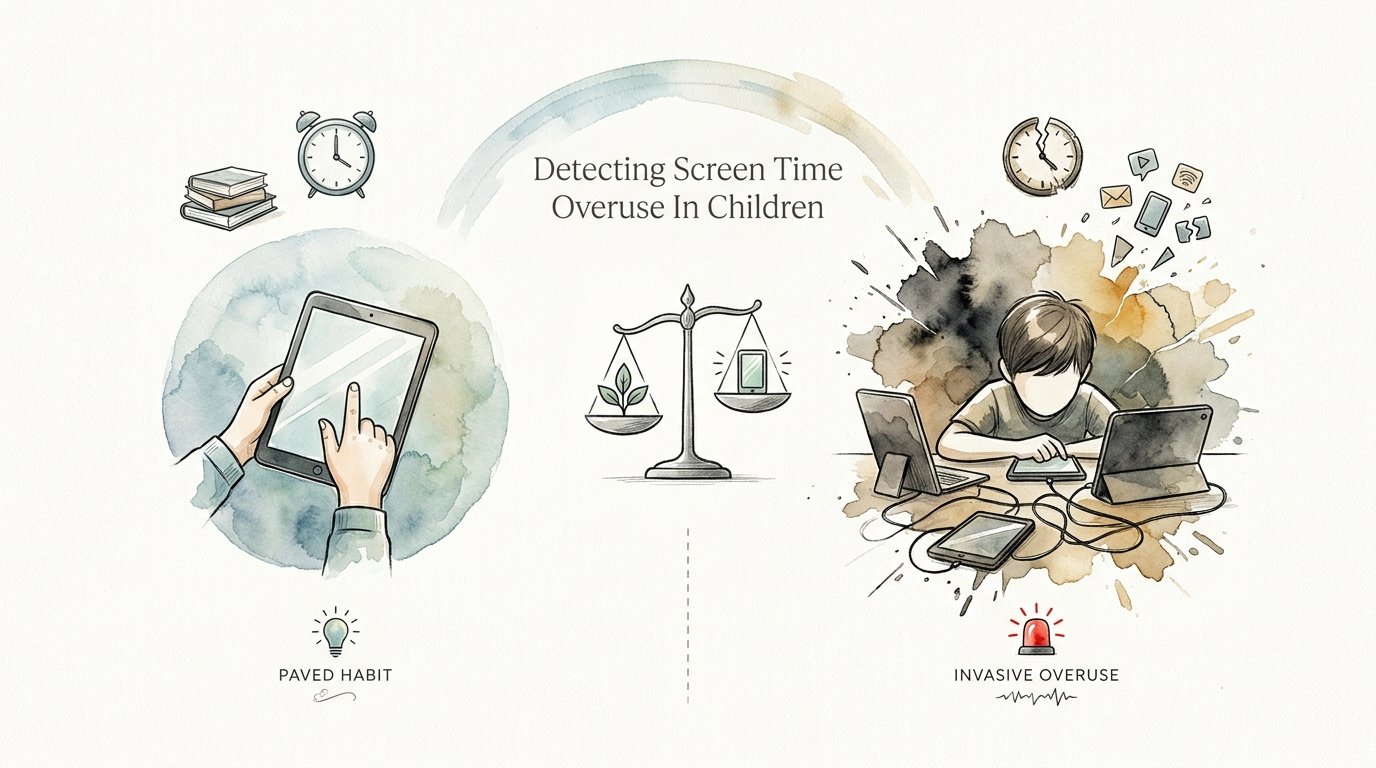
Detecting Screen Time Overuse In Children
One is a managed path through the digital world; the other is a lost wilderness where your child’s regulation has been completely overgrown. A healthy screen habit is like a paved path—it has boundaries, a destination, and a clear exit. But when that use crosses into overuse, the path cracks. We look for the ‘digital weeds’ taking over: the inability to stop, the physical rigidity, and the loss of real-world orientation. Here are 5 signs the habit is no longer under control.
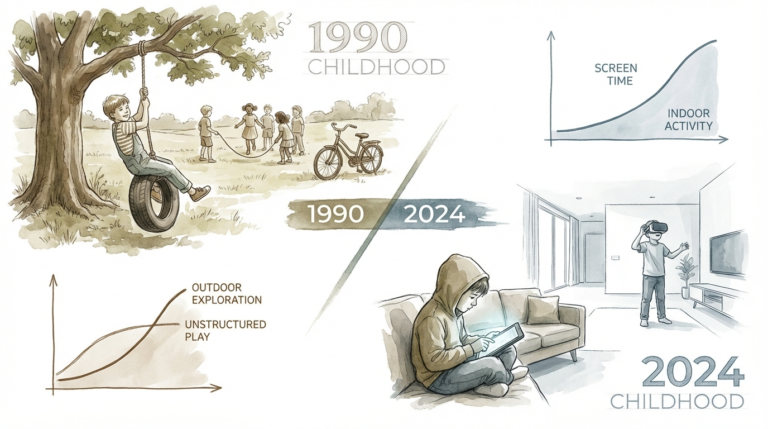
Parents today are navigating a landscape that looks nothing like the one they grew up in. Digital devices are no longer just tools; they are environments where children live, learn, and socialize. While technology offers incredible opportunities for learning and connection, the line between helpful use and invasive overuse is often razor-thin. Understanding this shift is the first step in reclaiming your child’s focus and emotional stability.
Recent research from 2024 and 2025 highlights a growing concern: screen time is increasingly replacing essential developmental “nutrients.” When digital engagement displaces sleep, physical activity, and face-to-face social interaction, the results are measurable. From changes in brain structure to shifts in emotional regulation, the impact is real. This guide provides a roadmap to help you detect the early signs of overuse and move back toward a healthy, paved path.
Detecting Screen Time Overuse In Children
Screen time overuse is more than just a high number on a weekly report. It is a behavioral state where a child’s engagement with digital media becomes compulsive, replacing vital offline activities and causing distress when the device is removed. In the current 2026 landscape, pediatric experts have shifted their focus from strict hour-based limits to the concept of displacement.
The American Academy of Pediatrics (AAP) recently retired the rigid “two-hour rule” in favor of a framework centered on quality, context, and conversation. The question is no longer just “how long?” but “what is this screen time replacing?” If a child is using a tablet to learn a new language or video chat with a grandparent, that is a paved habit. If they are mindlessly scrolling short-form videos while ignoring their dinner or skipping sleep, that is invasive overuse.
Detection starts with observation. You are looking for a loss of “digital orientation”—the ability of the child to know when they have had enough and to transition back to the physical world without a total emotional collapse. Research indicates that nearly 54% of parents feel their child has reached a level of screen engagement that resembles addiction. This feeling is often rooted in the child’s inability to self-regulate, a hallmark of overuse.
The 5 Warning Signs of Invasive Overuse
The transition from a healthy habit to a problematic one usually leaves a trail of evidence. These five red flags are the “digital weeds” that indicate the paved path has been overtaken.
1. Emotional Dysregulation and “The Comedown”
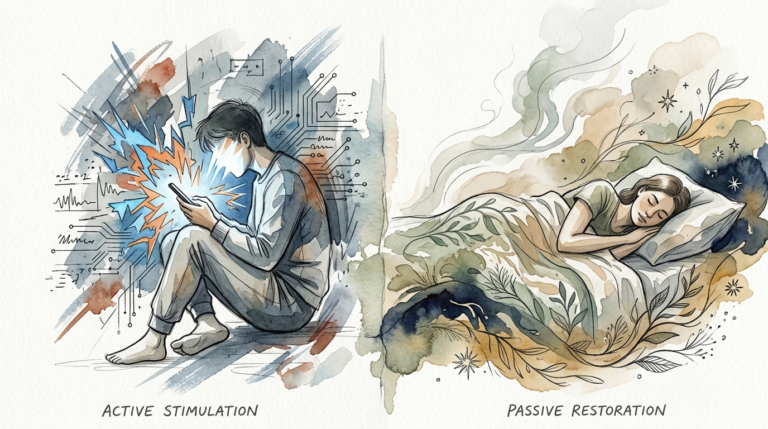
The most visible sign is how a child reacts when the screen is turned off. While most kids will show a small amount of resistance, invasive overuse leads to extreme irritability, aggression, or a “zombie-like” state. This happens because high-dopamine digital environments overstimulate the reward centers of the brain. When the stimulation stops, the child experiences a literal dopamine crash, leading to intense emotional volatility.
2. Displacement of Core Biological Needs
Screens should never come at the expense of sleep, nutrition, or movement. If your child is staying up late to finish a game level or refusing to leave their room for a family meal, the balance has shifted. Studies from the National Institutes of Health (NIH) show that excessive screen use is strongly linked to poor sleep quality and physical sedentary behavior. If the digital world is winning the battle for their basic health needs, the habit is officially invasive.
3. Loss of Interest in Non-Digital Hobbies
A child who once loved drawing, playing outside, or building with blocks but now finds those activities “boring” is likely over-calibrated to digital stimulation. Real-world activities move at a slower pace than the rapid-fire edits of social media or the instant rewards of gaming. When the brain becomes accustomed to the high-speed feedback loop of a screen, the physical world begins to feel dull and unrewarding.
4. Physical Rigidity and “Tunnel Vision”
Observe your child’s body while they use a device. Are they hunched over, motionless, and completely unresponsive to their name being called? This is often called “the screen stare.” While deep focus is good, this level of physical rigidity suggests a total immersion that disconnects the child from their sensory environment. Frequent headaches, eye strain, and neck pain are physical manifestations of this prolonged, rigid posture.
5. Social Withdrawal and Secretiveness
Digital use becomes a problem when it starts to replace real-world relationships. You might notice your child withdrawing from friends or becoming secretive about what they are doing online. They may start lying about how long they have been on a device or hiding their screen when you walk into the room. This shift toward isolation is a major indicator that the digital world has become their primary source of comfort and identity.
The Science: How Overuse Affects the Developing Brain
Understanding why these signs appear requires a look under the hood. The child’s brain is a work in progress, particularly the prefrontal cortex—the area responsible for impulse control, planning, and focus. Excessive screen time can interfere with the natural development of these systems.
High-dopamine activities, such as gaming or scrolling through short-form video feeds, trigger the brain’s reward system repeatedly. Over time, the brain may adapt by reducing the number of dopamine receptors, a process known as downregulation. This means the child needs more and more digital stimulation just to feel “normal.” This cycle is what leads to the irritability and lack of interest in offline life.
Recent studies published in Frontiers in Digital Health have linked specific types of media use—like video streaming and internet browsing—to more severe symptoms of anxiety, depression, and ADHD-related behaviors. The caudate nucleus, a brain region tied to reward processing, has shown reduced activity in adolescents who play excessive amounts of video games. Essentially, their brains respond less to real-life rewards because they are tuned to the hyper-stimulation of the digital world.
The Benefits of Reclaiming the Paved Path
Choosing to move away from invasive overuse is not about “hating technology.” It is about restoring balance so your child can thrive. When a family successfully transitions to a “paved habit,” several measurable benefits emerge.
Emotional stability usually improves first. Without the constant dopamine spikes and crashes, children often become more even-tempered and better able to handle frustration. Executive function—the ability to plan and focus—also sees a boost. When the brain isn’t constantly multitasking or being distracted by notifications, it can settle into the deeper “slow-motion” thinking required for school and complex problem-solving.
Socially, the benefits are profound. Removing the screen barrier allows for more “back-and-forth” verbal interactions, which are critical for language development and empathy. Physical health also sees a direct gain. Better sleep quality, improved posture, and increased physical activity lead to higher energy levels and a more resilient immune system.
Challenges and Common Parent Pitfalls
The road to a paved path is rarely smooth. Parents often face significant hurdles when trying to scale back screen time. One of the biggest challenges is the “digital babysitter” trap. It is incredibly tempting to use a screen to keep a child quiet during a stressful moment or a long car ride. While this works in the short term, it can lead to a reliance on screens for emotional regulation.
Another pitfall is inconsistency. If rules are only enforced when the parent is tired or angry, the child learns that the boundaries are negotiable. This leads to more arguments and “negotiation fatigue.” Many parents also forget the power of their own example. If a child sees a parent constantly checking their phone at the dinner table, they will naturally view the “no screens at meals” rule as hypocritical and unfair.
Finally, the design of the apps themselves is a major adversary. Features like autoplay, endless scrolling, and intermittent reward systems (like “likes” or “loot boxes”) are specifically engineered to keep users engaged for as long as possible. Expecting a child to have the willpower to overcome these professional-grade psychological hooks without a structured system is a common mistake.
Limitations: When the Method Needs Flexibility
While the goal is a paved path, there are situations where strict limits are not practical or even beneficial. Not all screen time is created equal, and some digital engagement is essential in a modern world.
For example, educational technology used in a school setting is a necessary part of 21st-century literacy. Similarly, for children with social anxiety or those who live far from family, video calls and moderated social platforms can provide a vital lifeline for connection. During illness or extreme weather, screen time may naturally increase as other options are limited.
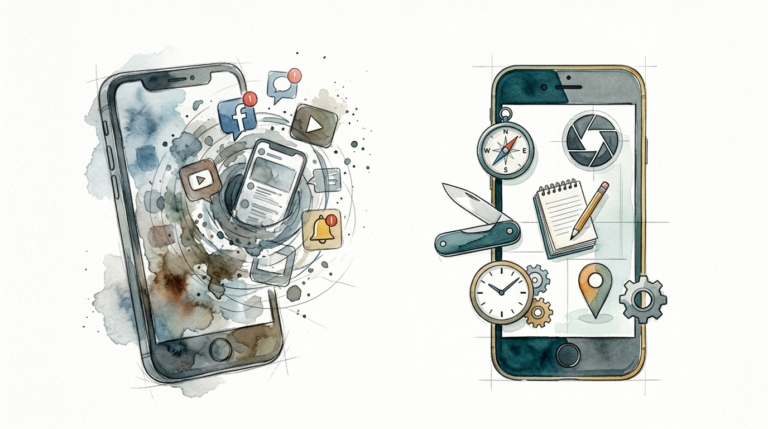
The key is to avoid “all or nothing” thinking. The goal is not zero screens; it is intentional use. If the screen time is active (creating art, coding, or learning) rather than passive (mindless scrolling), it is less likely to lead to the negative outcomes associated with overuse. Flexibility allows you to adapt to the child’s changing needs without letting the digital weeds take over the yard.
Practical Tips for Building Your Paved Path
Transitioning from overuse to a healthy habit requires a clear, actionable plan. Here are the best practices for establishing digital boundaries that stick.
- Create a Written Family Media Plan: Sit down with your children and write out the rules. Include screen-free times (like mealtimes and an hour before bed) and screen-free zones (like bedrooms). Making it a written agreement reduces daily negotiation.
- Prioritize Quality and Context: Use the “5 C’s” framework: Child, Content, Context, Connections, and Community. Ask if the content is age-appropriate and if it is helping the child connect with others rather than isolate.
- Use Parental Controls as Tools, Not Solutions: Apps that automate screen-time limits can take the “bad guy” role away from the parent. However, these should supplement—not replace—ongoing conversations about digital health.
- Model the Behavior: Commit to your own “digital detox” periods. Show your child that you can put your phone away and be fully present. This is the single most effective way to change their behavior.
- Encourage “High-Touch” Alternatives: Replace screen time with activities that provide sensory feedback, like baking, gardening, sports, or board games. These help the brain re-calibrate to the physical world.
Advanced Considerations: The Role of Dopamine and Cues
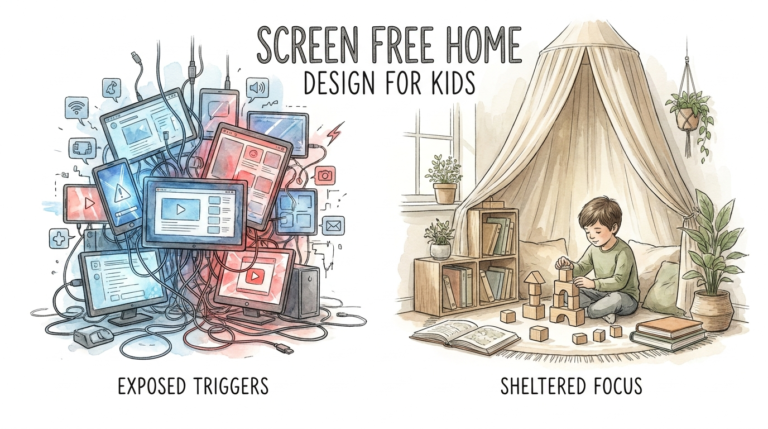
For parents of children who show strong signs of dependency, it may be necessary to look at “environmental cues.” Your home is likely filled with triggers that tell the brain it’s time for a digital hit. A charger left in a prominent spot or a tablet sitting on the coffee table acts as a visual “high-dopamine cue.”
Serious practitioners of digital wellness suggest separating these cues. Keep devices in a central “charging station” out of sight when not in use. This forces the child to make a conscious decision to use the device rather than just grabbing it out of habit. You can also look into “dopamine fasting”—short periods (24–48 hours) where all high-stimulation digital media is removed to help the brain’s reward system reset.
Additionally, consider the “displacement effect” on a deeper level. It isn’t just about what they *aren’t* doing; it’s about what they *aren’t learning*. If a child uses a screen to avoid boredom, they never learn the vital skill of self-entertainment and creative daydreaming. Protecting those “boring” moments is essential for long-term cognitive health and imagination.
Scenario: The Weekend Reset in Action
Imagine a typical Saturday morning where the kids are usually on their tablets by 7:00 AM. In a “paved path” household, the weekend starts differently.
The night before, all devices were placed in a kitchen drawer. On Saturday morning, the family has a “no-tech until noon” rule. Instead of scrolling, the children help make pancakes and then head to a local park. Because the cues (the tablets) are out of sight, the initial “I’m bored” complaints last only about 15 minutes before they find a deck of cards or start a game of tag.
By the time 12:00 PM rolls around, the children are allowed one hour of gaming. Because they have already moved their bodies and connected with their parents, the “transition off” the screen at 1:00 PM is much smoother. There is no dopamine crash because their day wasn’t built entirely on digital spikes. This is the difference between a child controlled by a device and a child using a tool on a paved path.
Final Thoughts
Moving your child from a state of invasive overuse to a paved habit is one of the most important investments you can make in their future. The goal isn’t to erase technology from their lives, but to ensure it remains a tool for growth rather than a source of dysregulation. By watching for the 5 signs—emotional volatility, displacement of needs, loss of interest, physical rigidity, and social withdrawal—you can intervene before the digital weeds take deep root.
A healthy relationship with screens is built on a foundation of clear boundaries and high-quality interaction. When we prioritize sleep, physical activity, and face-to-face connection, we give our children’s brains the space they need to develop naturally. This balance fosters resilience, empathy, and a lasting ability to focus on what truly matters in the real world.
Take the first step today by creating a simple Family Media Plan. Start small, stay consistent, and remember that your presence is the most powerful alternative to any screen. With patience and a clear map, you can lead your child out of the digital wilderness and back onto a path that leads to a healthy, balanced life.
Sources
1 choc.org | 2 heyotto.app | 3 dhs.gov | 4 qustodio.com | 5 luriechildrens.org | 6 missionprephealthcare.com | 7 childrenandscreens.org | 8 choc.org | 9 nyp.org | 10 gigabitiq.com | 11 nih.gov | 12 rochester.edu | 13 avidopenaccess.org | 14 embassy.camp | 15 useboomerang.com | 16 childrenandscreens.org | 17 akronchildrens.org