In-app Purchases Vs Creative Play For Kids
We’re paying for digital noise when the best tools for the brain are currently in your recycling bin. When a child loses the ability to turn a cardboard box into a castle, they’ve become a consumer rather than a creator. Overuse shifts the ‘fun’ from the child’s mind to the developer’s wallet. If they need a credit card to have an adventure, the screen has won.
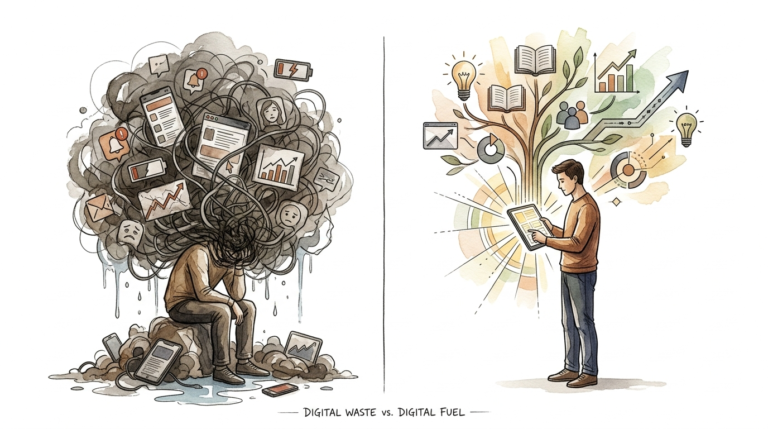
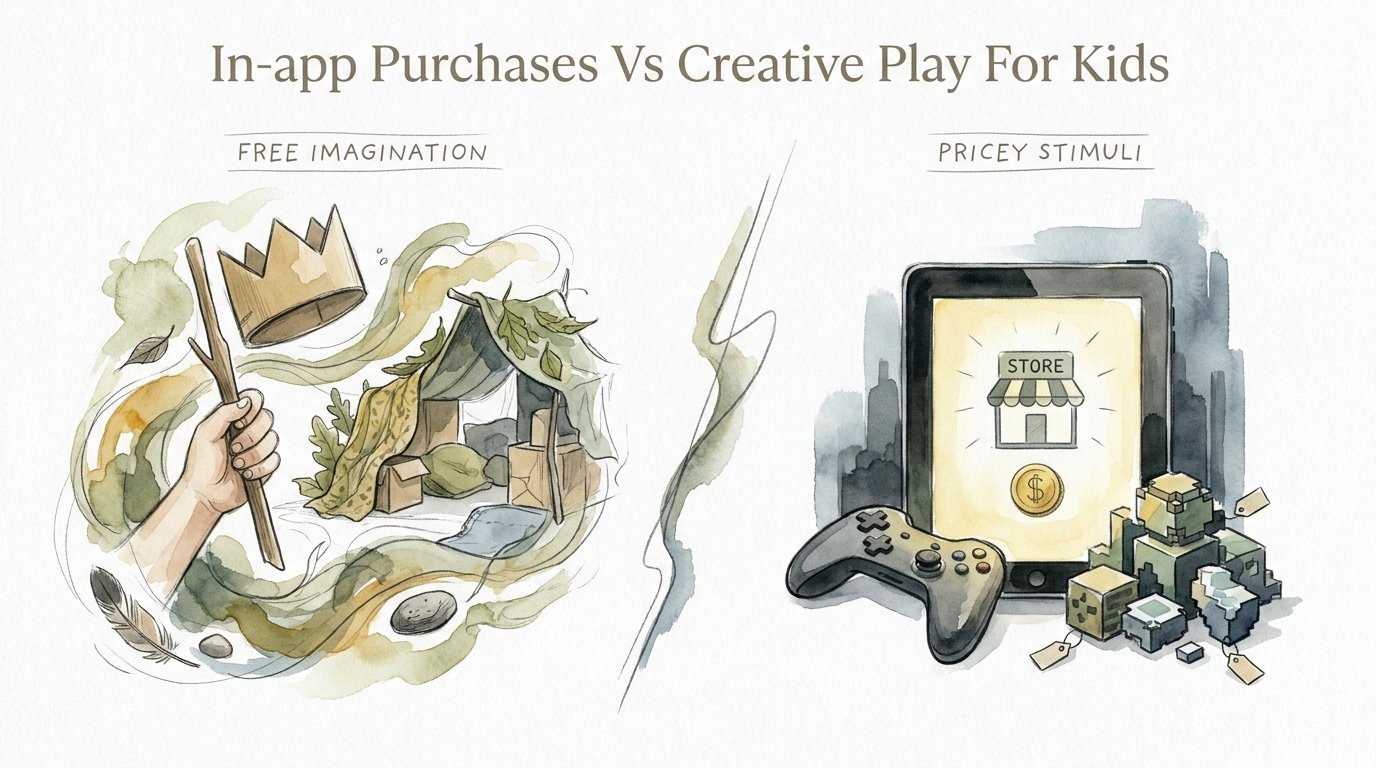
Take a second to look at the landscape of modern childhood. We are witnessing a massive transition from **FREE IMAGINATION** to **PRICEY STIMULI**. It happens slowly, one “99-cent” gem pack at a time. Before you know it, the living room is quiet, but the credit card statement is loud.
This article isn’t just about saving money. It is about saving the fundamental way a child’s brain learns to solve problems. We are going to dive deep into the mechanics of the “attention economy” and compare it to the raw, unfiltered power of open-ended play. By the end, you’ll know exactly why that delivery box in your hallway is more valuable than the latest top-grossing app.
In-app Purchases Vs Creative Play For Kids
In-app purchases (IAPs) are microtransactions within digital games that allow players to buy virtual goods. These can range from cosmetic “skins” for a character to “loot boxes” that offer a random chance at a rare item. In the world of children’s apps, these are often designed as “pay-to-win” or “pay-to-skip” mechanics. They exist because the “freemium” model is the most profitable strategy in the mobile market today.
Creative play, specifically **open-ended play**, is the polar opposite. It involves materials that don’t have a single “right” way to be used. Think of a stick, a pile of sand, or a set of wooden blocks. These are often referred to as “loose parts.” The child must project their own meaning onto the object. A stick isn’t just wood; it’s a wand, a sword, or a bridge.
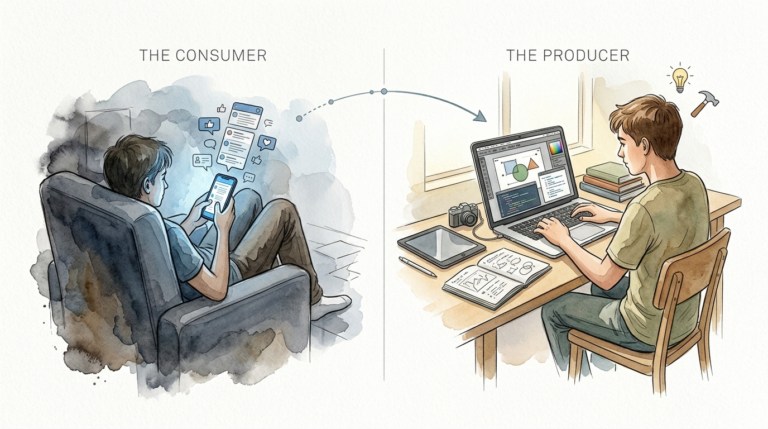
The real-world difference is neurological. In-app purchases rely on **extrinsic rewards**. The game tells the child they are successful by flashing lights and giving them a digital trophy. Creative play relies on **intrinsic rewards**. The child feels successful because they figured out how to balance three rocks on top of each other. One builds a consumer; the other builds a creator.
How the Digital Trap Works vs. How the Brain Builds
Digital developers use sophisticated psychology to keep children clicking. Many apps employ “dark patterns,” which are user interface designs meant to trick or pressure users into making decisions. For children, this often manifests as **fabricated time pressure**. A timer counts down, telling the child they will “lose” their progress if they don’t buy a boost right now.
Another common tactic is **currency obfuscation**. By turning real money into “Gems” or “Coins,” the game breaks the mental link between spending and value. A child who wouldn’t dream of asking for five dollars might spend 500 “Star Dust” without a second thought. This is a deliberate “Skinner Box” mechanic designed to trigger dopamine hits through unpredictable rewards.
Creative play works through **Symbolic Thought**. When a child plays with loose parts, they are performing a high-level cognitive task. They are holding two concepts in their head at once: “This is a cardboard box” and “This is a spaceship.” This mental flexibility is the foundation of abstract math, literacy, and complex problem-solving.
Unlike the rigid logic of an app—where button A always leads to result B—creative play is messy. It involves trial and error. It requires the child to negotiate rules with peers. This is where “Executive Function” is born. Research shows that unstructured, child-led play strengthens the prefrontal cortex, the part of the brain responsible for impulse control and planning.
The Practical Benefits of Choosing the Recycling Bin
The advantages of shifting away from digital microtransactions are measurable and immediate. First, you see an increase in **sustained attention**. Apps are designed to provide “micro-stimuli” every few seconds to prevent boredom. This trains the brain to expect constant novelty. Physical, creative play requires a child to sit with a problem, like building a fort that won’t collapse, for much longer periods.
Motor skill development is another massive win. Swiping a glass screen only uses a few muscles in the index finger. Building with blocks, cutting fabric, or tying knots with string develops **fine motor coordination** and **hand-eye integration**. These are the same skills needed for handwriting, playing instruments, and eventually, surgery or engineering.
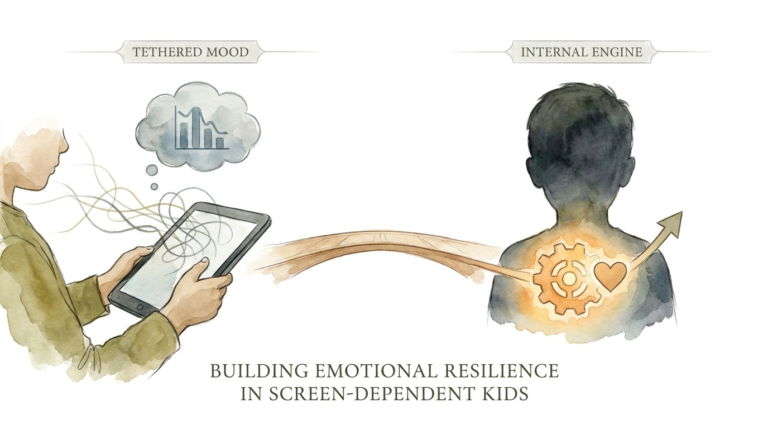
There is also the benefit of **Emotional Resilience**. In a game, if you lose, you can often “buy” your way back to life. In creative play, if your tower falls, you have to deal with the frustration. You have to analyze why it fell and try a different approach. This “productive struggle” is how kids learn that failure isn’t the end of the world—it’s just data.
Finally, there is the social benefit. Most digital spending is a solitary or “parasocial” experience. Physical play is often collaborative. Children must communicate their vision, compromise on the “plot” of their game, and navigate social hierarchies. You can’t buy social intelligence in an app store.
Challenges and Common Mistakes for Modern Parents
One of the biggest hurdles is the **”Quiet Trap.”** Let’s be honest: a child on a tablet is a quiet child. It is very tempting to use an app as a digital babysitter during a long flight or a stressful afternoon. The mistake isn’t using the screen occasionally; the mistake is assuming that “educational” apps are a substitute for physical exploration.
Another challenge is **Social Signaling**. In many popular games like Roblox or Fortnite, having the “default” skin is seen as a sign of being a “noob” or a beginner. Children face immense peer pressure to spend money on digital aesthetics just to fit in. This mirrors real-world fashion trends but moves at the speed of the internet.
Parents often make the mistake of buying **too many structured toys**. A toy that only does one thing—like a plastic dragon that roars when you press a button—is actually closer to an app than it is to creative play. Once the child has pressed the button ten times, the “play” is over. The challenge is to provide “low-threshold, high-ceiling” materials that grow with the child.
There is also the issue of **Digital Literacy**. Many parents don’t realize that their children are being targeted by “loot boxes,” which are essentially unregulated gambling. Assuming a “kid-friendly” game is safe just because of its art style is a frequent error.
Limitations: When the Screen Has a Place
It is important to be realistic. We live in a digital world, and complete abstinence is often impossible or even counterproductive. Digital tools can be incredible for **accessibility**. For a child with limited mobility, a creative app like Minecraft (in Creative Mode) can provide a sense of spatial agency they might not have in the physical world.
Digital play also allows for **global collaboration**. A child can build a complex redstone circuit in a shared world with a friend three time zones away. This develops “digital citizenship” and technical literacy that are vital for the future. The limitation here isn’t the screen itself, but the **passive consumption** vs. **active creation** ratio.
If an app allows a child to compose music, animate a story, or learn the logic of coding, it is a tool. If the app’s primary “loop” is about clicking buttons to collect coins to buy hats, it is a slot machine. The boundary is drawn at **Agency**. Does the child have the power to change the system, or is the system just changing the child’s behavior?
Comparison: Digital Loot vs. Cardboard Castles
| Feature | In-App Purchases (Digital) | Creative Play (Physical) |
|---|---|---|
| Primary Cost | Recurring (Microtransactions) | Zero (Recyclables/Nature) |
| Brain Reward | Extrinsic (Dopamine hits) | Intrinsic (Mastery/Discovery) |
| Skill Focus | Reflexes & Consumption | Executive Function & Fine Motor |
| Social Impact | Status-based (Skins/Purchases) | Collaboration & Conflict Resolution |
| Longevity | Fleeting (Needs next update) | Infinite (Materials are reused) |
Practical Tips for Transitioning to Creative Play
If your child is “hooked” on the digital loop, you can’t just pull the plug overnight without a plan. You need to provide a superior alternative. Start with **The Cardboard Box Challenge**. Give them a large box, a roll of masking tape, and a set of markers. Don’t give them instructions. Let them be bored for ten minutes. Boredom is the “engine” of creativity.
Implement a **Toy Rotation System**. Instead of having every toy available at once, hide 70% of them in the garage. When children have too many choices, they suffer from “decision fatigue” and end up not playing deeply with anything. Bringing out a “new” box of old blocks every two weeks keeps the novelty high without spending a dime.
Create a **”Loose Parts” Bin**. Collect things that usually go in the trash: bottle caps, paper towel rolls, old magazines, fabric scraps, and smooth stones. Put them in a reachable place. When a child asks for a new game, point them to the bin. You’ll be surprised how quickly a bottle cap becomes a steering wheel for a Lego car.
Set **Hard Digital Boundaries**. Instead of “stopping when I say so,” use the built-in “Screen Time” features on your device to lock the app after 30 minutes. This removes you from the role of the “bad guy.” The device simply stops working, and the child learns to manage their time within that window.
Advanced Considerations: The Attention Economy
For the serious practitioner of intentional parenting, understanding the **Attention Economy** is vital. Data scientists at major tech companies are paid millions to make apps “sticky.” They use A/B testing to find the exact shade of red for a notification bubble that most effectively triggers a click.
When we allow children to spend hours in these loops, we are essentially allowing them to be “trained” by algorithms. This has long-term implications for **Cognitive Control**. A brain that is conditioned to respond to external “pings” will struggle with “Deep Work” later in life. Deep work is the ability to focus without distraction on a cognitively demanding task.
Teaching children about **Dark Patterns** is a powerful move. Once a child understands that a game is “tricking” them into wanting a new skin, they often feel a sense of rebellion. Explain how the “Gems” system works. Show them the math of how much a $4.99 pack actually costs in terms of their allowance or hours worked. Empower them to be skeptical users rather than passive consumers.
Example Scenarios: Two Different Saturdays
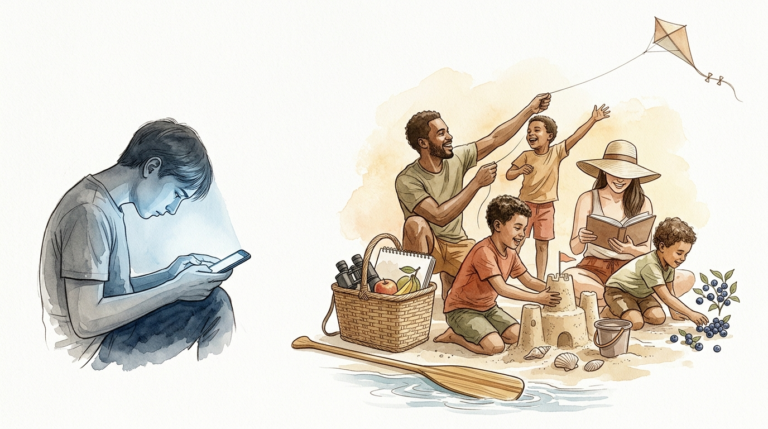
Consider two different afternoons. In **Scenario A**, a seven-year-old spends two hours on a “pet simulator” app. They click a button to feed a digital cat. They watch three 30-second ads to get “Free Gold.” They eventually ask their parent for $2.00 to buy a “Legendary Egg.” By the end, they are overstimulated, irritable, and have created nothing.
In **Scenario B**, the same child is given a pile of old newspapers, some string, and a fan. They spend two hours trying to build a “wind-powered” tunnel. They fail four times. They have to figure out how to tape the paper so it doesn’t rip. By the end, they have a messy living room, a deep sense of pride, and a much better understanding of aerodynamics and structural integrity.
The financial cost of Scenario A is $2.00 plus the “cost” of the data and privacy. The cost of Scenario B is zero. The cognitive “profit” of Scenario B is immeasurable. This is the difference between **FREE IMAGINATION** and **PRICEY STIMULI**.
Final Thoughts
The battle between in-app purchases and creative play isn’t just about screen time; it’s about the “ownership” of a child’s imagination. When we outsource a child’s entertainment to a developer, we are trading their cognitive development for a few minutes of quiet. The best tools for a growing brain aren’t found in the App Store; they are found in the woods, the junk drawer, and the recycling bin.
The next time you feel the urge to download a new game to keep a child occupied, look at the cardboard box sitting in the corner. That box can be anything. It doesn’t need a Wi-Fi connection, it doesn’t have “limited time offers,” and it doesn’t care about your credit card. It only needs a child with the freedom to be bored and the materials to build.
Encourage your kids to be the architects of their own worlds. Start small, provide the “loose parts,” and watch as they stop asking for “Gems” and start asking for more tape. The shift from consumer to creator is the greatest gift you can give their developing brain.
Sources
1 wonderseekerssensoryplay.com.au | 2 communityplaythings.com | 3 jabaloo.com | 4 harvard.edu | 5 eleken.co | 6 kidslox.com | 7 ufl.edu | 8 nih.gov | 9 fairplayforkids.org | 10 nationaleducationsummit.com.au | 11 lillio.com