kids morning routine chart printables free
The difference between a stressful morning and a peaceful one is a system. Give them the tool to lead themselves. If you find yourself yelling ‘get your shoes on’ ten times a morning, you need a precision routine. These free charts turn chores into an autonomous flow.
Mornings are often the most high-stakes hours of a parent’s day. Between the rush to pack lunches and the struggle to find matching socks, the emotional climate of the home can quickly turn from calm to chaotic. This transition from sleep to “out the door” isn’t just a logistical challenge; it is a neurological one for developing brains.
When you rely on verbal commands, you are acting as your child’s external prefrontal cortex. This is exhausting for you and prevents them from building their own executive function skills. A precision routine offloads the cognitive burden onto a visual system, allowing your child to navigate their responsibilities with confidence and speed.
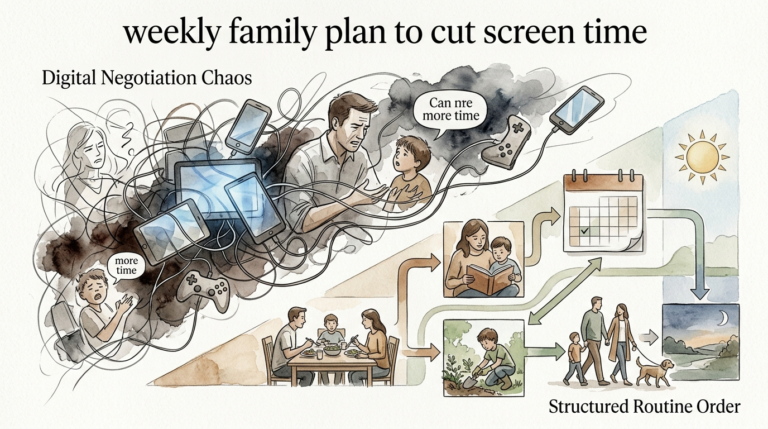
Instead of a morning defined by friction, imagine one defined by flow. By implementing a visual system, you move away from the “nagging cycle” and toward a partnership. This article explores the science of morning routines and provides the frameworks needed to use kids morning routine chart printables free of charge to transform your home environment.
kids morning routine chart printables free
A kids morning routine chart is a visual roadmap that outlines specific tasks in the order they need to be completed. These charts serve as a “point of reference” that replaces the parent’s voice as the primary driver of action. In real-world terms, it turns a series of abstract instructions like “get ready” into a concrete sequence of physical milestones.
For a young child, the concept of “getting ready for school” is overwhelmingly broad. It involves dozens of micro-decisions—choosing clothes, finding a toothbrush, remembering a backpack—that tax their limited working memory. Visual charts use images, icons, and simple text to break these complex sequences into manageable steps that a child can follow independently.
These tools are used in various environments, from Montessori classrooms to clinical settings for children with ADHD or autism. However, they are equally effective for neurotypical children who simply need structure to navigate transitions. By using a printable chart, you provide a consistent external structure that signals safety and predictability to the child’s nervous system.
The beauty of these printables lies in their versatility. They can be simple checklists, “First/Then” boards, or interactive flip charts where tasks are physically moved or checked off. The goal is to create a “Precision Habit Flow” where the child knows exactly what comes next without needing a prompt from an adult.
The Science of the Morning: Why Willpower Fails Kids
Understanding why kids struggle in the morning requires a look at biology. Research shows that cortisol levels naturally peak within 30 minutes of waking up. While this “cortisol awakening response” helps us wake up, it can also amplify feelings of anxiety or irritability if the environment is stressful.
Children also experience “sleep inertia,” a period of reduced cognitive control and attention immediately after waking. During this window, their ability to filter information or follow complex verbal instructions is significantly lowered. When we bark orders at a child who is still in the grip of sleep inertia, we are essentially asking their brain to perform a task it is not yet physically capable of handling efficiently.
Executive function—the set of mental skills that include working memory, flexible thinking, and self-control—is controlled by the prefrontal cortex. This part of the brain is under construction until a person is in their mid-20s. A visual routine chart acts as a “scaffold” for this developing area, providing the organization and planning that the child’s brain cannot yet generate on its own.
How to Implement a Precision Routine System
Creating an autonomous flow requires more than just printing a piece of paper. You must design a system that fits your child’s developmental stage and your family’s unique morning rhythm. Follow these steps to build a routine that actually sticks.
1. Conduct a Morning Audit
Before choosing a chart, observe your current morning for three days. Identify the specific points where the flow breaks down. Is it during the transition from breakfast to dressing? Is it the “shoe struggle” at the front door? Note which tasks cause the most friction and prioritize those on your new chart.
2. Use Habit Stacking
Pair new or difficult tasks with existing, automatic habits. This technique, popularized by James Clear, works exceptionally well for children. For example, if your child always goes to the kitchen for breakfast, place the “brush teeth” reminder on the path between the kitchen and the bathroom. The “current habit” of finishing breakfast becomes the trigger for the “new habit” of dental hygiene.
3. Choose the Right Visual Format
Matching the tool to the age is critical. For toddlers (ages 2–4), use high-contrast images or photos of the child actually performing the task. For elementary-aged children (ages 5–10), a combination of icons and words works best. Older children may prefer a minimalist checklist or a digital version on a tablet that they can check off as they go.
4. The “Launch” Phase
Spend the first week “co-navigating” the chart. Instead of saying “go brush your teeth,” say “what does the chart say is next?” This shifts the authority from you to the system. Walk with them to the chart, let them point to the task, and then watch them execute it. Gradually increase the physical distance between you and the child as they gain confidence.
Benefits of Transitioning to an Autonomous Flow
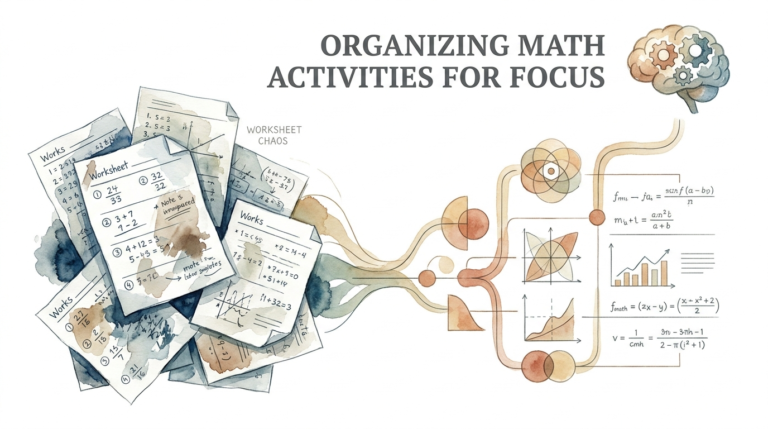
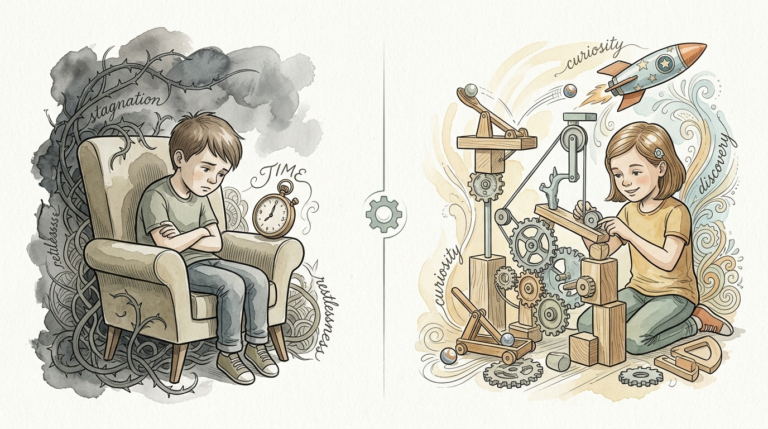
The transition from “Standard Morning Panic” to a “Precision Habit Flow” offers measurable improvements in family dynamics and child development. These benefits extend far beyond just getting to school on time.
Increased Independence: When children follow a visual guide, they internalize the sequence of events. This builds self-reliance and confidence. They stop looking to you for every instruction and start looking at their own capacity to solve problems.
Reduced Power Struggles: Most morning conflicts arise from a clash of wills. When the chart is “the boss,” the parent is no longer the “bad guy.” If a child isn’t dressed, you can simply point to the chart. The conflict is redirected from a person-to-person struggle to a person-to-system requirement.
Improved Executive Function: Using a chart is a form of cognitive training. It teaches children how to plan, how to sequence tasks, and how to manage their time. These are the foundational skills required for academic success and adult life.
Emotional Safety: Predictability is a signal of safety to the brain. When a child knows exactly what to expect every morning, their anxiety levels drop. This leads to fewer meltdowns and a more regulated nervous system for both the child and the parent.
Challenges and Common Mistakes
Even the best systems can fail if they are not maintained correctly. Being aware of these common pitfalls will help you troubleshoot your routine before it falls apart.
The “Nagging the Chart” Trap: If you find yourself yelling “Did you check the chart?” ten times, you have simply replaced one form of nagging with another. This usually happens because the child hasn’t been properly trained to use the system or the chart is located in an inconvenient spot. The chart must be at eye level and in the direct path of the morning traffic flow.
Complexity Overload: Adding too many steps at once is a recipe for failure. A toddler can handle 3–5 steps; an older child can handle 7–10. If the chart is too long, the child will feel overwhelmed and disengage. Keep it to the “must-do” essentials only.
Lack of Consistency: If the chart is used on Tuesday but ignored on Wednesday, the child learns that the system is optional. Habits are built through repetition. To make a routine “precision,” it must be followed every single day until it becomes second nature.
Limitations: When This May Not Be Ideal
While visual routines are powerful, they are not a universal cure for every household challenge. There are specific scenarios where a chart might need to be supplemented or temporarily set aside.
Neurodivergent Support: For children with severe executive function challenges or sensory processing disorders, a printable chart is only one piece of the puzzle. They may require additional sensory “scaffolding”—like noise-canceling headphones during dressing or specific “heavy work” activities—to stay regulated enough to follow the chart.
High-Stress Transitions: During major life changes—like moving house, a new sibling, or a divorce—a child’s emotional need for connection may outweigh their need for a checklist. In these times, “connection before correction” is more important. You may need to revert to a more hands-on approach to provide the emotional safety the child needs.
Age-Specific Obsolescence: Eventually, children outgrow physical charts. Forcing a teenager to use a “sticker chart” designed for a five-year-old will lead to resentment and rebellion. The system must evolve with the child’s maturity, moving from visual icons to digital planners or simple mental checklists.
Standard Morning Panic vs. Precision Habit Flow
The following table illustrates the shift in dynamics when moving from a reactive morning to a proactive, system-based morning.
| Factor | Standard Morning Panic | Precision Habit Flow |
|---|---|---|
| Primary Driver | Parental shouting and verbal prompts | Visual chart and environmental cues |
| Child’s Role | Passive recipient of instructions | Active manager of tasks |
| Emotional Tone | High stress, friction, and anxiety | Predictable, calm, and purposeful |
| Time Management | Reactive (rushing to catch up) | Proactive (following a set pace) |
| Brain Impact | Spikes cortisol and shuts down logic | Builds neural pathways for independence |
Practical Tips for Success
To ensure your kids morning routine chart printables free stay effective over the long term, consider these optimization techniques.
- Laminate Your Charts: Use a dry-erase marker so kids can “check off” tasks and then wipe them clean for the next day. The physical act of checking a box provides a small dopamine hit that encourages the child to continue.
- Location, Location, Location: Place the chart exactly where the action happens. A bathroom routine chart belongs on the mirror. A dressing chart belongs on the closet door. A “launchpad” chart belongs by the front door.
- Involve the Child in Design: Let them choose the colors, the stickers, or the images. When a child helps build the system, they feel a sense of ownership over it. It becomes “their” routine rather than something “imposed” on them.
- Use a “Launchpad”: Designate a specific spot near the door for backpacks, shoes, and coats. The final step on every morning chart should be “Go to the Launchpad.” This prevents the last-minute scramble for missing items.
Advanced Considerations: Gamification and Intrinsic Motivation
For serious practitioners looking to take their morning routines to the next level, consider gamification. This doesn’t necessarily mean offering external rewards like candy or screen time. Instead, focus on “beat the clock” challenges or “leveling up” the routine.
Intrinsic motivation is built when a child feels competent. Highlight their progress by saying things like, “I noticed you finished your whole chart today without me saying a word. That’s big-kid focus!” This reinforces their identity as an independent person. If you do use rewards, keep them linked to the routine itself—such as getting to choose the music in the car on the way to school if the chart is completed on time.
Consider also the “Evening Prep” stack. A truly precision morning starts the night before. Add an “Evening Mini-Chart” that includes laying out clothes and checking the weather. By moving the highest-friction decisions to the night before, you reduce the cognitive load required in the morning.
Examples and Scenarios
Scenario A: The Toddler Transition
Little Leo, age 3, used to have a meltdown every time it was time to put on his shoes. His parents implemented a 3-step visual chart: 1. Eat Oatmeal, 2. Put on Socks, 3. Step into Shoes. They placed the chart at his level on the kitchen wall. Instead of fighting, Leo now “races” to show his mom that he completed step two. The visual cue removed the ambiguity and made the transition a game.
Scenario B: The Elementary Shift
Sarah, age 8, often forgot her homework or water bottle. Her parents created a “Backpack Checklist” printable and taped it to the back of the front door. The checklist includes: Homework folder, Water bottle, Library book, Gym shoes. Sarah now checks her bag against the list before she opens the door. The family has reduced their “return trips” to the house by 90% in the last month.
Final Thoughts
Transforming your mornings is not about creating a rigid, robotic environment. It is about providing the structure that allows for genuine connection. When the “business” of the morning is handled by a system, you are free to spend those precious early hours connecting with your children rather than correcting them.
Start small. Choose one kids morning routine chart printable that fits your child’s current age and focus on just three tasks. As they master those, expand the system. Remember that the goal is not perfection, but progress toward autonomy. Each time your child follows a chart to completion, they are building the brain pathways that will serve them for the rest of their lives.
By shifting from a verbal-heavy morning to a visual-first flow, you are giving your children a gift: the ability to lead themselves. Experiment with different formats, stay consistent, and watch as your stressful mornings dissolve into a peaceful, autonomous flow.
Sources
1 confidenthomeschoolmoms.com | 2 withgracetherapy.com.au | 3 yourmomvillage.com | 4 biermanautism.com | 5 flourishinglivesmi.com | 6 coxcampus.org | 7 lochinesville.com | 8 thenationfund.org | 9 campblue.com.au | 10 socialemotionalworkshop.com | 11 brighthorizons.com | 12 nspt4kids.com | 13 diy.org | 14 coachbit.com | 15 myplinkit.com | 16 instituteofchildpsychology.com | 17 rayzkidz.com | 18 theragen.ca | 19 socialworkerstoolbox.com | 20 childrens.com | 21 brainbalancecenters.com | 22 lifelonglearnerscdc.com | 23 occupationaltherapy.com.au