Screen Time And Child Emotional Regulation
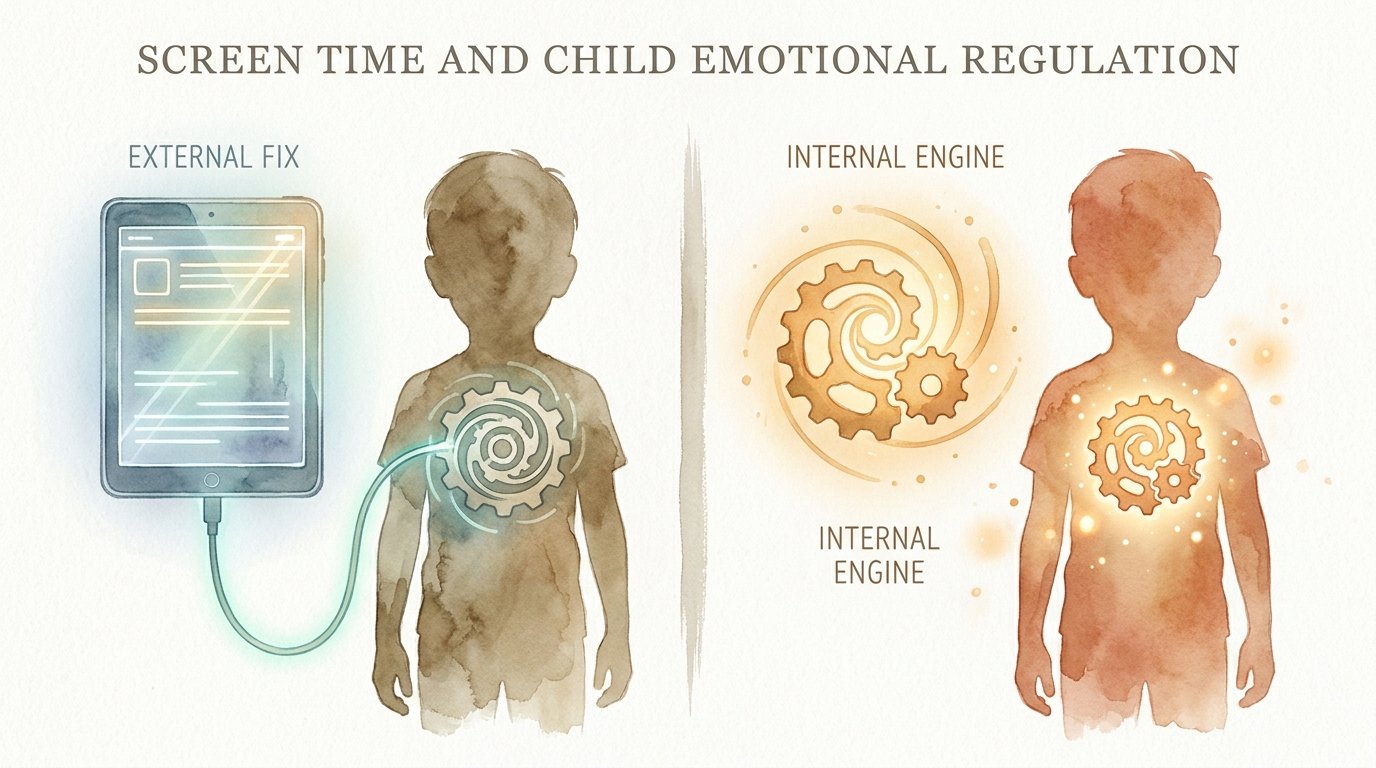
If your child’s emotional stability dies when the battery hits 0%, they haven’t learned a habit—they’ve built a dependency. True resilience is the ability to generate your own fun from nothing. When we outsource a child’s calm to a device, we steal their opportunity to develop an internal engine of creativity. Here is how to spot the difference.

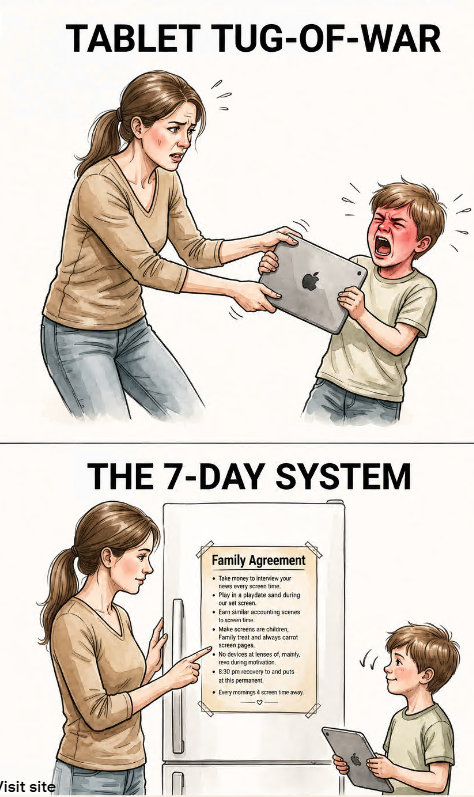
Parenting in the digital age feels like a constant tug-of-war. You want a moment of peace to cook dinner or finish an email. The tablet offers a guaranteed “off” switch for a fussy toddler. It feels like a win in the short term. However, the long-term cost is often invisible until the tantrums become unmanageable.
Understanding the difference between an external fix and an internal engine is the first step toward raising a resilient child. One relies on a constant stream of high-octane digital stimulation. The other relies on a child’s own imagination, patience, and ability to sit with discomfort. This guide explores how to move away from the digital pacifier and help your child build their own emotional power plant.
Screen Time And Child Emotional Regulation
Emotional regulation is the ability to monitor and manage your emotional state. It is a set of skills that helps kids navigate frustration, disappointment, and boredom without exploding. Think of it as a physical muscle. Every time a child handles a “no” or waits for their turn, that muscle gets stronger.
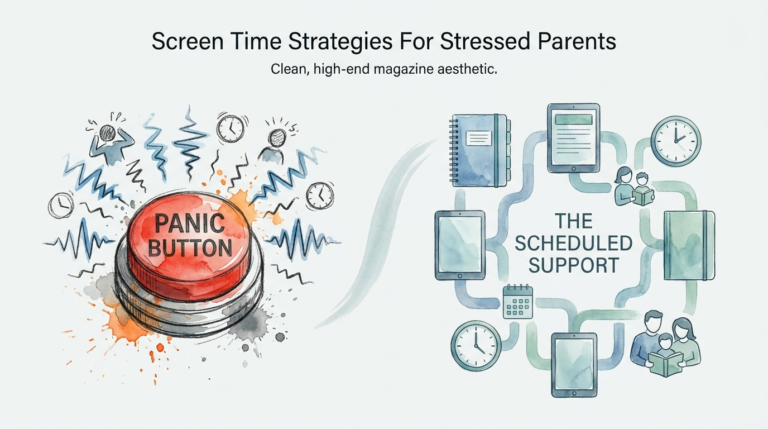
Screen time, particularly when used to soothe a child, acts like a digital prosthetic. It performs the work of calming the nervous system for the child. When a toddler is screaming in a high chair and gets an iPad, the brain receives a massive hit of dopamine. The crying stops instantly. But the child didn’t learn how to calm themselves. The device did it for them.
Recent studies from 2024 published in journals like JAMA Pediatrics show a clear “vicious cycle.” Children who use tablets to manage outbursts at age three often show significantly higher levels of anger and frustration just one year later. This increased frustration leads parents to use screens even more frequently. It is a loop that prevents the brain’s “internal engine” from ever starting.
In real-world terms, this looks like a child who cannot sit through a ten-minute car ride without a screen. It looks like a child who views boredom as a physical emergency. Their emotional stability is tied to a Wi-Fi connection.
The Mechanism of Digital Dependency
Developing a healthy emotional engine requires “effortful control.” This is the ability to inhibit an automatic response—like screaming—and choose a deliberate one. Screens bypass this process. They provide immediate, high-reward stimulation that requires zero effort from the child.
When a child is constantly stimulated by fast-paced videos or interactive games, their baseline for “excitement” rises. Their brain becomes accustomed to a high level of dopamine. Simple, analog activities like drawing or playing with blocks start to feel painfully slow. These quiet activities don’t provide the same chemical spike.
The brain’s “Default Mode Network” (DMN) is where creativity and reflection live. This network only activates when the mind is at rest or daydreaming. If every “gap” in a child’s day is filled with a screen, the DMN never gets to work. The child loses the ability to generate their own entertainment because the creative engine has stalled from lack of use.
Benefits of Building an Internal Engine
Choosing the harder path of teaching self-regulation yields massive rewards. Children who can manage their own emotions are more successful in school and social settings. They don’t just “behave” better; they feel more capable.
Resilience in the face of failure. A child who generates their own fun knows how to handle a game that doesn’t go their way. They have the emotional stamina to try again.
High-level creativity. Boredom is the precursor to innovation. When a child has nothing to do, they transform a cardboard box into a spaceship. This is the “internal engine” at work, fueled by curiosity rather than an algorithm.
Improved executive function. Kids who aren’t reliant on digital pacifiers show better focus and impulse control. They can wait for rewards because they have practiced the “muscle” of patience daily.
Stronger parent-child bonds. Co-regulation—calming down together through touch and talk—builds deep trust. A screen is a barrier between parent and child. A shared moment of calming down is a bridge.
Challenges and Common Pitfalls
The path to an internal engine is not easy. It involves more noise and more struggle in the beginning. Many parents fall into the “digital pacifier” trap because they are exhausted. This is a survival mechanism, but it has a high interest rate.
One common mistake is expecting a child to “just play” after a period of heavy screen use. The transition is often rocky. The brain needs time to “detox” from the high-stimulation environment. Expecting instant creativity from a child who just spent two hours on YouTube is unrealistic.
Another pitfall is the “fear of boredom.” Parents often feel they are failing if their child is whining about being bored. They rush to schedule an activity or hand over a device. In reality, that whine is the sound of the engine trying to turn over. If you fix the boredom for them, you kill the spark of creativity.
Consistency is the biggest hurdle. If screens are the reward for a tantrum 20% of the time, the child will gamble for that reward every single time. Intermittent reinforcement is the most powerful way to wire a behavior. If you give in once, the child learns that the screen is always a possibility if they just scream loud enough.
Limitations and Realistic Boundaries
Total digital abstinence is rarely the goal. Screens are a part of modern life and offer genuine educational value when used correctly. The problem isn’t the screen itself; it is the function the screen serves.
Screen time as a tool for learning or social connection is different from screen time as an emotional regulator. Using a video call to talk to a grandparent is an “internal engine” activity—it requires social effort and focus. Watching an educational show together and discussing it can be beneficial.
High-stress situations also exist where a screen might be a necessary temporary tool. A long-haul flight or a painful medical procedure might call for a distraction. The goal is to ensure the screen is the exception, not the default response to every moment of discomfort.
Environmental limitations matter too. If you live in an area without safe outdoor play spaces, building that internal engine requires more intentionality indoors. You cannot simply tell a child to “go play” if there is nowhere to go. In these cases, the “engine” needs to be built with sensory bins, building blocks, and open-ended art supplies.
External Fix vs. Internal Engine
Comparing these two approaches helps clarify the long-term goal. The external fix is about managing the *moment*. The internal engine is about managing a *life*.
| Feature | External Fix (Screen) | Internal Engine (Resilience) |
|---|---|---|
| Source of Calm | External (App/Video) | Internal (Self-Soothe) |
| Effort Required | Zero / Passive | High / Active |
| Long-Term Result | Lowered Tolerance | Increased Resilience |
| Creativity Level | Consumer-based | Creator-based |
| Parental Role | Provider of content | Coach of emotions |
Practical Tips For Parents
Building an internal engine requires a shift in how you handle everyday friction. It is about creating “screen-free windows” and teaching specific tools for regulation.
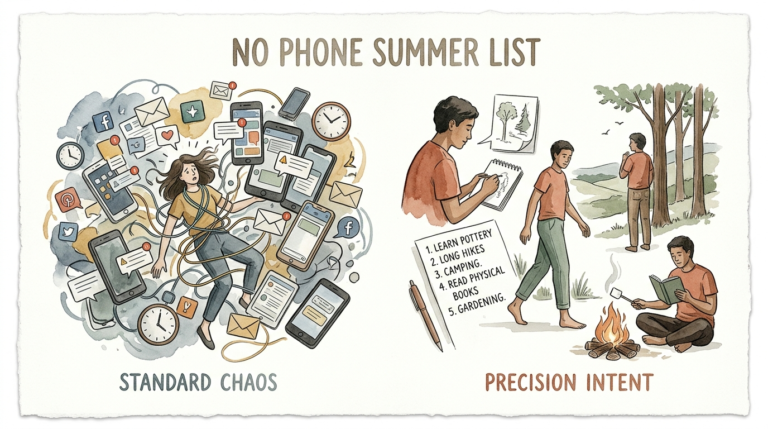
- Designate No-Tech Zones. Keep phones and tablets away from the dinner table and the car. These are prime spaces for boredom to spark conversation and observation.
- Teach “Belly Breathing.” Give them a physical tool to use when they feel the “big feelings” coming. Practice this when they are calm so they can access it when they are upset.
- Use Sensory Resets. A splash of cold water on the face or a heavy “bear hug” can reset the nervous system faster than a screen. Physical sensations bring children back to the present moment.
- Embrace the Whine. When your child says “I’m bored,” acknowledge it without fixing it. Say, “I hear you. I wonder what your brain will come up with next.” Then, step back.
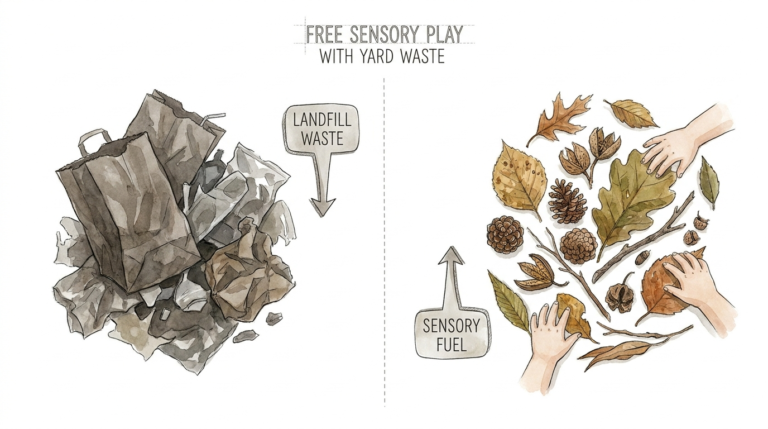
- Curate Open-Ended Toys. Blocks, silks, clay, and figurines don’t tell the child how to play. They require the internal engine to run. Avoid toys with batteries that “perform” for the child.
Advanced Considerations for Long-Term Growth
As children grow, the internal engine needs to be “tuned” for more complex challenges. Neuroplasticity—the brain’s ability to rewire itself—is at its peak in childhood. This means every moment of struggle you allow them to navigate is literally building a more robust brain.
Focus on “effortful control” as the ultimate metric of success. This isn’t just about screen time; it’s about how they handle any difficult task. If they are struggling with a puzzle, resist the urge to do it for them. The frustration they feel is the precise moment their brain is growing.
The “Default Mode Network” becomes more sophisticated as children age. Older kids can learn to enjoy deep focus through hobbies like coding, woodworking, or reading long-form fiction. These activities are the high-performance fuel for the internal engine. They require sustained attention, which is the direct opposite of the fragmented attention required by social media and short-form video.
Understand that your own digital habits are the primary model. Children watch how we handle our own boredom and stress. If you reach for your phone the second you have a free minute, they will learn that an “external fix” is the standard human response to quiet.
Examples of Theory in Practice
Consider the “Grocery Store Scenario.” A toddler is sitting in the cart and starts to get restless. They begin to whine for a snack or a toy.
The External Fix Approach: You hand over your smartphone and open a cartoon. The child becomes silent and motionless. You finish shopping in peace. However, the next time you go to the store, the child starts whining earlier because they know the “reward” is coming. They never learn to observe the environment or engage in small talk with you.
The Internal Engine Approach: You engage the child. “Can you help me find the red apples?” or “Let’s count how many blue boxes we see.” If they continue to whine, you let them sit with the discomfort. You acknowledge the feeling: “It’s hard to wait. We will be done soon.” The child learns that boredom is a temporary state they can survive. They might start singing a song to themselves or playing with their shoes. That is the internal engine starting up.
Another example is the “Restaurant Wait.” Instead of a tablet, you bring a small bag of “analog” tools: a notepad, three crayons, and a few small animals. The child has to use their imagination to bridge the 20-minute gap. They are practicing the exact skills they will need for academic focus and social patience later in life.
Final Thoughts
Building an internal engine of creativity and emotional regulation is one of the greatest gifts you can give a child. It is the difference between a child who is easily manipulated by external stimuli and one who is grounded in their own self-reliance. It is the difference between a consumer and a creator.
Transitions are always the hardest part. If you have been relying on “digital pacifiers,” the first few weeks of cutting back will be loud. There will be more tantrums, not fewer, as your child’s brain recalibrates to a lower dopamine baseline. Stay the course. The peace that comes on the other side is genuine, not manufactured by an app.
Encourage your child to sit in the quiet. Let them get messy. Let them be bored. Every time they find their own way back to calm, they are proving that they don’t need a battery to be whole. They are building an engine that will power them for the rest of their lives.
Sources
1 medium.com | 2 safariltd.com | 3 thewhitehatter.ca | 4 subscriptionboxkids.com | 5 webmd.com | 6 powershealth.org | 7 youtube.com | 8 buildingbrains.ca | 9 manhattanpsychologygroup.com | 10 korupsychology.ca | 11 wonjo.kids | 12 hellopediatrics.com | 13 yourtherapysource.com | 14 youngsproutstherapy.com