Protecting Children From Social Media Algorithms
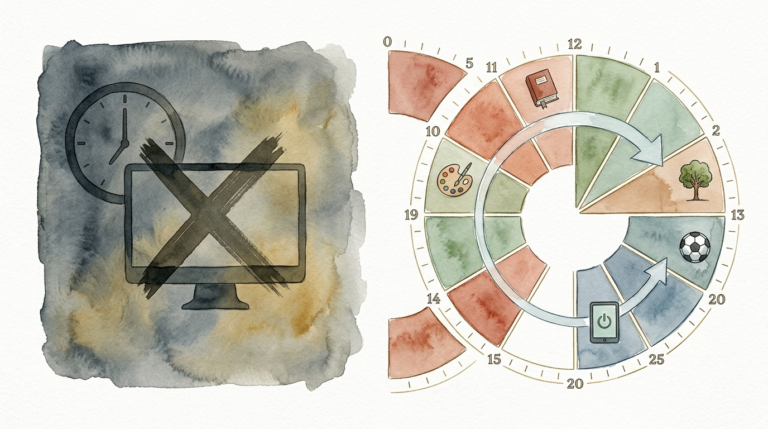
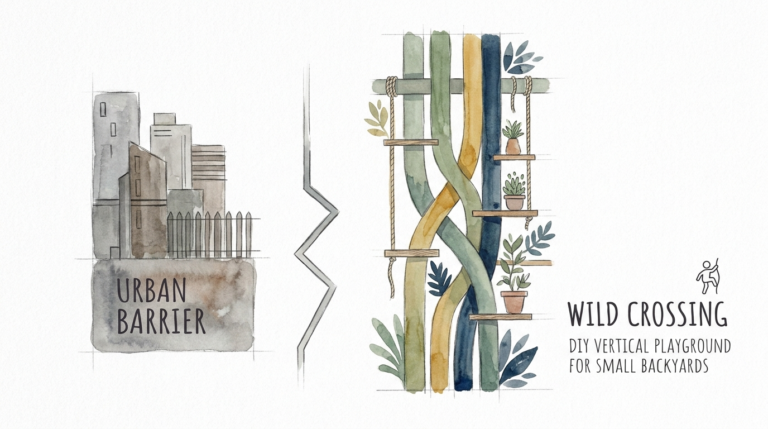
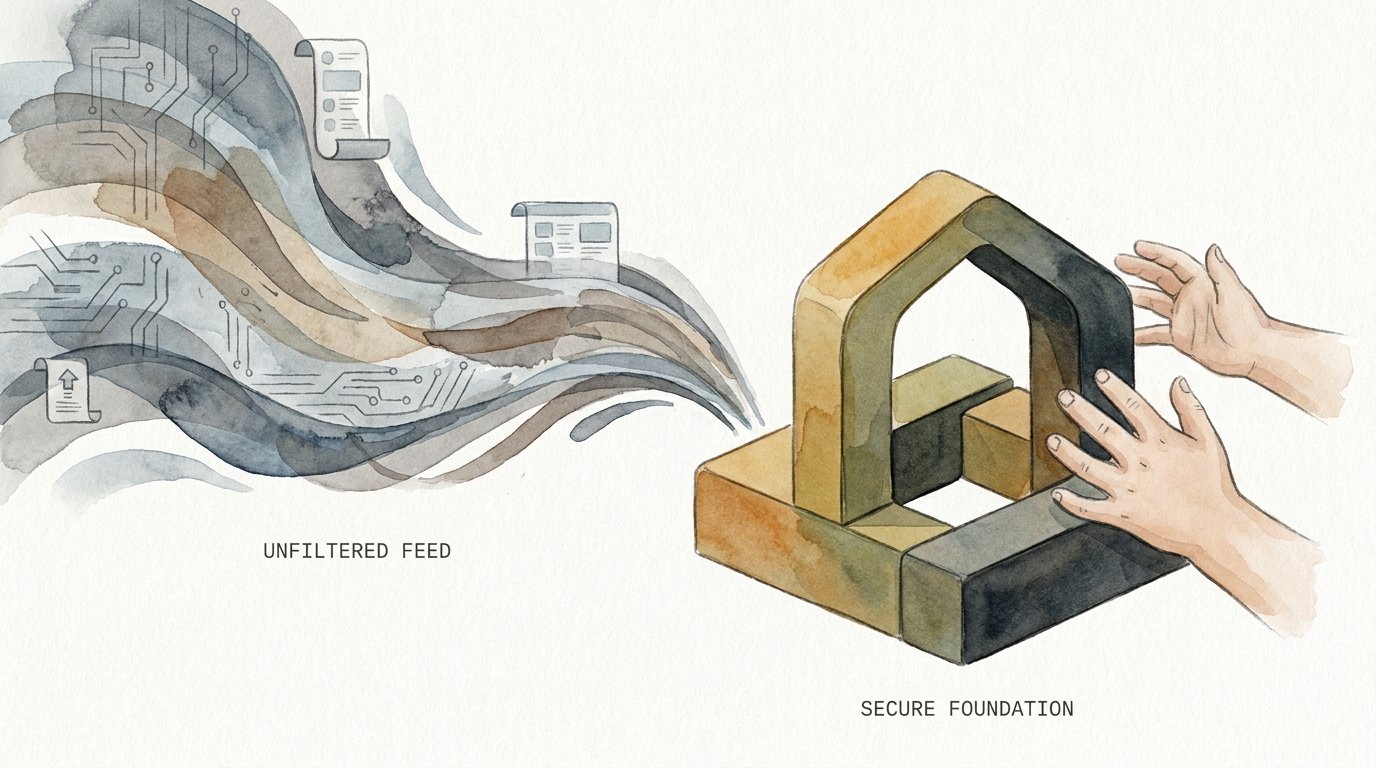
One exposes them to a global algorithm; the other shelters them within a local legacy. We think they are safe because they are on the couch, but the tablet opens a door to a world that doesn’t care about their development. The No-iPad Playbook isn’t about hiding; it’s about building a fortress of belonging first.

If you have ever felt that sinking feeling watching your child’s face go slack in the glow of a screen, you aren’t alone. We were told these devices were educational tools, but they often feel more like slot machines. They provide high-octane stimulation that a book or a wooden block can never match.

This guide is your roadmap to reclaiming your home. It’s a step-by-step strategy to transition from a digital-first environment to one rooted in real-world discovery. We are moving away from being passive consumers and toward being active creators.
Let’s explore how you can build a secure foundation that protects your child’s most valuable asset: their attention.
Protecting Children From Social Media Algorithms
Social media algorithms are not your friend. They are complex mathematical systems designed with one goal: keeping the user on the platform for as long as possible. For an adult, this is a distraction. For a child, it is a fundamental disruption of their neurological development.
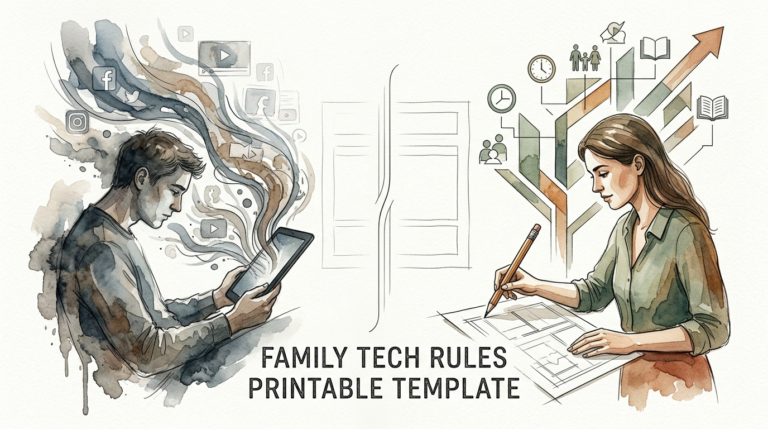
These algorithms work by monitoring every micro-interaction. They track how long a child pauses on a video, which colors they respond to, and how quickly they scroll. Within minutes, the system builds a psychological profile. It begins feeding them content that triggers dopamine hits, creating a cycle of “just one more video.”
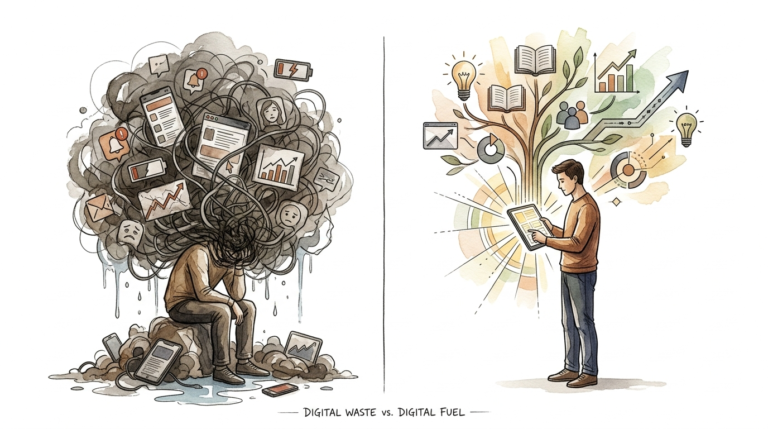
Think of it like a high-tech candy dispenser that learns exactly what flavor you crave at every moment. It doesn’t matter if the candy is healthy; the dispenser only cares that you keep pulling the lever. This is where the UNFILTERED FEED becomes dangerous. It lacks the moral or developmental guardrails that a human parent provides naturally.
In the real world, a child learns through “joint attention”—the act of looking at an object together with a parent and talking about it. Algorithms destroy this. They pull the child into a solitary, hyper-stimulated loop where the parent is often seen as an interruption rather than a partner. Protecting your child means understanding that these platforms are built to harvest attention, not to nurture it.
The No-iPad Playbook: How to Implement the Strategy
Implementing the No-iPad Playbook is about intentional friction. We live in a world designed for “seamless” digital access. To protect your kids, you have to put the seams back in. This isn’t a ban; it’s a structural redesign of your home environment.
The first step is the “Device Audit.” Take stock of every screen in your house. Which ones are communal, and which ones are personal? The Playbook suggests moving away from personal, hand-held devices and back toward shared, stationary screens. If a child wants to watch a show, it happens on the living room TV, not in their lap in the corner.
Next, you must provide “Analog Alternatives” that are high-quality. You cannot simply take away a tablet and leave a vacuum. Boredom is a gift, but it requires tools. Stock your home with open-ended toys: blocks, art supplies, and high-quality books. These tools encourage active play rather than passive consumption.
Communication is the final piece. Talk to your kids about how the “machines” work. Explain that the apps are designed to make them feel like they can’t stop. When a child understands they are being manipulated by a computer program, it gives them a sense of agency. They aren’t “bad” for wanting the screen; they are reacting to a very powerful system.
The Measurable Benefits of a Screen-Light Childhood
When you reduce the influence of social media algorithms, the benefits show up almost immediately in your child’s behavior. The most obvious change is the restoration of the attention span. Without the constant rapid-fire stimulus of 15-second videos, children begin to regain the ability to focus on “slow” activities like reading or drawing.
Emotional regulation also improves significantly. Many parents report that the “screen tantrums”—the meltdowns that happen when a tablet is taken away—disappear within two weeks of a digital detox. This happens because the child’s brain is no longer relying on external dopamine spikes to feel “okay.”
Socially, kids who aren’t tethered to iPads are more observant. they learn to read facial expressions, navigate boredom in public, and engage in “joint attention” with the people around them. They are building a SECURE FOUNDATION of social skills that will serve them for the rest of their lives.
Finally, there is the benefit of physical health. Screen-free time naturally leads to more movement. Whether it’s playing outside or just building a fort in the living room, these activities develop gross motor skills and combat the sedentary lifestyle that digital devices encourage.
Challenges and Common Mistakes to Avoid
The biggest challenge is parental exhaustion. We often use the iPad as a “digital babysitter” because we are tired. It is a tool for survival in a world with very little community support. Recognizing this is the first step toward finding sustainable alternatives.
A common mistake is the “Cold Turkey” approach without a plan. If you take away the devices on a rainy Tuesday without having other activities ready, everyone will be miserable. You have to build the environment of play before you remove the environment of consumption.
Another pitfall is “Technological Hypocrisy.” If you are telling your child to stay off their tablet while you are scrolling through your own feed, the message is lost. The No-iPad Playbook requires parents to model the behavior they want to see. This might be the hardest part of the entire process.
Avoid the trap of “Educational App” justifications. Many apps marketed as educational are still built on the same engagement-loop principles as social media. They use flashing lights and rewards to keep kids clicking. Real education usually involves struggle and slow thinking—the very things these apps try to eliminate.
Limitations and Realistic Constraints
This approach is not a magic wand. There are realistic constraints that every family must navigate. For example, many schools now require the use of tablets for homework or classroom activities. In these cases, you cannot be a “no-screen” household in the absolute sense.
Digital literacy is also a factor. You don’t want your child to be completely “tech-illiterate” in a world that runs on code. The goal is to delay personal device ownership and unmonitored access, not to pretend the internet doesn’t exist. There is a balance between protection and preparation.
Environmental limitations also play a role. If you live in an area without safe outdoor play spaces or community centers, the “just go outside” advice feels hollow. You have to adapt the Playbook to your specific geography and safety needs.
Sometimes, life happens. In the middle of a family emergency or a long-haul flight, a tablet might be the only tool you have to keep the peace. Using technology as a rare, specific tool is different from using it as a default lifestyle. The Playbook is about the 90%, not the 10% of exceptions.
Comparison: Unfiltered Feed vs Secure Foundation
The choice between these two approaches determines the “operating system” of your child’s brain.
| Feature | Unfiltered Feed | Secure Foundation |
|---|---|---|
| Source of Content | Profit-driven global algorithms. | Curated by parents and community. |
| Pace | Rapid-fire, high-dopamine. | Slow, intentional, and reflective. |
| Social Interaction | Solitary and parasocial. | Relational and joint-attentional. |
| Attention Goal | Harvesting and retention. | Building focus and deep thinking. |
| Emotional Impact | Increased anxiety and FOMO. | Resilience and internal regulation. |
While the Unfiltered Feed offers instant convenience, the Secure Foundation offers long-term stability. One treats the child as a consumer; the other treats them as a developing human being with a unique legacy to build.
Practical Tips and Best Practices
Start small by creating “Screen-Free Zones.” The kitchen table and the car are the best places to begin. These are natural spaces for conversation. By removing the screen from these areas, you force the family back into social interaction.
Implement a “24-Hour Cooling Off” period for new apps or games. If your child asks for a specific app, wait a full day before saying yes. This breaks the cycle of impulsive digital consumption and gives you time to research whether the app is truly beneficial or just another engagement trap.
Use “Dumb Devices” for specific tasks. If your child wants to listen to music, get them a basic MP3 player or a CD player. If they want to take photos, get them a digital camera. Separating the functions from the “all-in-one” internet portal of a tablet reduces the urge to mindlessly scroll.
Curate a “Boredom Box.” This is a physical bin filled with items like playdough, old magazines for collages, puzzles, or intricate coloring books. When the “I’m bored” complaint inevitably arrives, point them to the box. It provides the initial “spark” needed to start creative play without the help of a screen.
Advanced Considerations for Long-Term Success
For parents who want to go deeper, understanding “Neuroplasticity” is key. A child’s brain is constantly pruning connections based on their environment. If that environment is a digital one, the brain optimizes for quick-shifting attention and shallow processing. To build a “resilient brain,” you must provide environmental complexity.
Scaling this approach as your child gets older requires shifting from “Protection” to “Mentorship.” Eventually, they will have a smartphone. The goal of the No-iPad Playbook is to ensure that by the time they get one, their “Secure Foundation” is so strong that the algorithm has less power over them. They will have hobbies, real-world friends, and a sense of self that isn’t tied to “likes.”
Consider the concept of “Digital Minimalism” for the whole family. This involves evaluating every piece of technology based on whether it adds value to your life or merely steals your time. When children see parents making intentional choices about tech, they internalize those values as their own.
Performance improvements in school are a frequent side effect of this strategy. Deep work—the ability to focus on a hard task for a long period—is a “superpower” in the 21st century. By protecting your child from algorithms now, you are giving them a competitive edge in their future career and education.
Example Scenario: The “Bored” Saturday Afternoon
Imagine two different Saturday afternoons. In the first, the child is given an iPad because the parents are busy with chores. The child spends three hours watching “unboxing” videos and gaming clips. By dinner time, the child is irritable, has a headache, and struggles to transition to eating.
In the second scenario, following the No-iPad Playbook, the parents point the child toward a pile of cardboard boxes and some masking tape. The child initially complains but eventually starts building a “fortress.” Two hours later, they are deep in an imaginary world, having practiced spatial reasoning, problem-solving, and creativity.
The first child was “quiet,” but their brain was on a treadmill. The second child was “loud” and perhaps created a mess, but they were building neural pathways. They come to the dinner table energized and eager to tell the family about their “fortress.” This is the practical difference between consumption and creation.
Final Thoughts
Building a home that resists the pull of social media algorithms is one of the most challenging things a modern parent can do. It requires constant intentionality and a willingness to be “the weird house” on the block. However, the rewards are measured in the look of focus in your child’s eyes and the strength of your family’s bond.
This journey isn’t about being perfect; it’s about being present. Every hour spent away from a screen is an hour spent in the real world, building a legacy that no algorithm can replicate. You are not just raising a child; you are protecting a future adult’s ability to think, feel, and connect deeply.
Start today by reclaiming one space—the car ride, the dinner table, or the hour before bed. Once you see the spark of real-world curiosity return, you won’t want to go back. Experiment with the analog world, and watch your child’s secure foundation grow stronger every day.
Sources
1 yipiyap.co.uk | 2 fosi.org | 3 richroll.com | 4 berkeley.edu | 5 reddit.com | 6 strategyimplementationinstitute.org | 7 raisedgood.com | 8 behavenkids.com | 9 medium.com | 10 apnews.com | 11 expressvpn.com | 12 thetech.com | 13 childrenandscreens.org | 14 brookings.edu | 15 thekidscareclinic.com | 16 startearly.org | 17 nih.gov | 18 latimes.com