Backyard Wildlife Habitat Projects For Kids
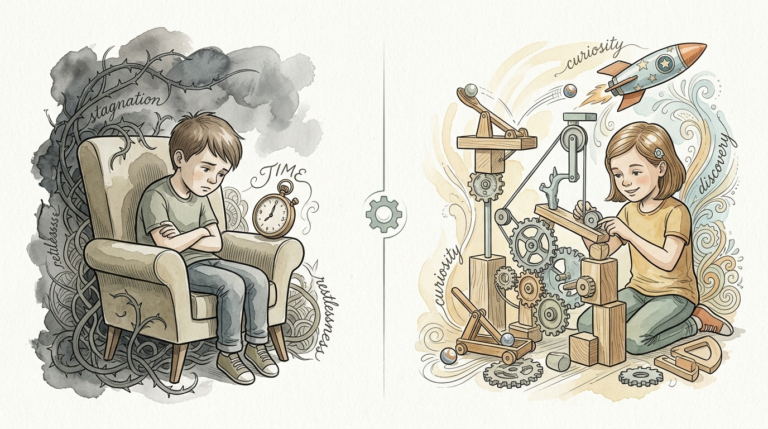
We’ve taught our kids to fear the ‘mess’ of nature, but that mess is where the wonder lives. A mowed lawn is a biological desert. When we help our kids transition a corner of the yard from ‘urban order’ to ‘wild habitat,’ we give them a front-row seat to the cycle of life. They stop seeing bugs as pests and start seeing them as partners in a living system.
Watching a child discover a toad tucked into a cool clay pot or seeing them track the progress of a monarch caterpillar is a transformative experience. It moves nature from a screen to their fingertips. This guide will help you and your family reclaim a piece of the earth, turning a static patch of grass into a vibrant, living classroom.
Backyard Wildlife Habitat Projects For Kids
A backyard wildlife habitat is more than just a garden; it is a functional ecosystem designed to provide the four essential pillars of survival: food, water, shelter, and a place to raise young. In the real world, these habitats act as vital “stepping stones” for migratory birds and pollinators, connecting fragmented landscapes in our increasingly urbanized world.
Think of your backyard as a “mini-national park.” While a manicured lawn offers almost zero ecological value, a wild habitat provides specialized niches for everything from solitary bees to elusive salamanders. When kids build these spaces, they aren’t just doing a craft; they are becoming land stewards. They learn that every log, stone, and stem serves a purpose in the greater web of life.
How to Build Your Living Laboratory: Step-by-Step Projects
Creating a habitat doesn’t require a degree in ecology or a massive budget. You can start with simple, high-impact projects that yield immediate results.
The Multi-Story Bug Hotel
This project provides overwintering sites for beneficial insects like ladybugs, lacewings, and solitary bees.
- Materials: Untreated wooden pallets, old bricks, hollow bamboo canes, pinecones, dry leaves, and bark.
- The Build: Stack three or four pallets on a base of sturdy bricks. Fill the gaps with different materials to attract different “tenants.”
- Niche Packing: Use hollow stems for bees, dry leaves for ladybugs, and large logs at the base for beetles or even hedgehogs.
- Placement: Choose a spot that gets a mix of sun and shade. Solitary bees prefer warm, sunny spots, while woodlice and centipedes love the cool, damp lower levels.
The Toad Tavern (Toad Abode)
Toads are incredible garden partners because they eat thousands of slugs and mosquitoes.
- Materials: A medium-sized terra cotta pot and a shallow saucer.
- The Build: Dig a small hole in a shady spot under a shrub. Lay the clay pot on its side, half-buried in the dirt so it stays cool.
- The Amenities: Place a shallow saucer of water nearby. Toads don’t drink with their mouths; they soak up water through their skin, so keep the saucer full and the soil inside the pot damp.
The Butterfly Puddling Station
Butterflies can’t drink from open water like birds can. They need “puddling” spots to get essential minerals from the soil.
- Materials: A shallow dish, sand, and a few flat rocks.
- The Build: Fill the dish with sand and bury it so the rim is level with the ground. Saturate the sand with water and place a flat rock on top for basking.
- The Science: Kids can watch as butterflies land on the wet sand to “wick” up moisture and salts, providing a great opportunity to discuss insect physiology.
The Habitat Brush Pile
Instead of bagging up fallen branches, use them to create a high-density shelter for birds and small mammals.
- The Technique: Lay your largest logs down first in a crisscross pattern to create “tunnels” at the base. Stack smaller branches on top, ending with a layer of evergreen boughs or fine twigs.
- The Result: This creates a safe haven from predators and harsh weather, often becoming a favorite hiding spot for wrens and sparrows.
Benefits of the Rewilding Approach
Transitioning your yard offers measurable benefits for both the environment and your children’s development.
1. Cognitive and Academic Growth: Research shows that children who interact with natural environments perform better in reading, math, and science. These projects turn abstract concepts like “metamorphosis” or “food webs” into tangible, observed realities.
2. Mental Health and Resilience: Exposure to “nature-rich” spaces reduces stress and anxiety in children. Engaging in “risky play”—like climbing a sturdy tree in their habitat or handling a garden beetle—builds confidence and problem-solving skills that classroom learning cannot replicate.
3. Biodiversity Recovery: Small urban gardens can act as “islands” of life. By planting native species and providing shelter, you are directly supporting the recovery of local pollinator populations and songbirds.
Challenges and Common Mistakes
Building a habitat is a learning process, and there are several pitfalls that can undermine your efforts.
The “Too Clean” Trap: Many parents feel the urge to “tidy up” by removing leaf litter or dead flower heads. This is a mistake. Leaf litter is where many butterflies spend their winter in the larval stage, and dead flower heads provide critical winter seeds for birds.
The Wrong Plant Palette: Planting invasive species is a frequent error. For example, European bird cherry might look nice, but it can spread uncontrollably and disrupt local ecosystems. Always check if a plant is native to your specific zip code before adding it to your habitat.
Pesticide Use: Using chemicals to kill “pest” insects will also kill the beneficial ones you are trying to attract. If you spray for aphids, you are also poisoning the ladybugs that would have eaten them and the birds that would have fed on the ladybugs.
Limitations: When the “Wild” Approach Needs Adjustment
Not every yard can be a 100% wild meadow. There are realistic constraints to consider.
Small Spaces and Balconies: If you live in an apartment, you can’t build a brush pile. However, you can still participate by using container gardens with native nectar plants or hanging a “solitary bee house” on a sunny wall.
HOA and Local Ordinances: Some homeowners’ associations have strict rules about lawn height and “neatness.” In these cases, you can use “cues to care”—like a low decorative fence or a neatly mulched border—around your wild corner to show that the “mess” is intentional and managed.
Predator Risks: Bird feeders and baths can inadvertently become “traps” if placed too close to cover where outdoor cats can hide. Ensure all bird-related projects are at least 10 feet away from dense shrubs to give birds a clear flight path to escape.
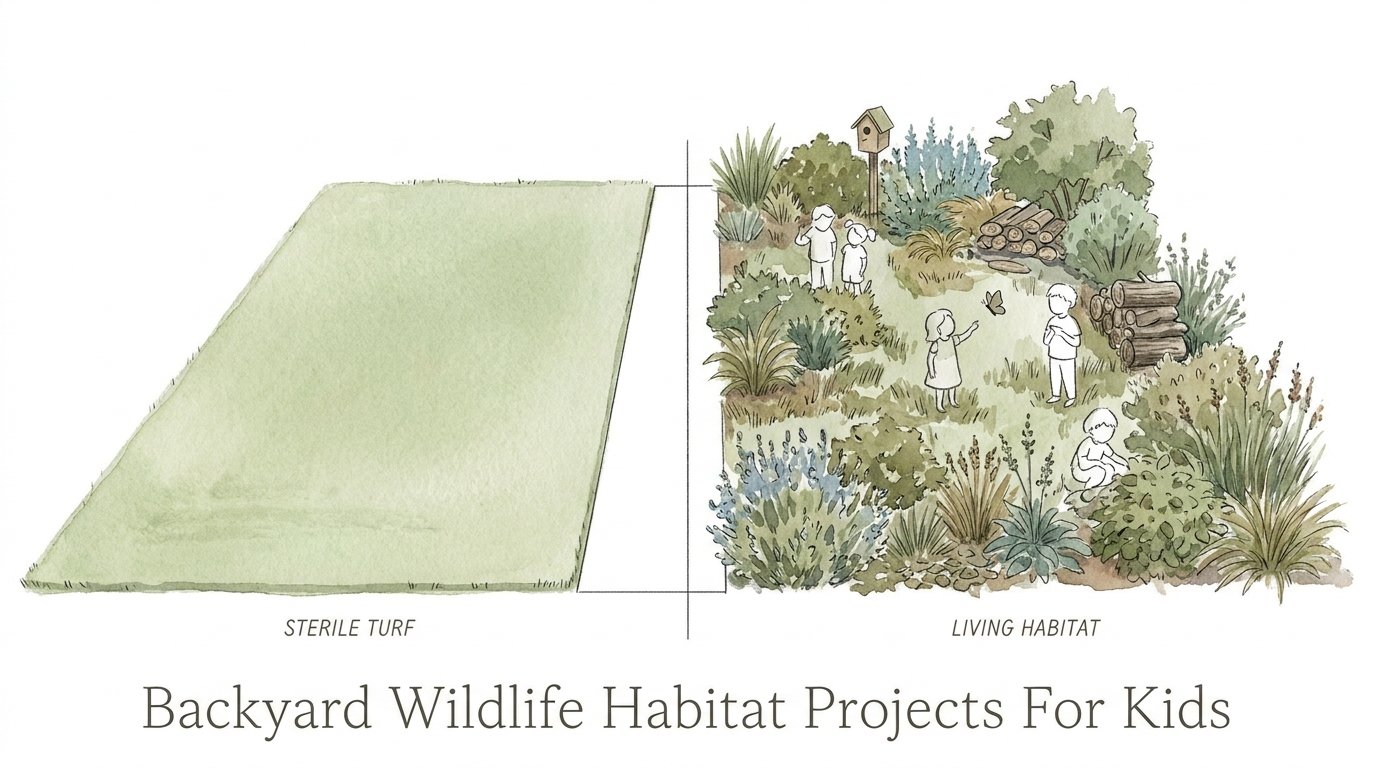
Sterile Turf vs. Living Habitat
| Feature | Sterile Turf (Mowed Lawn) | Living Habitat (Backyard Project) |
|---|---|---|
| Biodiversity | Near zero; mostly non-native grass. | High; supports hundreds of species. |
| Maintenance | Weekly mowing, fertilizing, and watering. | Seasonal pruning; no fertilizers needed. |
| Child Interaction | Passive; running and ball games. | Active; observation, discovery, and stewardship. |
| Water Usage | High; requires constant irrigation. | Low; native plants are adapted to local rain. |
| Educational Value | Minimal. | Extensive; biology, ecology, and weather. |
Practical Tips for Success
To ensure your projects thrive, follow these best practices:
- Think in Layers: Nature doesn’t live on a flat plane. Aim for a mix of tall canopy trees, mid-level shrubs, and ground-level wildflowers to provide the most niches.
- Plant in Clusters: Pollinators like butterflies can spot large groups of the same flower much easier than a single plant. Group at least three of the same species together.
- Keep the Water Clean: If you install a birdbath or frog hotel, change the water every two days to prevent mosquito breeding and the spread of avian diseases.
- Use Native “Keystone” Plants: Focus on plants like oaks, cherries, and sunflowers, which support a disproportionately large number of insect and bird species.
Advanced Considerations for Dedicated Stewards
Once your kids have mastered the basics, you can move into more complex ecological management.
Citizen Science Integration: Turn your backyard observations into real data. Use apps like iNaturalist or participate in projects like the Cornell Lab’s NestWatch. Tracking when the first monarch arrives or when the bluebirds fledge helps scientists understand the impacts of climate change on local wildlife.
Succession Management: Teach your kids about how habitats change over time. A brush pile will eventually decay and become rich soil, attracting different creatures at each stage. Discussing this “life after death” for natural materials deepens their understanding of nutrient cycling.
Example: The “Weekend Rewilding” Scenario
Imagine a typical Saturday. Instead of spending two hours pushing a mower, a family decides to transform the back-left corner of their yard.
- Hour 1: The kids gather “loose parts” like fallen limbs and stones from around the neighborhood. They build a three-layer brush pile in the corner.
- Hour 2: They dig a shallow hole for a “Toad Tavern” and plant three native coneflowers nearby.
- The Result: By Sunday evening, a toad has moved into the pot, and two bumblebees are visiting the flowers. Total cost: $15 for the plants. Total impact: A permanent increase in local biodiversity.
Final Thoughts
Creating a backyard wildlife habitat is a powerful way to “rewild” your children’s childhood. It replaces the sterile boredom of a flat lawn with the high-energy excitement of a living ecosystem. By providing food, water, and shelter, you aren’t just helping nature; you are raising a generation that understands their place within it.
Start small. Choose one corner, one project, or one native plant. As the “mess” grows, so will the wonder. You’ll soon find that the best part of your yard isn’t the part you mow—it’s the part where the wild things are. Encouraging this connection today ensures that our kids will grow up not just as consumers of nature, but as its fiercest protectors.
Sources
1 nwf.org | 2 phsonline.org | 3 rspb.org.uk | 4 woodlandtrust.org.uk | 5 ct.gov | 6 kidsgardening.org | 7 mrhandyman.com | 8 mahoneysgarden.com | 9 monbiot.com | 10 nature.org | 11 sierraclub.org | 12 homesandgardens.com | 13 childhoodbynature.com | 14 climashield.com | 15 plt.org | 16 activeforlife.com | 17 jointhewildlife.com | 18 naturalearning.org