car activities without screens
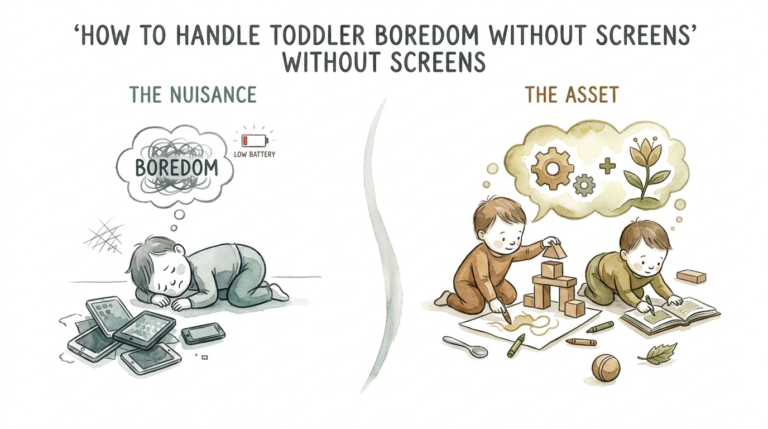
The secret to a peaceful road trip isn’t a charger—it’s a change of perspective. Tired of the ‘iPad fog’ on long drives? We’re trading static screens for dynamic discovery. Here is how we keep the backseat buzzing with creativity instead of WiFi.
Modern travel often feels like a race to the finish line where the journey itself is a blur of blue light. Choosing to unplug doesn’t mean you are anti-technology; it means you are pro-connection. This guide explores how to transform your vehicle from a mobile theater into a hub of imagination and shared family milestones.
Long-distance driving with kids often triggers a survival instinct in parents. It is easy to default to the tablet to avoid the dreaded “Are we there yet?” refrain. However, constant digital consumption can lead to overstimulation, irritability, and a loss of the unique sensory experiences that only a road trip provides.
car activities without screens
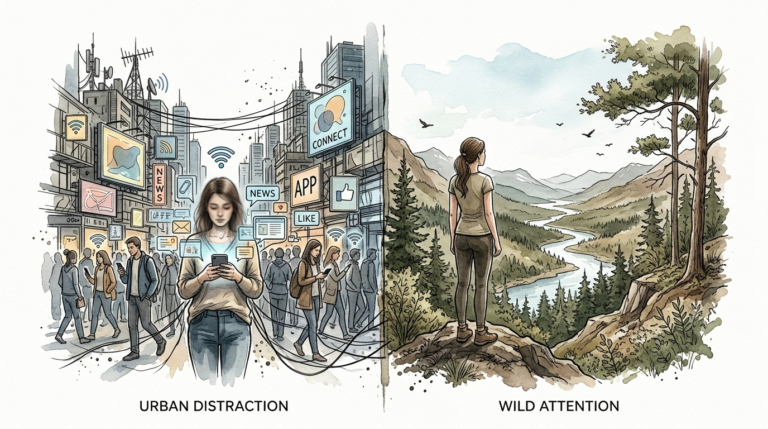
Car activities without screens are analog forms of entertainment designed to engage a child’s imagination, fine motor skills, and observational powers during travel. These activities range from classic verbal games and physical toys to immersive audio experiences. They exist to break the “static screen glare” that often traps passengers in a digital bubble, preventing them from noticing the changing landscapes outside their window.
Real-world situations for these activities include everything from the daily school run to 1,500-mile cross-country treks. In a world where screens are integrated into the headrests of many modern SUVs, going screen-free is a deliberate choice to foster patience and resilience. Instead of being passive consumers of content, children become active participants in their environment.
Analog fun often relies on novelty and variety. Think of these activities as “dynamic discovery” tools. For example, a simple map becomes a lesson in geography and navigation, while a basic set of magnets transforms a metal cookie sheet into a portable theater for storytelling. These methods are used by families who want to reclaim the “lost art” of the road trip—the daydreaming, the license plate spotting, and the deep conversations that rarely happen in the rush of daily life.
How to Transition to an Unplugged Road Trip
Planning is the engine that drives a successful screen-free journey. You cannot simply remove the tablets and hope for the best; you must replace them with a curated selection of engaging alternatives. The process starts weeks before you pull out of the driveway.
Preparation begins with the “Secret Stash” strategy. Hide new toys, books, and activities from your children until you are actually on the road. Novelty is a powerful tool for maintaining focus and excitement. When a child sees a brand-new sticker book or a fresh set of “invisible ink” markers for the first time at hour three of a trip, their engagement levels skyrocket.
Individual “Busy Bags” are the next essential step. Provide each child with their own backpack or plastic bin filled with age-appropriate items. For toddlers, this might include silicone teething toys, board books, or “Dimpl” poppers. For older children, include graphic novels, logic puzzles like “Foldology,” or sketchbooks with high-quality colored pencils. Giving children ownership over their own entertainment bag encourages independence and reduces the frequency of them asking parents to reach things from the front seat.
Audio management is your secret weapon for group engagement. Transition from individual headsets to a shared audio environment. Use apps like Libby or Audible to download family-friendly audiobooks like The Penderwicks or Harry Potter. This creates a shared narrative that the whole car can discuss during rest stops, turning a solitary activity into a communal experience.
Benefits of Choosing Analog Over Digital
Choosing screen-free travel offers measurable cognitive and emotional advantages for children. One of the most immediate benefits is the development of patience and resilience. When children are not constantly stimulated by fast-paced digital content, they learn to tolerate “empty time.” This space allows their brains to enter a state of daydreaming, which pediatric psychologists link to increased creativity and problem-solving skills.
Stronger family bonds are a direct result of shared engagement. Screen-heavy trips often lead to “siloing,” where every passenger is in their own digital world. In contrast, verbal games like “I Spy” or “20 Questions” require interaction and turn-taking. These shared challenges activate connection pathways in the brain that screens often interrupt, leading to genuine laughter and better moods overall.
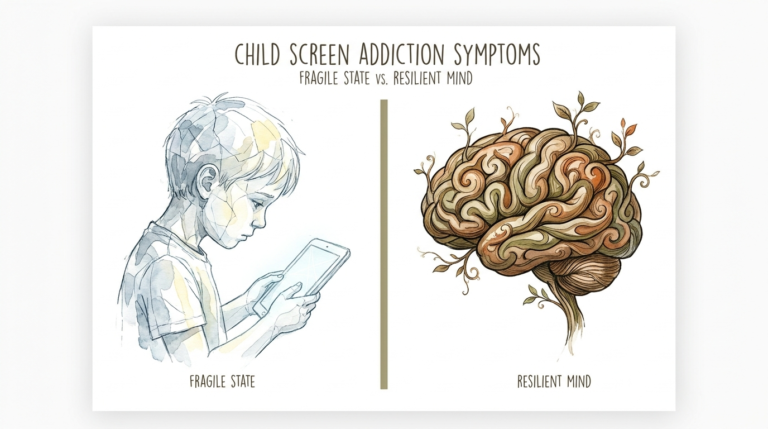
Physical well-being also improves when the tablets stay in the bag. Many children suffer from motion sickness caused by focusing on a fixed digital screen while the body senses movement. Looking at the horizon or playing observational games significantly reduces nausea. Additionally, avoiding blue light during daytime travel helps maintain natural melatonin production, making it much easier for kids to transition to sleep once you reach your hotel or campsite.
Challenges and Common Pitfalls
The most common mistake is failing to account for the “transition period.” If a child is used to unlimited screen time, suddenly removing it can lead to an initial period of irritability or “boredom meltdowns.” This happens because their brains are accustomed to the high-dopamine hits of digital games. You must be prepared to be more hands-on during the first hour of the trip to help them settle into an analog rhythm.
Mess management is another frequent challenge. Giving a child a box of 64 crayons in a hot car is a recipe for disaster. One lost crayon under a seat can melt and ruin the upholstery. Avoid “messy” art supplies and instead opt for washable markers, colored pencils, or mess-free “Color Wonder” paper. Similarly, avoid toys with dozens of tiny, non-magnetic pieces that will inevitably fall into the “black hole” between the seats.
Over-scheduling is the third pitfall. You do not need to provide a new activity every ten minutes. The goal is to encourage self-directed play. If you constantly intervene to suggest the next game, you prevent the child from learning how to manage their own boredom. Let them stare out the window for a while; some of the best travel memories come from quiet observation.
Limitations of the Screen-Free Method
A screen-free approach is not a magic wand, and there are realistic constraints to consider. For trips exceeding 10 or 12 hours in a single day, the sheer physical exhaustion of being cooped up can override the benefits of analog play. In these extreme “long-haul” situations, even the most dedicated unplugged families may find that a 90-minute movie acts as a necessary “reset” button for everyone’s sanity.
Age and developmental stages also dictate limits. A two-year-old has a significantly shorter attention span than a ten-year-old. Expecting a toddler to sit quietly with a sticker book for three hours is unrealistic. You must be prepared to rotate activities much more frequently with younger children. Furthermore, if a child has specific sensory processing needs, the total removal of a familiar digital “safe space” might cause more distress than benefit.
Environmental factors like night driving pose a unique challenge. Once the sun goes down, observational games like the “License Plate Game” or “Rainbow Cars” become impossible. Unless you have adequate interior lighting that won’t distract the driver, your activity list shrinks considerably at dusk. This is when audio-based entertainment—podcasts, audiobooks, or “What If World” stories—becomes the primary tool for engagement.
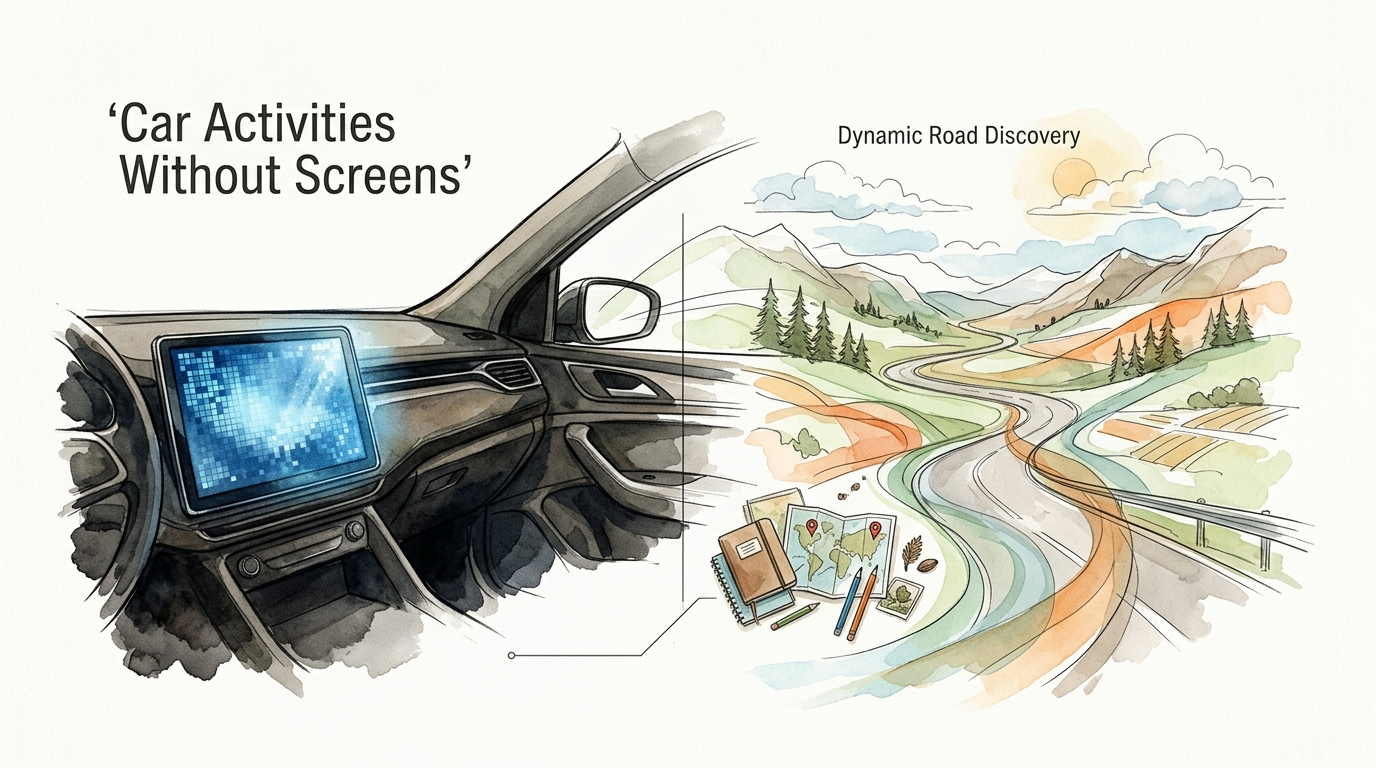
Static Screen Glare vs. Dynamic Road Discovery
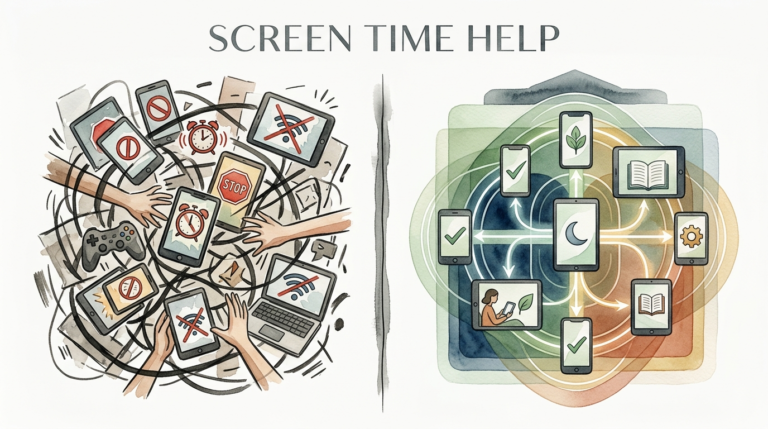
Understanding the difference between these two modes of travel helps you stay committed to the screen-free goal. Static Screen Glare refers to the passive, isolated state of consuming digital media. Dynamic Road Discovery is the active, engaged state of interacting with the physical world.
| Factor | Static Screen Glare | Dynamic Road Discovery |
|---|---|---|
| Social Connection | Isolated; headphones on. | Interactive; shared games. |
| Mental Engagement | Passive consumption. | Creative & observational. |
| Nausea Risk | High (focus on fixed point). | Low (eyes on horizon). |
| Post-Trip Mood | Potential “tech-tantrums.” | Calm and regulated. |
Practical Tips for a Serene Backseat
Success on the road often comes down to the small, tactical details. Use a cookie sheet from a dollar store as a multi-purpose travel tray. It provides a flat surface for drawing and its magnetic properties make it perfect for magnetic puzzles, alphabet letters, or small figurines with magnets glued to their bases. This single item can prevent dozens of “I dropped it!” emergencies.
Implement a “Snack Rotation” system. Instead of one large bag of chips, create individual snack packs for each child. Use a tackle box or a multi-compartment container to offer a variety of small, healthy items like grapes, cheese cubes, and trail mix. This gives children a sense of control over their food and keeps their hands busy, effectively turning snack time into a 20-minute activity.
Stop at local libraries before your departure. Fresh reading material is essential for keeping older children engaged. Look for “Search and Find” books, graphic novels, or “Choose Your Own Adventure” stories. Many libraries also offer “Discovery Kits” or pre-loaded audio devices like Playaways that don’t require an internet connection or a smartphone.
Advanced Strategies for Frequent Travelers
For families who spend a lot of time on the road, consider investing in a dedicated screen-free audio player like the Yoto Player or Toniebox. These devices allow children to control their own audio content using physical cards or figurines. It gives them the autonomy of a tablet—allowing them to skip tracks or adjust volume—without the visual overstimulation of a screen.
Create a “Road Trip Currency” system to gamify good behavior and engagement. Children can earn “miles” or tokens for spotting specific landmarks, helping with navigation, or trying new screen-free activities. These tokens can then be “spent” at the next rest stop for a small treat or a choice of where the family eats dinner. This keeps the energy high and focuses their attention on the journey’s milestones.
Use “Travel Journals” to turn the trip into a long-term project. Provide each child with a blank notebook and a glue stick. At every stop, encourage them to collect “artifacts”—a sugar packet from a diner, a leaf from a park, or a postcard from a visitor center. By the end of the trip, they will have a physical record of their “dynamic discovery” that is far more valuable than a high score on a mobile game.
Example Scenario: The 8-Hour Trek
Imagine a family of four driving from Chicago to Nashville. The first two hours are spent in “Morning Mode,” where the kids explore their individual Busy Bags. The toddler works on a “Dimpl” popper and a fabric “quiet book,” while the seven-year-old starts a “Paint by Sticker” project.
By hour four, energy levels dip. The parents initiate a “Rainbow Car” challenge: the family must find a car for every color of the rainbow in order. This leads to a 15-minute debate over whether a specific SUV is “burnt orange” or “red,” sparking laughter and engagement. They follow this with a 45-minute family audiobook session of The Trumpet of the Swan.
The final two hours involve “The Quiet Hour.” Each child receives a special surprise—a new set of magnetic dress-up dolls or a logic puzzle. They listen to the Brains On! podcast, which answers a question they had earlier about how mountains are formed. When they arrive in Nashville, the kids are calm, regulated, and ready to explore their destination because they haven’t spent the day in a digital fog.
Final Thoughts
Trading the charger for a change of perspective is the most effective way to reclaim the joy of family travel. Screen-free car activities are not about punishing children with boredom; they are about providing the environment they need to develop curiosity, patience, and a genuine connection to the world around them.
By shifting from the “Static Screen Glare” of tablets to the “Dynamic Road Discovery” of the open road, you transform the car from a chore into a classroom and a playroom. The memories your children will hold onto aren’t the levels they cleared in a game, but the stories you told and the strange roadside attractions you spotted together.
Start small on your next local drive and build up to longer trips. With a bit of preparation and a curated selection of analog tools, you will find that the backseat can be a place of incredible creativity and peace. Experiment with different audiobooks, grab a few magnetic trays, and watch as your next road trip becomes the highlight of your family’s year.
Sources
1 bark.us | 2 ifstudies.org | 3 thecaliforniabeachco.com | 4 fetchthegoodness.com | 5 preferredchildcare.com | 6 bark.us | 7 centralmassmom.com | 8 theoutsideinsider.com | 9 ahealthysliceoflife.com | 10 momsofmyrtle.com | 11 rd.com | 12 everyday-reading.com | 13 melissaanddoug.com