screen free evening activities kids
Screens provide the structure, but imagination provides the adventure. Let them go wild tonight. When the screens go off, the imagination turns on. See how a simple blanket fort beats an iPad every time.
The “witching hour” usually hits between 5:00 PM and 7:00 PM. Everyone is tired, hungry, and overstimulated from a long day at school or work. It is the moment when the “electronic babysitter” looks most tempting. Turning on the TV brings instant peace, but that peace often comes at a high price later in the night.
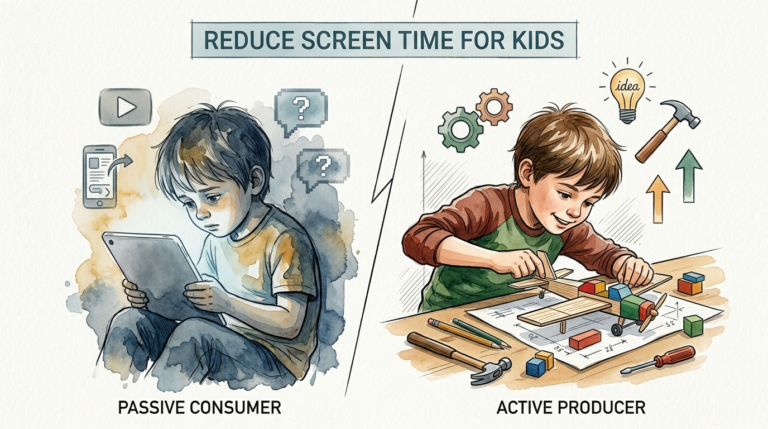
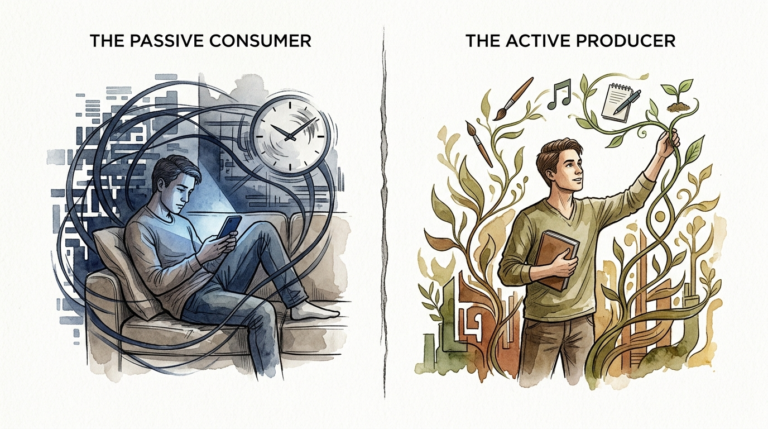
Transitioning to a screen-free environment is not about being a “tech-hater.” It is about reclaiming the evening for connection and restoration. When we trade the glow of a tablet for the shadow of a flashlight, we invite our children into a world where they are the creators, not just the consumers. This guide will show you how to flip the switch and turn your living room into a landscape of adventure.
screen free evening activities kids
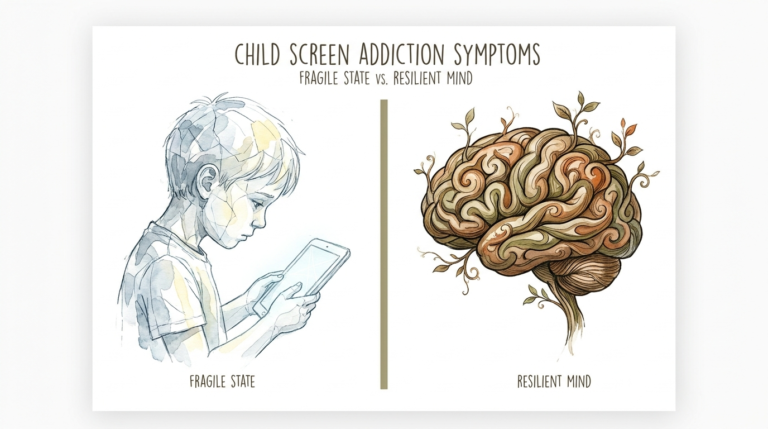
Screen-free evening activities for kids are intentional play and connection moments that occur without the use of digital devices like tablets, smartphones, or televisions. These activities exist to provide a sensory-rich alternative to the passive consumption of blue-light-emitting media. In a real-world setting, they act as a “cool down” period for the nervous system, preparing the body for sleep while stimulating the brain through tactile and social engagement.
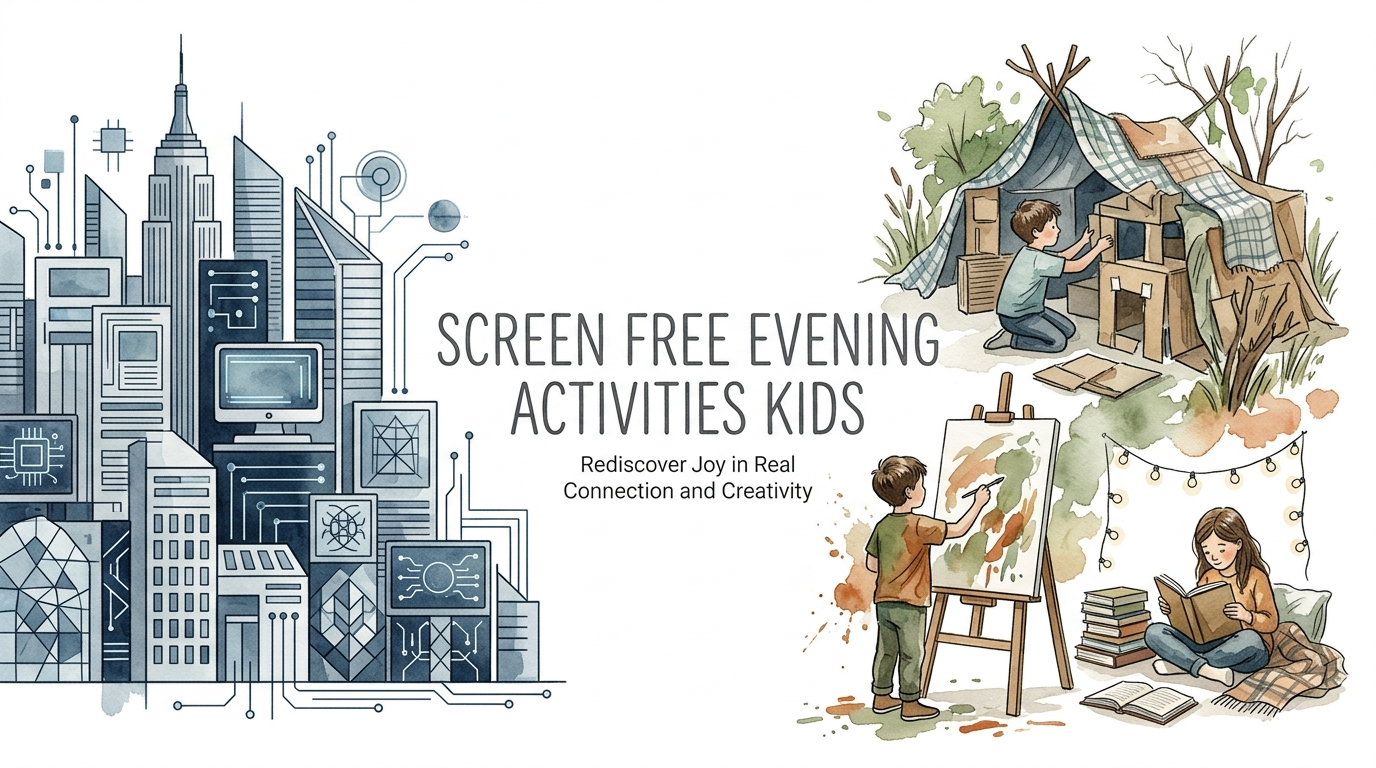
Think of it as the difference between a pre-packaged microwave meal and a home-cooked dinner. One is convenient and provides immediate satiety, but the other offers nourishment, process, and shared experience. Screen-free play allows children to move through “Wild Imaginative Play,” where they set the rules and solve their own problems, as opposed to “Structured Urban Tech,” which provides pre-determined paths and limited outcomes.
Whether it is building a sprawling cardboard city or hosting a “formal” tea party for stuffed animals, these activities serve as a bridge. They connect the high energy of the afternoon to the quiet stillness required for a restful night. By removing the digital interface, we remove the barrier between the child and their environment.
How to Transition Your Home to Screen-Free Evenings
Making the switch requires a strategy, not just a set of rules. If you simply snatch the iPad away, you are likely to trigger a power struggle. Instead, you need to “out-busy” the screens by offering something more compelling. Follow these steps to create a seamless transition.
1. Establish the “Sunset Rule”
Pick a specific time—ideally 60 to 90 minutes before bed—when all screens go dark. Consistency is the most important factor here. When the “Sunset Rule” becomes a predictable part of the rhythm, children stop fighting the change and start anticipating the next phase of the night. This timing is crucial because blue light exposure within two hours of bedtime tells the brain it is still daytime, suppressing the sleep hormone melatonin.
2. Use a “Bridge” Activity
The hardest part of going screen-free is the first ten minutes after the device is turned off. Use a high-interest “bridge” activity to ease the transition. This might be a physical game like “Floor is Lava” or a sensory task like helping in the kitchen. The goal is to provide a dopamine hit that rivals the screen, moving the child from a passive state to an active one quickly.
3. Create an “Adventure Box”
Boredom is the enemy of a screen-free evening. Prepare a “Bedtime Box” or “Adventure Box” filled with rotating supplies that only come out after the screens go off. This could include new library books, complex puzzles, modeling clay, or even a set of walkie-talkies. When the activity feels like a special privilege, children are more likely to engage with it enthusiastically.
4. Model the Behavior
Parents must lead by example. If you tell your child to put down the tablet while you continue to scroll through social media, the message is lost. Place your own phone in a charging “parking lot” in the kitchen. Use this time to read a physical book, work on a hobby, or simply sit on the floor and play. Your presence is the most powerful “activity” in the room.
Benefits of Choosing Imagination Over Interfaces
The advantages of screen-free evenings are measurable and immediate. By removing the digital stimulation, you are essentially “resetting” the child’s internal clock and cognitive functions.
Improved Sleep Quality and Duration: Research has shown that every extra hour of screen use can delay a young child’s bedtime by nearly 30 minutes. This leads to “social jet lag,” where their body clock is pushed out of sync with their daily schedule. Screen-free bedtimes allow toddlers and school-aged children to fall asleep faster and wake up less frequently during the night.
Enhanced Emotional Regulation: High-action digital content, such as certain fast-paced cartoons, can overstimulate the nervous system. When children engage in slow-paced, imaginative play, they learn to self-regulate. They deal with the frustration of a falling tower or the complexity of a game rule without the instant gratification of a “reset” button.
Development of Executive Function: Screen-free activities often involve planning, problem-solving, and memory. Building a blanket fort requires spatial reasoning and structural planning. Playing a board game requires following multi-step rules and waiting for a turn. These are the building blocks of academic success and social competence.
Strengthened Family Bonds: Screens are often a solitary experience, even if you are sitting in the same room. Screen-free time forces face-to-face interaction. You learn about your child’s day, their fears, and their triumphs through the medium of play. These “micro-connections” build a foundation of trust and safety.
Challenges and Common Mistakes to Avoid
Implementing a screen-free routine is not without its hurdles. Many parents start with good intentions but find themselves returning to screens within a few days because of common pitfalls.
The “Cold Turkey” Trap: Attempting to go from four hours of screen time to zero overnight is a recipe for disaster. Start small. Implement one screen-free evening a week, or start by cutting off the devices 30 minutes before bed and gradually increasing the window. Success is built on sustainable shifts, not drastic overhauls.
Choosing High-Mess Activities: If you are already exhausted, don’t choose an activity that requires 20 minutes of cleanup. Avoid glitter, complex paint sets, or thousands of tiny beads on a Tuesday night. Stick to “low-friction” activities like reading, shadow puppets, or block building. If the cleanup is a burden, you won’t stick to the routine.
The “Entertainment Director” Fallacy: You do not need to entertain your child every second. It is okay for them to feel bored for a few minutes. Boredom is often the doorway to creativity. Provide the materials, set the boundaries, and then let them lead the play. If you do all the work, they won’t learn how to occupy themselves.
Inconsistent Boundaries: Giving in “just this once” because of a tantrum teaches the child that the rules are negotiable. If the screen-free rule is inconsistent, the child will spend more energy trying to convince you to turn on the TV than they will spend on playing. Clear, firm boundaries actually reduce anxiety for children because they know exactly what to expect.
Limitations and When This May Not Be Ideal
While screen-free time is generally beneficial, there are realistic constraints where the “perfect” routine may not work. Recognizing these limitations strengthens your ability to manage them without guilt.
Sick Days and High-Stress Events: If a child is ill or the family is dealing with a significant crisis, screens can provide a necessary form of low-energy distraction. In these cases, the goal shifts from “play” to “comfort.” Using high-quality, slow-paced educational content is a valid tool for these temporary situations.
Travel and Environment: When staying in a hotel or traveling long distances, the usual “Adventure Box” may not be available. Environmental limitations are real. In these scenarios, use screens as a tool, but try to incorporate “digital bridges” like listening to an audiobook together rather than passive scrolling.
Parental Burnout: There will be nights when you simply do not have the energy to facilitate a game of “Indoor Olympics.” On these nights, do not feel like a failure. Acknowledge the trade-off. Use a “slow screen” option—like a calm nature documentary—rather than high-intensity gaming. The key is to return to the preferred routine as soon as your “battery” is recharged.
Comparison: Structured Tech vs. Wild Imaginative Play
| Feature | Structured Urban Tech (iPad/TV) | Wild Imaginative Play (Blanket Fort/Blocks) |
|---|---|---|
| Cognitive Role | Passive Consumer | Active Creator |
| Dopamine Source | Rapid, algorithm-driven rewards | Delayed, process-based satisfaction |
| Physical State | Sedentary / “Zoned out” | Active / “Zoned in” |
| Sleep Impact | Suppresses melatonin; delays rest | Lowers cortisol; encourages winding down |
| Problem Solving | Pre-defined logic puzzles | Open-ended, real-world physics |
Practical Tips for a Low-Tech Evening
You don’t need a PhD in education to make screen-free time work. You just need a few reliable “tricks” in your pocket to keep the energy positive and the engagement high.
- The 15-Minute Reset: If everyone is grumpy, head outside for exactly 15 minutes. Use flashlights for a “night walk” around the block. The fresh air and change of light hit a psychological reset button.
- Kitchen Chore Games: Turn dinner prep into a game. Give a child a dull plastic knife and a piece of fruit, or let them wash plastic cups in a sink full of soapy water. “Helping” is a top-tier screen-free activity for toddlers.
- Audiobook Magic: If the house is too quiet, play an audiobook or a story podcast. This provides a “sonic screen” that allows for imaginative visualization without the blue light or passive staring.
- The “Lego Challenge”: Set a specific goal, like “Build something that could fly to Mars” or “Build a house for this specific stuffed animal.” Challenges focus the energy and prevent aimless wandering.
- Dim the Lights: Physically change the environment. Switch off overhead lights and use lamps or even candles (safely). A darker, warmer environment signals to the brain that the day is ending.
Advanced Considerations: The Science of “Loose Parts”
For parents who want to take their screen-free evenings to the next level, consider the “Theory of Loose Parts.” This concept suggests that the more variable materials a child has to work with, the more creative they will be. Instead of buying a specific toy kit that only does one thing, provide “loose parts” like cardboard boxes, PVC pipes, fabric scraps, and stones.
In an evening setting, this might look like a “Prop Box” for theater or a “Tinker Tray” for inventing. These open-ended materials don’t have a right or wrong way to be used. This lack of structure is precisely what allows for “Deep Play”—a state of flow where a child is so engrossed in their creation that they lose track of time. This state is the polar opposite of the “scrolling trance” induced by tablets.
Scaling this for older children involves introducing “Real World” skills. Tweens and teens might find screen-free time more engaging if it involves learning to cook a specific meal, basic woodworking, or even complex strategy board games that take several nights to complete. The key is to move from “child’s play” to “mastery.”
Example Scenario: The “Rainy Tuesday” Rescue
Imagine it is 5:30 PM on a rainy Tuesday. The kids are bickering, and you are tempted to hand over the tablets so you can cook. Instead, you try the “Indoor Camping” maneuver.
Step 1: The Setup. You announce that the living room is now a national park. You pull two chairs together and drape a heavy blanket over them to create a tent. You throw in some pillows and a sleeping bag.
Step 2: The Gear. You hand the kids two flashlights and a “scavenger hunt” list of items hidden in the room (a red sock, a book about animals, a specific toy car). While they hunt, you are free to cook.
Step 3: The Connection. Dinner is served “picnic style” inside the tent. You ask them what they “saw” on their hike. After dinner, you read one chapter of a book by flashlight. By 7:30 PM, they are calm, their bodies are producing melatonin, and the transition to sleep is seamless. No power struggles, no blue light, just memories.
Final Thoughts
Screens provide the structure, but imagination provides the adventure. Trading the iPad for a blanket fort is not about doing more work as a parent; it is about creating an environment where your child can do the work of being a kid. The initial resistance to going screen-free is usually short-lived, replaced quickly by the quiet hum of creative play.
Start small tonight. Choose one activity, turn off your own phone, and see what happens when the digital noise stops. You might find that the “witching hour” becomes the best part of your day. The goal is not perfection, but a shift toward a more connected, restful, and imaginative family life.
Experiment with these ideas and see which ones stick. Every family is different, but the need for genuine, unplugged connection is universal. Once you see the difference in your child’s sleep and mood, you’ll realize that the “electronic babysitter” was never really your friend anyway. Let them go wild tonight—the adventure is waiting right in your living room.
Sources
1 littledipperwellness.com | 2 littledipperwellness.com | 3 sittercity.com | 4 teddylabels.com | 5 pickenscountyfirststeps.org | 6 drkristinedwards.com | 7 bloomokids.com | 8 bloomokids.com | 9 operationparent.org | 10 youtube.com | 11 firstthingsfirst.org | 12 sittercity.com | 13 medium.com | 14 sunsafeonthelake.ca | 15 greenchildmagazine.com