30 day challenge screen time
Stop watching life through a glass pane and start touching the earth. Screens don’t grow; they just consume. This month, we’re swapping scrolling for sowing. Reclaim 30 days of your life from the digital void.
You probably don’t realize how much of your life is leaking out through your fingertips. Every swipe is a second gone. Every scroll is a memory you didn’t make. Modern life has trapped us in a cycle of digital consumption that leaves us feeling drained and disconnected.
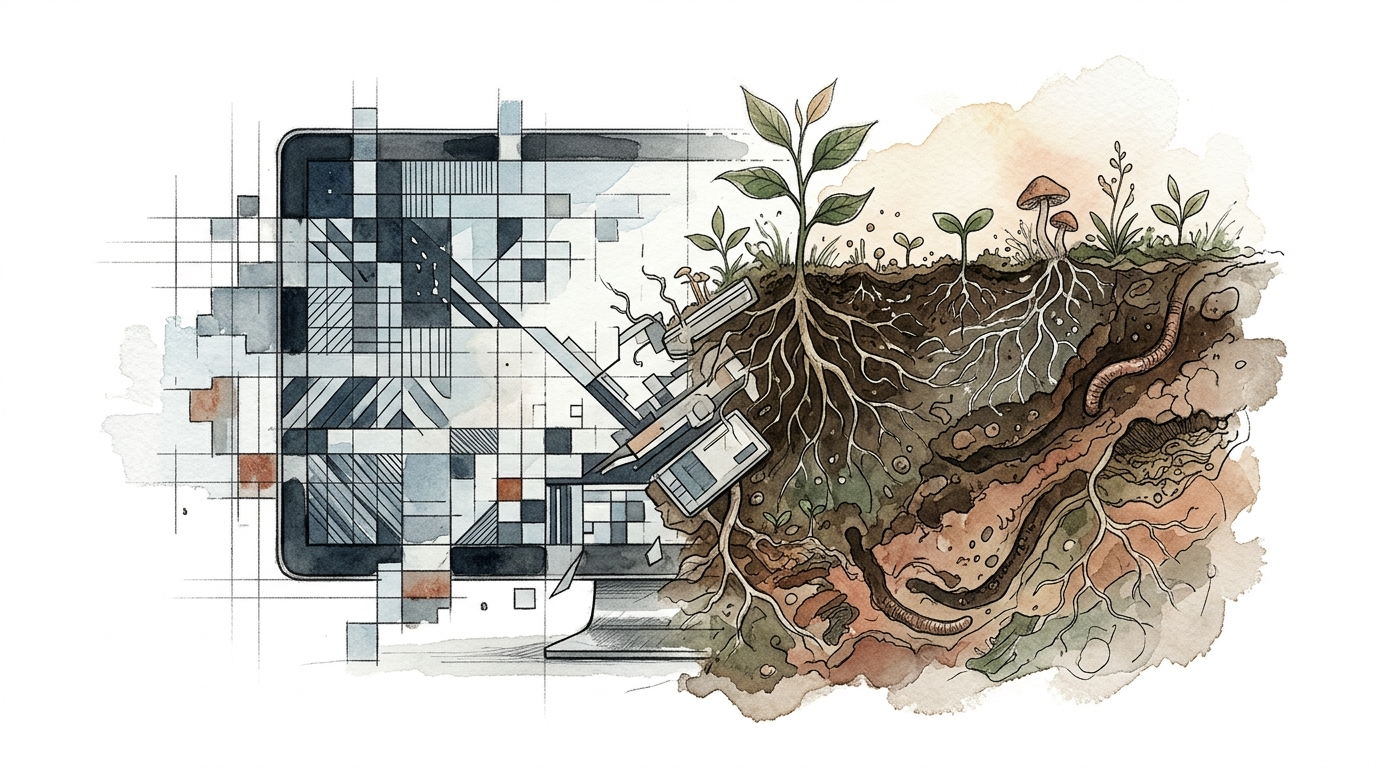
This isn’t just about putting your phone down. This is about picking something better up. We are trading dead pixels for living soil. We are moving from a world of artificial light to a world of actual growth. This guide will show you exactly how to break the cycle and start growing something real.
Think of this as a software update for your soul. We are clearing out the cache and resetting the hardware. In 30 days, your perspective will shift. You will see the world in higher resolution than any retina display could ever offer.
30 day challenge screen time
The 30 day challenge screen time is a structured period of digital reduction and real-world substitution. It is a commitment to lowering your daily device usage while actively engaging in “green time” activities like gardening or sowing. This challenge exists because current data shows the average person spends over 6 hours and 40 minutes per day staring at screens. For many, that number climbs even higher, reaching over 9 hours for Gen Z users.
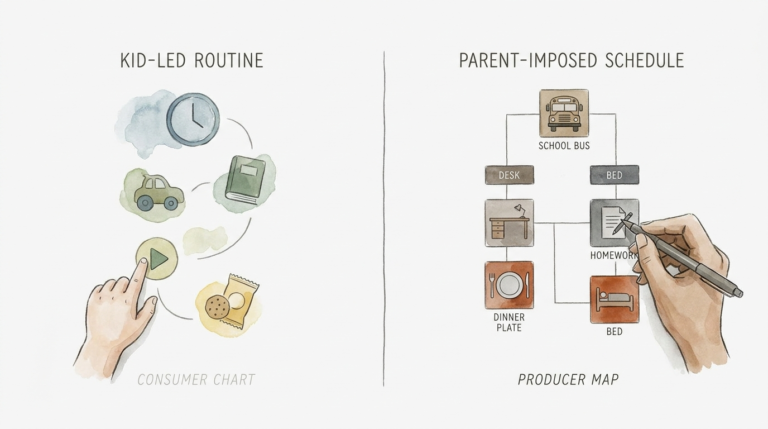
In the real world, this challenge is used as a psychological “dopamine reset.” It targets the compulsive loops created by social media algorithms and replaces them with the slow, rewarding pace of nature. Instead of getting a hit of dopamine from a “like,” you get a steady release of serotonin from the physical act of nurturing a plant. It is a transition from being a consumer to being a creator.
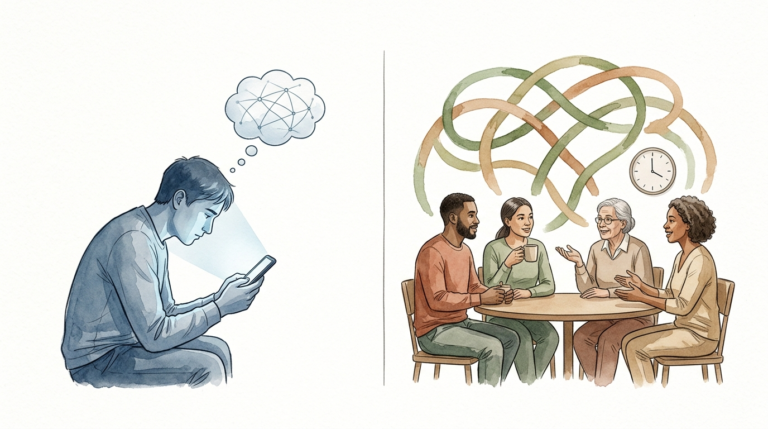
Visualize your phone as a vacuum. It sucks in your attention and leaves nothing behind. Now, visualize a seed. It takes a small amount of attention and multiplies it into something vibrant and alive. That is the core of this challenge. We are stopping the vacuum and starting the garden.
This process is about more than just “using your phone less.” It is about understanding what that time is displacing. When you are on a screen, you aren’t just missing out on work; you are missing out on the sensory richness of the physical world. This 30-day window provides the space needed for your brain to rewire itself for presence.
How to Start the Sowing Revolution
Success requires a plan. You cannot simply “try” to use your phone less. You must design your environment to make scrolling difficult and sowing easy. Follow these phases to ensure you reach the end of the 30 days.
Phase 1: The Digital Audit (Days 1–7)
Track your current usage without judgment. Use the built-in screen time tools on your device to see where the hours are going. Identify your “leakage apps”—the ones you open reflexively without a clear purpose.
Prepare your sowing materials during this week. Get a tray, some high-quality potting soil, and seeds that grow quickly, like radishes or microgreens. Having these ready prevents you from reaching for your phone out of boredom when the withdrawal kicks in.
Phase 2: Setting the Hard Boundaries (Days 8–14)
Implement the “16-8 Rule.” This means 16 hours of the day are screen-free, and you have an 8-hour window for essential digital tasks. Most of your screen-free time will happen during sleep, but the hours before bed and after waking are critical.
Move your phone charger out of the bedroom. Use a physical alarm clock. When you wake up, do not check notifications. Instead, go to your seeds. Check the moisture level. Look for the first signs of green breaking the surface. This replaces the morning “scroll” with a morning “sow.”
Phase 3: Deep Substitution (Days 15–21)
This is where the real work happens. When the urge to check social media hits, perform a “sowing task.” This could be thinning seedlings, transplanting to larger pots, or simply spending 10 minutes with your hands in the soil. Research suggests that direct contact with soil can trigger serotonin release, helping to manage the anxiety of digital withdrawal.
Phase 4: Integration and Reflection (Days 22–30)
Assess how your focus has changed. Most people report a significantly improved attention span by this point. You are no longer “twitching” for your phone every 30 seconds. Your plants are now visible proof of your dedication. Use this final week to decide which digital habits you will allow back in and which ones stay in the void.
Benefits of Swapping Pixels for Plants
The practical benefits of this challenge are measurable and immediate. You aren’t just “feeling better”; your biology is actually changing. The shift from screen time to green time impacts everything from your hormones to your heart rate.
Physical Health Improvements
Reducing screen time alleviates digital eye strain and “tech neck” posture issues. Gardening provides low-impact physical activity that improves dexterity and strength. Most importantly, being outside or working with soil exposes you to natural light, which regulates your circadian rhythm and helps you sleep deeper and longer.
The “Mood-Boosting” Microbe
Soil contains a specific bacterium called Mycobacterium vaccae. Scientific studies have shown that inhaling or touching this bacterium can stimulate serotonin-producing neurons in the brain. This acts as a natural antidepressant. While a screen drains your mental energy, the soil literally feeds your brain’s happiness centers.
Restoration of Attention
Constant notifications fragment our attention. Nature provides “soft fascination”—a type of stimuli that allows the brain’s “directed attention” system to rest and recover. Spending 30 days in this environment can effectively reverse years of attention-span decline. You will find you can read books again and hold deeper conversations without feeling distracted.
Sense of Agency
On social media, you are at the mercy of an algorithm. In a garden, you are the architect. There is a profound psychological benefit to seeing a tangible result of your effort. A growing plant is a record of your time that doesn’t disappear when you close an app.
Common Challenges and Pitfalls
The road back to the earth is not always smooth. You will face resistance, both from your own brain and from the world around you. Recognizing these traps early is the only way to beat them.
The “Dopamine Dip”
In the first 72 hours, you might feel irritable or bored. This is a literal withdrawal symptom. Your brain is used to high-frequency hits of dopamine from notifications. When you replace that with the “slow reward” of sowing, your brain will protest. Stick with it; the dip is temporary.
The Utility Trap
You will tell yourself you “need” your phone for something useful, like checking the weather or looking up a plant’s needs. Five minutes later, you’ll be on TikTok. To avoid this, use physical tools. Buy a gardening book. Get a printed weather almanac. Minimize the “utility” excuse.
Social Pressure
Friends and family might complain that you aren’t responding fast enough. Set expectations early. Tell them you are doing a 30 day challenge screen time and that you will only be checking messages at specific times. True friends will support your growth.
Limitations of the 30-Day Challenge
It is important to be realistic. Total digital abstinence is rarely possible in the modern workforce. You must find a balance that works for your specific situation without compromising the spirit of the challenge.
Professional Requirements
If your job requires a computer, you cannot simply stop working. In these cases, the challenge applies to “non-essential” or “entertainment” screen time. Focus on reclaiming your mornings, evenings, and weekends. Use the time you would have spent on “the scroll” to work on your sowing project.
Environmental Constraints
Not everyone has a backyard. If you live in a high-rise apartment, “touching the earth” might seem difficult. However, urban sowing is entirely possible. Windowsill herb gardens, community garden plots, or even a single indoor plant can provide the necessary biological connection. The scale doesn’t matter; the contact does.
Emergency Accessibility
Safety is a concern. You don’t have to throw your phone in a lake. You just need to change your relationship with it. Keep your phone in a “parking spot” in your home—a specific drawer or shelf where it stays unless you are making a necessary call. This maintains safety without inviting distraction.
Comparison: Scrolling vs. Sowing
To understand the value of this trade, we can compare the two activities across several key metrics. This table highlights why the “Dead Pixels vs. Living Soil” comparison is so stark.
| Factor | Scrolling (Digital) | Sowing (Physical) |
|---|---|---|
| Primary Hormone | Dopamine (Seeking/Addiction) | Serotonin (Satisfaction/Calm) |
| Attention Type | Fragmented/High-Stress | Sustained/Soft Fascination |
| Physical Output | None (Data Consumption) | Food, Flowers, Oxygen |
| Long-term ROI | Mental Fatigue/Anxiety | Skill Building/Peace of Mind |
| Cost | High (Time + Subscription Fees) | Low (Soil + Seeds) |
Practical Tips for Success
Applying these small adjustments can dramatically increase your success rate during the 30-day period. These are the “pro tips” for reclaiming your attention.
- Go Gray: Turn your phone’s display to grayscale mode. This removes the “eye candy” aspect of apps and makes the screen significantly less stimulating to your brain.
- The “Brick” Method: Delete all social media apps from your phone. If you must check them, do it on a desktop computer. Making the process “inconvenient” is the best way to break a habit.
- The Seed-to-Screen Ratio: For every hour you spend on a screen for work, spend 10 minutes with your plants. This act of “earthing” resets your nervous system.
- Physical Reminders: Keep your sowing tools in plain sight. A bag of soil and a watering can should be more accessible than your tablet or remote control.
- Notification Purge: Disable every single notification that isn’t from a real human being. You don’t need to know that a store is having a sale or that someone you haven’t talked to in ten years posted a photo of their lunch.
Advanced Considerations: The Science of Presence
For those who want to take the 30 day challenge screen time to the next level, consider the concept of “Deep Work” and neuroplasticity. When you stop the constant bombardment of digital signals, your brain begins to physically change. The prefrontal cortex, responsible for executive function and decision-making, begins to strengthen as you practice the “gentle attention” required for gardening.
Consider the “Attention Restoration Theory” (ART). This theory suggests that urban environments and digital interfaces drain our cognitive resources. Natural environments, however, allow those resources to replenish. By engaging in sowing, you are performing a biological “recharge” that is more effective than sleep alone.
You can also explore “Regenerative Living.” This is the idea that our personal habits should mirror the health of the earth. When we consume digital content, we are in an extractive relationship—taking in information without giving anything back. Sowing is a generative relationship—putting energy into the earth and receiving life in return. Aligning your daily habits with this philosophy creates a sense of purpose that transcends simple “time management.”
Example Scenario: A Day in the Life
To visualize how this looks, let’s look at a typical Saturday during the challenge. Instead of waking up at 8:00 AM and scrolling until 9:30 AM, your schedule shifts to a more grounded rhythm.
08:00 AM: You wake up. The phone is in the kitchen. You spend 15 minutes stretching and then go to your windowsill. You notice the basil seeds you planted four days ago have sprouted. You feel a small, quiet surge of genuine accomplishment.
10:00 AM: Instead of getting lost in a YouTube rabbit hole, you head to the local garden center. You spend an hour talking to a person—not an avatar—about the best soil for tomatoes. You are outside, moving your body, and breathing fresh air.
02:00 PM: You spend the afternoon preparing a small plot or a large container. Your hands are covered in dirt. You aren’t thinking about your emails or your “likes.” You are focused on the depth of the hole and the spacing of the seeds. This is the “flow state” that digital life often destroys.
07:00 PM: You eat dinner. The phone is not on the table. You actually taste the food. You notice the textures. Afterwards, you sit and watch the sunset. You aren’t trying to photograph it for an audience; you are just experiencing it for yourself.
Final Thoughts
The 30 day challenge screen time is more than a detox; it is a homecoming. We were not evolved to live in a world of glowing rectangles and infinite feeds. We were built for the sun, the wind, and the soil. By reclaiming these 30 days, you are giving yourself the gift of a real life.
Your worth is not measured in engagement metrics. It is measured in the attention you give to the things that matter. When the 30 days are over, you may find that the “digital void” no longer has a hold on you. You will have something better: a garden you built with your own hands and a mind that is finally quiet.
Start today. Put the screen down. Pick up the seeds. The earth is waiting for you to touch it again. Experiment with this new rhythm and see how far you can grow when you aren’t held back by a glass pane.
Sources
1 aao.org | 2 awisee.com | 3 demandsage.com | 4 upandupaba.com | 5 aap.org | 6 regis.edu | 7 georgetown.edu | 8 rethinkbacteria.org | 9 maxliving.com | 10 spsonline.com | 11 idepfoundation.org | 12 colorado.edu | 13 colorado.edu | 14 nwf.org | 15 medium.com | 16 vt.edu | 17 electroiq.com | 18 psychologytoday.com