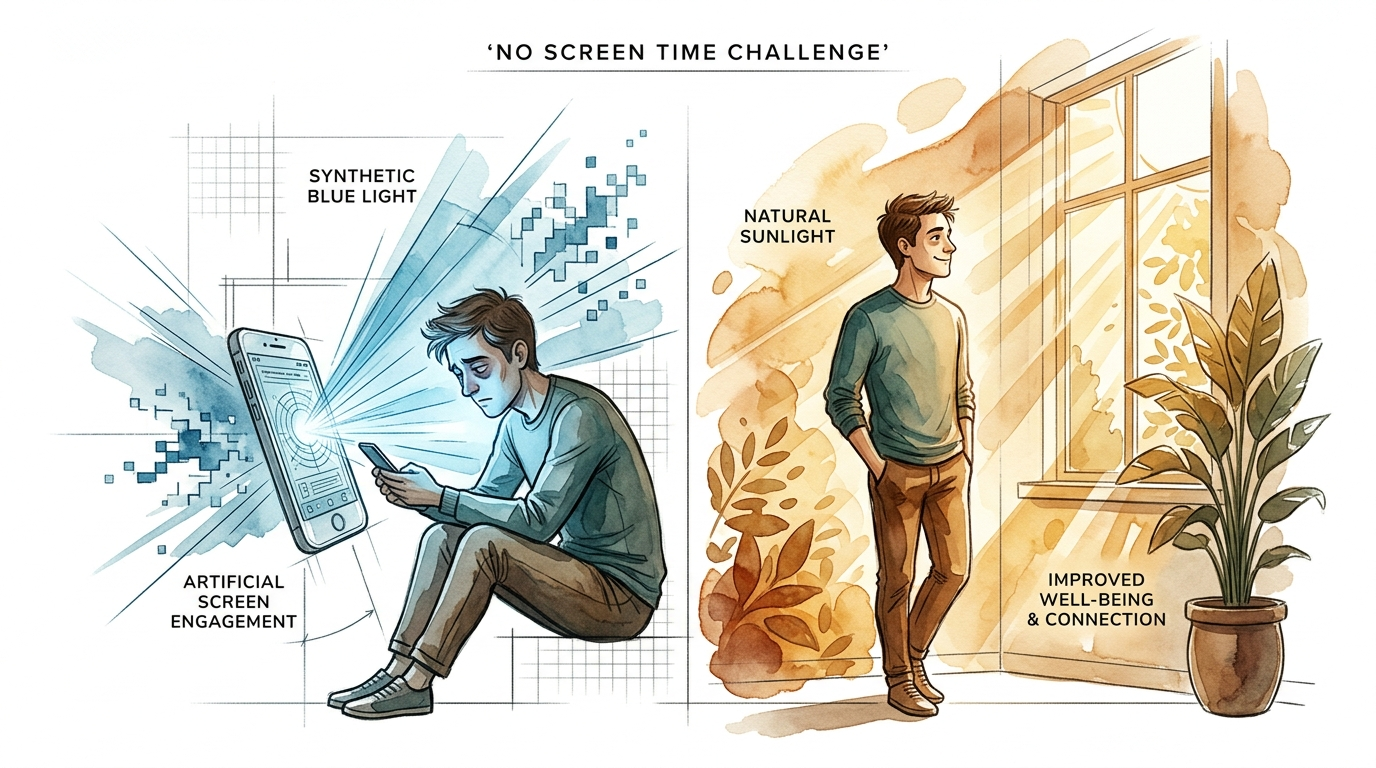
no screen time challenge
Are you feeding your brain synthetic signals or natural rhythms? We traded the sun for a screen. In this challenge, we’re taking it back. No pixels, no pings, just pure reality for 24 hours. Are you in?
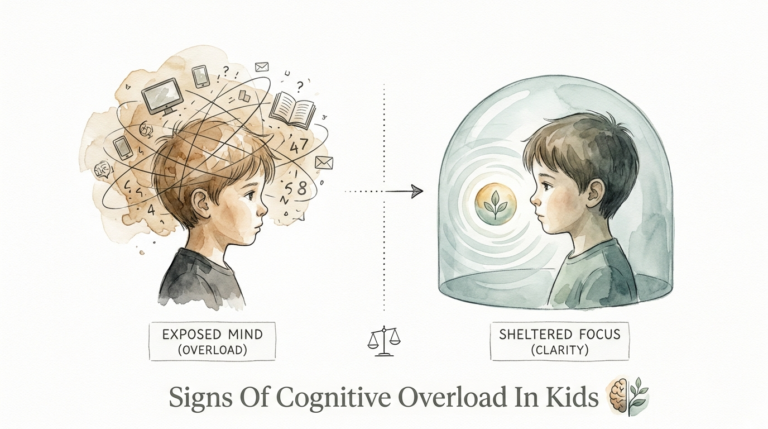
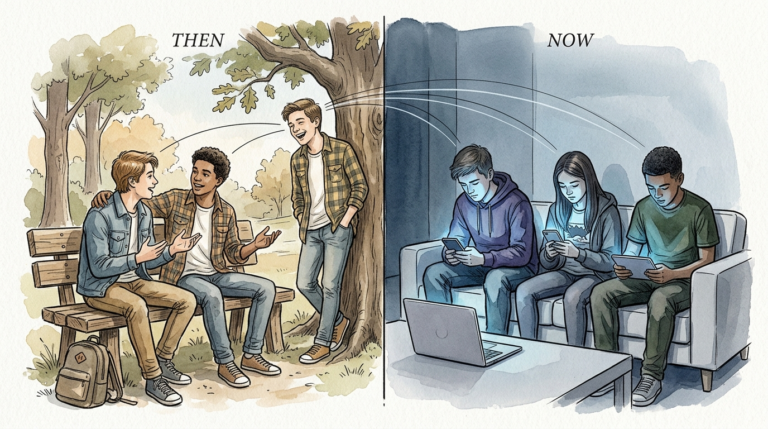
Most of us spend over five hours every single day staring at a piece of glass. Research shows the average American spends nearly 43% of their waking hours glued to a screen. We are effectively living in a digital simulation that hijacks our biological hardware.
Your brain was never designed to process an infinite stream of 15-second videos or high-intensity blue light at midnight. This constant digital connection leaves us feeling overwhelmed, drained, and struggling to focus. It is time to press the reset button.
This 24-hour challenge is not just about being “unplugged.” It is about reclaiming your cognitive sovereignty. It is about reconnecting with the real-world activities and human connections that actually nourish your mental health.
no screen time challenge
The no screen time challenge is a 24-hour voluntary period where you completely eliminate the use of digital devices. This includes smartphones, tablets, computers, televisions, and even smartwatches. It is a form of digital fasting meant to break the cycle of compulsive device usage.
Think of it as a physical barrier between you and the digital world. Devices today are designed to be addictive, triggering frequent dopamine releases through notifications and infinite scrolling. By removing the source, you allow your brain’s reward pathways to recalibrate.
This challenge is used in wellness retreats, productivity workshops, and mental health therapy to combat “tech fatigue.” It serves as a diagnostic tool to help you realize exactly how hooked you are on the digital drip. It is a way to transition back to “real life” after months or years of digital saturation.
In practice, it means putting your phone in a drawer, turning off the router, and facing the “silence” of the real world. For most people, the first few hours are the hardest as the phantom vibration of a phone that isn’t there haunts their pocket. But beyond that friction lies a state of presence that many haven’t felt since childhood.
How It Works: Resetting Your Neural Circuits
The core mechanism of a screen-free day relies on neural recalibration and the regulation of the circadian rhythm. When you stop feeding your brain high-stimulation digital signals, your “dopamine reward pathways” begin to reset. This is often called “dopamine fasting,” though it is more accurately a form of cognitive behavioral therapy.
Step one is setting a hard start and end time. Most successful practitioners choose a weekend, starting Friday night at 8:00 PM and ending Saturday night. You must inform your close contacts beforehand so you don’t feel the “pull” of potential emergencies or missed messages.
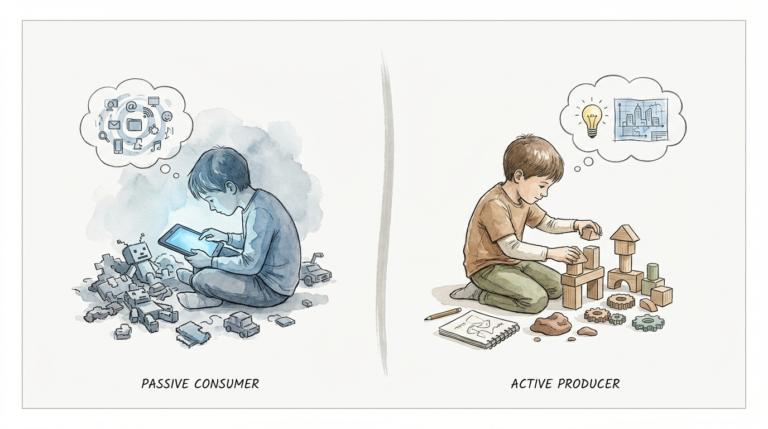
Step two involves “behavioural activation.” You cannot just sit in a room and stare at the wall. You must replace screen time with low-stimulation, high-value activities like reading a physical book, walking in nature, or engaging in face-to-face social encounters. This prevents the boredom that often leads to a relapse.
Step three is environmental control. You remove the triggers. If your phone is on the nightstand, you will reach for it. If the TV is in the living room, you will turn it on. Place your devices in a “tech-free zone” or a literal box to create a physical hurdle for your habits.
The Massive Benefits of Unplugging
The most immediate benefit is a dramatic improvement in sleep quality. Blue light wavelengths, specifically around 480nm, are detected by intrinsically photosensitive retinal ganglion cells (ipRGCs) in your eyes. These cells signal your brain to suppress melatonin, the hormone that makes you sleep.
When you remove screens, your melatonin levels can rise naturally as the sun sets. This aligns your biological clock with the external environment, leading to deeper, more restorative sleep. You will likely wake up feeling more refreshed because your brain isn’t “tricking” itself into thinking it is daytime at 11:00 PM.
Mental clarity and focus also see a significant boost. Excessive screen time is linked to “digital dementia” or a breakdown in cognitive function, memory, and attention. A 24-hour break reduces the information overload and “attention residue” caused by jumping between multiple apps and tabs.
Finally, your emotional resilience improves. Social media encourages constant comparison, which can trigger anxiety and low self-esteem. Disconnecting allows you to focus on your own reality, reducing the “Fear of Missing Out” (FOMO) and lowering cortisol levels—the body’s primary stress hormone.
The Friction: Cravings and Digital Withdrawal
Do not expect this challenge to be easy. You will likely feel worse before you feel better. This is a classic withdrawal response. Common symptoms include irritability, a sense of “emptiness,” and a compulsive urge to check for notifications that do not exist.
One common mistake is failing to plan for the “slow down” of time. When you stop chasing instant dopamine hits, time feels like it is moving much slower. If you are not prepared for this, the boredom can feel physically uncomfortable, leading you to quit the challenge early.
Another pitfall is the “binary” mindset. Many people think that if they check one text message, they have “failed” and might as well spend the rest of the day on TikTok. View any slip-up as a learning moment rather than a total failure. Use it to understand what triggered the urge—was it stress, boredom, or habit?
People also often forget to provide themselves with a non-digital map or clock. If you rely on your phone for the time or directions, you will inevitably end up looking at the screen. Buy a cheap analog watch and plan your routes beforehand to stay truly disconnected.
Limitations: When 24 Hours Isn’t Enough
A single 24-hour challenge is an excellent “eye-opener,” but it rarely solves deep-seated digital addiction. Research suggests that meaningful brain changes and habit formation can take three to four weeks of consistent effort. One day is a reset, but it is not a cure.
There are also practical boundaries to consider. For some, a total 24-hour blackout is impossible due to caregiving responsibilities or work requirements. In these cases, a “partial detox”—such as removing only social media or entertainment apps—may be a more realistic and sustainable alternative.
Environmental limitations can also play a role. If you live in a highly urbanized area with no access to nature, the “replacement” activities might be harder to find. It is important to realize that the goal is not just “no screens,” but “more reality.” If your reality is stressful, the challenge will be significantly harder.
Synthetic Blue Light vs. Natural Sunlight
The difference between the light from your phone and the light from the sun is fundamental to your biology. While both contain blue wavelengths, natural sunlight provides a balanced spectrum and much higher intensity measured in lux. Indoor lighting and screens are often too dim to set your clock during the day but too bright at night.
| Feature | Synthetic Blue Light (Screens) | Natural Sunlight |
|---|---|---|
| Peak Wavelength | High intensity around 450–460nm | Balanced broad spectrum |
| Intensity (Lux) | Typically 50–500 lux | 10,000 to 100,000+ lux |
| Melatonin Impact | Suppresses melatonin at night | Helps regulate evening production |
| Cortisol Impact | Can cause “flat” cortisol curves | Triggers healthy morning spikes |
| Biological Goal | Engagement and attention hijack | Circadian synchronization |
Natural light exposure in the morning is a powerful “zeitgeber” (time-giver). It anchors your circadian rhythm, telling your body exactly when to start its 24-hour cycle. Screens provide a “synthetic dawn” that confuses these internal mechanisms, leading to the metabolic and mental health issues common in modern society.
Practical Tips for a Flawless Reset
- Tell your tribe: Send a text to your inner circle 12 hours before. Let them know you’re going dark for a day so they don’t call the police when you don’t answer.
- The “Out of Sight” rule: Put your phone in a high cupboard or a different room. Visual cues are the strongest triggers for habit; if you don’t see the phone, you’re less likely to want it.
- Stack your shelf: Have two physical books, a journal, or a puzzle ready. You need activities that engage your hands and your brain without a battery.
- Get outside early: Spend the first 30 minutes of your challenge outdoors. Morning sunlight hits your retina and sets your “internal timer,” making the rest of the day feel more grounded.
- Analog everything: Use a physical alarm clock and an analog watch. Removing the phone’s utility as a tool is the first step to removing its power as an addiction.
Advanced Considerations: Optimizing Your Biology
For those looking to go beyond a simple “day off,” consider the role of “melanopic irradiance.” This is a measure of how much light actually stimulates your ipRGCs. Advanced practitioners use the 24-hour challenge to not just avoid screens, but to maximize natural light exposure to “advance” their circadian phase.
Getting bright light (10,000+ lux) in the first hour of waking can advance your internal clock, helping you fall asleep earlier and more easily. Conversely, avoiding any blue light after sunset helps “protect” your melatonin pool. During your 24-hour challenge, try to mimic the “light-dark cycle” of our ancestors as closely as possible.
You can also layer in “thermal regulation.” Taking a hot bath 90 minutes before bed during your screen-free day can help your core body temperature drop, which is a key signal for sleep onset. Combining a digital detox with these biological hacks turns a simple challenge into a full-body system reset.
Scenario: A 24-Hour Reality Immersion
Imagine starting your challenge on a Saturday morning. Instead of reaching for your phone to check the news, you walk to the window and watch the birds for five minutes. You notice the temperature of the air and the sounds of the neighborhood—things usually drowned out by a morning podcast.
By noon, you feel a restless energy. This is your brain looking for a quick dopamine hit. Instead of scrolling, you go for a 5-mile hike. Without a GPS, you have to pay attention to landmarks. Your brain begins to engage in “spatial mapping,” a cognitive function that often atrophies with heavy device use.
In the evening, the house is quiet. Instead of Netflix, you cook a meal from a physical cookbook, focusing on the textures and smells. You eat in silence or with family, having a conversation that isn’t interrupted by a vibrating pocket. By 9:00 PM, you feel a natural, heavy sleepiness that you haven’t felt in years. You fall asleep without the “tired but wired” feeling of a digital brain.
Final Thoughts
The no screen time challenge is a radical act in a world that demands your constant attention. It reveals the invisible tethers that connect your mind to the digital machine. By breaking those tethers for just 24 hours, you prove to yourself that you can exist—and even thrive—without a glowing rectangle in your hand.
Practical benefits like better sleep, reduced anxiety, and increased focus are just the beginning. The real value is the “eye-opener” effect. You will return to your devices with a new perspective, realizing which apps add value and which ones are simply stealing your life one minute at a time.
Take the leap. Put the phone away. The real world is waiting with a resolution higher than any 4K screen could ever hope to provide. Start your 24-hour reset today and reclaim the natural rhythms that your brain has been craving.
Sources
1 insightspsychology.org | 2 eyesoneyecare.com | 3 pnas.org | 4 foundmyfitness.com | 5 bcbrainwellness.ca | 6 phoenixpointepsychiatry.com | 7 scmp.com | 8 nih.gov | 9 reddit.com | 10 greenefficientliving.com.au | 11 day-lights.com | 12 brgeneral.org