screen time worksheet
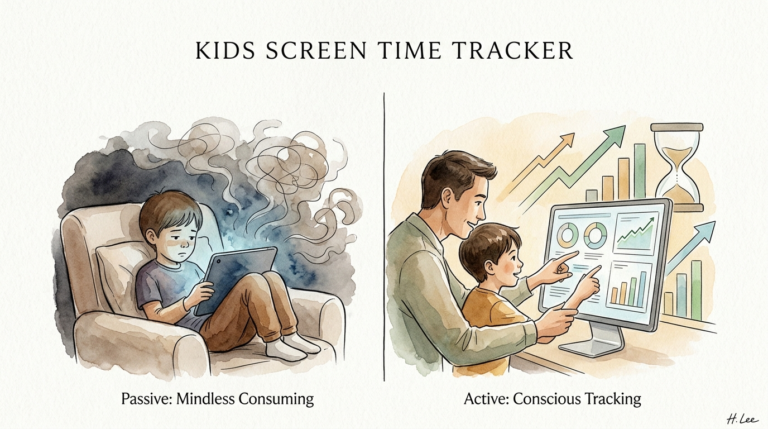
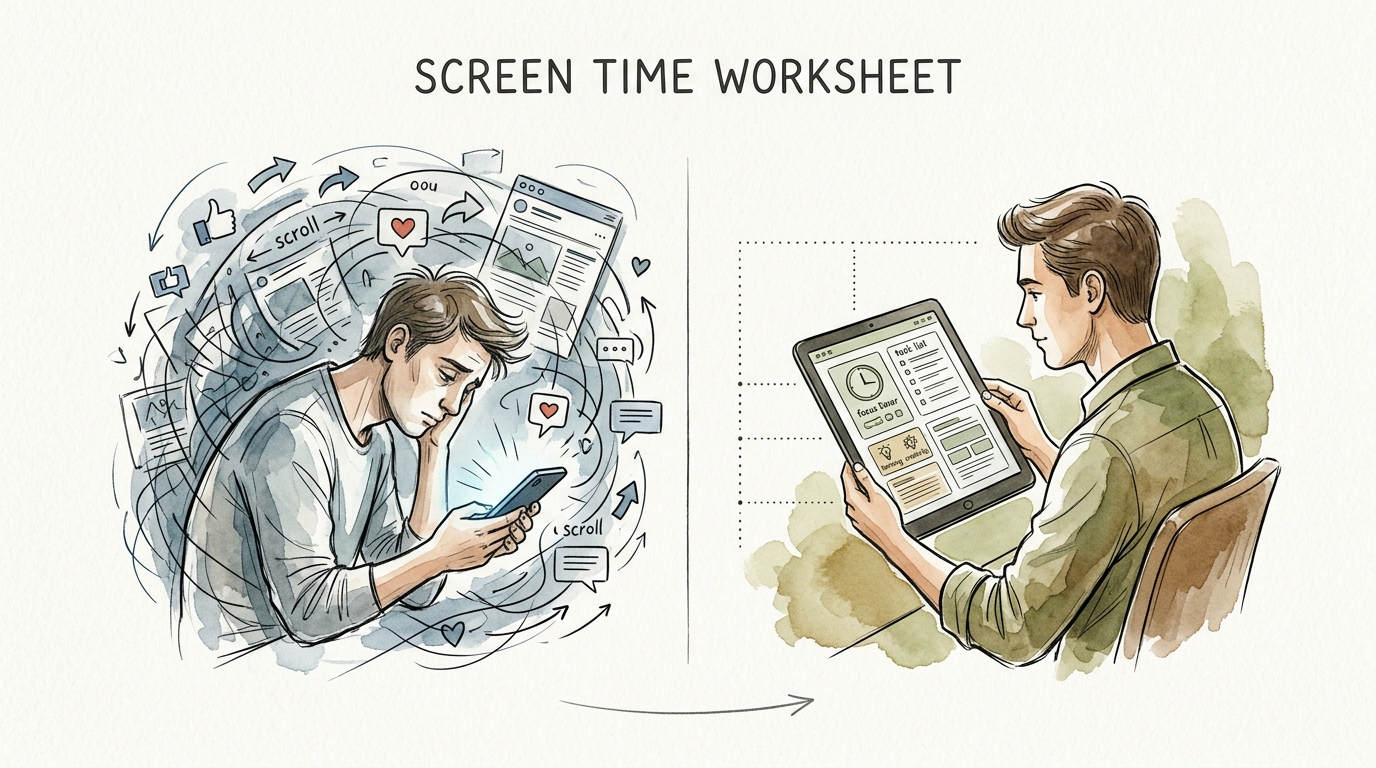
Don’t let tech burn their time—let it fuel their growth. Most kids use screens as a way to zone out. Use this worksheet to help them audit their habits and shift from being passive consumers to intentional learners.
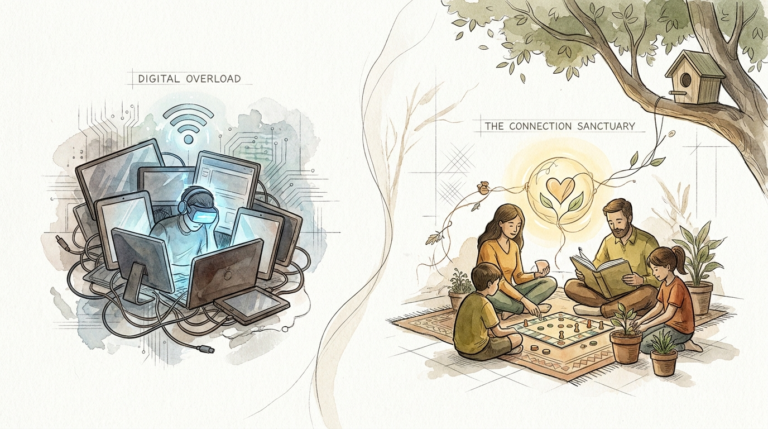
Technology is a permanent feature of modern childhood, not a passing trend. Recent data from 2025 indicates that even children as young as eight are spending nearly two and a half hours daily on screens, while teenagers often exceed seven hours of non-school media use. This digital saturation makes it easy for kids to fall into a “zombie state,” where hours vanish into the void of algorithmic feeds and auto-playing videos.
Understanding the difference between mindless consumption and intentional use is the first step toward digital wellness. A screen time worksheet isn’t about punishment or strictly limiting minutes; it is a tool for self-awareness. It helps families move away from “digital defense”—constantly blocking and banning—and toward “tech-intentionality,” where devices are used to enhance life rather than replace it.
Guiding a child through a habit audit helps them see the “invisible pressure” of notifications and the subtle way short-form content drains their energy. This article provides a comprehensive guide on using a screen time worksheet to transform your home’s digital environment from one of conflict to one of conscious growth.
screen time worksheet
A screen time worksheet is a structured diagnostic tool designed to help children and parents track, analyze, and optimize digital habits. Unlike a simple timer that shuts off a device, a worksheet focuses on the quality and intent of the time spent online. It serves as a physical mirror for digital behavior, making abstract habits visible and measurable.
In real-world settings, these worksheets are used by pediatricians, school counselors, and “tech-intentional” families to identify “problematic patterns.” These patterns might include compulsive checking of social media, mood-driven scrolling, or sleep displacement caused by late-night gaming. By documenting these habits, kids can see for themselves where their time goes, which is far more effective than a parent simply telling them they have spent “too much time” on their phone.
The core philosophy behind this tool is that not all screen time is equal. Watching an educational documentary or coding a new game is fundamentally different from doomscrolling through a social media feed for three hours. The worksheet provides the framework to distinguish between these activities, helping kids categorize their sessions as either “Creative/Productive” or “Passive/Entertainment.”
How to Conduct a Digital Audit
Implementing a screen time worksheet effectively requires a three-stage process: Logging, Reflecting, and Resetting. This systematic approach ensures that the data collected leads to actual behavioral change rather than just remaining a list of numbers on a page.
Stage 1: The Raw Log
Spend three to seven days—including at least one weekend—simply recording every digital interaction. Use the device’s built-in “Screen Time” or “Digital Wellbeing” settings to get accurate data. Record the name of the app, the duration of the session, and the time of day. This provides a baseline of reality that often surprises both the child and the parent.
Stage 2: The Emotional Audit
This is the most critical part of the worksheet. For each major session, have the child record how they felt before they picked up the device and how they felt after they put it down. Common findings include feeling “bored” or “stressed” before a session and feeling “drained,” “anxious,” or “unproductive” afterward. Identifying these “dopamine loops” helps kids realize that screens often fail to provide the actual rest or excitement they were seeking.
Stage 3: The Categorization
Group the logged activities into four main buckets:
- Active/Creative: Coding, digital art, writing, or researching a hobby.
- Social/Connected: Video calling family or collaborating on a school project.
- Passive/Consumer: Watching YouTube shorts or scrolling Instagram.
- Utility: Checking the weather, setting alarms, or checking school grades.
Stage 4: The Strategic Reset
Based on the data, work together to set new boundaries. This might include “batching” social media use to 30 minutes in the afternoon or designating the hour before bed as a “no-tech zone.” The goal is to maximize the Active/Creative time while placing intentional friction around the Passive/Consumer habits.
Benefits of Digital Self-Awareness
Moving toward a structured audit provides measurable improvements in a child’s mental and physical well-being. By shifting from mindless use to intentional sessions, kids often experience a significant reduction in “tech-stress”—that feeling of being overwhelmed by notifications and social comparison.
The practical benefits include:
- Improved Focus and Attention: Research from 2024-2026 suggests that high levels of passive screen time are linked to attentional narrowing and difficulty concentrating on “slow” tasks like reading or deep study. Reducing passive consumption helps “reset” the brain’s attention span.
- Better Sleep Hygiene: Identifying late-night screen use through a worksheet allows families to address sleep displacement directly. Removing blue light and high-stimulation content before bed leads to faster sleep onset and better REM cycles.
- Physical Health Gains: Screens are naturally sedentary. A worksheet often highlights how digital habits replace physical activity. Recognizing this allows for a “movement-first” approach where screens are a reward for physical play rather than the default activity.
- Agency and Empowerment: When a child audits their own time, they gain a sense of mastery. They are no longer “victims” of addictive algorithms; they are conscious users who choose when and how to engage with the digital world.
Challenges and Common Pitfalls
The primary challenge in using a screen time worksheet is the “dopamine resistance.” Modern apps are designed by hundreds of engineers specifically to capture and hold attention. Asking a child to audit their use is asking them to fight against a multi-billion-dollar industry designed to keep them scrolling.
Common mistakes parents make during this process include:
- Using the Data as a Weapon: If a parent uses the worksheet results to shame or punish the child, the child will quickly learn to lie or hide their device use. The worksheet must be a collaborative tool for growth, not a “gotcha” for grounding.
- Inconsistency: Habits are formed over years. A single weekend audit won’t change everything. The most successful families treat digital wellness as a monthly “check-up” rather than a one-time event.
- Ignoring Their Own Habits: Children model their behavior after their parents. If a parent is constantly checking their phone during dinner while asking the child to fill out a screen time worksheet, the process will lose all credibility.
- Focusing Only on Minutes: Fixating on the total number of hours is less effective than focusing on the type of content. Five hours of learning to edit video is often more valuable than one hour of mindless TikTok scrolling.
Limitations and Realistic Constraints
A worksheet is a tool, not a cure-all. It cannot replace a healthy parent-child relationship or the need for face-to-face social interaction. One major limitation is that digital habits are often symptoms of deeper issues, such as social anxiety, academic stress, or boredom. If a child is using screens to “self-medicate” against these feelings, a worksheet will identify the habit but won’t solve the underlying emotional need.
Environmental factors also play a massive role. In a world where schoolwork is increasingly tablet-based and social lives happen in group chats, a “total digital detox” is often impossible and counterproductive. The worksheet must account for “grey areas”—activities that are necessary for modern life but still count as screen time. Furthermore, for neurodivergent children, screens can sometimes provide necessary sensory regulation or a safe social environment, meaning a one-size-fits-all “ideal time” simply doesn’t exist.
Comparison: The Mindless Scroll vs. The Intentional Session
Understanding the fundamental difference between these two modes of engagement is the key to a successful audit. The worksheet helps identify which category a child’s sessions fall into most frequently.
| Factor | The Mindless Scroll | The Intentional Session |
|---|---|---|
| Starting Trigger | Boredom, habit, or notification. | Specific goal (e.g., learn a recipe). |
| Brain State | Passive “Zombie” state; low alpha waves. | Active “Flow” state; high engagement. |
| Ending Trigger | External interruption or exhaustion. | Completion of the task. |
| Post-Use Feeling | Drained, anxious, or “behind.” | Accomplished, inspired, or informed. |
| Algorithm Influence | High; the app chooses the content. | Low; the user chooses the content. |
Practical Tips for Digital Success
Once the worksheet has identified the problem areas, apply these actionable strategies to help your child regain control of their time. These techniques provide the “friction” necessary to break addictive loops.
Use the “Soft-Landing” Technique: Transitioning off a screen is the hardest part of the day because the brain is coming down from a dopamine high. Instead of shouting “Time’s up!” across the room, give a 10-minute warning and then provide a “bridge” activity—something high-engagement offline like shooting hoops, cooking together, or a quick card game.
The “Greyscale” Trick: Color is a major psychological trigger for apps. Turning a smartphone or tablet to “Greyscale” mode in the accessibility settings makes the screen significantly less appealing. This simple change can reduce mindless scrolling by making the digital world look dull and uninviting.
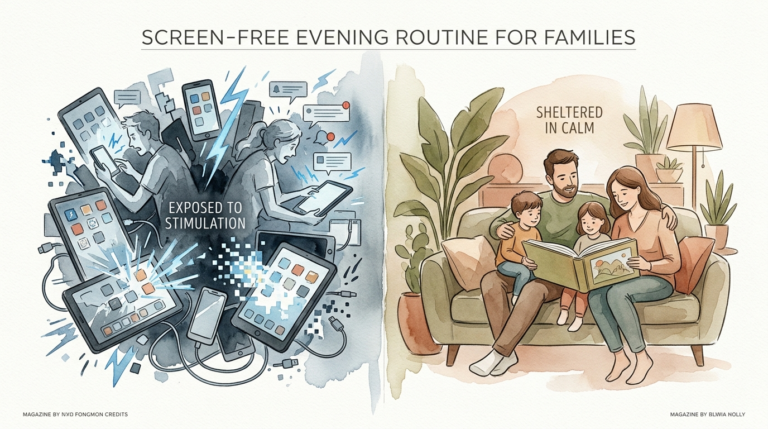
Designate No-Tech Zones: Establish physical boundaries where screens are never allowed. The dining table and the bedroom are the two most important zones. Keeping chargers in a central location (like a kitchen basket) prevents the “one last check” before bed that leads to hour-long rabbit holes.
The “Earn Your Minutes” System: Treat screen time as a currency. For every 30 minutes of “active” life—reading, chores, outdoor play—the child earns a set amount of “passive” screen time. This teaches them to value their time and prioritizes high-quality offline activities.
Advanced Considerations: The Dopamine Cycle
For parents who want to go deeper, it is important to understand the biological mechanism of digital addiction. When a child engages with short-form videos or high-intensity games, their brain releases surges of dopamine. Over time, the brain’s receptors become less sensitive to this “noise,” requiring more screen time to achieve the same feeling of satisfaction.
Serious practitioners of digital wellness focus on “dopamine fasting” or “re-sensitization.” This involves periodic 24-hour periods with zero digital stimulation. While difficult, these resets allow the child’s brain to return to a baseline level where “slow” activities—like building LEGOs or drawing—feel rewarding again. A screen time worksheet can help plan these resets by identifying the specific days when usage typically peaks, such as rainy Saturdays.
Additionally, teach your child about algorithmic influence. Show them how YouTube or TikTok “profiles” them to keep them watching. When a child realizes they are being “hacked” by a piece of software, their natural teenage desire for independence often motivates them to resist the algorithm and reclaim their focus.
Example Scenario: The 12-Year-Old Weekend Audit
Consider the case of Leo, a 12-year-old who felt “tired all the time” despite sleeping eight hours. His family used a screen time worksheet to audit a typical Saturday.
- Logged Data: 5 hours total. 2 hours on TikTok, 2 hours on Minecraft, 1 hour on YouTube.
- Emotional Audit: Before TikTok, Leo felt “bored.” After 2 hours, he felt “irritable” and “restless.” Before Minecraft, he felt “excited.” After 2 hours of building a base with friends, he felt “tired but happy.”
- The Discovery: The audit revealed that the TikTok scrolling happened between 10 PM and midnight, displacing high-quality sleep. The “zombie state” was caused by the late-night blue light and the rapid-fire content.
- The Adjustment: Leo agreed to leave his phone in the kitchen at 9 PM. He could still play Minecraft on Saturday afternoon, but the late-night scrolling was replaced with 20 minutes of reading. Within a week, his “tired” feeling vanished.
Final Thoughts
The goal of a screen time worksheet is not to eliminate technology, but to empower your child to use it as a master rather than a servant. By bringing the invisible habits of digital life into the light, you provide your child with the cognitive tools they need to navigate a world designed to distract them. This process builds self-regulation—a skill that will serve them far more than any parental control app ever could.
Encourage your child to view this as an experiment. Digital wellness is a journey of trial and error, not a destination of perfection. As they begin to see the correlation between their screen habits and their daily mood, they will naturally start making better choices. Start with a simple three-day audit this week and see what the data reveals about your family’s digital diet.
Mastering the screen time worksheet is the first step toward a more “tech-intentional” home. By prioritizing relationships and creative growth over passive consumption, you ensure that technology remains a powerful fuel for your child’s future rather than a drain on their present potential.
Sources
1 awisee.com | 2 thescreentimeconsultant.com | 3 blankspaces.app | 4 schoolhouse-daycare.co.uk