night routine for kids bedtime
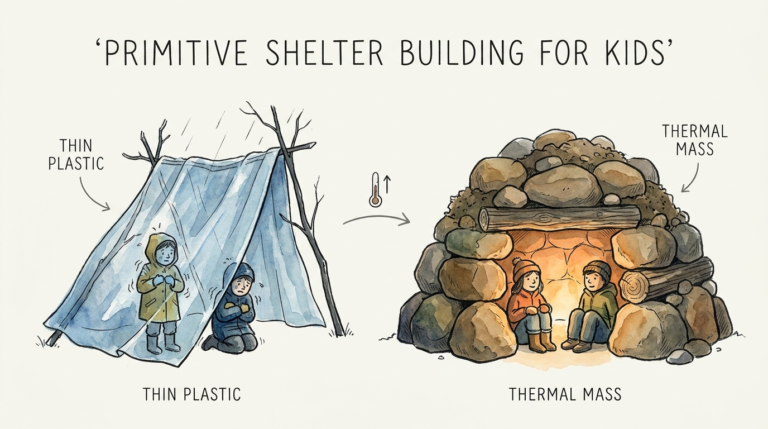
Protect their sleep environment from the digital storm. Blue light and loud noise are the enemies of deep sleep. Transition from an ‘exposed’ evening to a ‘sheltered’ sanctuary with these three simple routine shifts.
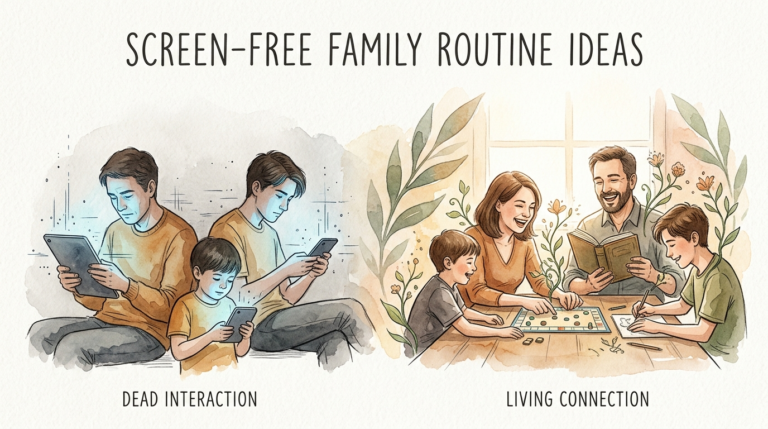
Modern evenings often feel like a chaotic race against the clock. Parents rush from work to dinner, then struggle through homework and chores while digital screens flicker in every corner. This high-energy environment creates an “exposed” evening where children are bombarded by artificial triggers that keep their brains on high alert.
Creating a sheltered sleep sanctuary is not just about getting more hours of rest. It is about the quality of those hours and the biological signals we send to a child’s developing brain. When we shift the environment, we help the body transition naturally into a state of recovery and growth.
night routine for kids bedtime
A night routine for kids bedtime is a predictable series of calming activities that signals the brain to begin the transition from wakefulness to sleep. This process serves as a psychological and physiological bridge, moving a child away from the stimulation of the day and into the restorative quiet of the night.
Consistency plays a more significant role in child development than many realize. Recent research from Penn State suggests that a stable bedtime routine may be even more influential for emotional regulation than the total duration of sleep itself. Children who follow the same steps every night show better control over their emotions and behavior when faced with stress the following day.
In the real world, this routine functions as a “safety signal.” When a child knows exactly what happens after the bath or which book comes after the teeth-brushing, their nervous system begins to downregulate. This reduces the production of cortisol, the stress hormone, and allows melatonin, the sleep hormone, to take its rightful place in the biological driver’s seat.
How to Build a Sheltered Bedtime Routine
Establishing a sheltered routine requires a deliberate shift in the household atmosphere about 60 to 90 minutes before the actual lights-out time. This is often called the “Wind-Down Hour.”
The first step involves environmental dimming. Switch off overhead “cool” LED lights and rely on warmer lamp lighting. This shift mimics the natural setting of the sun and tells the child’s pineal gland to start releasing melatonin. Artificial blue light from tablets and televisions mimics daylight, which can delay sleep onset by up to two hours in sensitive children.
The second step is the implementation of the “4 B’s” method: Bath, Brush, Book, and Bed. A warm bath does more than just clean; it helps lower the body’s core temperature afterward, which is a key biological trigger for sleep. Following the bath with a focused, screen-free activity like reading or storytelling provides the quiet connection children crave.
The third step is the final transition into the “Sleep Sanctuary.” This involves moving into a room that is “cave-like”—dark, cool, and quiet. Using blackout curtains and a white noise machine can help shield the child from the “digital storm” of outside traffic, household chatter, or the glow of streetlights.
Benefits of a Consistent Night Routine
The most immediate benefit of a regular night routine for kids bedtime is a reduction in bedtime resistance. When children know the routine is non-negotiable and predictable, they are less likely to engage in “stalling tactics” like asking for extra snacks or water.
Beyond the peace of the evening, the long-term cognitive benefits are immense. Sleep is when the brain consolidates memory and processes the day’s learning. A child in a sheltered sleep environment spends more time in deep, restorative REM sleep, leading to better focus and academic performance.
Physical health also sees a major boost. Growth hormone is primarily released during deep sleep stages. By protecting the sleep environment from light and noise disruptions, parents ensure that the body can perform essential repair and growth functions without interruption.
Common Mistakes in Bedtime Routines
Many parents fall into the trap of “Routine Roulette.” This happens when the bedtime sequence changes based on who is putting the child to bed or how tired the parents are. Inconsistency teaches children that the rules are flexible, which often leads to more power struggles and longer evenings.
Another frequent error is allowing “Sneaky Light Sources” to persist. A glowing power strip, a digital clock with a bright blue display, or a hallway light can be enough to interfere with a child’s sensitive circadian rhythm. Children’s eyes allow more light to reach the retina than adult eyes, making them much more susceptible to the sleep-disrupting effects of even small amounts of light.
Temperature is also a common pitfall. A room that is too warm—above 70 degrees Fahrenheit—can trigger nightmares and restlessness. The body needs to drop its core temperature to enter deep sleep, so a slightly “chilly” room with a comfortable blanket is often better than a heated one.
When This Method May Not Be Ideal
While a sheltered routine is the gold standard, there are times when a rigid approach may backfire. During periods of high illness or fever, a child’s immediate physical comfort and monitoring needs take precedence over a strict schedule.
Travel and significant life transitions, such as moving house or the arrival of a new sibling, can also make a perfect routine impossible. In these cases, it is better to focus on “portable” elements of the routine—like a specific book or a familiar white noise sound—rather than trying to force the entire environment to be perfect.
Neurodivergent children, particularly those with ADHD or sensory processing challenges, may find traditional routines overstimulating. For these children, a standard “warm bath” might be too much sensory input, and they may require a modified approach that focuses on deep pressure or specific tactile comforts instead.
Exposed Evening vs. Sheltered Sanctuary
To understand the difference, consider how various factors impact the child’s readiness for sleep.
| Factor | Exposed Evening (Chaos) | Sheltered Sanctuary (Routine) |
|---|---|---|
| Lighting | Bright LEDs and Blue Screen Light | Dim, Warm Lamps or Red Night Lights |
| Sound | TV, Loud Conversation, House Noise | Steady White Noise or Gentle Lullabies |
| Activity | Rough Play or Fast-Paced Cartoons | Reading, Drawing, or Quiet Talking |
| Hormonal State | High Cortisol (Alert/Stressed) | High Melatonin (Relaxed/Sleepy) |
Practical Tips for Immediate Improvement
Start with the “Low-Hanging Fruit.” Swap out any white or blue light bulbs in the child’s bedroom for red-hued bulbs. Red light has the least impact on melatonin production, allowing for nighttime visibility without waking the brain up.
Blackout curtains are a game-changer, especially during summer months when the sun stays up late. If professional curtains are too expensive, taping heavy paper or temporary blackout film to the windows can provide the same “cave-like” effect.
Place the white noise machine between the child’s bed and the source of noise, such as the bedroom door or a window facing the street. This creates an auditory “shield” that masks sudden sounds—like a barking dog or a dropped pan—that would otherwise pull the child out of a deep sleep cycle.
Advanced Sleep Considerations
For those who have mastered the basics, consider “Sleep Architecture Tuning.” This involves adjusting the bedroom temperature to exactly 65–68 degrees Fahrenheit, which researchers find is the sweet spot for the human body to stay in deep sleep.
Aromatherapy can also be a powerful tool when used correctly. A tiny drop of lavender oil on a cloth near the bed (not directly on the skin) can help lower heart rate and blood pressure. Over time, the scent itself becomes a powerful psychological trigger that tells the child, “It is time to let go of the day.”
Focusing on the “Forbidden Zone” is another advanced strategy. This is a period of high alertness that often happens about an hour before a child’s natural bedtime. If you try to force sleep during this window, you will face intense resistance. Recognizing this peak in energy allows you to schedule the most calming routine activities precisely when that energy starts to dip.
The “Sheltered” Tuesday Scenario
Imagine a typical school night. At 6:30 PM, the “Digital Storm” ends as all tablets and TVs are tucked away. The house lights are dimmed to a soft amber glow. The child spends 15 minutes in a warm bath, followed by 10 minutes of pajamas and teeth-brushing.
By 7:00 PM, the child is in bed, but the room is already prepped. The white noise is humming softly, and the blackout curtains are drawn. Instead of a high-energy movie, parent and child spend 15 minutes reading a physical book under a warm reading lamp.
By 7:15 PM, the lamp goes out. The child is not “fighting” sleep because their body has been physically and chemically prepared for it for nearly an hour. They drift off within minutes because the environment provides no reasons for the brain to stay awake.
Final Thoughts
Building a night routine for kids bedtime is one of the most effective ways to support a child’s long-term mental and physical health. It transforms the bedroom from a place of conflict into a sanctuary of recovery. By shielding them from blue light and noise, you are giving their brain the space it needs to grow.
Every small change adds up. You do not need to overhaul your entire life in a single night. Start by dimming the lights an hour early or introducing a white noise machine. These simple shifts in the environment signal that the “digital storm” is over and the time for rest has begun.
Consistency is the key that unlocks these benefits. Stay patient and stick to the routine, even on weekends. Soon, the evening will become a time of connection rather than chaos, and your child will wake up ready to face the world with a well-rested mind.
Sources
1 seattlechildrens.org | 2 therestfulsleepplace.com | 3 pediatricassociates.com | 4 sleepfoundation.org | 5 choc.org | 6 aveeno.com | 7 youtube.com | 8 sheffieldchildrens.nhs.uk | 9 sciencedaily.com | 10 psu.edu | 11 psu.edu | 12 parent.com | 13 parpeds.com | 14 cchwyo.org | 15 swpedi.com | 16 seabehavioral.com | 17 happylittledreamers.ca | 18 sleeprighttonight.com.au | 19 nih.gov | 20 huckleberrycare.com | 21 aoa.org | 22 aces.edu | 23 ozmoticlearning.com