How To Fix Toddler Screen Tantrums
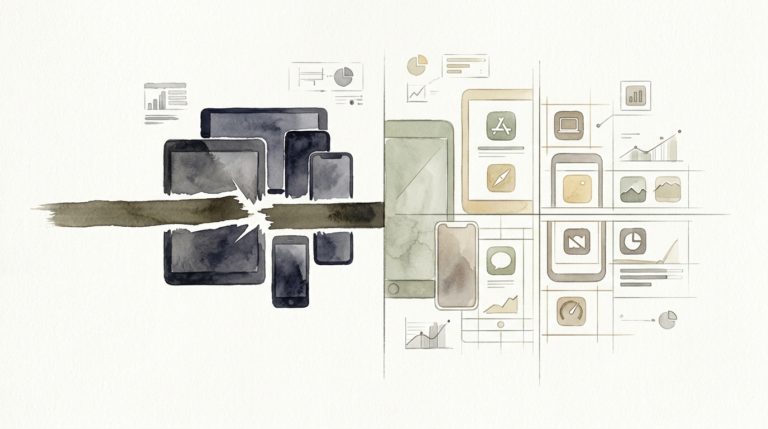
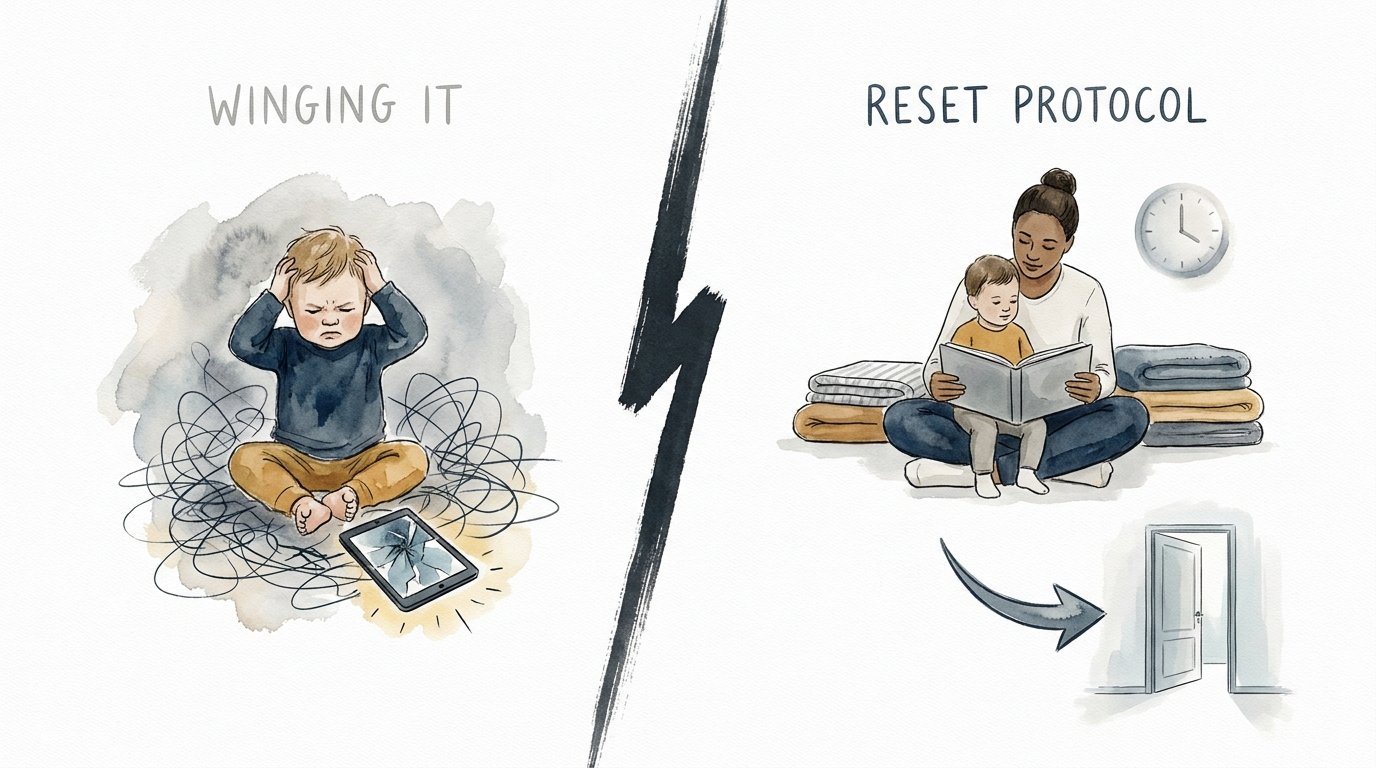
One leads to a weekend of screaming; the other leads to a lifetime of calm. When you just ‘take away’ the tablet, you’re entering a war zone. When you follow the 7-day reset protocol, you’re building a new world where boredom is the fuel for genius.

Parents everywhere are feeling the same exhaustion. You hand over the phone to get ten minutes of peace to cook dinner, but you pay for it with an hour of explosive rage later. It feels like a trap because it is one. We are dealing with a neurological loop that is much bigger than a simple “bad mood.”

This guide is designed to help you break that loop. We are moving away from reactive parenting—what we call WINGING IT—and moving toward a structured RESET PROTOCOL. You aren’t just taking away a toy; you are recalibrating a developing brain.
Every day your child spends in a dopamine-heavy environment is a day their brain isn’t practicing the hard work of focus. We’re going to change that starting now.
How To Fix Toddler Screen Tantrums
Fixing a toddler screen tantrum requires you to stop looking at the behavior and start looking at the chemistry. A tantrum isn’t just “naughtiness.” It is a physiological response to a sudden drop in dopamine.
When a toddler is engaged with a high-speed, brightly colored app, their brain is flooded with dopamine. This chemical is responsible for anticipation and reward. The screen acts as a digital anesthetic, keeping the child in a state of high arousal and low effort.
The moment you turn that screen off, the dopamine levels crash below the child’s normal baseline. This is known as a “dopamine crash.” Their nervous system feels a sudden sense of loss and dysregulation. Because their prefrontal cortex—the part of the brain responsible for logic and self-control—isn’t fully developed, they cannot process this shift rationally.
Instead, the emotional mind takes over completely. This often results in an amygdala hijack, where the child perceives the loss of the device as a genuine threat. This is why they scream, hit, or throw things. They aren’t just “angry”; they are neurologically overwhelmed and unable to self-regulate.
To fix this, we must move beyond the moment of the tantrum. We have to change the environment that makes the crash so severe in the first place. This is where the 7-day reset protocol comes into play, shifting the focus from managing the explosion to preventing the fuel from piling up.
The 7-Day Screen Reset Protocol: Step-by-Step
The reset protocol is a deliberate, intentional period where you remove high-stimulation digital input to allow the brain to return to its natural baseline. This isn’t a punishment. It is a neurological “reboot.”
Day 1: The Clean Sweep and Awareness
Start by removing the physical temptation. Portable screens should be put in a locked drawer or high shelf where they are out of sight. If the child can see the iPad, their brain will stay in a state of “anticipation,” which keeps dopamine levels high and frustration near the surface.
Talk to your child, even if they are young. Use simple language: “Our brains need a rest from the glowing screens so we can find our ‘super focus’ again.” Do not present this as a “no.” Present it as a “new way to play.”
Day 2: The Extinction Burst
Expect things to get worse before they get better. Psychologists call this an Extinction Burst. It is a temporary increase in the intensity of a behavior when a previously reinforced reward is removed.
Your child will likely scream louder and protest longer today. They are testing the boundary to see if “going bigger” will bring back the dopamine hit. Stay calm. Hold the boundary with compassion but zero flexibility. Your calm is the anchor they need while their emotions are at sea.
Day 3: Crossing the Boredom Threshold
This is the hardest day for the parent. The initial rage has turned into a heavy, whining boredom. You will be tempted to entertain them every second. Resist this urge.
Boredom is the “growth point” where the brain begins to seek its own stimulation. When there is no external input, the brain starts to activate its Default Mode Network. This is where imagination and self-discovery live. If you fill every gap for them, they never learn to fill it themselves.
Day 4: The Discovery of Old Toys
Around Day 4, something magical happens. The “fog” begins to lift. You might find your child sitting on the floor with a toy they haven’t touched in months. Because the “easy” dopamine of the screen is gone, the slower rewards of building blocks or looking at a book start to feel satisfying again.
Day 5: Deep Play Emergence
On Day 5, you will notice longer periods of independent play. The child’s attention span is physically expanding. They are no longer “flipping” from one thing to another every 30 seconds. They are beginning to orchestrate their own play, which builds executive function and problem-solving skills.
Day 6: Emotional Regulation Improvement
By now, the dopamine levels have stabilized. You will likely notice that transitions—moving from lunch to nap time, or getting dressed—are significantly easier. Without the constant spikes and crashes of screen use, the child’s nervous system is more “even.”
Day 7: The New Normal and Re-Entry Plan
The reset is complete, but the work isn’t over. You now need a plan for the future. You might decide to stay screen-free, or you might reintroduce “Slow Tech” like family movies rather than high-speed “fast tech” like YouTube Shorts or TikTok.
Benefits of a Screen Reset
The most immediate benefit is a better-regulated nervous system. When children are not constantly overstimulated, their “baseline” mood is much higher. You will see fewer unprovoked meltdowns and more cooperation in daily tasks.
Neurological Advantages
A reset allows the brain’s reward system to desensitize. Chronic screen use can make the brain less sensitive to dopamine, meaning “real life” starts to feel boring and dull. By resetting, you make the simple joys of childhood—climbing a tree, drawing a picture, or playing with a friend—feel rewarding again.
Improved Sleep Quality
Blue light from screens suppresses melatonin, the hormone that tells the body it’s time to sleep. Even a few minutes of screen time before bed can delay sleep for hours. A screen reset often leads to faster “sleep onset” and deeper, more restorative rest, which in turn leads to better behavior the next day.
Boost in Creativity and Resilience
When a child has to navigate boredom, they develop internal resourcefulness. They learn to turn a cardboard box into a spaceship or a stick into a magic wand. This type of child-led, open-ended play is the primary driver of brain development in the early years. It builds the “muscles” of patience and persistence that screens typically erode.
Challenges and Common Mistakes
The biggest challenge is the Parental Guilt Trap. You see your child crying or looking “sad” because they are bored, and you feel like a “mean” parent. You must reframe this. You are not depriving them; you are giving them the gift of a focused mind.
The Consistency Gap
Many parents start the reset on a Monday but give in by Wednesday because of a work meeting or a long car ride. Giving in during the reset is actually worse than not doing a reset at all. It teaches the child that if they protest long enough, you will eventually break. This reinforces the very tantrums you are trying to stop.
Relying on “Educational” Labels
Just because an app is labeled “educational” doesn’t mean it isn’t high-dopamine. Many educational games use the same flashing lights and “ding” sounds as gambling apps to keep kids engaged. During a reset, all screens—even the “good” ones—should be removed to allow for a total neurological break.
The “Entertainer” Error
Parents often feel they must become a 24/7 cruise ship director during the reset. If you over-schedule their days with constant activities, they never learn to sit with themselves. The goal is unstructured time. You can provide the tools (crayons, blocks, dirt), but they must provide the spark.
Limitations: When the Reset May Not Be Enough
While a 7-day reset is powerful, it is not a “cure-all” for every behavioral issue. If a child has underlying sensory processing disorders, ADHD, or autism, the transition away from screens may be significantly more difficult and may require professional support.
Environmental Constraints
If you live in a small apartment during a rainy week with no access to outdoor space, a total reset is much harder. Environmental “green time” (time in nature) is a natural mood enhancer that helps the brain recover from digital strain. Without it, the “pressure cooker” effect of being indoors can make the reset feel unsustainable.
Social Realities
For older toddlers who have playdates or attend school where screens are used, you cannot control every environment. The reset works best when the entire household—including parents—participates. If the child sees you on your phone while they are “banned” from theirs, the reset will feel like a punishment rather than a family shift in values.
Practical Comparison: Winging It vs. Reset Protocol
The difference between these two approaches determines the atmosphere of your home.
| Feature | Winging It (Reactive) | Reset Protocol (Proactive) |
|---|---|---|
| Approach | Taking the screen away when they “misbehave.” | A planned, 7-day break to recalibrate the brain. |
| Dopamine Levels | Constant spikes and crashes. | Stabilized at a healthy baseline. |
| Long-term Effect | Increased aggression and shorter attention span. | Improved focus, patience, and creative play. |
| Parental Stress | High (constant negotiations and power struggles). | High for 3 days, then significantly lower for years. |
Practical Tips for a Successful Reset
Success depends on preparation. Do not announce a reset in the middle of a fight. Plan it for a week when you have a little extra energy and few outside commitments.
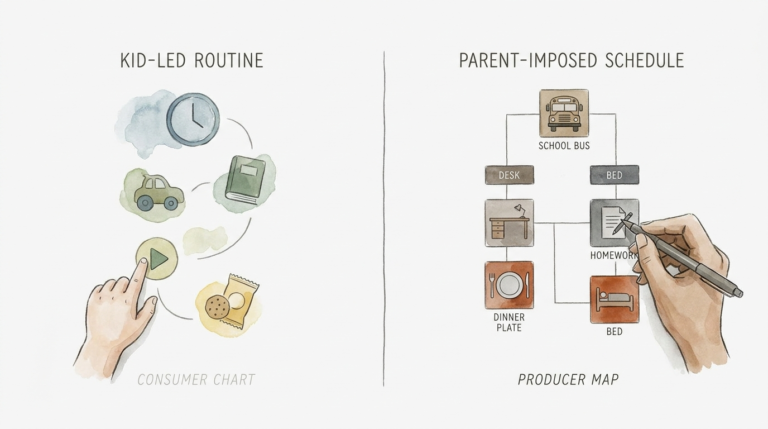
- Use Visual Schedules: Toddlers feel safer when they know what is coming. Draw a simple “Daily Map” with pictures of breakfast, park time, blocks, and nap time.
- The “Boredom Basket”: Fill a basket with low-stimulation items like playdough, silks, magnets, or old kitchen utensils. These are “open-ended” toys that require the child to do the work.
- Lead by Example: Put your own phone in a “phone jail” during the hours the kids are awake. They are much more likely to accept a screen-free life if they see you living one too.
- Incorporate “Heavy Work”: Physical activity like pushing a laundry basket, climbing, or jumping on a trampoline helps regulate the nervous system and “burn off” the restless energy that comes with screen withdrawal.
- Use “Transition Warnings”: If you eventually reintroduce screens, always use a timer that the child can see. Let the “beep” be the bad guy, not you.
Advanced Considerations: The “Slow Tech” Framework
Once the reset is over, you don’t have to live in the 1800s. However, you should distinguish between **Active Tech** and **Passive Tech**.
Passive Tech (like a movie on a large TV across the room) is generally less “addictive” than Active Tech (like a tablet two inches from their face that they control with their thumb). The physical distance and the lack of a “feedback loop” (the child isn’t clicking or swiping) makes it much easier for the brain to handle.
The Concept of “Green Time” vs. “Screen Time”
For every minute of digital exposure, try to provide two minutes of “green time” (outdoor play). Nature is “biologically restorative.” It requires soft fascination—a type of attention that doesn’t drain the brain’s resources like the “hard fascination” of a video game does.
Building Digital Resilience
The goal isn’t just to avoid screens; it is to build a child who can eventually use them without losing their mind. This starts with emotional regulation. By completing a reset, you are teaching your child that they can survive a “no” and that they are capable of entertaining themselves. That is the ultimate form of resilience.
Scenario: From “Screen Zombie” to Independent Player
Consider the case of a 3-year-old who was using an iPad for 3 hours a day. Whenever the iPad was taken away, the child would scream for 40 minutes, hit their siblings, and refuse to eat dinner.
Phase 1 (The Reset): The parents followed the 7-day protocol. Days 1 and 2 were “brutal,” with the child lying on the floor crying for the device. The parents remained empathetic but firm.
Phase 2 (The Shift): On Day 4, the child spent 15 minutes trying to stack Tupperware in the kitchen. By Day 6, they were playing “restaurant” with a set of wooden spoons for nearly an hour.
The Result: Three weeks later, the tantrums had almost entirely disappeared. The child’s vocabulary increased because they were talking to people instead of watching cartoons. The parent-child bond was repaired because the “iPad Wall” was gone.
Final Thoughts
The transition from a screen-heavy home to a reset home is not easy, but it is necessary. We are raising the first generation of children who have constant, portable access to high-potency dopamine. The “symptoms” we see—the tantrums, the lack of focus, the irritability—are the brain’s way of screaming for a break.
A 7-day reset protocol gives your child their brain back. It replaces the “flicker” of the screen with the “flame” of their own imagination. You are moving from a world of screaming to a world of calm, and the only thing standing in your way is one week of consistency.
Experiment with this. Start small if you have to, but aim for the full reset. You might be surprised to find that the “genius” your child was missing was there all along—it was just buried under a mountain of digital noise. Hint at the future: once your child can play alone, your own stress levels will drop, creating a virtuous cycle of peace in your home.
Sources
1 youtube.com | 2 healthychildren.org | 3 braintasticscience.com | 4 kailancarr.com | 5 childandteensolutions.com | 6 susanssleepsolutions.com | 7 biglittlefeelings.com | 8 calmmamacoaching.com | 9 screenfree.org | 10 childmind.org | 11 abtaba.com | 12 allanarobinson.com | 13 safariltd.com | 14 brighthorizons.co.uk | 15 rockwoodprep.com