How To Build A Little Free Library
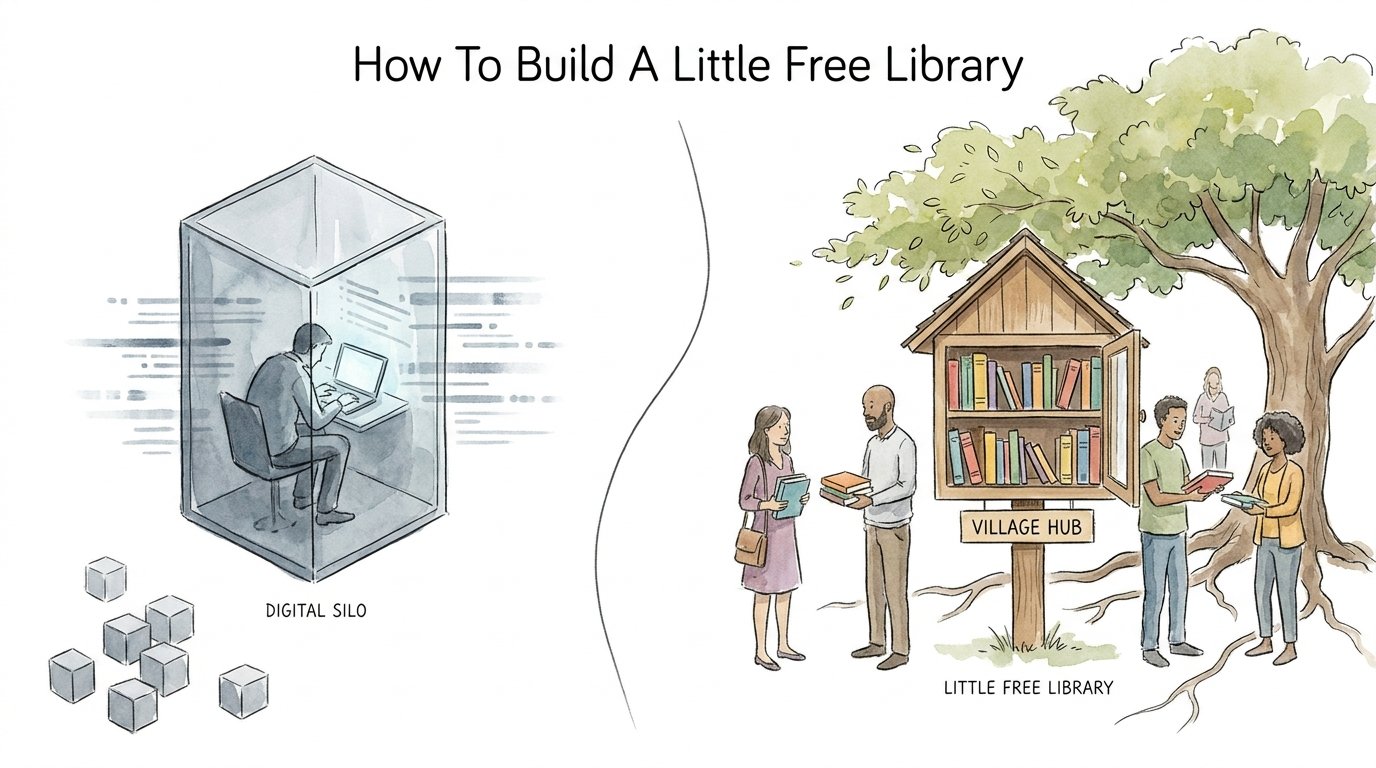
We used to build walls to keep people out; now we build libraries to bring them in. The tablet offers a million books but zero conversations. Building a neighborhood book exchange transforms your front yard from a private ‘silo’ into a community ‘integrated’ hub. This summer, give your kids a project that builds more than just a box—it builds a village. Watch the magic of a local legacy as your neighbors start leaving treasures for your children to find.
How To Build A Little Free Library
A Little Free Library is a “take a book, share a book” free book exchange. It usually exists as a small, wooden, weather-resistant box mounted on a post in a front yard or public space. While the primary goal is to provide 24/7 access to books, these structures function as “mini-town squares” that spark neighborly interaction and promote literacy in underserved areas.
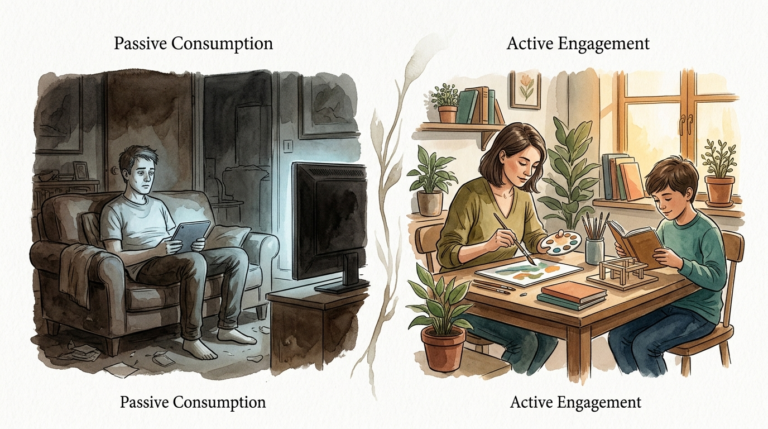
The concept is simple: anyone may take a book or leave one. There are no late fees, no library cards, and no barriers to entry. In a world increasingly defined by the DIGITAL SILO, where interactions happen behind screens, this physical structure acts as a VILLAGE HUB. It forces us to stop, look, and engage with the physical world and the people living right next door.
In real-world terms, these boxes are used as community catalysts. They are found in suburban yards, urban street corners, and even outside rural coffee shops. They provide an “oasis” in book deserts where public libraries might be miles away. For a steward—the person who maintains the box—it is a commitment to community health and the joy of sharing stories.
Planning Your Neighborhood Book Exchange
Success starts with a solid plan. You cannot simply nail a shoe box to a tree and expect it to survive a thunderstorm. You need to consider location, legalities, and the specific needs of your neighborhood. Think about foot traffic. Place your library where people already walk, such as near a sidewalk, a park entrance, or a popular dog-walking route.
Check your local zoning laws and HOA regulations before you dig. Some cities have strict “accessory structure” ordinances. If you encounter resistance, remember the “Spencer Collins” case in Kansas. When the city told a nine-year-old to take down his library, he fought back, leading to a change in local law. Many advocates argue that if a city allows bird feeders and mailboxes, it cannot constitutionally ban a book exchange because books are protected speech.
Design your library to be inclusive. Ensure the height is accessible for both adults and children. A common strategy is to include a lower shelf specifically for kids’ books, which are often taller and thinner than standard adult novels. High-energy colors and creative themes like “The Mystery Nook” or “Harry Potter’s Shelf” will attract more visitors than a plain brown box.
Essential Tools and Materials
Woodworking beginners should focus on durability. Using the wrong wood will lead to rot within two seasons. Cedar is the gold standard because it naturally resists insects and moisture. If cedar is out of your budget, exterior-grade plywood (CDX) or pressure-treated lumber are viable alternatives. Avoid interior-grade materials like MDF or particle board, as they will swell and disintegrate the moment humidity hits.
- Materials: 3/4″ exterior-grade plywood, cedar shingles, 1/4″ Plexiglass or Lexan, 4×4 pressure-treated post, waterproof wood glue (Titebond III), silicone caulk, and exterior-grade screws.
- Tools: Circular saw or miter saw, power drill with pilot bits, hammer, level, paintbrush, and a post-hole digger.
- Fasteners: Use stainless steel or galvanized screws to prevent rust streaks on your beautiful paint job.
Step-By-Step Construction Guide
Building the frame is the first major step. Start by cutting two side panels. A standard size is roughly 15 inches wide and 24 inches high. To ensure water runoff, cut the top of each side panel at a 6-degree slope. This creates a natural pitch for your roof. Attach these sides to a solid base and a back panel using wood glue and pre-drilled holes to avoid splitting the timber.
Installing the interior shelves requires careful measurement. Measure the height of your tallest children’s books. Many stewards find that 12 to 14 inches of clearance is necessary for picture books. Use L-brackets or simple wood cleats to support the shelves. High-energy tip: Paint the interior a bright, contrasting color. This makes the books pop and makes the library look inviting even from a distance.
The door is the most complex part of the build. It must be transparent so people can see the treasures inside. Build a simple wooden frame and inset a piece of 1/4″ Lexan. Lexan is superior to standard glass because it is shatter-resistant and stands up to neighborhood kids or stray baseballs. Attach the door with heavy-duty hinges and a magnetic latch to keep it closed against the wind.
Mounting the library requires a stable foundation. Dig a hole at least 24 inches deep—or below the frost line in colder climates. Set a 4×4 pressure-treated post in the hole and fill it with quick-setting concrete. Use a level to ensure the post is perfectly vertical. Once the concrete cures, secure the library box to the top of the post using lag screws and a mounting bracket.
The Physics of Weatherproofing
Moisture is the enemy of every book. Even a tiny leak can turn a collection of classics into a moldy mess. Every joint in your structure should be sealed with high-quality silicone caulk. Apply the caulk before you paint to ensure the best bond. Pay special attention to the roof-to-wall joints and the corners of the floor.
Roof overhangs are non-negotiable. Your roof should extend at least 3 to 6 inches beyond the front of the library. This “porch” effect prevents rain from running down the face of the door and seeping into the threshold. For extra protection, add asphalt shingles or a metal drip edge to the roof. This ensures that water sheds away from the structure entirely.
Ventilation prevents condensation. In humid environments, a perfectly sealed box can trap moisture, leading to “sweating” inside the glass. Drill two small holes (1/4 inch) in the floor or high up under the roof overhang. Cover these holes with a fine mesh screen to keep out bugs. This allows air to circulate without letting in rain or pests.
Benefits of a Neighborhood Book Exchange
The impact of a local library goes far beyond “free stuff.” It provides immediate access to literacy materials for families who may not have the time or transport to visit a central library. Studies show that 92% of children report better access to books when a Little Free Library is in their neighborhood. This builds a VILLAGE HUB where the simple act of reading becomes a visible, shared value.
Community bonding is a measurable outcome. These boxes act as “conversation starters.” You will meet neighbors you’ve lived next to for years but never spoken with. It creates a sense of shared ownership and pride. When people stop to browse, they linger. They talk. They look out for one another. This “neighborhood watch” effect is a natural byproduct of increased foot traffic and engagement.
Sustainability is another key advantage. Every book in your library is a book that didn’t end up in a landfill. It encourages a circular economy of resources. Sharing your favorite childhood story with the next generation is a powerful way to build a legacy without spending a dime. It teaches children the value of generosity and the joy of giving back to their peers.
Challenges and Common Mistakes
Overstocking is a frequent error. A “bulging” library is actually a deterrent. If the books are packed too tightly, people cannot browse easily and may feel like they are “stealing” if they take one. Keep the shelves about 75% full. This leaves room for the “leave a book” part of the transaction. If you have extra donations, keep them in a bin in your garage and rotate the stock every few weeks.
Ignoring the “detritus” can lead to a decline in visitors. Occasionally, well-meaning neighbors will leave things that aren’t books—old DVDs, loose papers, or even non-perishable food. While a “pantry” is a noble idea, mixing it with books can lead to spills or pests. As a steward, you must be comfortable removing items that don’t fit the mission of the library to maintain a high-quality experience.
Failing to prime before painting is a recipe for maintenance headaches. Raw wood absorbs moisture. Without a high-quality primer, your exterior paint will peel within months. Use a 100% acrylic latex primer designed for outdoor use. Apply two coats of semi-gloss exterior paint on top. The semi-gloss finish is easier to wipe clean of fingerprints, bird droppings, or pollen.
Limitations and Practical Boundaries
Location constraints are a reality. If you live on a high-speed road with no sidewalk, a Little Free Library may be dangerous. You do not want visitors standing on a busy shoulder or blocking traffic. In these cases, consider placing the library at a local park, school, or community center with permission. The goal is accessibility, not just proximity to your front door.
Maintenance is a commitment, not a one-time event. If you are not prepared to “straighten up” the books once a week, the library will eventually look abandoned. An abandoned-looking library attracts vandalism. You must be willing to be the “curator.” This means removing damaged books, cleaning the glass, and occasionally repainting or re-caulking as the seasons change.
Vandalism is rare but possible. Most communities fiercely protect their libraries, but “tagging” or theft can happen. If your library is vandalized, the best response is to repair it immediately. This sends a signal that the community still cares. If the library is in a high-risk area, consider using a more “industrial” design with metal reinforcement and motion-sensor lights to deter late-night mischief.
DIY Build vs. Pre-Built Kits
Choosing between building from scratch and buying a kit depends on your skill level and tools. A DIY build allows for complete customization and usually costs less in materials. A kit, often purchased through the official Little Free Library non-profit, offers professional-grade weatherproofing and takes much less time to assemble. Both options provide the same community value.
| Factor | DIY Scratch Build | Pre-Built Kit |
|---|---|---|
| Cost | $100 – $200 (Materials only) | $300 – $600 |
| Time Required | 10 – 20 Hours | 1 – 3 Hours |
| Skill Level | Intermediate Woodworking | Beginner (Assembly) |
| Customization | Unlimited | Limited to paint/trim |
| Durability | Depends on craftsmanship | Professional grade |
Practical Tips and Best Practices
Curation is the secret sauce. Don’t just dump every book you don’t want into the box. Think like a librarian. Include a mix of genres: thrillers, biographies, children’s picture books, and “beach reads.” If a book has been sitting for more than a month without being taken, remove it. It’s “stale.” Donate it to a thrift store and replace it with something fresh to keep people coming back.
- The “First Book” rule: Start your library with high-quality, popular titles. If people see “New York Times Bestsellers” on day one, they will view the library as a premium resource.
- Add a guest book: A small notebook and a pen tied to a string allow neighbors to leave notes. Reading the “thank you” messages from local kids is the best reward for your work.
- Include a dog hook: Attach a sturdy hook to the post. Dog walkers are your primary audience. Giving them a place to tether their pet while they browse increases the time they spend at your library.
- Stamp your books: Use a “Little Free Library” stamp on the inside cover. This prevents people from accidentally (or intentionally) trying to sell the books to used bookstores.
Advanced Considerations for Dedicated Stewards
Lighting transforms your library into a 24-hour destination. Many people walk their dogs after work when it is dark. Installing a solar-powered motion-sensor light inside the ceiling of the library is a game-changer. These lights are inexpensive, require no wiring, and automatically illuminate the book spines when someone opens the door or walks nearby.
Chartering your library is an important step for serious practitioners. By purchasing an official charter sign from the Little Free Library non-profit, you get a unique charter number and a spot on the Global World Map. This allows “book tourists” and travelers to find your library. It also grants you legal permission to use the trademarked name “Little Free Library” in your signage and social media posts.
Seasonal themes keep the community engaged. In October, stock the shelves with ghost stories and mysteries. In December, focus on “gift-worthy” books and holiday classics. Some stewards even decorate the outside of the box with lights or garlands. This dynamic approach ensures that the library feels like a living, breathing part of the neighborhood rather than a static piece of furniture.
Real-World Scenarios
Consider the “Kid’s Corner” scenario. In a neighborhood with many young families, one steward realized their library was too tall for toddlers. They added a “toddler annex”—a smaller, lower box attached to the same post that only held board books. Within weeks, the local park-goers made it a mandatory stop on their daily walk. The steward saw a 300% increase in book turnover just by adjusting for height.
Think about the “Diverse Voices” initiative. A steward in a culturally diverse urban area noticed the books being left were mostly in English, but many neighbors spoke Spanish. They actively curated a “Bilingual Shelf.” By sourcing Spanish-language titles from used book sales, they made the library a VILLAGE HUB for the entire community, not just a subset of it. The library became a bridge between different cultural groups.
Final Thoughts
Building a Little Free Library is one of the most rewarding DIY projects you can undertake. It combines the technical satisfaction of woodworking with the profound social impact of community building. By moving away from the DIGITAL SILO and creating a physical space for sharing, you are actively investing in the mental and social health of your neighborhood.
Start small, focus on weatherproofing, and commit to being a good steward. You don’t need to be a master carpenter to make a difference. A simple box, a sturdy post, and a few good stories are all it takes to transform your front yard into a local legacy. Your neighbors—and their children—will thank you for it.
Experiment with your designs and don’t be afraid to ask for help. Often, a neighbor might have the tools you lack, or a local school might have books to donate. This project is meant to be shared. Once your library is up and running, you’ll find that the “free” in the name doesn’t just refer to the price of the books—it refers to the freedom of a connected, literate, and vibrant community.
Sources
1 kaipodlearning.com | 2 littlefreelibrary.org | 3 medium.com | 4 jodyandpaula.com | 5 littlefreelibrary.org | 6 littlefreelibrary.org | 7 wordpress.com | 8 goodnovel.com | 9 glowforge.com | 10 littlefreelibrary.org | 11 loveandrenovations.com | 12 reneerenovates.com | 13 youtube.com | 14 littlefreelibrary.org | 15 littlefreelibrary.org | 16 reason.com | 17 littlefreelibrary.org | 18 littlefreelibrary.org | 19 victoriaplacemaking.ca | 20 instructables.com | 21 littlefreelibrary.org