family meeting agendas
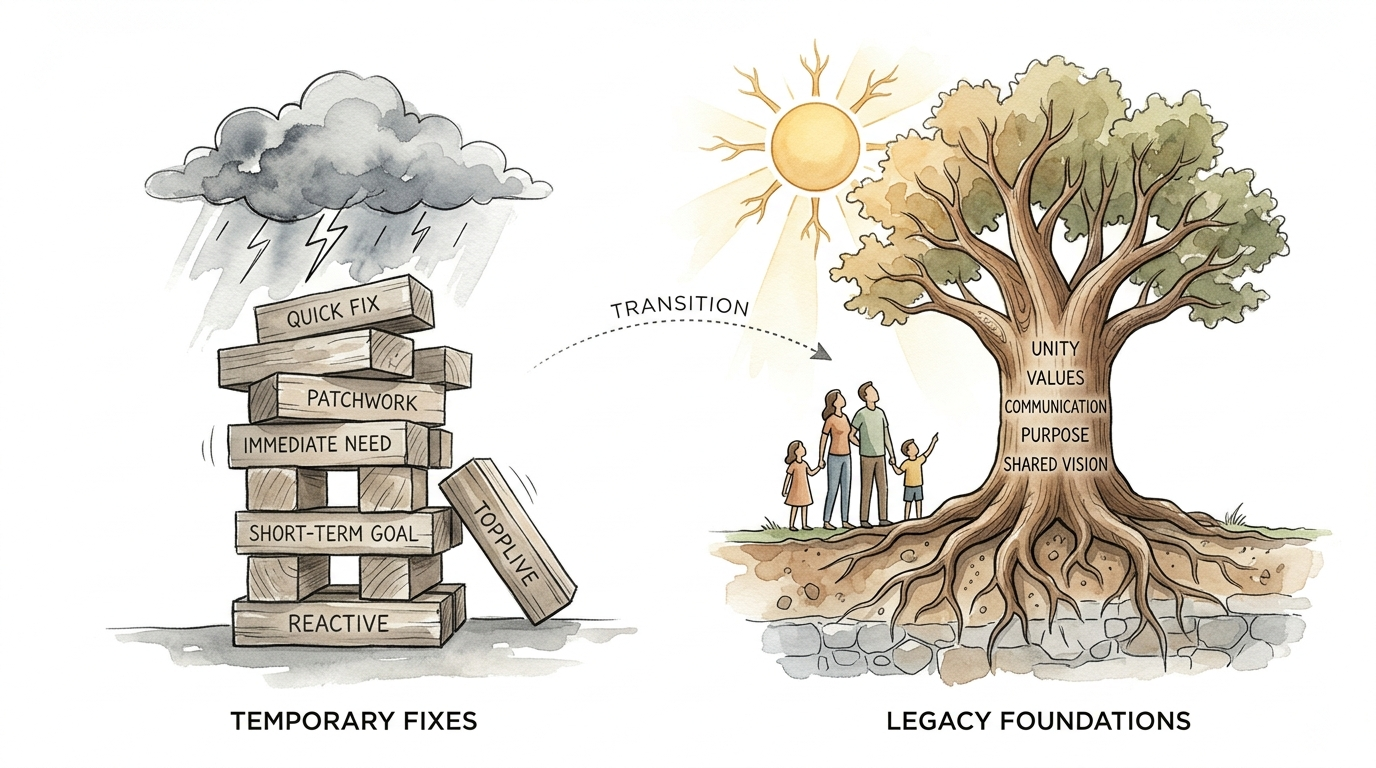
Don’t just manage the day; build a legacy for a lifetime. Quick fixes don’t last. Consistent family meeting agendas build the foundation for a legacy of trust and open communication.

Most families operate in a state of reactive chaos. Schedules collide, chores are forgotten, and meaningful connection is sacrificed on the altar of the daily grind. This isn’t just a scheduling problem; it is a leadership void. When you lack a system to align your family, you aren’t leading a household—you are managing a series of emergencies.
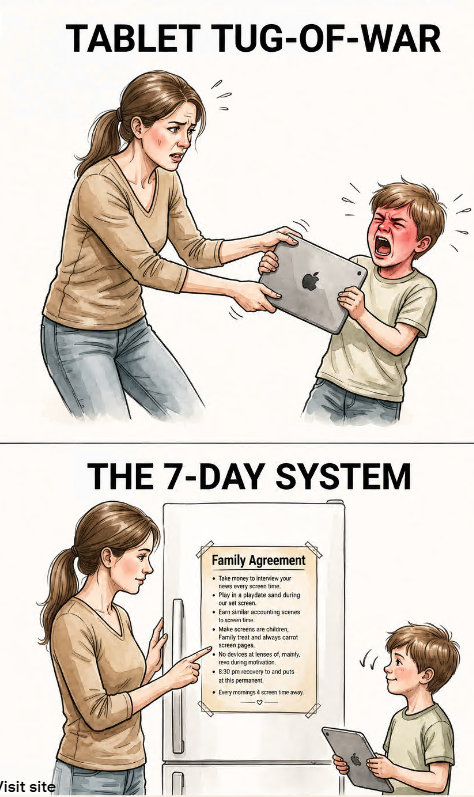
Establishing a structured rhythm through family meeting agendas changes the internal chemistry of your home. It shifts the dynamic from “top-down” parenting to a collaborative team environment. This guide will walk you through the mechanics of building a meeting culture that lasts, ensuring your family isn’t just surviving the week but building a future together.
family meeting agendas
Family meeting agendas are the blueprints for intentional household leadership. At their core, these agendas are structured outlines used to guide a recurring time—usually weekly—where every member of the family gathers to synchronize their lives. Think of it as a “State of the Union” for your home. It is a dedicated space where logistics meet love, and where the family values you talk about actually get put into practice.
In the real world, these agendas serve as a container for three specific functions: logistics, problem-solving, and appreciation. Without an agenda, a family meeting often devolves into a parental lecture or a venting session. The agenda provides the guardrails that keep the conversation productive. It ensures that everyone, from the preschooler to the teenager, knows what to expect and has a platform to be heard.
The beauty of this system is its scalability. For a family with toddlers, the agenda might be five minutes long and centered around a sticker chart. For a family with adult children, it might involve complex discussions about estate planning or shared business ventures. Regardless of the stage of life, the agenda serves as the “Operating System” for the family unit.
How to Build a High-Impact Family Agenda
Success starts with structure. A random gathering is a chat; a structured gathering is a meeting. To move from the former to the latter, follow this five-part framework for your weekly family meeting agenda.
1. The Appreciation Round
Every meeting should start with a high-energy “deposit” into the emotional bank account. Each person shares something they appreciate about another family member. This isn’t for generic praise; it’s for specific observations. “I appreciated how you helped me clear the table without being asked” or “I loved seeing you work hard on your math homework.” Starting here lowers defensiveness and prepares the brain for collaborative problem-solving.
2. The Logistics & Calendar Sync
This is where you eliminate the “I didn’t know about that” friction. Review the upcoming week’s calendar. Discuss sports practices, late nights at work, appointments, and meal plans. Mapping out the week’s logistics as a team prevents the midweek panic and ensures that everyone knows who is going where and when. It turns the family into a synchronized unit rather than a group of individuals living under the same roof.
3. Old Business & Goal Review
Review the decisions made in the previous meeting. If the family agreed to a new screen-time rule or a chore rotation, how did it go? This section builds accountability. If a system failed, don’t assign blame. Instead, ask the team why it didn’t work and if the solution needs to be adjusted. This teaches children that plans are iterative and that failure is simply data for the next attempt.
4. New Business & The Problem Board
Keep a “Problem Board” or a running list on the fridge during the week. Any family member can add a topic they want to discuss. During the meeting, you address these items one by one. Use a collaborative approach: “We’ve noticed the shoes are piling up by the front door. What are some ways we could fix this?” Let the kids brainstorm first. When they help create the solution, they are 10-times more likely to follow it.
5. The Fun & Closing
Never end on a heavy note. Close the meeting by planning a fun activity or enjoying a treat together. This could be a 10-minute game, a special dessert, or picking the movie for Friday night. The goal is to leave everyone with a positive association with the meeting process. You want your kids to look forward to this time, not dread it as another “talking-to.”
The Massive Returns of Consistency
Why bother with a formal agenda? Because the measurable benefits extend far beyond a cleaner house. The primary advantage is the development of emotional intelligence in children. By participating in these meetings, kids learn how to articulate their needs, listen to others, and negotiate for solutions. These are the “soft skills” that will eventually define their success in the workplace and in their future marriages.
Another major benefit is the reduction of household stress. Most family conflict arises from unmet expectations or poor communication. When the agenda forces these topics into the light once a week, the “pressure cooker” never has a chance to explode. You are dealing with small issues before they become catastrophic blow-ups.
Finally, these meetings build psychological safety. When a child knows there is a dedicated time every week where their opinion carries weight, they develop a profound sense of belonging. They aren’t just residents; they are stakeholders. This sense of ownership leads to higher cooperation and a stronger family identity.
Common Mistakes to Avoid
Even with a great agenda, many families struggle to keep the momentum. The most common pitfall is turning the meeting into a parental lecture. If you spend 90% of the time talking, you aren’t having a meeting; you are giving a sermon. Your goal should be to facilitate, not dominate. Use the “rule of three”: ask three questions for every one statement you make.
Another frequent error is making the meeting too long. For young children, 10 to 15 minutes is the limit. For teens, 20 to 30 minutes is ideal. Dragging the meeting out until everyone is bored or frustrated will kill the tradition within a month. Keep it tight, keep it moving, and always respect the “end time.”
Skipping meetings “just for this week” is the third major mistake. Consistency is the only way to build a culture. If you skip whenever life gets busy, you send the message that the family’s internal health is secondary to external pressures. Even a “mini-meeting” of five minutes is better than a cancellation.
When a Structured Meeting May Not Be Ideal
Structure is a tool, not a straightjacket. There are situations where a formal family meeting agenda is inappropriate. During an active crisis—such as a medical emergency or a high-conflict emotional breakdown—the “meeting” format should be set aside for immediate emotional support or direct instruction. You cannot “agenda” your way out of a trauma in the moment.
Additionally, very young children (under age 3 or 4) may not have the developmental capacity for the formal parts of an agenda. For this age group, the “meeting” might just be a special snack time where you mention one nice thing they did that day. Forcing a toddler to sit through a calendar review will only lead to frustration for everyone involved.
Digital vs. Analog: Choosing Your System
How you track your agenda matters. Different families thrive on different “operating systems.” The table below compares the two primary approaches.
| Feature | Analog (Paper/Whiteboard) | Digital (Apps/Shared Docs) |
|---|---|---|
| Visibility | High; usually on the fridge. | Low; requires opening a device. |
| Engagement | Tactile; kids love writing on boards. | Familiar for teens; easy to share. |
| Accessibility | Limited to the home location. | Accessible from anywhere. |
| Maintenance | Easy to update with a marker. | Can feel like “more screen time.” |
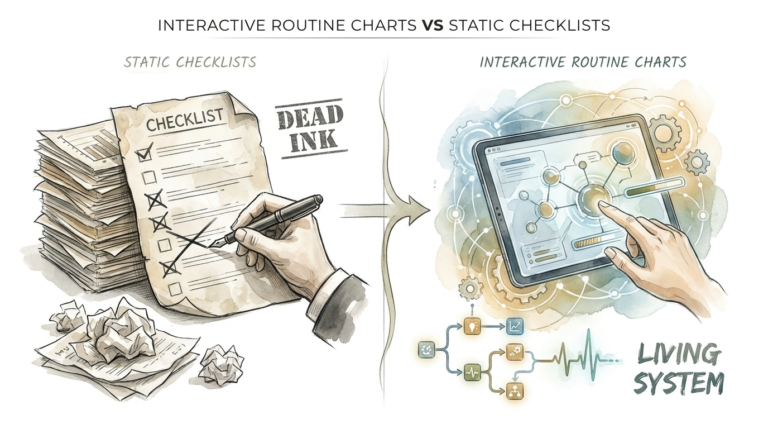
Consider a hybrid approach. Use a physical whiteboard for the weekly “Problem Board” and “Appreciation List” so everyone can see it daily, but keep the shared family calendar in a digital format for updates on the go. This combines the visibility of analog with the efficiency of digital.
Pro Tips for Meeting Mastery
- Rotate the Roles: Give everyone a job. One person is the Leader (runs the agenda), one is the Scribe (takes notes), and one is the Timekeeper. Even a 6-year-old can be the “Snack Master.”
- The Talking Stick: Use a physical object to designate who has the floor. This prevents interruptions and ensures that the quietest family member gets a chance to speak.
- No Devices: This is non-negotiable. All phones must be in a basket or a different room. Presence is the greatest gift you can give your family.
- Externalize the Conflict: When discussing problems, don’t say “You always leave your toys out.” Say, “The toys on the floor are a safety hazard. How can we fix that?” Focus on the problem, not the person.
Scaling the Legacy: Advanced Topics
As your family meeting culture matures, you can begin to introduce “Legacy Topics.” These go beyond the weekly logistics and move into the realm of long-term vision. Once a month, dedicate a portion of the agenda to Family Values. Pick one value—like “Integrity” or “Generosity”—and discuss what it looks like in action. Ask everyone for an example of when they saw that value during the month.
For families with older children or teens, financial transparency is a powerful tool. Discuss the family budget, explain how investments work, or set shared savings goals for a major vacation. This demystifies money and prepares your children for adult responsibilities. It moves the conversation from “Can we buy this?” to “How do we allocate our resources as a family?”
Legacy building also involves planning for the “Next Gen.” If you have a family business or shared assets, the family meeting is the training ground for future leaders. Use the agenda to discuss succession, roles, and the responsibilities of stewardship. You are building a multi-generational mindset that will survive long after you are gone.
The “Sunday Summit” Scenario
Imagine it’s Sunday at 6:00 PM. The family gathers in the living room. The 10-year-old is the Leader today. He opens the meeting by asking for appreciations. The 14-year-old thanks the 10-year-old for not bothering him while he was studying. Mom thanks Dad for handling the grocery run. The energy is high.
They move to the calendar. They realize Tuesday is a double-booked nightmare. Because they are all looking at the agenda together, they solve it in three minutes. They shift a ride share and move a music lesson. No one will be stranded at school on Tuesday. The anxiety in the room drops visibly.
Finally, they address the “Problem Board.” The issue: the dishwasher isn’t being emptied in the mornings. Instead of Mom yelling about it, the kids suggest a “tag-team” system. It’s their idea, so they are invested. They end with a round of card games and some popcorn. Total time elapsed: 22 minutes. The family is now aligned, relaxed, and ready for the week ahead.
Final Thoughts
Family meeting agendas are not about control; they are about connection. They provide the structure necessary for freedom. When the logistics of life are handled, you have more mental and emotional space for the things that actually matter. You stop fighting the fire and start building the home.
Starting this tradition might feel clunky at first. There will be eye-rolls, distractions, and perhaps a few burping contests. That’s okay. Perfection isn’t the goal; presence is. Stick with the process, keep the meetings short, and focus on the appreciations. Over time, these weekly sessions will become the “glue” that holds your family together during the inevitable storms of life.
Don’t wait for a “better time” to start. The best time was years ago; the second-best time is this Sunday. Pick a simple agenda, gather your team, and start building your legacy today. You’ll be amazed at how quickly 20 minutes of intention can transform the culture of your home.
Sources
1 toddlerapproved.com | 2 wnj.com | 3 cgrc.org | 4 wordlayouts.com | 5 printablemeetingagenda.com | 6 livingmontessori.com | 7 masteringconflict.com | 8 whzwealth.com | 9 familybusinessperformance.com | 10 positivediscipline.com | 11 positivediscipline.com | 12 positivediscipline.com | 13 empowerwealth.net