Best Tools For Ipad Detox For Kids
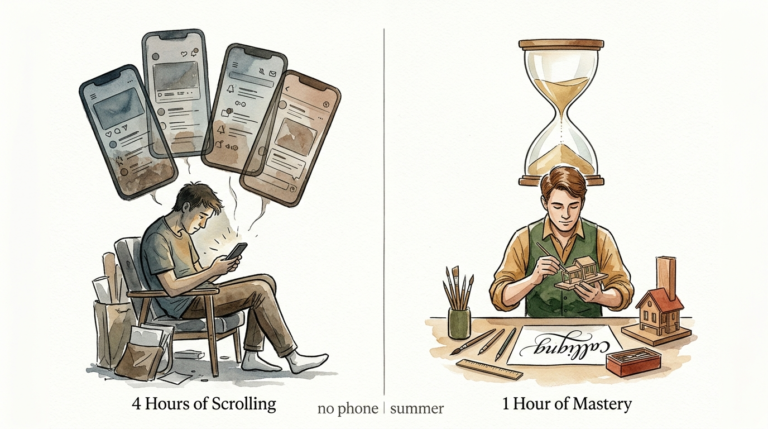
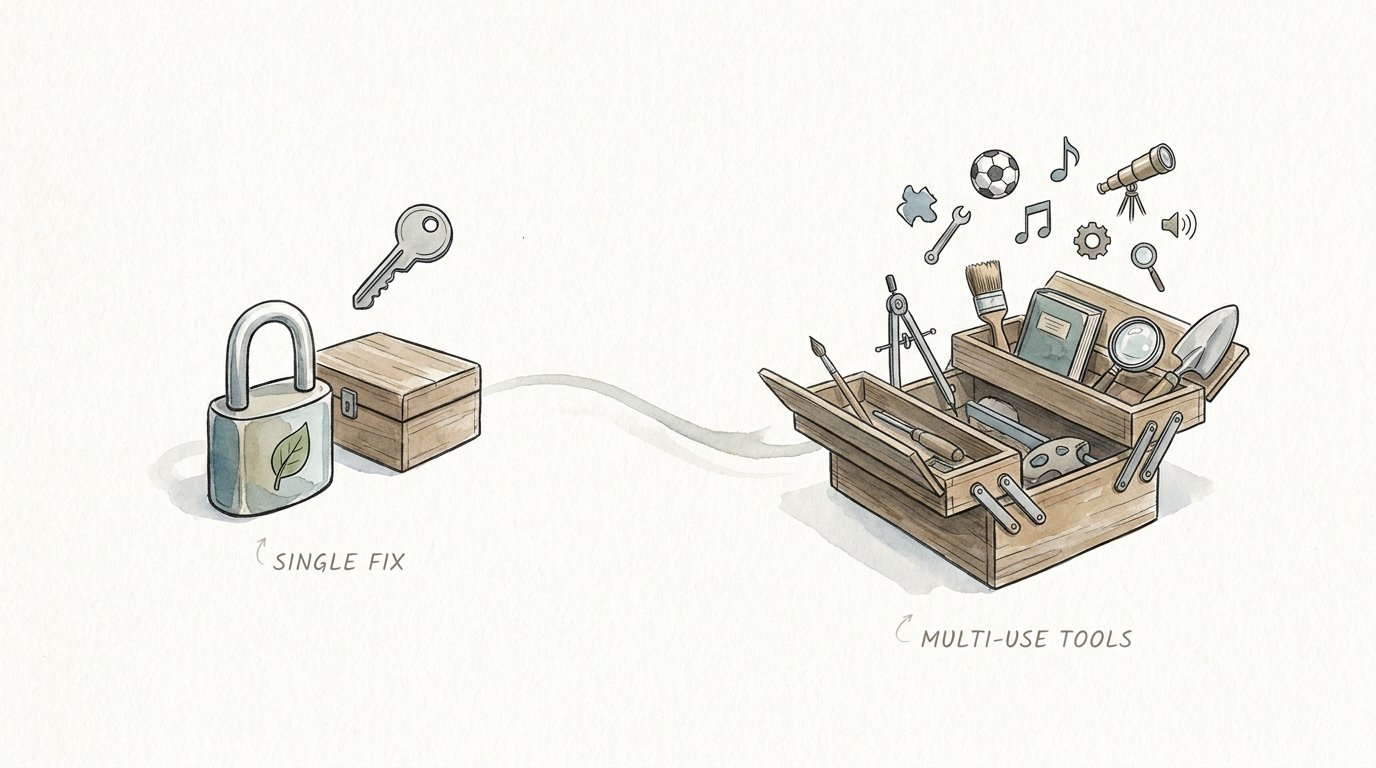
One device offers a million videos but only one action; this box offers zero videos but a million actions. The tablet is a single-use tool: it entertains. During a 7-day reset, we replace it with multi-use tools that require the child to be the ‘engine’ of the play. When the toy does less, the brain does more. We’re trading passive consumption for active resourcefulness.

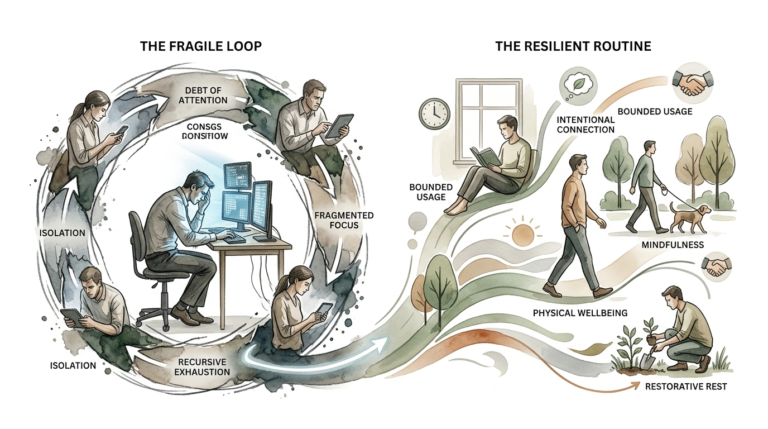
Parents often find themselves in a digital loop where the iPad is the only way to get a moment of peace. This guide isn’t about shaming technology, but about reclaiming the creative spark that gets buried under high-speed algorithms. Breaking the screen habit is a physical and neurological process that requires the right environment.
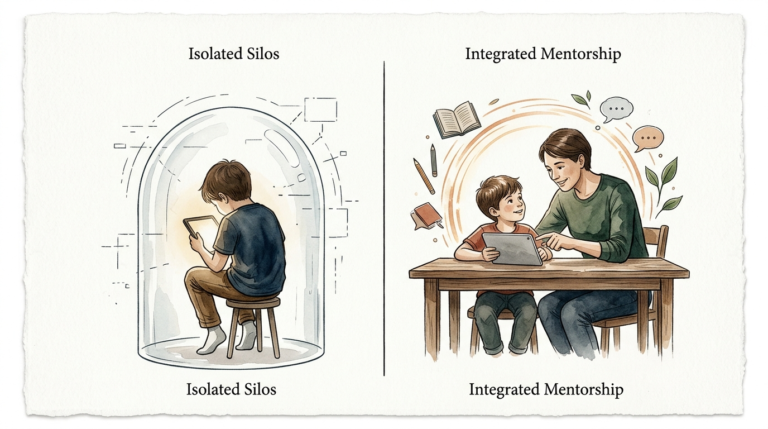
Modern childhood has shifted toward “Single Fix” entertainment where the child is a passenger. Real growth happens when the child is the driver. Replacing a screen with a “Multi-Use” tool changes the chemistry of the room. It moves the child from a state of passive dopamine intake to a state of active, problem-solving flow.
Best Tools For Ipad Detox For Kids
An iPad detox for kids is a structured period where digital devices are removed to allow the brain to recalibrate its reward system. This process exists because high-stimulation apps can overtax a child’s developing prefrontal cortex. In the real world, this is used to fix behavioral issues, improve sleep, and jumpstart stalled creativity.
Open-ended toys are the primary tools for a successful detox. These are objects that do not have a single “correct” way to be used. Think of a simple set of wooden blocks versus a plastic toy that plays a specific song when a button is pressed. The blocks can be a castle, a city, or a phone, while the plastic toy is always just a music box.
Loose parts are another essential category for your detox toolkit. Items like pebbles, sticks, fabric scraps, or even kitchen utensils serve as high-value play triggers. These tools work in every situation from rainy afternoons to long car rides. They force the brain to visualize and invent rather than just react to flashing lights.
Building materials like magnetic tiles or LEGO bricks provide the structural support for long-term engagement. These tools are used in educational settings to teach spatial awareness and persistence. During a detox, they serve as the “heavy lifting” tools that keep a child occupied for hours once the initial screen withdrawal fades.
How the 7-Day Reset Works
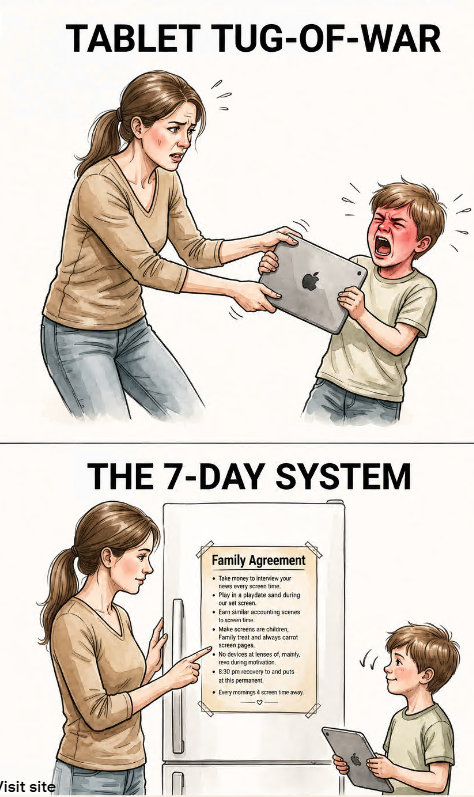
A 7-day reset is a step-by-step psychological transition for the entire family. It begins with a clear conversation about the “why” behind the break. Explaining that the brain needs a rest helps the child understand that this is a health choice, not a punishment.
Day one focuses on the physical removal of devices. Out of sight truly means out of mind for many young children. Placing tablets in a locked cabinet or even moving them to the car removes the immediate temptation. This day is usually high-energy and relatively easy because the novelty of the “new rules” is still fresh.
Days two and three are often the peak of the “boredom wall.” This is where the dopamine levels drop and the child may become irritable or restless. The strategy here is to provide “invitations to play” by setting out tools like clay or blocks in an appealing way. You are not forcing them to play; you are creating a landscape that makes play inevitable.
The middle of the week is when the creative spark usually reignites. By day four, children often stop asking for the device and start looking at their environment with new eyes. You might see them building elaborate forts or spending an hour focused on a single drawing. This is the moment where the brain begins to find its own “engine” again.
Days five through seven focus on social reconnection and establishing new habits. This is the time to introduce cooperative board games or outdoor exploration. The goal is to prove to the child that the real world offers deeper rewards than the digital one. Finishing the week with a “celebration” that doesn’t involve a screen solidifies the new boundary.
Benefits of the Multi-Use Approach
Practical benefits of an iPad detox show up almost immediately in a child’s attention span. Without the constant rapid-fire scene changes of digital media, the brain learns to sustain focus on a single task. This leads to better performance in school and improved ability to follow complex instructions.
Emotional regulation is another measurable advantage. Screens often act as a “digital pacifier” that prevents children from learning how to process frustration or boredom. Removing the quick fix forces them to develop internal coping mechanisms. Parents often report fewer tantrums and a general “calmness” once the detox is complete.
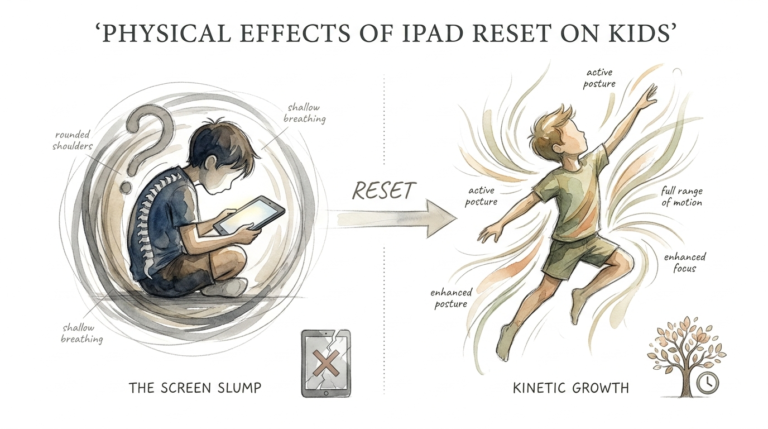
Physical health sees a direct boost from the shift to active play. Multi-use tools like climbing frames, balls, or even just a large cardboard box naturally encourage movement. This helps with gross motor development and ensures the child is tired enough for healthy, restorative sleep at night.
Creativity and resourcefulness are the long-term winners in this approach. A child who can turn a stick into a sword or a sheet into a tent is building the same mental muscles used by engineers and artists. They are learning that they have the power to change their environment, which builds massive self-confidence.
Challenges and Common Mistakes
The “Boredom Panic” is the most common pitfall for parents. When a child screams that they have nothing to do, the instinct is to jump in and entertain them. This is a mistake because boredom is actually the “incubation period” for creativity. If you fix the boredom for them, you rob them of the chance to fix it themselves.
Inconsistency is another major hurdle. If the rules change because the parent is tired or busy, the child will continue to push the boundaries. A successful detox requires a 100% commitment for the set duration. Giving in for even twenty minutes can reset the “withdrawal” clock and make the next day twice as hard.
Failing to model the behavior is a frequent error. If you are telling your child to go play with blocks while you are scrolling through your own phone, the message is lost. The detox works best when the entire household adopts a lower-tech lifestyle for the week. Children are more likely to accept the change if they see their parents “unplugged” as well.
When This May Not Be Ideal
Realistic constraints like working from home without childcare can make a full detox difficult. In these cases, a “cold turkey” approach might lead to more stress for the parent than benefit for the child. It is important to recognize when the environment simply doesn’t support a total reset and to adjust the goals accordingly.
Traveling or major life transitions are also poor times for a detox. If a child is already dealing with the stress of a move or a long flight, removing their comfort tool might cause unnecessary emotional trauma. Stability is the foundation of a successful reset, so choose a week that is as “normal” as possible.
Specific neurodivergent needs must be considered. For some children with sensory processing issues or autism, the iPad is a vital tool for regulation and communication. In these instances, the “detox” should be handled by a professional or focused on specific high-stimulation apps rather than a total removal of the device.
Comparison: Single-Fix vs Multi-Use
| Feature | Single-Fix (Tablet) | Multi-Use (Blocks/Boxes) |
|---|---|---|
| Brain Activity | Passive reaction to stimuli | Active creation and problem-solving |
| Longevity | Limited by battery and content | Infinite possibilities |
| Social Interaction | Isolated “bubble” play | Encourages collaboration and sharing |
| Dopamine Type | High-spike, quick-crash | Slow-burn, satisfying “flow” |
| Skill Level | Low (tap and swipe) | Scales with the child’s age |
Practical Tips for a Smooth Detox
Rotate your toys to keep the environment fresh without buying anything new. Most kids have too many toys visible at once, which leads to “choice paralysis.” Hiding half the toys in the closet and bringing them out on day three of the detox makes them feel brand new and exciting.
Use “Invitations to Play” to guide their focus. Instead of saying “go play,” set up a small scene on the rug. Put three dinosaurs next to a pile of blocks and a blue scarf. This visual prompt acts as a “hook” that pulls the child into an imaginative world without any verbal pressure from you.
Visual timers are excellent tools for managing expectations. If you are reintroducing limited screen time after the detox, a physical timer that shows the time “disappearing” helps the brain transition. It removes the parent as the “bad guy” and places the boundary on the clock itself.
Create a “Yes Space” where the child can be fully independent. This is an area of the home where every single item is safe and approved for play. Having a space where they never hear the word “no” allows them to reach a deep state of flow that is often interrupted in other parts of the house.
Advanced Considerations for Long-Term Success
Understanding the “Dopamine Loop” is key for parents who want to maintain progress. High-stimulation apps are designed to provide a constant stream of tiny rewards. To compete with this, real-world activities need to provide a sense of mastery. Projects that take several days to complete, like growing a plant or building a large LEGO set, help the brain value long-term rewards over instant ones.
Evolutionary biology tells us that children are hardwired to learn through “risky play.” This doesn’t mean putting them in danger, but letting them climb a little higher or use a real (but blunt) kitchen knife. These high-stakes activities release a different set of neurochemicals that are incredibly engaging and help “override” the desire for digital stimulation.
Neuroplasticity is your greatest ally during a detox. The brain is remarkably good at pruning unused connections and strengthening new ones. Every hour your child spends building or drawing is physically rewiring their brain to be more patient and creative. The younger the child, the faster this recalibration happens.
Scenario: The “Cardboard Box” Experiment
Consider a household where a 5-year-old spent three hours a day on an iPad. On the first day of the detox, the iPad was replaced with three large refrigerator boxes and a roll of duct tape. Initially, the child sat on the boxes and cried, asking for their show. This lasted for forty-five minutes—the “boredom wall.”
By hour two, the child began to poke holes in the side of the box. By hour four, the boxes were a two-story “space station” with a control panel made of drawn-on buttons. The child didn’t just watch a story about space; they *lived* it. Their heart rate was higher, their language use was more complex, and their sleep that night was the deepest in months.
This scenario demonstrates the “Engine of Play” theory. On the iPad, the app was the engine. With the boxes, the child’s imagination was the engine. The exhaustion they felt at the end of the day was the “good tired” that comes from real mental and physical exertion, something a screen can never provide.
Final Thoughts
One device offers a million videos but only one action; this box offers zero videos but a million actions. The goal of an iPad detox isn’t to live in the Stone Age, but to ensure that your child remains the primary creator in their own life. By choosing multi-use tools over single-fix entertainment, you are investing in their cognitive and emotional future.
The 7-day reset is a challenging journey, but the rewards are measurable and lasting. You will see a child who is more focused, more resilient, and more capable of finding joy in the simple things. This is the foundation of a healthy relationship with technology that will serve them well into adulthood.
Start small, stay consistent, and trust the process of boredom. Your child’s brain is designed to be active, curious, and resourceful. All you have to do is clear away the digital noise and give them the space to rediscover their own internal engine. The results will speak for themselves.
Sources
1 rockwoodprep.com | 2 familyitguy.com | 3 udemy.com | 4 kongacademy.org | 5 parentingchaos.com | 6 peacefulparenthappykids.com | 7 chesona.com | 8 kidsusamontessori.org | 9 ourlittleplaynest.com | 10 verizon.com