family meeting agenda template
Stop wasting your family’s time on aimless arguments. Without an agenda, family meetings are just a waste of time. Use this template to fuel growth, resolve conflicts, and build a stronger bond.

Most households run on autopilot. We move from school drop-offs to work meetings, barely stopping to check if everyone is actually okay. Friction builds up in the gaps where communication is missing. This friction isn’t just annoying; it is the silent killer of family harmony.
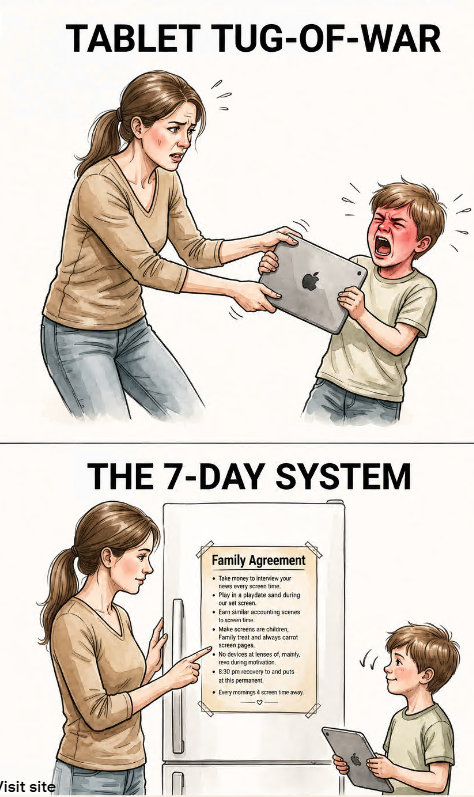
By implementing a structured family meeting, you transition from “Wasted Friction” to “Fuel for Connection.” You stop being a group of people living under one roof and start being a team with a shared mission. This guide provides everything you need to turn chaotic Sundays into the most productive 20 minutes of your week.
family meeting agenda template
A family meeting agenda template is a structured roadmap designed to guide your family through a consistent, productive conversation. It is not a corporate boardroom tool; it is a communication framework that ensures every voice is heard and every logistical detail is handled. In the real world, successful families use these templates to manage everything from chore disputes to vacation planning.
Think of the agenda as the “operating system” for your home. Without it, your “family computer” crashes because too many programs are running at once. With it, you create a predictable environment where children feel safe to express their needs and parents can lead without lecturing.
A standard high-performance agenda typically includes four main phases:
- The Connection Phase: Starting with appreciations or “shout-outs.”
- The Logistical Phase: Reviewing the calendar and meal plans.
- The Governance Phase: Solving problems and addressing chores.
- The Celebration Phase: Ending with a treat or a fun activity.
How to Run Your First Family Meeting
Success depends on the environment you create before the first word is spoken. Start by picking a consistent time and place. Sunday evenings are popular because they allow you to look ahead at the coming week, but any time where everyone is fed and relaxed works well.
Establish roles to give everyone a sense of ownership. A Facilitator keeps the meeting moving through the agenda. A Scribe records decisions in a family notebook or digital doc. A Timekeeper ensures the meeting doesn’t drag on, which is the fastest way to lose a teenager’s interest.
Follow these steps to execute the meeting effectively:
1. Open with Appreciations
Start with a “positivity prime.” Every person at the table must share one thing they appreciate about someone else in the family from the past week. This shifts the brain from “defensive mode” to “connection mode.” It prevents the meeting from feeling like a list of complaints.
2. Review the Family Calendar
Walk through the next seven days. Who has soccer practice? Who has a late meeting? Is there a doctor’s appointment on Tuesday? This prevents “calendar friction,” where parents realize at 5:00 PM on a Tuesday that they both have a conflict and no one is picking up the kids.
3. Meal Planning and Chores
Decide on at least three major meals together. When children help choose the menu, they are less likely to complain about what’s for dinner. Use this time to also address “household contributions”—a much better term than chores. Discuss what needs to be done and who is taking the lead.
4. The “Old Business” and “New Business” Section
Review decisions from the previous week to see if they worked. If the “no screens at breakfast” rule failed, discuss why without blame. Then, open the floor for new issues. This is where you address sibling conflicts or upcoming big decisions like summer camp or pet care.
5. Close with Fun
Never end a meeting on a heavy note. Close with a family tradition, like a special dessert, a quick board game, or a 5-minute dance party. This leaves everyone with a positive emotional “imprint” of the experience.
The Measurable Benefits of Regular Meetings
Regular family meetings are one of the most effective ways to build emotional intelligence in children. Research shows that children who feel they have a seat at the table are significantly more resilient and have higher self-esteem. They learn that their opinions matter and that conflict can be resolved through dialogue rather than shouting.
Practically, these meetings drastically reduce the “mental load” for parents. When the schedule is clear and the meals are planned, the daily friction of “what’s for dinner?” or “where is my sports jersey?” disappears. You are no longer the family manager; you are the family leader.
Furthermore, regular meetings provide a platform for financial literacy. By involving older children in high-level discussions about the family budget or saving for a vacation, you teach them the value of money in a controlled, safe environment.
Challenges and Common Mistakes to Avoid
The biggest pitfall is turning the meeting into a parental lecture. If the parents do 90% of the talking, the kids will check out within five minutes. The meeting must be a collaborative council, not a dictatorship. If a child brings up a concern, listen fully before offering a “correction.”
Another mistake is making the meetings too long. For families with young children, 10 to 15 minutes is plenty. Even for families with teenagers, 30 minutes should be the absolute limit. When meetings drag, they become a source of “Wasted Friction” rather than a tool for connection.
Skipping the “Appreciations” phase is also a common error. When life gets busy, it’s tempting to jump straight to the logistics. However, without the emotional connection of the appreciation phase, the meeting feels cold and transactional, which leads to resentment over time.
Limitations: When This Method Might Not Work
A family meeting is a tool for maintenance and growth, not a tool for acute crisis management. If there is a major blow-up or a serious disciplinary issue happening in the moment, do not wait for the Sunday meeting. Address it immediately using appropriate parenting strategies.
Additionally, very young children (under age 4) may struggle to participate in a structured way. In these cases, the meeting might just be between the parents while the toddler plays nearby. You can gradually introduce the child to the “Appreciations” part as they develop verbal skills.
Finally, if there is deep-seated resentment or high-conflict dynamics in the family, a structured meeting might initially feel “forced” or even trigger more arguments. In these situations, it may be helpful to work with a family therapist first to establish baseline communication safety before moving to a self-led agenda.
Comparing Family Management Styles
| Feature | Ad-Hoc Management | Structured Meeting |
|---|---|---|
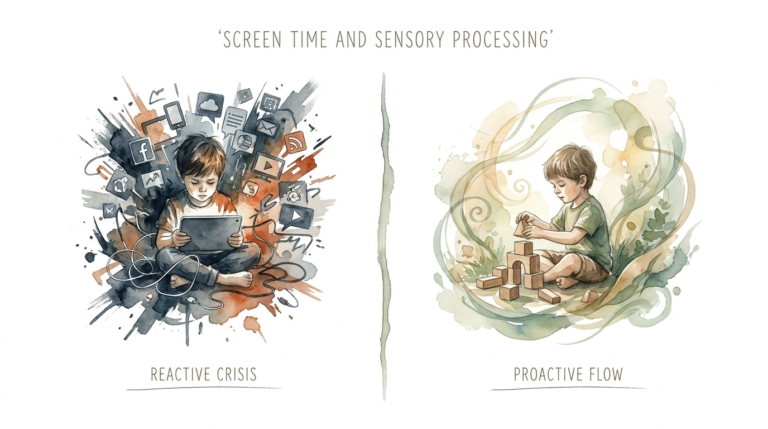
| Communication | Reactive & Stressful | Proactive & Calm |
| Conflict Resolution | Shouting or Silence | Collaborative Solving |
| Planning Efficiency | Low (Last Minute) | High (Weekly Sync) |
| Child Participation | Passive (Told what to do) | Active (Seat at the table) |
Practical Tips for High-Performance Families
Keep a “Meeting List” on the refrigerator throughout the week. If a sibling argument breaks out on Wednesday, tell them, “Write it on the meeting list so we can talk about it Sunday.” This often defuses the immediate tension and teaches them to delay gratification and approach problems with a level head.
Use technology to your advantage. If you are a digital-first family, share a Google Doc as your agenda template. This allows everyone to add items throughout the week from their phones. For younger families, a physical “Family Notebook” with drawings and stickers is often more engaging.
Rotate the Facilitator role frequently. Even a 7-year-old can “lead” a meeting with a bit of help. This builds massive confidence and gives them a sense of responsibility for the family’s success. It moves them from being a “consumer” of the family to a “contributor.”
Advanced Considerations: Building a Legacy
For families who have mastered the weekly rhythm, consider adding a Family Mission Statement. This is a short phrase or paragraph that defines who you are as a group. For example: “The Millers: We choose kindness, we work hard, and we always have each other’s backs.”
As children grow into their teens, the “Governance” phase can expand into more complex topics like wealth education. Use the meeting to discuss charitable giving as a family. Give each child a small “giving budget” and have them research a cause to support, then present it at the meeting for a family vote.
Consider an annual “Off-Site” or Family Retreat. Once a year, take the family meeting to a different location—a park, a cabin, or even just a favorite restaurant. Use this time to look at the “Big Picture”: Where do we want to be in five years? What are our big goals for the upcoming school year?
Real-World Example: The Sunday Night Reset
Imagine the Thompson family. They have two kids, ages 8 and 14. Before using a family meeting agenda template, their Sundays were filled with anxiety about the coming week. Now, their meeting looks like this:
6:00 PM: Dinner ends. Everyone stays at the table. Dad is the Facilitator today; the 8-year-old is the Scribe (with help).
6:05 PM: Appreciations. The 14-year-old thanks her brother for not being too loud during her Zoom call. The 8-year-old thanks Mom for making his favorite pancakes.
6:10 PM: Calendar Sync. They realize Mom is out late Wednesday, so Dad needs to handle the 14-year-old’s basketball practice. Crisis averted.
6:15 PM: Problem Solving. The kids want to adjust the “no phones after 9 PM” rule for the weekend. They negotiate a 10 PM limit for Friday/Saturday in exchange for extra yard work. Everyone agrees.
6:25 PM: Meeting ends. They bring out a bowl of ice cream and watch a 20-minute show together.
Final Thoughts
The strength of your family isn’t measured by the absence of conflict, but by the speed and grace with which you resolve it. A family meeting agenda template provides the structure necessary to move from reactive survival to proactive connection. It is the single most powerful habit you can install in your home.
Start small. Don’t worry if the first meeting feels awkward or if the kids roll their eyes. Consistency is the key. Over time, these meetings will become the anchor of your family’s week, providing the fuel for deeper connection and a legacy of communication that your children will carry into their own future homes.
Consider exploring other systems like a shared digital calendar or a rotating chore chart to further optimize your home life. The goal is simple: less friction, more fuel.
Sources
1 davidsongifted.org | 2 davidsongifted.org | 3 childandfamilymentalhealth.com | 4 cgrc.org | 5 youtube.com | 6 thesignatry.com | 7 livingmontessori.com | 8 marinerwealthadvisors.com