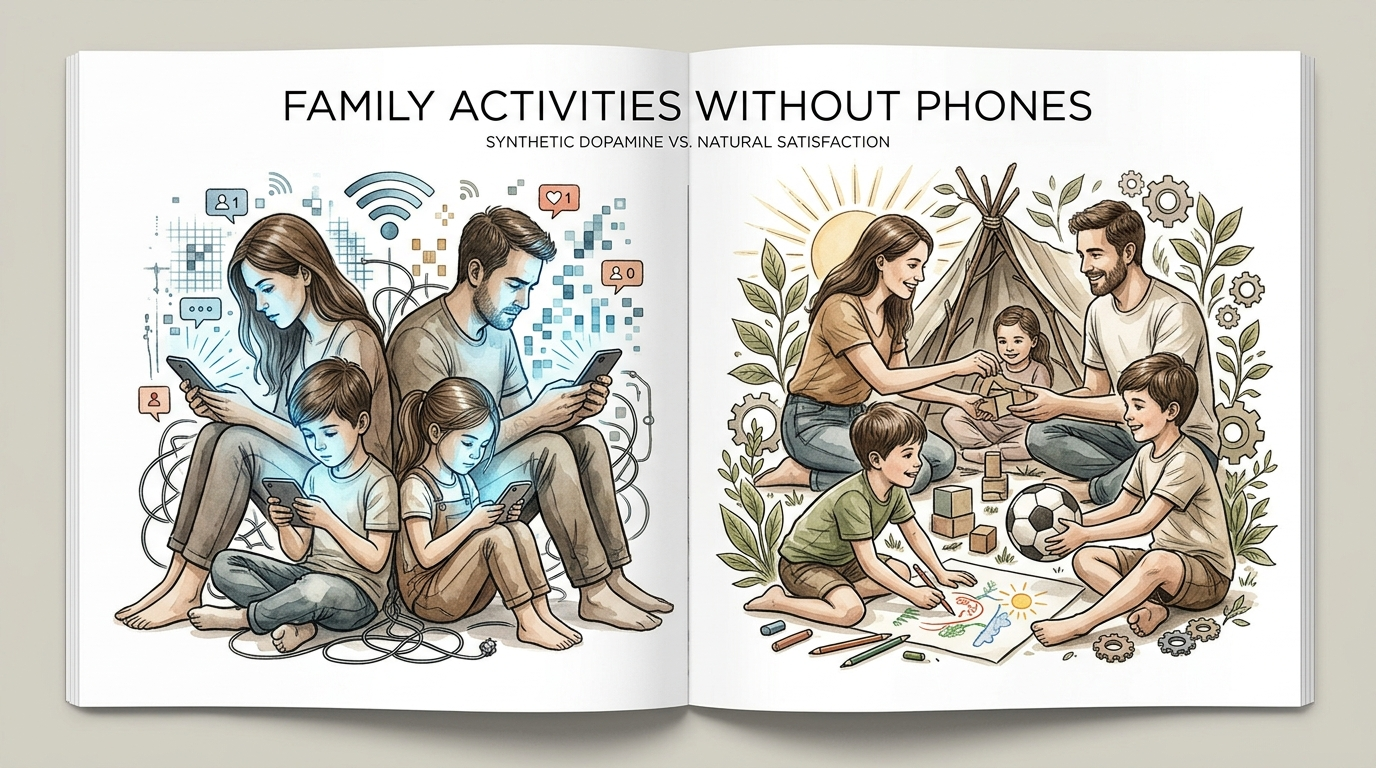
family activities without phones
Are you spending time together, or just occupying the same space? Digital entertainment is a synthetic substitute for the biological need for connection. This weekend, trade the dopamine loops of apps for the grounded satisfaction of a family garden. Real memories aren’t made in the cloud.
Walking into a garden is a physical reset. It pulls you away from the flickering blue light of a smartphone and pushes you into the rhythmic, tactile reality of the earth. We live in an era where attention is the most valuable currency, and currently, big tech is winning. Choosing to garden with your family is a radical act of reclamation.
This guide isn’t just about growing tomatoes or kale. It is about rebuilding the neural pathways that prioritize slow, steady rewards over instant, shallow hits of synthetic dopamine. When you plant a seed, you are teaching yourself and your children that the best things in life require patience, effort, and physical presence.
Let’s look at how to transition from a digital-first household to a dirt-first weekend. We will cover the mechanics of gardening, the psychological shifts required, and how to maintain this lifestyle even when the initial excitement fades.
family activities without phones
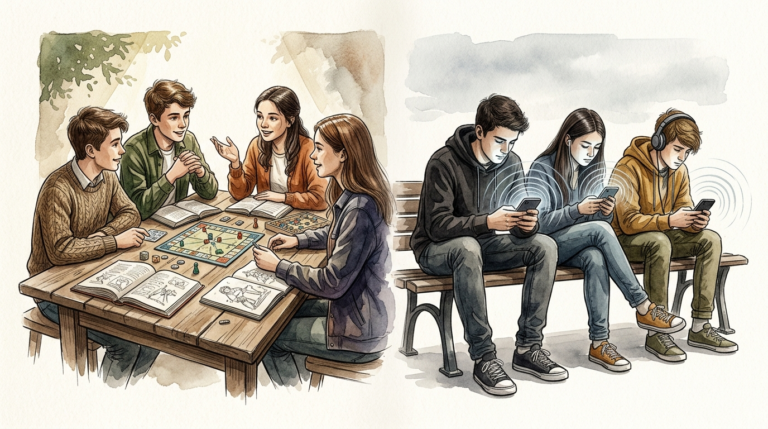
Family activities without phones are intentional periods where digital devices are physically removed from the environment to facilitate deep human connection. In the modern home, “togetherness” often looks like four people on the same couch looking at four different screens. This is proximity without presence. Breaking this cycle requires a high-value alternative that engages the senses.
Gardening is the ultimate phone-free activity because it is fundamentally incompatible with a touchscreen. Your hands are covered in soil. You are navigating moisture, sharp tools, and delicate seedlings. The physical requirements of the task create a natural barrier to checking notifications. This creates a “flow state” where time seems to disappear, not because you are distracted, but because you are fully engaged.
Beyond the garden, these activities include anything that involves manual labor or sensory exploration. Think of woodworking, hiking, or even complex meal preparation. These tasks provide “natural satisfaction,” a biological reward system triggered by completing tangible work. Unlike the “synthetic dopamine” of a social media like, natural satisfaction leaves you feeling tired but fulfilled rather than wired and anxious.
Real-world application starts with a simple rule: the “Basket Policy.” Before heading into the backyard, every phone goes into a basket on the kitchen counter. This removes the “phantom vibration” effect and allows the brain to downshift from the high-frequency demands of the internet to the low-frequency rhythm of nature.
How to Start Your Family Garden Step-by-Step
Starting a garden doesn’t require a farm. It requires a plan. Many families fail because they try to do too much too fast. Start small to ensure early wins that build confidence for everyone involved.
1. Choose Your Site and Style
Assess your sunlight. Most vegetables need at least six to eight hours of direct sun daily. If you have a backyard, consider raised beds. They offer better drainage and easier weed control. If you live in an apartment, container gardening on a balcony is a perfectly valid way to start. The goal is accessibility, not scale.
2. Test Your Soil
Healthy plants start with healthy soil. You can buy a basic soil test kit at any hardware store. This tells you the pH levels and nutrient content. Involving children in this process is a great way to introduce basic chemistry. If your soil is heavy clay or too sandy, mixing in organic compost will solve most problems. Think of compost as the “multivitamin” for your dirt.
3. Select “High-Reward” Crops
For beginners, pick plants that grow quickly and are hard to kill. Radishes, lettuce, and cherry tomatoes are excellent starters. These provide visual progress within days or weeks. Avoid fickle crops like cauliflower or large pumpkins until you have a few seasons of experience. You want your family to see the results of their labor early and often.
4. Establish a Maintenance Rhythm
Assign roles based on age and ability. A toddler can be the “Watering Officer” with a small can. An older child can be the “Weed Scout.” Consistency is more important than intensity. Spending 15 minutes every morning in the garden is better for the plants—and your mental health—than a three-hour marathon once a week.
The Benefits of Natural Satisfaction
The primary benefit of a family garden is the shift in neurological rewards. Synthetic dopamine from apps is designed to be addictive and fleeting. It leaves the brain wanting more but feeling less satisfied. Natural satisfaction, derived from physical work and outdoor exposure, regulates the nervous system and lowers cortisol levels.
Physical health is an obvious secondary benefit. Gardening involves functional movements: squatting, reaching, pulling, and lifting. It is a low-impact workout that improves flexibility and strength. Furthermore, children who grow their own vegetables are statistically more likely to eat them. You aren’t just growing food; you are growing better eating habits.
Mental resilience is also built in the dirt. Gardens don’t always cooperate. Sometimes the bugs win, or a frost hits early. Dealing with these small “failures” in a controlled environment teaches children (and adults) how to troubleshoot and persevere. It is a lesson in biology, weather, and grit that no app can replicate.
Common Mistakes and How to Avoid Them
The biggest mistake is over-engineering the garden. You don’t need a $500 automated irrigation system or designer gardening gloves. Complexity creates barriers to entry. Keep your tools simple and your layout intuitive. If it feels like a chore, you are doing it wrong.
Another pitfall is “The Neglect Phase.” This usually happens about three weeks in when the novelty wears off. To avoid this, integrate the garden into your existing routine. Visit the garden as part of your morning coffee ritual or right after school. Make it the place where family discussions happen, rather than a separate task to be checked off a list.
Don’t ignore the local climate. Planting tropical plants in a temperate zone is a recipe for frustration. Research your “Hardiness Zone” and stick to plants that thrive in your specific environment. Success builds momentum; failure, especially early on, leads to abandonment.
Limitations and Realistic Expectations
Gardening is not a magic cure for family dynamics. If there is underlying tension, being in a garden won’t instantly fix it. It provides a better environment for communication, but you still have to do the emotional work. Gardening is a tool, not a therapist.
Space and time are real constraints. If you work two jobs, a 200-square-foot garden might be a burden rather than a joy. In these cases, a single “pizza pot” with tomato, basil, and oregano is a better choice. Be honest about your capacity. It is better to have one thriving pot than a backyard full of dead weeds.
Seasonal limitations are also a factor. In many regions, you can only garden for six months of the year. During the off-season, transition to indoor seed starting or planning next year’s layout. The goal is to maintain the “gardening mindset”—the connection to the cycle of growth—even when the ground is frozen.
Synthetic Dopamine vs. Natural Satisfaction
| Feature | Synthetic Dopamine (Apps) | Natural Satisfaction (Gardening) |
|---|---|---|
| Reward Speed | Instant (Seconds) | Delayed (Weeks/Months) |
| Longevity | Fleeting/Addictive | Long-lasting/Fulfilling |
| Physical Impact | Sedentary, Eye Strain | Active, Vitamin D Exposure |
| Social Connection | Performative/Isolated | Collaborative/Grounding |
| Cost of Failure | Low (Refresh feed) | Educational (Troubleshoot) |
Practical Tips for a Phone-Free Garden
Set a “No Tech Zone” boundary. Use physical markers like a garden gate or a specific path to signal that phones are no longer allowed. If you need music, use a dedicated outdoor speaker or a radio rather than everyone wearing individual headphones. Sound should be shared, not isolated.
Use a physical garden journal. Instead of taking photos on your phone—which often leads to checking messages—have the kids draw the plants. Write down the dates of the first sprout and the first harvest. This creates a tangible record of the season that doesn’t live on a server. It becomes a family heirloom.
Focus on “sensory gardening.” Plant things that are interesting to touch (Lamb’s Ear), smell (Mint, Lavender), and hear (ornamental grasses). The more senses you engage, the less the brain craves the visual stimulation of a screen. This is a technique called “Grounding,” and it is highly effective for reducing anxiety.
Advanced Considerations: Ecosystem Thinking
Once you have the basics down, stop thinking about individual plants and start thinking about the ecosystem. This is where the real depth begins. Introduce companion planting—pairing marigolds with tomatoes to deter pests naturally. This teaches the concept of mutualism and how different elements of a system support one another.
Consider the “Circular Garden” model. Use kitchen scraps to build a compost pile, which feeds the soil, which grows the food, which feeds the family. This creates a closed loop that demonstrates the concept of sustainability better than any textbook ever could. It moves the family from being “consumers” to “producers.”
Scaling up doesn’t just mean more plants; it means more complexity. You might introduce a small rainwater collection system or a pollinator garden to attract bees and butterflies. Each addition is a new “module” of learning and a new reason to step outside and connect with the real world.
Example Scenario: The Saturday Reset
The Miller family felt disconnected. Saturday mornings were usually spent in separate rooms on tablets. They decided to implement a “Garden First” policy. At 9:00 AM, all devices were placed in a charging station in the kitchen. They spent two hours in their three small raised beds.
In the first week, there was resistance. The kids were bored. By week three, they were competing to see who could find the first tomato hornworm. By week six, they were harvesting enough lettuce for a family salad. The “boredom” they initially felt was actually their brains detoxing from high-speed digital input.
The physical result was a few bowls of vegetables. The psychological result was a family that knew how to talk to each other again. They weren’t just occupying the same house; they were building a shared project. The garden provided a neutral ground where the hierarchy of “parent and child” shifted into “teammates.”
Final Thoughts
The choice to start a family garden is a choice to prioritize the biological over the digital. It is an acknowledgment that while technology is a useful tool, it is a poor master. By digging in the dirt, you are anchoring your family in the present moment and teaching them the value of tangible effort.
You don’t need a green thumb to start. You only need a willingness to get your hands dirty and the discipline to leave your phone inside. The garden will teach you the rest. It is a slow, messy, and beautiful process that pays dividends in mental clarity and genuine connection.
Start small this weekend. Buy one pot, one bag of soil, and one pack of seeds. Put your phone in a drawer and go outside. You might find that the most important thing growing in your garden isn’t the vegetables—it’s the relationships you’ve been neglecting in the digital haze.