
family activities without devices
Screens divide us. Systems unite us. Reconnect your family ecosystem today.
It’s possible to be in the same room and still be miles apart. We’re ditching the devices to build an integrated family life where we actually look each other in the eye.
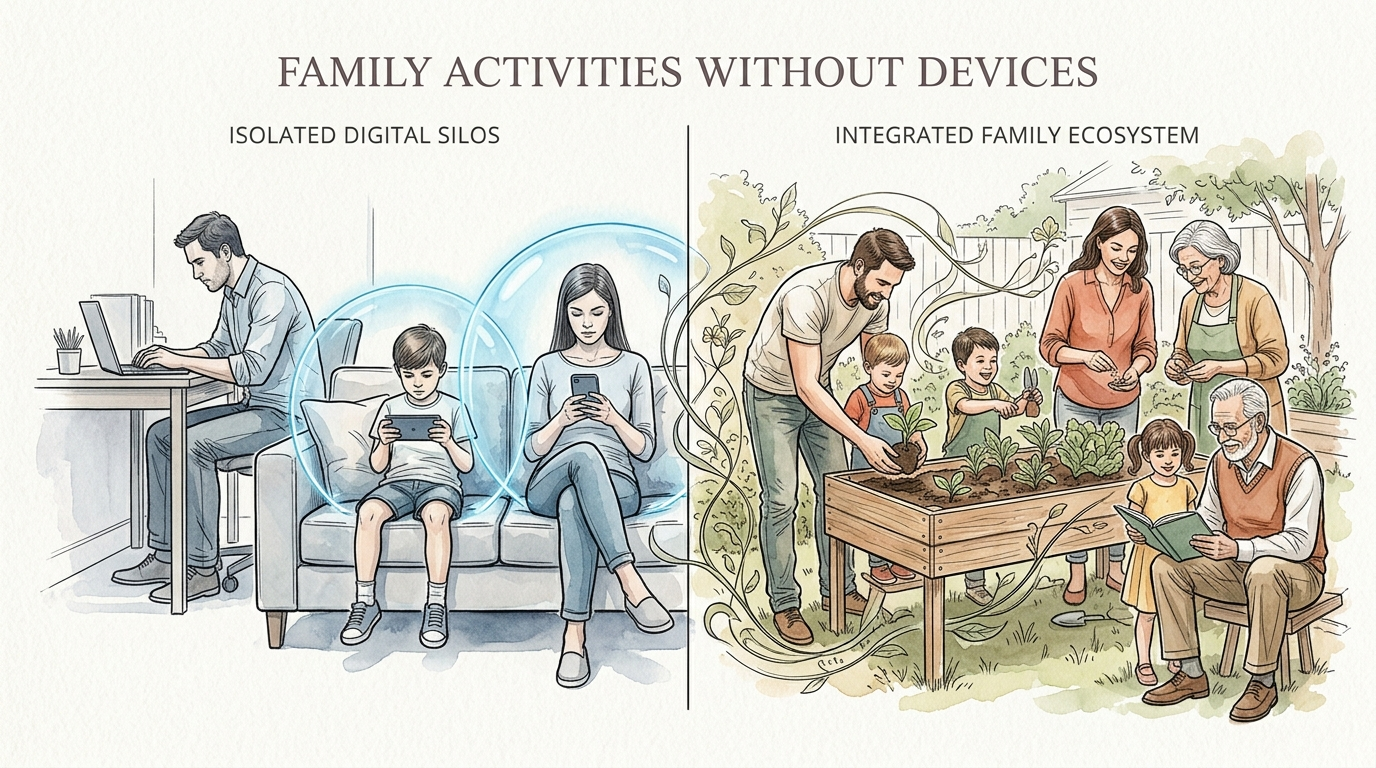
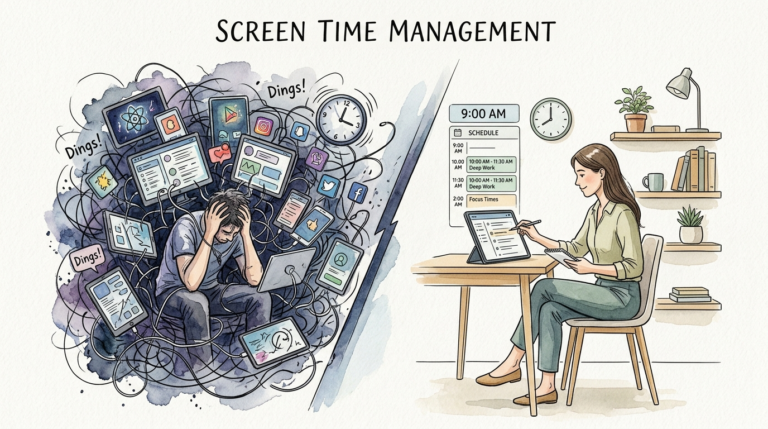
Living in “Isolated Digital Silos” has become the default for many modern households. You might be physically present, but if every member of the family is lost in their own tablet, smartphone, or gaming console, you aren’t actually sharing a life together.
The solution isn’t just about “unplugging” for an hour. It is about shifting from a fragmented collection of individuals into an integrated family ecosystem. By replacing digital distractions with deliberate systems of interaction, we restore the emotional bonds that screens often erode.
This guide will walk you through how to implement sustainable, engaging family activities without devices. We will explore the mechanics of “the disconnect,” the measurable benefits for your children’s development, and the practical steps to overcome the inevitable resistance.
family activities without devices
Family activities without devices are intentional periods where all digital interfaces—smartphones, tablets, televisions, and gaming consoles—are set aside in favor of face-to-face engagement. It is more than just “killing time”; it is a system of interaction designed to foster empathy, communication, and shared memories.
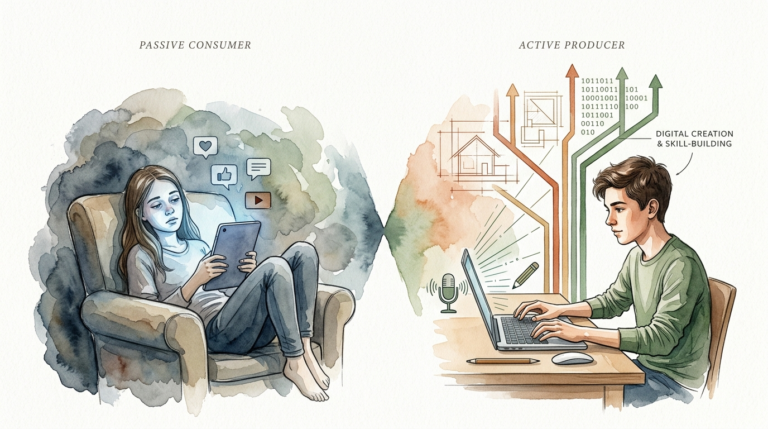
In a real-world context, this looks like a family board game night where strategy and laughter take center stage, or a group cooking session where everyone has a specific role. These activities serve as the “connective tissue” of a healthy home ecosystem. They replace the passive consumption of content with the active creation of experiences.
Why does this matter? Research indicates that excessive screen time in children is linked to delays in social skills, speech, and emotional regulation. By prioritizing device-free interactions, you provide your family with the environment needed for healthy psychological development and deeper emotional security.
How to Build Your Integrated Family Ecosystem
Transitioning from a screen-saturated home to an integrated ecosystem requires a clear process. You cannot simply pull the plug and expect harmony. You need a replacement system that is as engaging as the digital world you are leaving behind.
Step 1: Declare Device-Free Zones and Times. Start with the low-hanging fruit. Designate the dinner table and bedrooms as permanent screen-free zones. Establish “Golden Hours” (such as 6:00 PM to 8:00 PM) where all devices are placed in a central charging station or a “tech basket.”
Step 2: Use the “When-Then” Protocol. Tie screen time to responsibilities and real-world interactions. For example, “When the family walk is finished, then you may have thirty minutes of gaming.” This teaches children to prioritize human connection over digital entertainment.
Step 3: Create a Family Adventure Box. Combat boredom by having everyone write down three screen-free activities they enjoy. Fold these up and place them in a box. When the inevitable “I’m bored” occurs, a family member draws an activity from the box. This provides a structured alternative to scrolling.
Step 4: Practice “Relational Reconnaissance.” Before heading out for a screen-free dinner or event, prepare the environment. If you are going to a restaurant, pack “analog kits”—small puzzles, card games, or sketchbooks. This ensures that the transition away from a screen-based distraction is seamless.
Benefits of Unplugging the Family
The advantages of fostering an integrated family ecosystem are both measurable and observable. When you remove the digital barrier, you fundamentally change the chemistry of your household interactions.
- Stronger Emotional Intelligence: Face-to-face interaction forces children (and adults) to read non-verbal cues, such as facial expressions and tone of voice, which are lost in text-based or video-based digital silos.
- Enhanced Social-Emotional Learning: Cooperation during a board game or a backyard “Olympic” event builds empathy, resilience, and problem-solving skills that digital apps cannot replicate.
- Improved Mental Health and Sleep: Reducing blue light exposure before bed and replacing it with family read-alouds or journaling leads to better sleep quality and lower levels of anxiety and depression.
- Spontaneous Creativity: Without a screen to provide pre-packaged entertainment, the brain is forced to enter a “default mode” that sparks imagination and critical thinking.
Challenges and Common Mistakes
Many families fail to sustain device-free habits because they approach it as a punishment rather than a cultural shift. Understanding these pitfalls is the first step toward long-term success.
The Consistency Gap: Parents often enforce screen-free rules for their children while remaining glued to their own work emails. If the ecosystem isn’t universal, it will feel like an unfair hierarchy, leading to resentment and rebellion.
The “Cold Turkey” Trap: Attempting to go 100% device-free overnight usually leads to massive tantrums and “digital withdrawal.” The stimulation loop of modern apps is powerful; you must ease into these routines by starting with one meal a day and expanding gradually.
Lack of Preparedness: Expecting children to “just play” without providing tools or engagement is a recipe for failure. If you take away the tablet, you must have the cards, the basketball, or the craft supplies ready to go.
Limitations and Environmental Boundaries
An integrated family ecosystem does not mean living in the 19th century. Technology has a place in modern life, and ignoring its utility can be counterproductive. It is important to recognize when device-free methods might not be the ideal or only approach.
During times of high parental stress or family illness, “survival mode” might necessitate some screen time to manage household logistics. Similarly, some children with neurodivergent needs, such as ADHD, may use certain digital tools for self-regulation or specialized learning.
The goal is balanced integration, not total isolation. A healthy ecosystem recognizes that screens are tools for specific tasks, not the default background noise for daily life. Acknowledge these trade-offs to maintain a realistic and sustainable family culture.
Isolated Digital Silos vs. Integrated Family Ecosystem
To understand why this shift is necessary, look at the fundamental differences in how these two models operate. The digital silo is built for individual convenience; the family ecosystem is built for collective resilience.
| Factor | Isolated Digital Silos | Integrated Family Ecosystem |
|---|---|---|
| Primary Interaction | Individual to Interface | Person to Person |
| Focus | Passive consumption | Active creation & bonding |
| Communication | Fragmented/Text-based | Dynamic/Multi-sensory |
| Social Skills | Stunted/Emoji-reliant | Robust/Non-verbal mastery |
| Emotional State | High stimulation/Distraction | Present/Connected |
Practical Tips for Immediate Application
You can start optimizing your family’s connectivity today with these high-impact, low-effort adjustments.
- The “One-Hour Anchor”: Commit to exactly one hour a day of zero screens for everyone in the house. Use this for a walk, a shared chore, or a quick game.
- Model the Behavior: Your children are “keen imitators.” If you want them off their phones, they must see you put your phone away the moment you walk through the door.
- Gamify Chores: Turn “boring” responsibilities into screen-free team challenges. Set a timer for 15 minutes and see how much the family can clean together, then celebrate the win.
- Leverage “Conversation Starters”: Use prompts like “What was the best part of your day?” or “Tell me something that surprised you” to break the ice during device-free dinners.
Advanced Considerations for Long-Term Scaling
Once you have mastered the basics of device-free dinners and weekends, you can deepen the system to ensure it survives as children grow into teenagers.
Draft a Family Constitution: Sit down as a group and write out the values and rules of your family ecosystem. Involving teenagers in the decision-making process increases their buy-in. When they help set the limits, they are more likely to respect them.
Systematize Outdoor Exposure: Move beyond the backyard. Schedule regular “Nature Immersions” where the family explores local parks or trails. Studies show that parental nature-connectedness is a stronger predictor of a child’s well-being than just “time spent” outside. Make it a recurring system in your calendar.
Optimize the Physical Environment: Design your home to encourage interaction. Create “Analog Nooks” with comfortable seating, good lighting, and no visible TV screens. Stock these areas with high-quality physical materials like puzzles, books, and musical instruments.
Real-World Scenario: The Weekend Reset
Consider the “Weekend Reset” protocol. On Saturday mornings, the family places all personal mobile devices into a central “lockbox” from 9:00 AM until 5:00 PM. During this window, the family operates as a single unit.
The morning starts with a “Family Kitchen Challenge” where everyone collaborates on a complex breakfast, like homemade pancakes or an omelet bar. This is followed by an outdoor adventure—perhaps a trip to a local hardware store workshop or a hike. The afternoon is reserved for a “Family Read-Aloud” or a collaborative art project.
By 5:00 PM, when devices are returned, the family has already built a foundation of shared experience. The digital “thirst” is reduced because the human need for connection has already been satisfied. This transition from “nothing to do” to “everything to share” is the hallmark of a functioning ecosystem.
Final Thoughts
The transition from isolated digital silos to an integrated family ecosystem is not a one-time event; it is a continuous practice of choosing presence over pixels. By establishing clear systems and prioritizing activities without devices, you are reclaiming the heart of your home.
The benefits go far beyond simply reducing screen time. You are building a sanctuary where every member of the family feels seen, heard, and valued. You are equipping your children with the social and emotional tools they need to thrive in an increasingly disconnected world.
Start small. Choose one meal or one hour today. Put the devices away, look each other in the eye, and begin the work of reconnecting your family ecosystem. The digital world will always be there, but these moments with your family are finite. Make them count.
Sources
1 100daysofrealfood.com | 2 kids-houston.com | 3 kidkraft.com | 4 high5inc.org | 5 high5inc.org | 6 beachcomberhottubs.com | 7 irvinemontessoripreschool.com | 8 substack.com | 9 youtube.com | 10 cosmotogether.com | 11 smh.com | 12 ssww.com | 13 unicef.org | 14 fiu.edu | 15 medlineplus.gov | 16 feedingboys.co.uk | 17 youtube.com | 18 peninsulacounselingandconsulting.com | 19 parent.com | 20 psychologytoday.com | 21 nih.gov | 22 nih.gov | 23 nih.gov | 24 ifstudies.org | 25 k-state.edu | 26 theguardian.com | 27 facebook.com | 28 sparklestories.com

One Comment
Comments are closed.