Backyard Foraging Printables For Kids
Your neighbors see a lawn that needs mowing; your child sees a grocery store they can map themselves. We’ve been trained to view ‘wild’ as ‘weeds.’ We spend thousands to kill the very plants that our ancestors relied on for medicine and minerals. Our Backyard Forage Map printables turn a boring suburban lawn into a wild frontier of discovery. Teach your child that the ‘nuisance’ in the yard is actually a resource, and watch their connection to the earth explode.
Backyard Foraging Printables For Kids
Backyard foraging printables are educational tools designed to guide children through the process of identifying, mapping, and documenting wild edible plants within their own immediate environment. These resources act as a bridge between the sterile, manicured world of modern landscaping and the ancient wisdom of herbalism and wildcrafting.
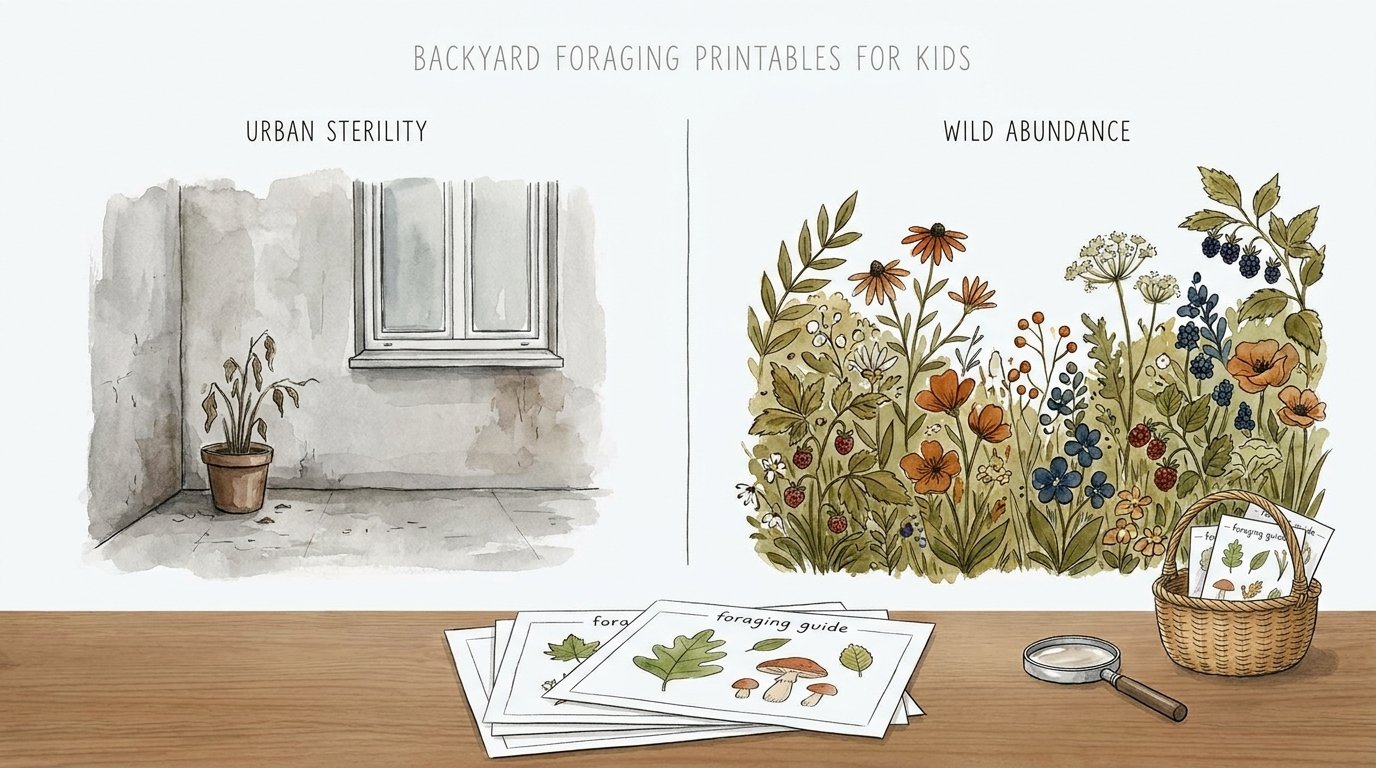
Most suburban families spend their weekends fighting nature. We pull dandelions and spray herbicides to maintain a monoculture of grass. This creates a state of Urban Sterility where life is managed and predictable. Foraging printables shift the focus toward Wild Abundance. They help kids realize that a “weed” is simply a plant whose virtues have not yet been discovered.
These printables typically include identification guides, gridded mapping sheets, and nature journaling prompts. They exist to help children slow down and notice the micro-ecosystems happening right under their feet. Instead of looking at a green blur, they begin to see individual species with specific names and uses. This practice turns every walk across the yard into a scientific expedition.
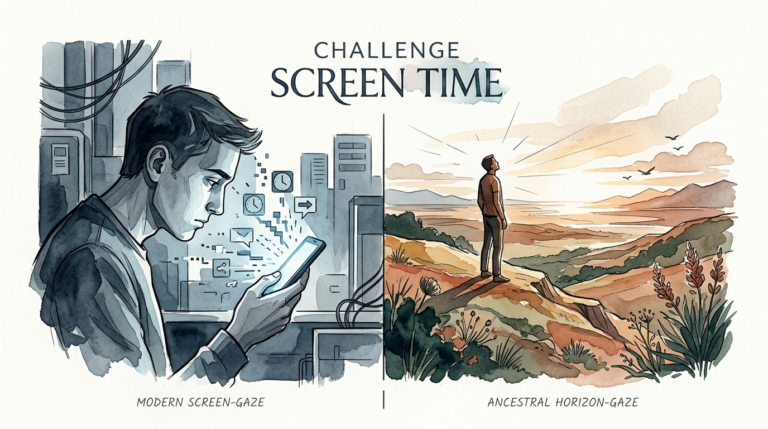
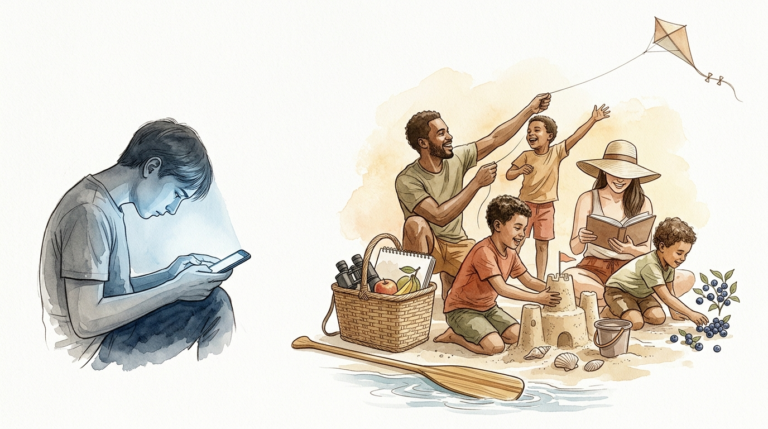
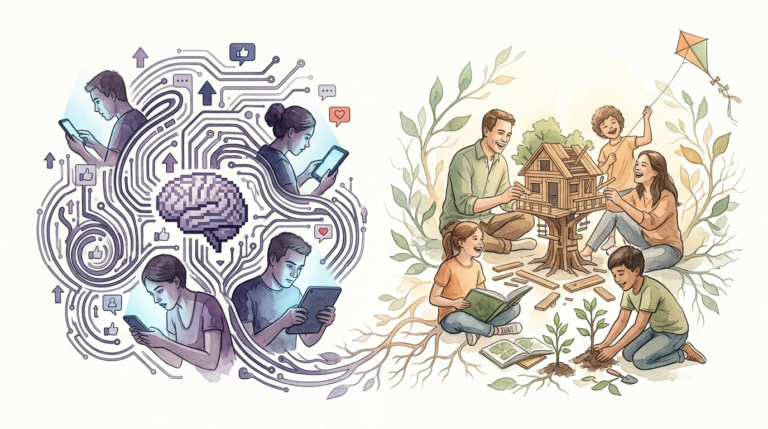
Real-world applications go far beyond simple plant ID. These tools are used in homeschooling curricula to teach botany, geography, and even basic chemistry as kids learn about plant nutrients. They provide a tactile, hands-on way to engage with biology without needing a lab. In a world dominated by screens, these maps offer a physical connection to the soil.
What’s Inside a Forage Map Kit?
High-quality printables often feature detailed illustrations of common backyard species. You will find gridded paper where children can draw the layout of their home and garden. Icons for “edible,” “medicinal,” and “caution” allow kids to categorize their finds like professional researchers. Some kits even include 3-part cards, a staple of Montessori learning, to help with vocabulary and recognition.
How to Use Backyard Foraging Maps
Starting a foraging project is easy but requires a systematic approach to ensure safety and educational depth. Follow these steps to transform your lawn into a living classroom.
Step 1: The Initial Survey
Walk the perimeter of your yard with your child. Do not pull anything yet. Simply observe where things are growing. Notice if certain plants prefer the shade of the house or the wet soil near a downspout. Use the printable survey sheet to jot down descriptions of leaves, colors, and heights of the “weeds” you find.
Step 2: Creating the Base Map
Get the gridded mapping printable and a pencil. Have your child draw the permanent features of the yard first. This includes the house, the fence, any large trees, and the patio. Measuring the yard with a tape measure or by “stepping it out” adds a great math component to the activity. Each square on the grid can represent one square foot of your outdoor space.
Step 3: Plotting the Foraged Finds
Once the landmarks are in place, start marking the plant colonies. Use specific symbols from your printable key. A yellow circle might represent a cluster of Dandelions, while a jagged leaf shape marks a patch of Broadleaf Plantain. This spatial reasoning helps children understand how different plants compete for space and resources.
Step 4: Identification and Verification
Research each plant you have marked. Use the identification guide provided in your printable pack. Match the leaf shape, flower color, and stem structure to the images on the sheet. Never rely on a single source. Check multiple books or apps to be 100% certain of the ID before moving to the next phase.
Step 5: Sustainable Harvesting
Teach your child the ethics of the wild. Follow the 1-in-10 rule: only take one plant for every ten you see. This ensures the colony can continue to thrive and provide food for local pollinators. Use your map to track which areas are “rest zones” where no picking is allowed this season.
Benefits of Backyard Foraging for Kids
Engaging in foraging provides measurable developmental advantages. It isn’t just about finding “free food.” It is about building a specific type of intelligence that is often neglected in traditional classrooms.
Naturalistic Intelligence: This is the ability to identify and categorize various items in the environment. Foraging hones this skill to a sharp edge. Kids learn to notice subtle differences between a harmless weed and a toxic lookalike. This level of detail-oriented observation translates well to any scientific field.
Spatial and Geographical Skills: Creating a map to scale requires an understanding of perspective and distance. Children learn how to translate a 3D environment onto a 2D sheet of paper. This improves their “mental map” of the world, helping with navigation and orientation later in life.
Nutrition and Food Literacy: When children find and “harvest” their own greens, they are much more likely to try them. Foraged plants like Chickweed and Dandelion are often more nutrient-dense than store-bought lettuce. This builds an appreciation for where food comes from and how minerals move from soil to body.
Self-Reliance and Confidence: There is a profound sense of power in knowing you can find a snack or a “band-aid plant” (like Plantain for bee stings) in your own backyard. It reduces the fear of the wild and replaces it with respect and competence. This builds a foundation of self-sufficiency that lasts into adulthood.
Challenges and Common Mistakes
Safety is the primary concern when foraging with children. Most mistakes happen due to excitement or lack of a clear system. Being aware of these pitfalls allows you to set up guardrails that keep the experience positive.
Misidentification and Lookalikes
The most dangerous error is assuming a plant is safe because it looks familiar. Some toxic plants have evolved to mimic edible ones. For example, young Horse Nettle can look like a wild tomato, but it is poisonous. Always enforce a “No Nibbling” rule during the mapping phase. Identification must be 100% certain before any tasting occurs.
Contaminated Soil Zones
Lawns are often treated with chemicals. If you or your neighbors use herbicides, pesticides, or chemical fertilizers, those plants are not safe for consumption. Even “natural” areas near roads can be contaminated with heavy metals or oil runoff. Your map should clearly mark “Red Zones” where foraging is strictly for observation only.
Over-Harvesting
Kids tend to be enthusiastic. They might want to pick every flower they see. This can destroy a local population of beneficial plants. Use your printables to set a “quota” for the day. Explain that leaving the plants helps the bees and ensures the plants come back next year.
Limitations of Backyard Foraging
While foraging is an incredible skill, it has realistic boundaries. It is important to understand when this method is not the ideal way to interact with nature.
Seasonality is the biggest constraint. In many climates, the forage map will look completely different in May than it does in October. A printable that worked in the spring might be useless by late summer as plants go to seed and disappear. This requires constant updating and can be frustrating for younger children with shorter attention spans.
Environmental limitations also play a role. If you live in a high-density urban area with no private yard, your “backyard” might be a local park where foraging is legally restricted. Always check local bylaws before harvesting in public spaces. In these cases, the map becomes a tool for “virtual foraging”—identifying but not taking.
Finally, the scale of production is small. You cannot typically feed a family solely from backyard weeds. It is a supplement and an educational exercise, not a total replacement for a garden or a grocery store. Managing expectations is key to preventing disappointment.
Urban Sterility vs. Wild Abundance
Understanding the difference between these two mindsets helps frame the value of your foraging map. Use this table to compare the traditional lawn approach with the foraging approach.
| Feature | Urban Sterility (The Standard Lawn) | Wild Abundance (The Forage Map) |
|---|---|---|
| Plant Diversity | Single species (monoculture grass). | High diversity (weeds, herbs, flowers). |
| Maintenance Cost | High (mowers, fuel, chemicals). | Low (observation, manual control). |
| Educational Value | Minimal (how to operate machinery). | High (botany, ecology, nutrition). |
| Ecosystem Support | Poor (pollinator desert). | Excellent (supports bees and birds). |
| Child Interaction | Passive (stay off the grass). | Active (explore, touch, taste). |
Practical Tips for Success
Apply these best practices to get the most out of your Backyard Forage Map printables. These tips will help you stay organized and keep the project moving forward throughout the seasons.
- Laminate Your ID Sheets: Backyard work is messy. Laminating your identification guides allows you to take them into the dirt without worrying about stains or rain. Use a dry-erase marker on the laminate to check off plants as you find them.
- Start with the “Big Five”: Focus on five easy-to-identify plants first. Dandelion, White Clover, Broadleaf Plantain, Chickweed, and Wild Violet are common and hard to mistake. Once your child masters these, expand the map.
- Document Through the Lens: Encourage your child to take photos of the plants at different stages (bud, flower, seed). Tape these photos onto the back of your printed map to create a visual record of the plant’s life cycle.
- Keep a “Found” Journal: Beyond the map, have a dedicated space to record the date and weather of each find. This introduces basic phenology—the study of cyclic and seasonal natural phenomena.
- Check the Soil: If you are unsure about the history of your lawn, consider a basic soil test. This is an extra “advanced” step that teaches kids about mineral content and potential pollutants like lead.
Advanced Considerations for Parents
Once your child is comfortable with basic mapping, you can introduce more complex concepts that deepen their understanding of the natural world. This transition turns a simple activity into a long-term hobby.
Ecological Succession: Discuss why certain “weeds” appear in disturbed soil. Explain that these plants are nature’s way of healing the earth. They move in to cover bare ground, prevent erosion, and add nutrients back into the soil. Mapping these changes over a year shows your child succession in real-time.
Permaculture Principles: Introduce the idea of “zones.” In permaculture, Zone 1 is the area closest to the house that you visit every day. Use your map to identify which plants should be encouraged near the kitchen door (like medicinal Chickweed) and which can stay in the “wilder” back corner of the yard.
Herbal Preparations: For older children, the map is just the beginning. Teach them how to dry the plants they find. Explain the difference between an infusion (tea) and a decoction. This brings the “Backyard Grocery Store” concept into the kitchen, completing the cycle from soil to use.
Example Scenario: The Dandelion Discovery
Imagine a Saturday morning in early May. A seven-year-old named Leo takes his “Backyard Safari” printable kit outside. He has already gridded his backyard on the paper, marking the old oak tree and the sandbox.
Leo notices a bright yellow patch near the fence. He checks his ID guide and confirms it is a Dandelion (Taraxacum officinale). He marks a yellow “D” on his map. His mom explains that every part of this plant is useful. They decide to harvest five flowers to make “Dandelion Tea.”
Using his printable, Leo records the date, the location (shaded fence line), and the specific time he picked them. He notices that the flowers close up when he brings them inside. This leads to a conversation about plant behavior and sunlight. The simple act of mapping turned a common weed into a source of wonder and a warm afternoon drink.
Final Thoughts
Your backyard is not just a patch of grass that requires maintenance; it is a vibrant, living ecosystem waiting to be understood. By using Backyard Forage Map printables, you give your child the “eyes to see” the abundance that surrounds them every day. You are shifting their perspective from consumer to observer and participant.
This process builds more than just botanical knowledge. It fosters spatial awareness, mathematical reasoning, and a deep, emotional connection to the earth. It teaches children that resources are often found in the most overlooked places. This mindset of resourcefulness is perhaps the greatest gift you can give a developing mind.
Download your printables, grab a clipboard, and head outside. The wild frontier doesn’t start at the edge of the woods—it starts at your back door. Let your child lead the way, and enjoy the journey of discovery together. You might be surprised at how much you learn along the side of a small explorer.
Sources
1 makingmontessoriours.com | 2 theselightfootsteps.com | 3 kidworldcitizen.org | 4 besawyer.com | 5 greengoeswild.com | 6 jointhewildlife.com | 7 hoellelab.com | 8 eattheplanet.org | 9 gore-tex.com | 10 foragelondon.co.uk | 11 thekitchenapothecary.com