
reduce screen time poster for kids
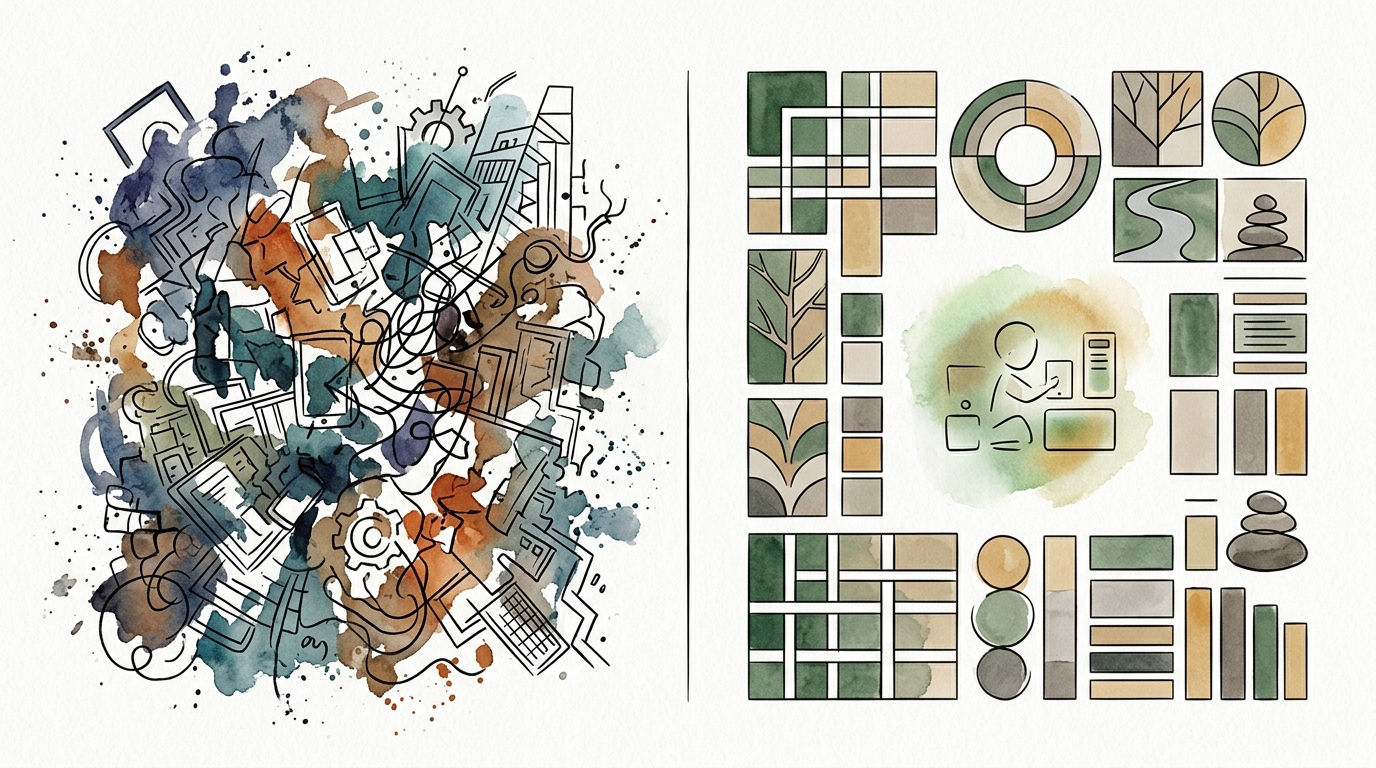
Arguments happen when rules are invisible. Make the boundaries clear with visual order. If you are tired of being the ‘bad guy,’ let the poster be the boss. A visual routine removes the emotion from the argument.
Setting screen time limits often feels like a losing battle in a world swimming in digital devices. Parents frequently find themselves in a loop of nagging, negotiating, and eventually surrendering to the “just five more minutes” plea. This friction usually stems from a lack of clarity. When rules live only in a parent’s head, they feel arbitrary and unfair to a child.
Transitioning from verbal commands to a physical system changes the family dynamic. Instead of a parent imposing a restriction, a visible schedule provides a neutral point of reference. It shifts the role of the parent from a “screen-time warden” to a facilitator of a pre-agreed plan. This structure is particularly vital given that recent brain scan studies show significant structural changes in children’s brains associated with high screen exposure, emphasizing the need for clear, consistent boundaries.
reduce screen time poster for kids
A reduce screen time poster for kids is a physical or digital visual aid that outlines the family’s expectations for technology use. It acts as a “contract” that kids can see, touch, and reference at any time. This tool is not just about restriction; it is about providing a roadmap for the day that balances digital consumption with physical activity, chores, and rest.
Visual schedules are powerful because they capitalize on the way children’s brains process information. Many kids, especially those with ADHD or autism, struggle with “time blindness”—the inability to perceive the passage of time accurately. A poster makes the abstract concept of “one hour” or “after homework” concrete and predictable. It serves as a constant support that reduces the cognitive load on a child, helping them understand exactly what is expected of them without needing a verbal reminder.
In real-world situations, these posters are often placed in high-traffic areas like the kitchen or the living room where devices are most commonly used. They might include icons for pre-readers or checklists for older children. By having a persistent visual cue, the environment itself begins to regulate the child’s behavior, moving the responsibility for compliance away from the parent’s voice and onto the established order of the home.
How to Create a Screen Time System That Works
Creating an effective screen time poster requires more than just writing “No iPads” on a piece of cardboard. It involves a collaborative process that builds buy-in from the kids and ensures the rules are realistic for the family’s lifestyle.
Step 1: The Family Meeting
Start by sitting down with your children to discuss why boundaries are necessary. Explain that screens are a tool for learning and fun, but like any tool, they need to be used at the right time. Research shows that involving children in setting up these boundaries teaches them how to create their own limits in the future. Listen to their ideas for what a “fair” amount of time looks like before finalizing the plan.
Step 2: Define “Quality” vs. “Quantity”
The 2026 American Academy of Pediatrics (AAP) updates suggest focusing on the quality and context of screen use rather than just the number of hours. On your poster, categorize activities. You might have “Green” activities like coding, digital art, or video chatting with grandparents, which have more flexibility. “Yellow” activities might include educational games, while “Red” activities are passive consumption like scrolling short-form videos.
Step 3: Establish the “Prerequisites”
One of the most effective ways to use a poster is to list the tasks that must be completed before a screen can be turned on. Common prerequisites include:
- Bedroom tidied up
- Homework completed
- 30 minutes of outdoor play or physical activity
- Reading for 20 minutes
- Family meal finished without a device at the table
Step 4: Use Visual Icons
For younger children, use drawings or printed icons to represent each activity. Pre-readers need to see a picture of a soccer ball to know it’s time for outside play and a picture of a book to know it’s reading time. This empowers them to check the poster themselves rather than asking you what to do next.
Step 5: Incorporate a Visual Timer
A poster works best when paired with a visual timer. Unlike a phone alarm that just goes off at the end, a visual timer (like a red-disk clock) shows the actual passage of time. Kids can see their screen time “disappearing,” which prepares them mentally for the transition and significantly reduces meltdowns when the time is up.
Benefits of Visual Order for Screen Management
Switching to a visual system provides measurable improvements in home life and child development. When rules are written down, they become a standard rather than a moving target.
Reduced Power Struggles
When the poster says “Screens off at 5:00 PM,” it is the poster that is ending the fun, not the parent. This removes the personal element from the conflict. You can simply point to the chart and say, “What does the schedule say?” This allows you to remain a supportive ally who helps them follow the rules they helped create.
Improved Executive Functioning
Mastering executive functioning skills—planning, organization, and task management—is a core part of childhood development. Visual schedules provide a framework that helps kids practice these skills daily. By following a sequence of events (First chores, Then screens), they learn to prioritize and manage their impulses.
Lowered Anxiety and Increased Security
Predictability is a form of safety for children. Knowing exactly when they will get to play their favorite game, and knowing exactly what is required to get there, lowers their overall stress. This is particularly helpful during transitions, which are often the most difficult parts of a child’s day.
Encouraging Independence
A visual routine empowers children to manage their own time. Instead of waiting for a parent to tell them they can have a snack or play a game, they can refer to the poster and initiate the next step. This builds confidence and self-reliance that extends far beyond screen management.
Challenges and Common Mistakes
Even with a well-designed poster, obstacles will arise. Recognizing these early can help you adjust the system before it falls apart.
The Inconsistency Trap
The most frequent error is failing to follow the poster consistently. If the rule is “no screens until homework is done,” but you allow an exception because you are busy on a Tuesday, the poster loses its authority. Children are quick to spot these gaps and will begin testing the boundaries again, leading back to the “bad guy” dynamic.
Over-Complicating the System
A poster with 25 different rules and 10 different colored categories will likely be ignored. Keep the visual cues simple. Focus on the three to five most important non-negotiables for your family. As the children get used to the routine, you can gradually introduce more complexity.
Making it a Punishment
The poster should be a guide for healthy living, not a weapon. If screen time is constantly being taken away as a punishment for unrelated behaviors, the child may develop a negative association with the system. While “earning” screen time through chores is a valid strategy, the poster itself should represent a fair and balanced day.
Limitations of the Poster Method
A poster is a powerful tool, but it is not a magic wand. It has limitations that parents must understand to maintain a balanced perspective.
It cannot replace active parenting and engagement. If a child is bored and there are no alternative activities or parental interaction available, they will naturally gravitate toward the easiest source of stimulation—the screen. The poster needs to be supported by an environment that offers non-digital options like toys, craft supplies, and outdoor access.
Environmental changes can also disrupt the system. A routine that works perfectly at home may collapse during a vacation, a stay at a grandparent’s house, or during a particularly stressful school week. Parents must be willing to iterate on the system and realize that the poster is a living document that needs to evolve as the child grows and as family circumstances change.
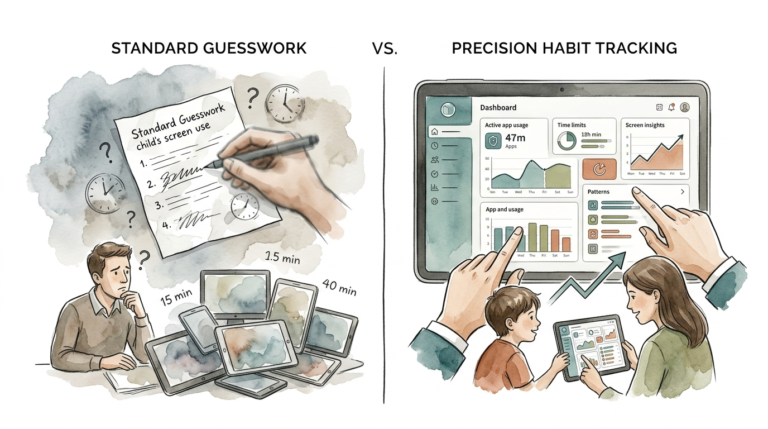
Visual Order vs. Unregulated Chaos
The difference between a structured environment and one without clear boundaries is often the difference between a peaceful home and one filled with tension.
| Feature | Unregulated Chaos | Visual Order (The Poster) |
|---|---|---|
| Authority | Parent must constantly enforce rules verbally. | The poster acts as the neutral authority. |
| Clarity | Rules are invisible and can change daily. | Expectations are visible and consistent. |
| Transitions | Sudden and often result in meltdowns. | Anticipated through visual cues and timers. |
| Child’s Role | Passive recipient of orders or negotiator. | Active participant in managing their time. |
| Stress Levels | High for both parents and children. | Lower due to predictability and security. |
Practical Tips for Implementation
Apply these best practices to ensure your screen time poster is durable and effective:
- Laminate your poster: Use a dry-erase marker so you can check off tasks or adjust time limits for weekends vs. weekdays.
- Place it at eye level: Make sure the chart is physically accessible to the child it is intended for.
- Include “Boredom Busters”: List 5-10 screen-free activities on the bottom of the poster so the child doesn’t have to think of what to do when the screen turns off.
- Use a “Parking Lot”: Create a designated basket or shelf near the poster where devices must be “parked” when not in use.
- Model the behavior: If the poster says “no screens at dinner,” make sure your phone is in the parking lot too.
Advanced Considerations: Gamifying the System
For older children or those who need extra motivation, you can move toward an “earning” system or “screen time currency.” Instead of a fixed schedule, the poster can display a menu of tasks and their corresponding rewards.
For example, reading for 30 minutes might earn 15 minutes of gaming, while helping with the laundry earns 10 minutes. This teaches children the value of their time and mirrors real-world concepts of work and reward. However, be careful to ensure that core family values—like helping out because you are part of a team—don’t get entirely replaced by a transactional mindset.
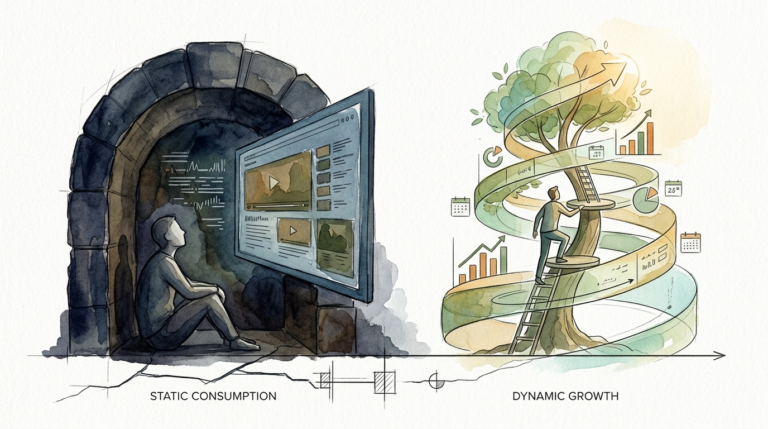
Another advanced technique is distinguishing between “Creative” and “Passive” screen time. You might allow unlimited time for a child who is learning to edit videos or build complex structures in a sandbox game, while strictly limiting “Doom-scrolling” on social media. This teaches them to be conscious creators rather than just mindless consumers.
Example Scenario: The After-School Routine
Consider a typical Wednesday. Without a poster, the child walks in, grabs an iPad, and the parent spends the next two hours yelling about homework and dinner.
With a visual routine poster, the process changes:
- The child enters and looks at the poster.
- The first icon is a backpack (Unpack bag).
- The second icon is a plate (Eat snack).
- The third is a pencil (Do homework).
- The child completes these and checks them off.
- The fourth icon is the iPad with a “30 min” label. The child sets a visual timer for 30 minutes.
- When the timer runs out, the child sees the next icon is a ball (Outside play) and transitions themselves.
In this scenario, the parent has not had to say a single word about the iPad. The “visual order” has guided the child through the day.
Final Thoughts
Using a reduce screen time poster for kids is about much more than just limiting minutes on a tablet. It is about creating a home environment where rules are transparent and expectations are clear. By making the boundaries visible, you give your children the tools they need to develop self-regulation and healthy habits that will last a lifetime.
A visual routine removes the emotional heat from daily transitions. It allows you to stop being the “bad guy” and start being the guide. When the poster is the boss, the child gains a sense of agency and security, knowing exactly how their day will unfold and what they need to do to succeed.
Experiment with different designs and involve your kids in the process. The goal is not perfection, but progress toward a more balanced, peaceful digital life. As your family adapts to this new level of visual order, you will likely find that the arguments fade, replaced by a shared understanding of how to use technology mindfully.
Sources
1 edtechdigest.com | 2 sevendaysvt.com | 3 sevendaysvt.com | 4 timetimer.com | 5 flourishinglivesmi.com | 6 betterscreentime.com | 7 boulderchildwhisperer.com | 8 choc.org | 9 biermanautism.com | 10 childandfamilydevelopment.com | 11 busytoddler.com | 12 aap.org | 13 nspt4kids.com | 14 nih.gov | 15 childrenscolorado.org | 16 coxcampus.org | 17 aap.org | 18 readingrockets.org | 19 childandteensolutions.com | 20 365daysofnoscreens.com | 21 theincrementalmama.com




One Comment