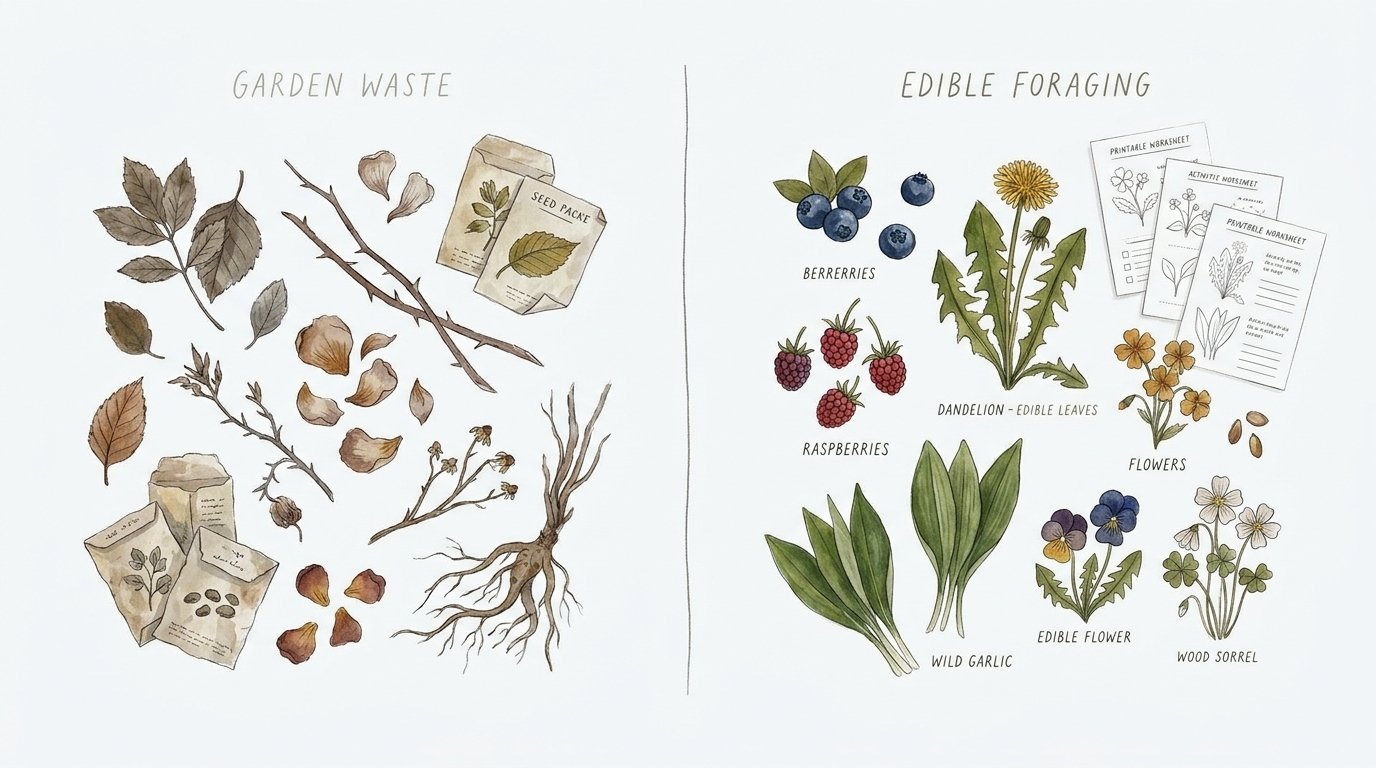
Edible Wild Plant Printables For Kids
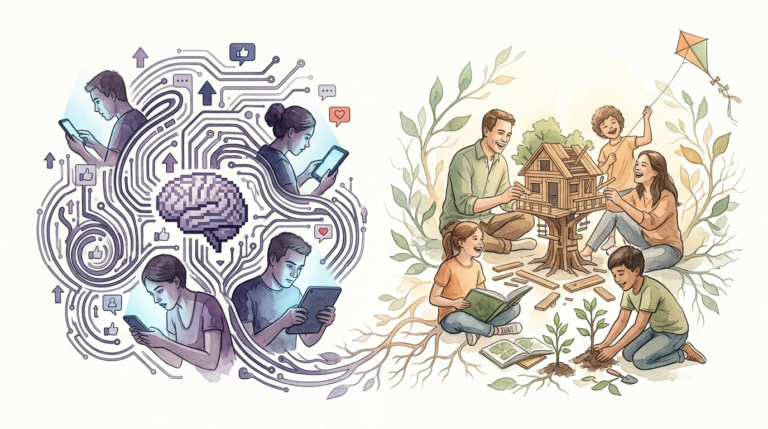
One child sees a nuisance; the other sees a medicine cabinet. We spend millions on ‘organic’ greens while mowing over free nutrition in our own backyards. When we teach kids to identify the ‘weeds,’ we turn them from passive consumers of the supply chain into active producers of their own wellness. It starts with one printable and one patch of dirt.
Foraging is more than a survival skill. It is a portal to environmental literacy. Most kids can identify a hundred corporate logos but cannot name three plants in their own neighborhood. We change that today.

By turning the backyard into a living laboratory, we foster curiosity. We move from the grocery aisle to the hedgerow. This guide provides the blueprint for using printables to bridge the gap between “scary weeds” and “superfoods.”
Edible Wild Plant Printables For Kids
Edible wild plant printables are visual tools designed to help children recognize and categorize local flora. These resources usually take the form of scavenger hunt lists, identification flashcards, or coloring pages that highlight specific botanical features. They exist to simplify the complex world of botany into digestible, high-contrast markers that a child can match with real-world specimens.
In a typical nature study, these printables serve as a bridge. Instead of hauling a five-pound field guide into the woods, a child carries a single sheet of paper. This sheet acts as a “treasure map,” focusing their attention on three or four common, safe species like Dandelions or Chickweed.
Real-world applications are everywhere. Homeschoolers use them for science credits. Summer camps use them for team-building scavenger hunts. Even urban parents use them to make a walk to the local park more engaging. These printables turn a “boring walk” into a high-stakes search for free snacks.
How to Start Foraging With Printables
The process begins with preparation. You do not need a biology degree to lead this activity. Start by choosing a specific area, such as your own backyard or a local trail known to be chemical-free.
Select printables that focus on “The Big Four” beginner plants: Dandelions, White Clover, Plantain, and Chickweed. These plants are ubiquitous, easy to spot, and have very few dangerous lookalikes. Print your guides and gather a few basic tools.
Equip each child with a small basket, a magnifying glass, and their printable. Explain the most important rule: “The Adult Check.” Nothing goes in the mouth until a trusted adult gives the green light. This establishes a system of checks and balances that keeps the experience safe.
Move through the area slowly. Encourage kids to look at leaf shapes, vein patterns, and flower colors. When they find a match, have them check it off or color in the corresponding plant on their printable. This tactile connection between the paper and the plant reinforces memory much faster than reading alone.
The Practical Benefits of Wild Foraging
Foraging offers immediate nutritional rewards. Many “weeds” are significantly more nutrient-dense than their cultivated cousins. Lamb’s Quarters, for example, contains three times the calcium of spinach. Dandelions are packed with Vitamin A, C, and K.
Beyond nutrition, the educational benefits are massive. Foraging requires observation, deduction, and critical thinking. A child must ask: Is the stem hollow? Are the leaves serrated? This is the scientific method in action, stripped of the classroom walls.
Psychologically, foraging builds confidence. It teaches children that they can provide for themselves. It replaces the “nature is scary” narrative with “nature is a provider.” This shift in mindset creates future stewards of the environment who are more likely to protect the land they eat from.
Common Mistakes and How to Avoid Them
The most frequent error is “the blanket ban.” Many parents tell kids “all berries are poisonous” to be safe. This creates fear rather than knowledge. Instead, teach specific identification markers. Use printables to show why a Blackberry is safe and a Nightshade berry is not.
Another pitfall is ignoring the history of the land. A plant might be perfectly edible, but if it is growing next to a high-traffic road or a lawn treated with pesticides, it is toxic. Always forage at least 50 feet away from busy roads and verify that the area has not been sprayed.
Novice foragers often forget the “dog pee rule.” Avoid harvesting plants that are below knee-height in high-traffic pet areas. This is a simple, practical tip that prevents a lot of hygiene issues. Teach kids to look for plants that are thriving in cleaner, slightly elevated spots.
Limitations and Environmental Constraints
Foraging is not a year-round grocery solution for everyone. It is highly seasonal. You might find a bounty of Violets in the spring, but they will be gone by mid-summer. Printables should reflect these shifts; a “Spring Foraging” sheet will look very different from an “Autumn Berry” sheet.
Urban environments present the biggest challenge. Soil contamination from lead or old industrial sites can make even the healthiest-looking weeds unsafe. In these cases, the activity should focus on identification rather than consumption. Use the printables for a “Catch and Release” style of foraging where you find the plant, identify it, and leave it be.
Ethics play a role here too. The “One-in-Ten” rule is vital. Never take more than 10% of a plant colony. If you only see one or two of a certain plant, do not pick them. Teach kids that we are part of an ecosystem, and we must leave enough for the bees, the birds, and the plant’s own reproduction.
Garden Waste vs Edible Foraging
We often view the garden as a place for “good plants” and “bad plants.” This comparison helps clarify why we should stop weeding and start harvesting.
| Factor | Garden Cultivation | Wild Foraging |
|---|---|---|
| Cost | High (Seeds, soil, water) | Zero (Free seeds, natural rain) |
| Maintenance | Daily weeding and watering | Zero (Thrives on neglect) |
| Nutrient Density | Moderate (Selective breeding) | High (Concentrated minerals) |
| Resilience | Fragile (Requires specific conditions) | Extreme (Survives frost and heat) |
Wild plants are essentially “volunteer vegetables.” They require no effort to grow and often provide more health benefits than the kale you struggle to keep alive in a raised bed.
Best Practices for Parents and Educators
Keep it simple. Do not try to learn 50 plants at once. Focus on one new plant per month. Use your printable to master the identification of that single species in all its life stages—from a tiny sprout to a flowering adult.
Create a “Nature Journal.” Encourage kids to tape a dried leaf from their find onto the back of their printable. Write down the date, the weather, and where it was found. This turns a one-time activity into a long-term project.
Use the “Five Senses” approach. Ask the child: How does the leaf feel? (Fuzzy like Mullein or smooth like Sorrel?) What does it smell like? (Garlic Mustard smells like its namesake.) Note these observations on the printable to create a sensory-rich learning experience.
Advanced Techniques for Young Foragers
Once the basics are mastered, move into processing. Identifying a plant is step one; using it is step two. Teach kids how to make a simple “Sun Tea” with Pine needles (high in Vitamin C) or Dandelion petals.
Introduce the concept of “Nature’s First Aid.” Show them how to crush a Plantain leaf to soothe a bee sting or a nettle burn. This practical application turns the “weed” into a valuable tool in their mind.
Explore the world of natural dyes. Many wild plants, like Goldenrod or Blackberries, produce vibrant colors. Use your foraged finds to dye cotton fabric. This connects botany to art and history, showing how our ancestors used the landscape for more than just food.
Examples of Foraging in Practice
Imagine a Saturday morning in a typical suburban backyard. A parent hands a “Spring Scavenger Hunt” printable to their seven-year-old. The list has four items: a yellow flower, a heart-shaped leaf, a “nature band-aid,” and a sour leaf.
Within ten minutes, the child finds a Dandelion (yellow flower) and Wood Sorrel (heart-shaped leaves). They taste the Wood Sorrel and are shocked by the bright, lemony zing. This “aha!” moment is where the consumer becomes a producer.
Later, the child finds a patch of Broadleaf Plantain. The parent explains it is the “nature band-aid.” When the child gets a small scratch later that afternoon, they know exactly which leaf to look for. The printable provided the initial prompt, but the experience provided the lifelong lesson.
Final Thoughts
The “weeds” in our yards are a massive, untapped resource of health and education. By using printables, we remove the intimidation factor and make botanical science accessible to the smallest hands. We move away from a world of plastic-wrapped greens toward a world of sovereign, seasonal nutrition.
Start with your own backyard. You don’t need a forest; a cracks-in-the-sidewalk patch of Chickweed is enough to begin. The goal is not just to find food, but to find a connection to the world that has been right under our feet the whole time.
Download a guide, grab a basket, and step outside. The medicine cabinet is open, and the grocery store is growing in the grass. It is time we taught our children how to shop there.
Sources
1 learningherbs.com | 2 kellogggarden.com | 3 practicalselfreliance.com | 4 nationalgeographic.com | 5 growinghealthykids.co.uk | 6 thehomeschoolquest.com | 7 dug.org | 8 simplehomeschool.net | 9 edibleschoolyard.org | 10 modernfarmer.com | 11 almanac.com | 12 amshq.org | 13 greengoeswild.com | 14 happe.life | 15 woodlandtrust.org.uk | 16 wildonesacademy.org | 17 tyrantfarms.com | 18 masterclass.com | 19 siloandsage.com | 20 practicalselfreliance.com | 21 kidsgardening.org