summer activities without ipad
Don’t let them simulate life this summer. Let them live it. Summer is too short for 4K resolutions. Give them dirt, water, and sun. Here is our ultimate screen-free summer bucket list.
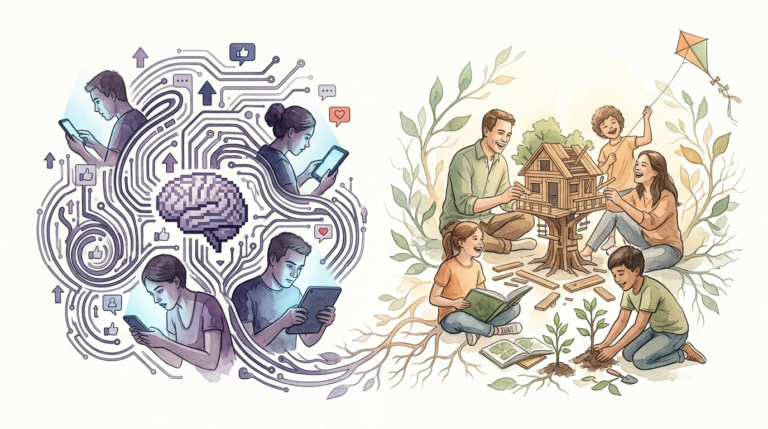
Every summer, parents face a familiar digital tide. We start with the best intentions, but before July hits, the lure of the “educational app” or the quiet peace of a YouTube marathon often takes over. The reality is that the growing human brain is constantly building neural connections while pruning away less-used ones. When we choose digital media over physical play, we are often providing “impoverished” stimulation compared to the multi-sensory richness of the real world.
Switching to a screen-free summer is not about punishment or becoming a luddite. It is about reclaiming the “developmental window of opportunity” that exists between the ages of three and twelve. This is the time when children’s environmental identity is shaped and their cognitive foundations are laid. If we want them to be resilient, creative, and physically capable, we have to give them the one thing a tablet cannot: the chance to be bored and the space to solve it themselves.
summer activities without ipad
Summer activities without an iPad are more than just a break from blue light; they are a total reset of a child’s dopamine system. Digital devices often release adrenaline and dopamine in ways that can have a drug-like effect on a young brain, leading to irritability when the device is finally removed. By stepping away from the screen, we allow the brain to find a natural baseline where simple joys—like a beetle crawling across a leaf—become exciting again.
This movement towards “unplugged” summers exists because parents are seeing the real-world consequences of excessive screen time, including delays in social skills, difficulties focusing, and disrupted sleep patterns. In real-world situations, screen-free time is used to foster “bottom-up” processing, where children engage with their environment through effortless, natural attention rather than the directed, top-down attention required by apps and videos.
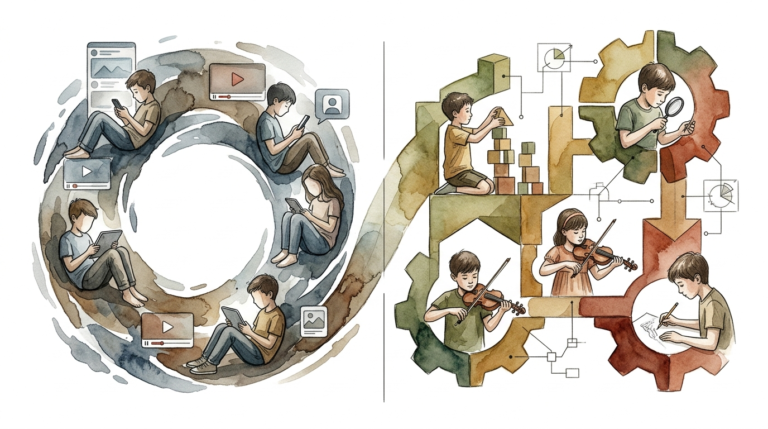
Examples of these activities range from “Mud Kitchens,” where children mix dirt and water to create elaborate “meals,” to “Nature Scavenger Hunts” that turn a simple walk into a high-stakes mission. These activities matter because they encourage independence and critical thinking. When a child builds a fort out of blankets or sticks, they aren’t just playing; they are engineering, problem-solving, and negotiating space in a way no simulation can replicate.
How to Implement a Screen-Free Strategy
Establishing a screen-free summer requires a clear family media plan rather than a sudden, unexplained ban. Successful families often begin by defining what “screen time” means for their household—does it include video games, texting, or just passive TV? Once the boundaries are set, the whole family, including parents, should follow them to model healthy behavior.
Creating a “Boredom Jar” is one of the most effective ways to bridge the gap between digital entertainment and independent play. Write down quick ideas that fill 10 to 30 minutes, such as “count all the stuffed animals” or “re-alphabetize your books,” and place them in a jar. When the inevitable “I’m bored” occurs, the child selects a task, which helps them transition into a creative mindset.
Another popular method is the “Do It/Did It” jar system. In this setup, children must complete a set of healthy activities—like reading for 20 minutes, playing outside, or doing a chore—before they can even ask for a device. This gives them control over their time while ensuring that their basic developmental needs for movement and learning are met first. Consistency is the key; a calm “I know it’s different this summer, let’s look at the plan” works much better than a daily battle.
Benefits of Unplugging
The practical, measurable benefits of a screen-free summer are visible in almost every area of a child’s development. One of the most immediate changes is improved sleep quality. Blue light from screens suppresses melatonin, the hormone responsible for sleep, and removing devices from the bedroom ensures kids get the deep REM sleep essential for processing the day’s learning.
Physical health also sees a massive boost. Unstructured outdoor play encourages the development of proprioception—the body’s sense of position and movement—along with balance and coordination. These are fundamental motor skills that traditional indoor activities often fail to challenge. Additionally, time spent in “green spaces” has been scientifically linked to lower rates of anxiety and improved attention spans in children.
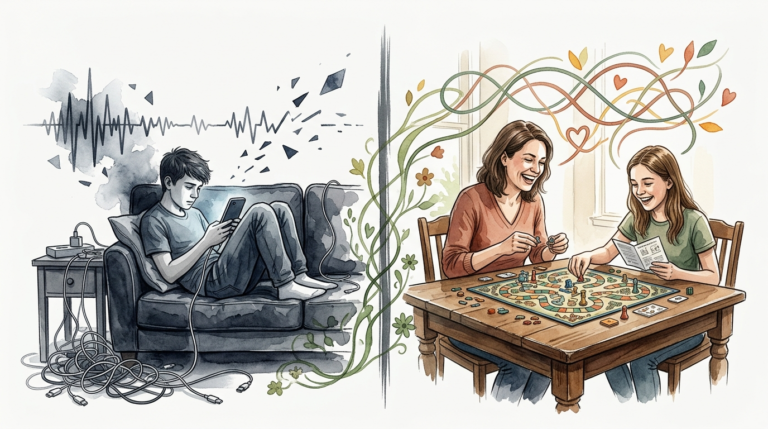
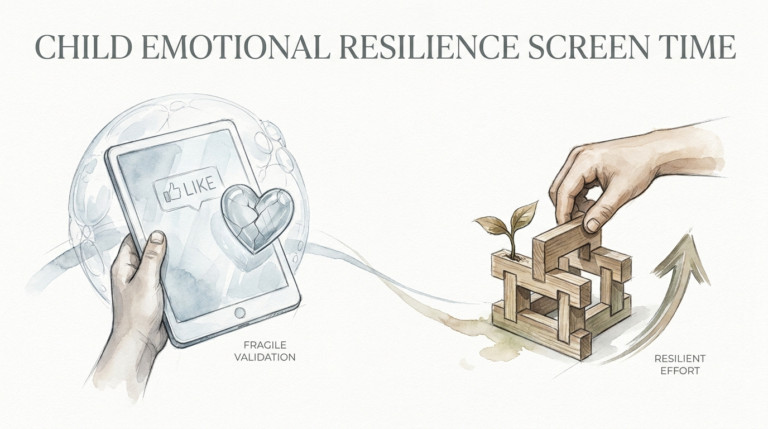
Socially, screen-free time forces children to engage in “real-time” interaction. Face-to-face play helps kids learn empathy, communication, and cooperation. When they are not shielded by a screen, they have to navigate the complex emotions of their peers, which builds emotional resilience and the ability to manage their own feelings effectively.
Challenges and Common Mistakes
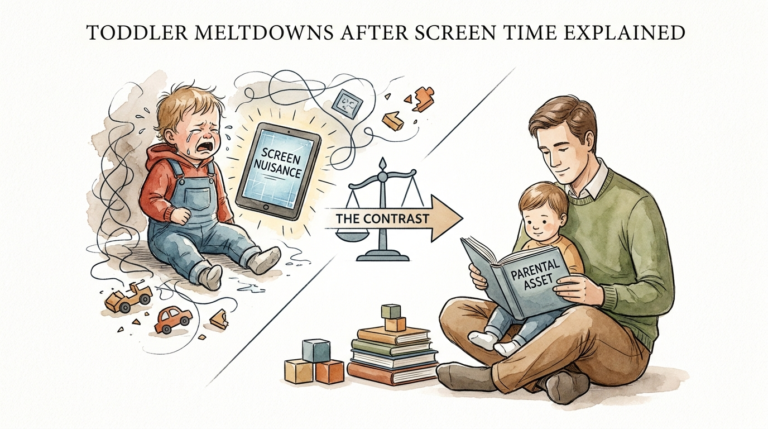
The initial “detox” period is often the hardest challenge for parents. For the first few days or even weeks, children may be more irritable or restless as their brains adjust to lower levels of digital stimulation. Many parents make the mistake of giving in during this phase to avoid meltdowns, which only reinforces the idea that complaining leads to screen time.
Another common mistake is failing to model the behavior. If parents are constantly checking their own phones while telling their children to play outside, the message is lost. It is essential to set “tech-free zones,” such as at the dinner table or during car rides, that apply to everyone in the house. This reduces the feeling that the screen-free rules are a punishment for the kids alone.
Planning fatigue is also a real risk. Parents often feel they need to be the “Cruise Director” of summer, providing a constant stream of elaborate activities. This is unnecessary. Boredom is actually a gift because it is the space where creativity and imagination happen. Resisting the urge to immediately solve a child’s boredom is vital for their development of independence.
Limitations and Environmental Constraints
A completely screen-free summer may not be ideal or realistic for every family, especially for working parents who lack childcare. For those working from home, screens often serve as a necessary “digital babysitter” during critical meetings. In these cases, focus on balance rather than perfection by protecting specific work blocks and using high-quality educational programming for limited periods.
Environmental factors like extreme heat or frequent rain can also limit outdoor time. In regions where it hits 100+ degrees, lying on the couch with a remote becomes very tempting. To counter this, parents need a robust “Indoor Rescue” list, including activities like hallway bowling with water bottles, building massive LEGO structures, or setting up indoor obstacle courses with painter’s tape.
Safety and accessibility are also realistic constraints. Not every family has a private backyard or easy access to a safe public park. In urban environments, parents may need to be more creative by using local libraries, community centers, or farmer’s markets as their “nature” substitutes. The goal is to maximize real-world engagement within the boundaries of your specific environment.
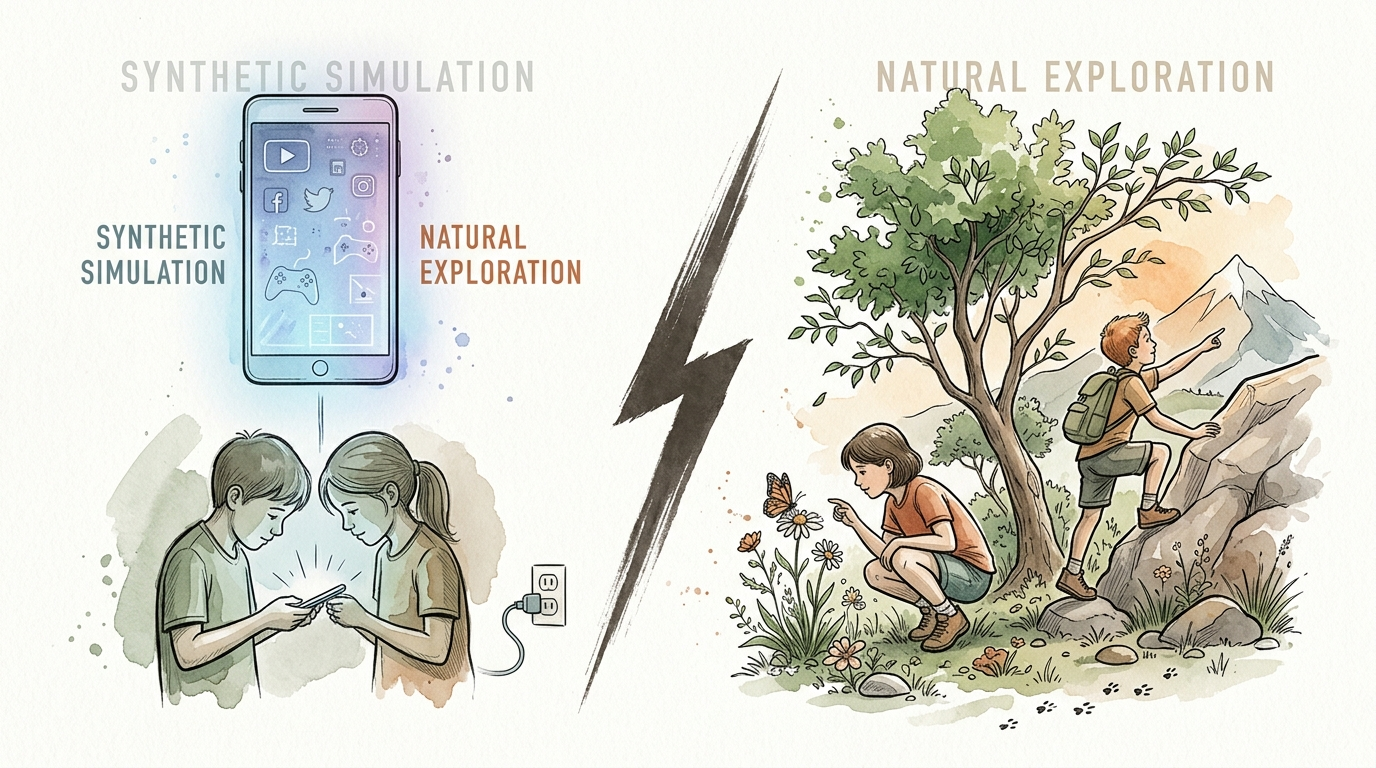
Synthetic Simulation vs Natural Exploration
When we compare digital experiences to physical ones, we are looking at “Synthetic Simulation” versus “Natural Exploration.” A 4K video of a forest provides high-definition visual data, but it lacks the smell of damp earth, the tactile sensation of rough bark, and the unpredictability of a real breeze. These “technological nature” experiences can supplement reality, but they cannot replace the restorative effects of a real walk in the woods.
| Factor | Synthetic Simulation (Digital) | Natural Exploration (Real World) |
|---|---|---|
| Sensory Input | Primarily visual and auditory; 2D. | Full multi-sensory; 3D textures, smells, and movement. |
| Attention Type | Top-down (Directed, often draining). | Bottom-up (Effortless, restorative). |
| Skill Development | Fine motor (swiping), reactive timing. | Proprioception, balance, complex engineering. |
| Dopamine Loop | High-frequency, instant rewards. | Low-frequency, delayed gratification. |
The difference in cognitive load is significant. Studies show that top-down processing in simulated environments tends to negate the restorative effects that nature has on the human brain. Natural exploration allows for “soft fascination,” a state where the brain can rest and recover from the intense focus required by modern school and digital life.
Practical Tips for a Screen-Free Summer
Preparation is the best defense against the “I’m bored” spiral. Before summer begins, gather low-cost gear like magnifying glasses, bug nets, sidewalk chalk, and buckets for water play. Having these “exploration tools” readily available turns a backyard into a safari or an archaeology site without requiring much parental intervention.
- Use Visual Schedules: For younger children who can’t read, use symbols to show how the day is ordered. This helps them know when to expect meals, play, and rest.
- Rotate Toy Bins: Don’t leave all the toys out at once. Put half of them away and rotate them every two weeks to keep the “newness” alive.
- Set a 10-Minute Reset: If things are spiraling, take 10 minutes for yourself to regulate. A steady parent is the most powerful tool in a screen-free plan.
- Leverage Community Resources: Visit the local library, splash pads, and public parks. These are often free and provide a change of scenery that breaks up the day.
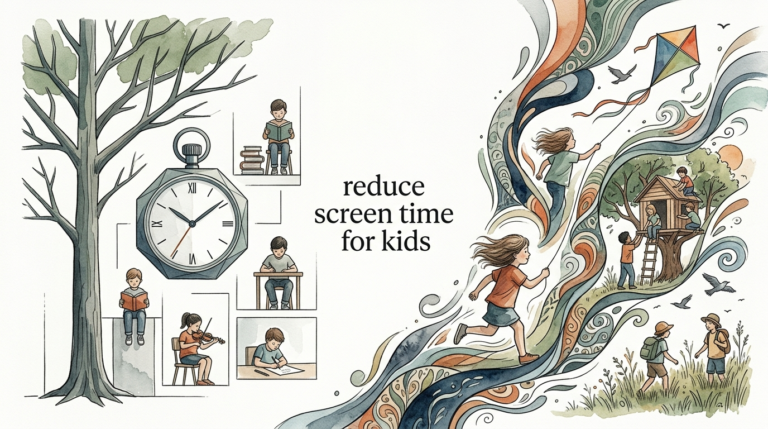
Don’t be afraid to let kids get messy. Letting them climb trees, balance on logs, and play in the dirt provides the best natural obstacle course available. These experiences build confidence and independence in ways that structured sports or digital games simply cannot match.
Advanced Considerations for Long-Term Habits
Serious practitioners of a low-screen lifestyle often look beyond just the summer months. They use this time to develop “deep work” capabilities in their children. By allowing long periods of uninterrupted, unstructured play, you are training your child’s brain to sustain focus on a single task—a skill that is becoming increasingly rare in the age of short-form video content.
Scaling this approach involves gradually increasing the complexity of independent projects. A child who starts by building a small LEGO house in June might be designing a multi-room “fort city” in the backyard by August. This progression helps them build a sense of agency and mastery. They learn that they are the creators of their own entertainment, not just the consumers of someone else’s content.
Consider the “Nature Deficit Disorder” concept coined by Richard Louv. This is not a medical diagnosis, but a way to describe the psychological and physical costs of our alienation from nature. By prioritizing an unplugged summer, you are actively treating this “disorder” and setting a foundation for long-term mental resilience and environmental consciousness that will serve them into adulthood.
Examples of Screen-Free Activities
To see how this works in practice, consider the “Nature Scavenger Hunt.” Instead of a generic list, give the kids specific, sensory-driven prompts: “find something smooth,” “find something that smells like a lemon,” or “find three different types of seeds.” This requires them to slow down and use their senses, effectively resetting their attention span.
Another excellent scenario is the “Backyard Olympics.” Use what you have—jump ropes, buckets, pool noodles, and chalk. Kids can design the events themselves, which adds a layer of creative engineering. They might create a “water balloon toss” for accuracy or a “stick-balancing relay” for coordination. This burns energy naturally and encourages healthy competition without the high-stress environment of organized leagues.
For rainy days, the “Kitchen Science Lab” is a classic. Mixing baking soda and vinegar or creating “Oobleck” with cornstarch and water provides a rich sensory experience. These activities are essentially STEAM (Science, Technology, Engineering, Arts, and Mathematics) learning in a natural, informal setting. They foster scientific thinking and understanding through direct, hands-on experience.
Final Thoughts
A screen-free summer is not about reaching a state of perfection or never seeing a pixel again. It is about shifting the balance back toward the real world. When we choose dirt, water, and sun, we are giving our children the childhood they deserve—one filled with movement, genuine curiosity, and the kind of deep, imaginative play that builds a stronger brain.
The practical value of this approach is immediate. You will likely see better sleep, fewer tantrums, and a sudden explosion of creativity as your kids rediscover how to entertain themselves. While the first few days might be challenging, the long-term payoff is a more resilient and independent child who knows how to engage with the world around them.
We encourage you to experiment with these ideas and see what sticks for your family. Start small with a “tech-free” morning and expand from there. You might find that once the tablets are put away, the “4K resolution” of a summer sunset is more than enough to keep everyone captivated.
Sources
1 pdxparent.com | 2 harvard.edu | 3 sunny-sam.com | 4 macaronikid.com | 5 digitalwellnesslab.org | 6 smh.com | 7 hamiltoneastpl.org | 8 teddylabels.com | 9 fairplayforkids.org | 10 thechildunplugged.com | 11 jcsri.org | 12 thecommon.place | 13 sciexplor.com | 14 playmatters.org.au | 15 mashable.com | 16 alyssa-rachelle.com | 17 researchgate.net