screen free teen bonding ideas at home
Proximity isn’t connection. Shared experience is.
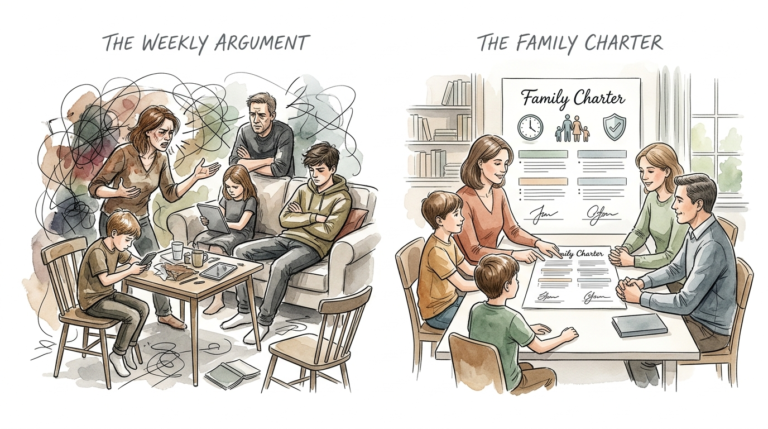
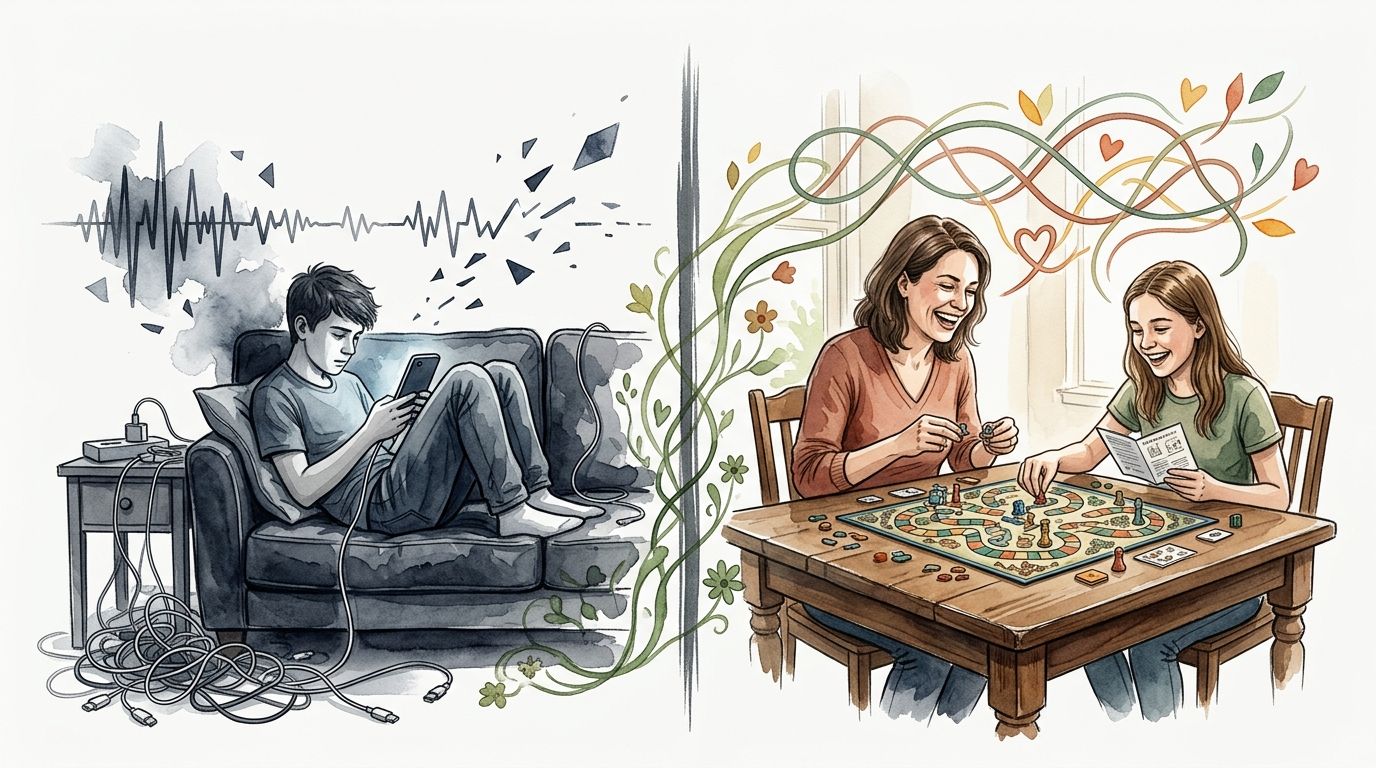
You can be in the same room and miles apart. Break the ‘dead air’ of digital isolation with these home-based activities that actually make teens talk. Digital walls are invisible, but they are thick. We often mistake the presence of our children for a connection with them, but a room full of people staring at different screens is just a high-tech waiting room.
Reclaiming the living room requires more than just a “no phones” rule. It requires a replacement. You need activities that generate natural friction and collaboration. This guide moves past the typical “play a board game” advice to look at high-energy, tactile, and psychologically grounded ways to bridge the gap between “Dead Air” and “Living Connection.”
screen free teen bonding ideas at home
Screen-free bonding is the intentional act of engaging in physical, tactile, or intellectual activities that do not involve a digital interface. It is a tool used to disrupt the dopamine loops created by social media and gaming. In a real-world setting, this looks like messy kitchens, competitive living room challenges, and collaborative builds that force eye contact and spontaneous conversation.
This concept exists because the human brain—especially the developing teen brain—is wired for social feedback and sensory engagement. When we replace digital pings with physical presence, we shift the relationship from passive observation to active participation. Real-world situations like cooking a difficult meal or building a complex model require “joint attention,” a psychological state where two people focus on the same object simultaneously.
Imagine the difference between watching a movie together and building a piece of furniture together. In the first, you are side-by-side but isolated. In the second, you are a team. The “friction” of the task—the missing screw, the confusing instruction—is exactly where the bonding happens. These activities are used in family therapy and home life to rebuild trust and re-establish a sense of shared identity.
How It Works: Transitioning from Digital to Analog
The transition from a high-dopamine digital environment to a slower analog one can be jarring. You cannot simply demand a “digital detox” and expect immediate enthusiasm. You must design the environment for success. Start by choosing activities that offer immediate feedback and a clear goal. High-energy tasks are often better for breaking the initial “tech-lethargy” than quiet, contemplative ones.
Structure the activity around the “Side-by-Side” principle. Research shows that teens are often more comfortable talking when they aren’t forced into direct, intense eye contact. Working on a project while talking allows the conversation to ebb and flow naturally. If the task gets difficult, the focus shifts to the work; if the work is rhythmic, the focus shifts to the talk.
Use the “Low Stakes, High Reward” system. Avoid activities that feel like a test of skill or a lecture in disguise. The goal is the interaction, not the perfection of the final product. If you are baking, a lopsided cake is a victory because it provides a shared laugh. If you are gardening, a few weeds are fine as long as you were both in the dirt together.
Benefits of Unplugged Engagement
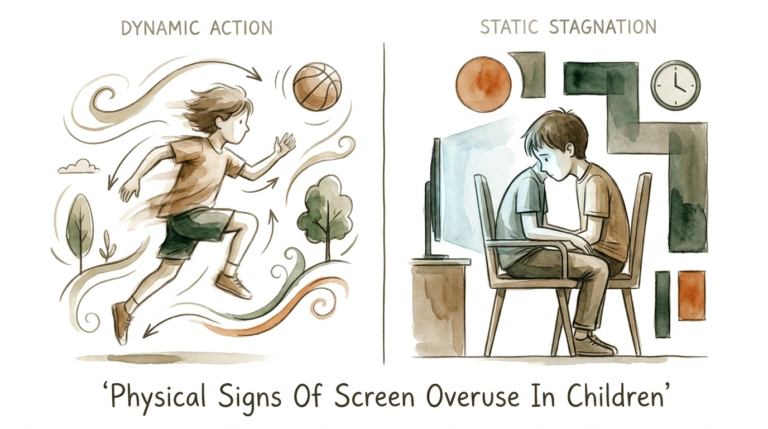
Removing the screen lowers the baseline anxiety levels for both parents and teens. Digital devices often keep the brain in a state of “continuous partial attention,” where you are never fully present. Unplugging allows the nervous system to settle. This leads to measurable improvements in mood and a reduction in the “irritability” often seen during tech withdrawal.
Shared experiences build a “history of success” between you and your teen. Every time you solve a problem together—even a small one like finishing a puzzle or fixing a bike—you reinforce the idea that you are a reliable partner. This builds “relational equity” that you can draw on when harder conversations eventually arise.
Tactile activities also improve cognitive flexibility. Working with your hands—whether it’s clay, tools, or ingredients—stimulates different neural pathways than swiping a screen. It encourages problem-solving and spatial awareness. For the teen, these activities offer a rare sense of “agency” in a world that often feels outside of their control.
Challenges and Common Mistakes
The most common mistake is the “Forced Fun” trap. If an activity feels like a mandatory corporate team-building exercise, a teen will instinctively rebel. Avoid being overly enthusiastic or “cringe” in your approach. Instead, start the activity yourself and invite them in. “I’m trying to figure out this recipe, want to help?” works better than “We are now going to have Family Bonding Time.”
Another pitfall is using the screen-free time to “interrogate” the teen about their grades, friends, or behavior. This turns the activity into a trap. If they feel that putting down their phone leads directly to a lecture, they will never put the phone down again. Keep the conversation light and focused on the task at hand unless they initiate a deeper topic.
Underestimating the “Dopamine Crash” is also a frequent error. In the first 15 to 20 minutes of a screen-free activity, a teen may be restless or grumpy. Their brain is literally waiting for the high-speed stimulation it is used to. Be patient. Once the “analog flow” kicks in, the mood usually shifts.
Limitations and Environmental Constraints
Physical space and budget can limit certain activities. Not everyone has a garage for woodworking or a yard for a large garden. However, “screen-free” doesn’t require a workshop. It can happen at a kitchen table with a deck of cards or a pile of old magazines for a collage. Focus on the *interaction*, not the equipment.
Interest mismatch is a real boundary. If you love puzzles and your teen finds them excruciating, forcing the issue will cause more harm than good. You must be willing to meet them halfway. This might mean trying a “Living Room Olympic” challenge that involves physical movement rather than a quiet craft. Flexibility is your greatest asset here.
Time constraints often make these activities feel like a luxury. Between work, school, and sports, a four-hour project might be impossible. In these cases, look for “Micro-Connections.” A 15-minute high-energy card game or a quick “one-ingredient” cooking challenge can be just as effective as a weekend-long project if done consistently.
Comparison: Passive vs. Active Bonding
| Feature | Passive Bonding (e.g., Watching TV) | Active Bonding (e.g., Building/Cooking) |
|---|---|---|
| Communication | Minimal; restricted to comments on content. | High; requires collaboration and direction. |
| Brain Engagement | Low; mostly consumption-based. | High; problem-solving and motor skills. |
| Memory Strength | Low; often blends into daily routine. | High; creates a distinct “story” or result. |
| Dopamine Profile | External; provided by the screen. | Internal; provided by achievement. |
Practical Tips for Success
- The “Parallel Play” Method: Sit in the same space and work on different analog projects. You might be journaling while they are sketching. It builds comfort in silence.
- Keep Supplies Visible: A box of art supplies or a board game on the coffee table acts as a “nudge.” It makes the analog choice easier than the digital one.
- Let Them Lead: If they have a hobby, ask them to teach it to you. Flipping the power dynamic builds their confidence and ensures they are interested.
- Set a “Phone Basket”: Make it a family rule. Everyone—including parents—drops their phone in a basket at the door during these sessions.
- Use “Side-by-Side” Spaces: Work in the kitchen or at a workbench where you are both looking forward at the task rather than directly at each other.
Advanced Considerations: The Neurobiology of Connection
Serious practitioners of family connection understand that the teen brain is undergoing massive pruning and reorganization. The prefrontal cortex—the part of the brain responsible for planning and impulse control—is still under construction. This makes them more prone to emotional volatility but also more responsive to high-intensity experiences.
By engaging in “High-Energy” screen-free activities, you are tapping into the teen’s need for novelty and stimulation. Physical activities like “Living Room Olympics” or complex “Scavenger Hunts” provide the adrenaline and dopamine they crave, but in a pro-social, connected way. This is called “Co-Regulation.” When you stay calm and engaged during a stressful or high-energy task, you help train their nervous system to do the same.
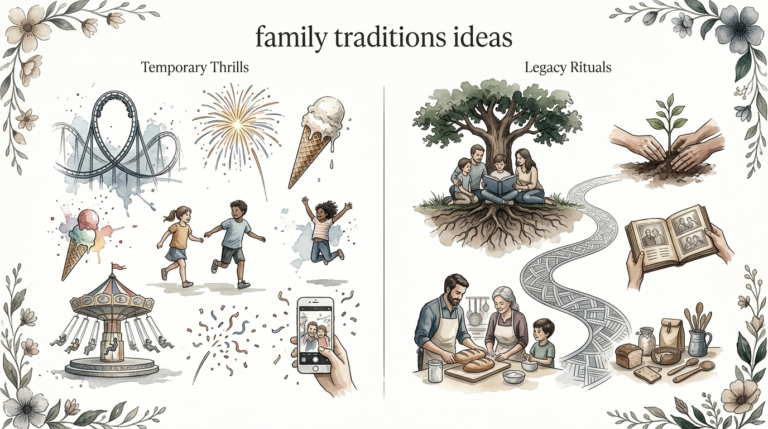
Scaling these connections requires moving from “activities” to “traditions.” A one-off game night is good; a “Sunday Morning Pancake Challenge” is better. Consistency creates a “schema” in the teen’s mind where they know that certain times are safe, screen-free, and connected. This reduces the friction of the transition over time.
Examples of High-Engagement Activities
The Living Room Olympics: Create a series of physical challenges that use household items. This might include a “Laundry Basket Free-Throw,” a “Paper Airplane Accuracy Contest,” or a “Chopstick Candy Transfer.” It is fast-paced, competitive, and removes the pressure of deep conversation while keeping everyone in the same physical flow.
The Collaborative Zine: Give your teen a stack of old magazines, some glue, and paper. Pick a theme—like “Things We Are Tired Of” or “The Perfect Summer”—and work together to create a self-published booklet. This is a powerful form of self-expression that doesn’t feel like a “talk about your feelings” exercise, yet it reveals a lot about their inner world.
The Blind Taste Test: Set up a “Kitchen Lab.” One person is blindfolded while the other presents different snacks or drinks. You have to guess the flavor or the brand. It is simple, funny, and requires high levels of trust and communication. It turns a standard snack time into a sensory-focused game that eliminates the need for a screen.
Final Thoughts
Proximity is the physical state of being near someone; connection is the emotional state of being *with* them. Digital isolation is a quiet thief that steals the small moments of eye contact and shared laughter that form the bedrock of a relationship. By choosing to step away from the screen and into a shared experience, you are choosing to be present in their life in a way an algorithm never can.
Experiment with these ideas. Some will fail, and some will become the stories you tell years from now. The goal is not to have a perfect afternoon but to break the “Dead Air” and replace it with a “Living Connection.” Start small, be consistent, and keep the phones in the basket. The conversation will follow the action.
If you find success with these methods, consider exploring “Digital Minimalism” as a family or looking into “Nature-Based Bonding” for your next step. The world beyond the glass is vast and ready for you to explore it together.
Sources
1 emeraldartstudio.com | 2 yourteenmag.com | 3 unicef.org | 4 kidsplaymuseum.org | 5 kidsplaymuseum.org | 6 connecticutchildrens.org | 7 ocpsychologycenter.com | 8 lasvegasweekly.com | 9 lasvegasweekly.com | 10 bgca.org | 11 ted.com | 12 substack.com | 13 elenco.com | 14 childrenandscreens.org