
screen time reward chart free printable
Break the cycle of passive consumption. Move from watching life to earning your digital time through active living. Screens are static; kids are meant to be dynamic. Use our free printable reward chart to turn screen time into a hard-earned prize rather than a default habit.
Modern parenting often feels like a constant battle against the “glow.” We see our children tethered to devices, losing hours to infinite scrolls and autoplaying videos. This pattern creates a cycle where digital consumption becomes the default activity whenever boredom strikes.
You can change this dynamic today. Shifting from a restrictive “no” to an empowering “how to earn it” transforms the energy in your home. It moves the focus from what is being taken away to what is being achieved through effort and responsibility.
A screen time reward chart is not just a piece of paper. It is a psychological tool that aligns with how young brains develop motivation. When you implement this system, you are teaching your child that digital entertainment is a luxury to be balanced with physical activity and household contribution.
screen time reward chart free printable
A screen time reward chart is a visual tracking system designed to help children earn digital minutes by completing non-digital tasks. It serves as a physical contract between parent and child, providing a clear and transparent roadmap for how daily life is structured. Instead of guessing when they can use an iPad, your child can look at the chart and see exactly what needs to happen first.
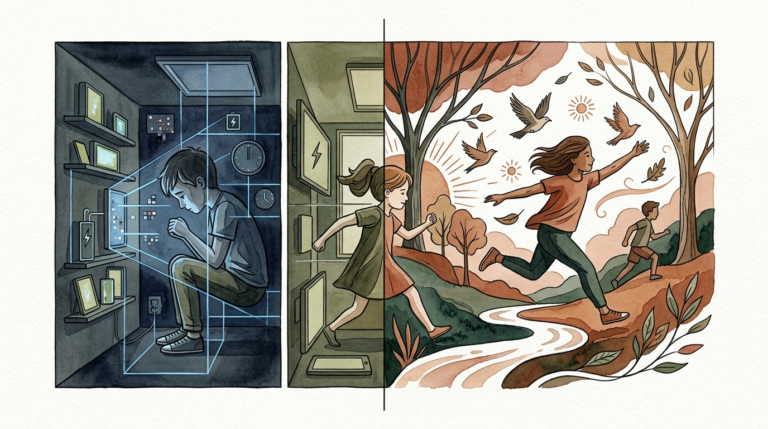
In real-world terms, this functions much like a professional workplace or a fitness goal. We work to earn a paycheck; we exercise to earn a healthy body. By introducing this concept early, you are helping your child visualize the relationship between effort and reward. This is often referred to as “Static Consumption vs. Dynamic Achievement.”
These charts are used everywhere from busy family kitchens to therapeutic settings for children with ADHD or executive functioning challenges. They provide the “scaffolding” a developing brain needs to prioritize boring but necessary tasks over highly stimulating digital ones. It bridges the gap between a messy room and the next level of a favorite video game.
Commonly, these charts are divided into categories like chores, physical activity, reading, and creative play. Each task is assigned a specific “value” in minutes. When the task is done, the child marks the chart or collects a token, which they can later “spend” on their devices.
How to Implement Your Screen Time Reward System
Effective implementation starts with a family meeting. Sit down with your children and explain that the goal is balance, not punishment. You want them to have time on their screens, but you also want them to have time for their bodies, their brains, and their home. Involving them in the setup process significantly increases their “buy-in” and reduces later resistance.
Step 1: Identify Your Values. Decide which behaviors you want to encourage. These should be specific and measurable. Avoid vague terms like “be good.” Instead, use “brush teeth without being asked” or “put clean laundry in the dresser.” Specificity is the enemy of arguments.
Step 2: Assign Minute Values. Create a fair exchange rate. For example, 20 minutes of reading might earn 20 minutes of screen time. A quick chore like emptying the dishwasher might earn 15 minutes. Ensure the total “earnable” time aligns with your overall family goals for daily digital use.
Step 3: Establish the “When.” Decide when earned time can be used. Many parents find success with “After 4:00 PM” or “Only after homework is finished.” Setting a clear start time prevents kids from rushing through chores at 7:00 AM just to get on a screen before school.
Step 4: Use Physical Markers. While the chart tracks progress, using tokens or “screen time tickets” can be even more effective for younger kids. Handing over a physical ticket to “buy” an hour of TV makes the transaction feel real. It teaches basic budgeting and the value of a hard-earned asset.
Step 5: Stay Consistent. The system only works if the rules are absolute. If you give in and allow screen time when it hasn’t been earned, the chart becomes meaningless paper. Consistency builds the habit loop that eventually leads to self-regulation.
The Practical Benefits of Earning Screen Time
The most immediate benefit is the dramatic reduction in daily “tech tantrums.” Most conflicts arise because children feel the loss of control when a device is taken away. When they earn the time, they own the time. They understand that the screen going off is the natural result of their “budget” running out, not an arbitrary decision by a parent.
Motivation shifts from external to internal over time. In behavioral psychology, this is known as operant conditioning. By rewarding chores with something highly valued like a video game, the brain begins to associate “completing tasks” with a positive outcome. Eventually, the feeling of a clean room or a finished book becomes rewarding in itself.
Children learn essential life skills such as delayed gratification. In a world of “on-demand” everything, the ability to work toward a goal and wait for the reward is a competitive advantage. This system forces a pause between the impulse to play and the actual play, strengthening the prefrontal cortex—the part of the brain responsible for impulse control.
Physical health also sees a boost. By making “30 minutes of outside play” a requirement for earning digital time, you ensure your child is getting the movement their body needs. This offsets the sedentary nature of screens, creating a healthier daily rhythm.
Challenges and Common Pitfalls to Avoid
Negotiation creep is the most common hurdle. Children are natural negotiators and will quickly try to “hustle” for more minutes for doing less work. Stick to the assigned values on the chart. If you start debating the “worth” of a chore every Tuesday, the system will collapse under the weight of the arguments.
Treating screens as the “Ultimate Prize” can occasionally backfire. If every good thing in life is only a means to get to a screen, the child may devalue non-digital activities. To avoid this, ensure your chart also includes rewards that aren’t digital, such as a trip to the park, a board game night, or staying up 15 minutes late.
Taking away earned time as a punishment for unrelated behavior is a trust-breaker. If a child earns 30 minutes for reading but then loses it because they were rude to a sibling, they stop trusting the “contract.” The reward system should be a separate economy. Use other consequences for behavioral issues to keep the integrity of the earning system intact.
Burnout can happen if the tasks are too difficult or the rewards too small. If a child feels they have to work for three hours just to get ten minutes of Minecraft, they will simply give up. The exchange rate must feel achievable and fair to the child’s age and ability level.
When This Method May Not Be Ideal
Neurodivergent children, particularly those with high levels of Pathological Demand Avoidance (PDA), may find the structure of a reward chart distressing rather than motivating. For these children, a collaborative “low-demand” approach or a routine-based system often works better than a transactional one.
Older teenagers may also find a physical chart patronizing. By age 15 or 16, the focus should shift from “earning” to “digital citizenship” and “self-management.” At this stage, a digital wellness app or a written “Tech Agreement” that outlines expectations for grades and sleep is usually more appropriate than a chore-for-minutes swap.
High-stress family periods, such as a move, a new baby, or a family illness, might require you to pause the system. When parents are overwhelmed, the energy required to monitor a reward chart can lead to more stress. It is okay to rely on “survival mode” occasionally, provided you reset the boundaries once things settle down.
Passive vs. Active Screen Time Comparison
Not all digital time is equal. When managing your reward chart, consider differentiating between passive consumption and active creation. You might choose to charge “full price” for passive watching but offer a “discount” or even make it “free” for high-value educational or creative activities.
| Feature | Passive Screen Time | Active Screen Time |
|---|---|---|
| Main Activity | Watching YouTube, Scrolling TikTok, Autoplay TV | Coding, Digital Art, Video Editing, Strategy Games |
| Brain State | Low engagement; “Vegging out” | High engagement; Problem-solving |
| Dopamine Level | High, rapid spikes (Highly addictive) | Moderate, sustained (Flow state) |
| Reward Cost | Full “Minute” price | Often “Free” or half-price |
Practical Tips and Best Practices
Laminate your chart. This allows you to use dry-erase markers to change tasks as your child grows or as family needs shift. It also makes the chart more durable against the general chaos of a household with children.
Introduce a “Screen-Free Buffer” before bed. Regardless of how many minutes a child has earned, all screens should go off at least 60 minutes before sleep. This prevents the blue light from interfering with melatonin production and ensures a smoother transition to bedtime.
Encourage “The Daily Reset.” Any minutes not used by the end of the day should ideally vanish. This prevents a child from “hoarding” six hours of screen time to use all at once on a Saturday. A daily limit keeps the routine consistent and prevents digital binges.
Model the behavior yourself. If you are asking your child to earn their screen time while you scroll mindlessly at the dinner table, the system will feel unfair. Set your own “Phone Home” or “Digital Sunset” to show that these rules apply to healthy humans, not just kids.
Advanced Considerations for Long-Term Success
As your child becomes more proficient with the system, start introducing “Bonus Challenges.” These are high-effort tasks that earn larger rewards, such as “Clean the entire garage for a family movie night” or “Read a 200-page book for a new app purchase.” This teaches the concept of saving and investing effort for bigger returns.
Think about the transition to self-regulation. The ultimate goal of a screen time reward chart is to eventually stop using it. You want to reach a point where your child naturally balances their day without needing a paper guide. Look for signs of “Digital Maturity,” such as a child choosing to turn off a game because they “feel like their brain is fuzzy” or because they want to go play outside.
Monitor the “Content Quality” alongside the time. A child who earns 60 minutes and spends it watching educational tutorials on 3D modeling is having a very different experience than one watching “unboxing” videos. Use your reward system to incentivize higher-quality content by making it “cheaper” to earn.
Real-World Scenario: The “Earned Hour” System
Consider the Smith family. They have an 8-year-old and a 5-year-old. Before the chart, every afternoon was a battle over the iPad. They implemented a simple “Earned Hour” system with the following exchange rates:
- Make Bed: 5 Minutes
- 20 Minutes Reading: 20 Minutes Screen
- Clean Playroom: 15 Minutes
- 30 Minutes Outside: 15 Minutes
- Set Table for Dinner: 5 Minutes
In this scenario, the children typically earn about 60 minutes of time through their daily routines. The parent doesn’t have to say “no.” Instead, when the children ask for the iPad at 3:00 PM, the parent simply asks, “How much have you earned so far?” The children check the chart, realize they are at 40 minutes, and decide to go outside for 30 minutes to get that final 20-minute “boost” they want for their favorite game.
This transforms the parent from a “warden” into a “banker.” The conflict disappears because the rules are clear, the rewards are earned, and the children feel a sense of accomplishment for managing their own digital lives.
Final Thoughts
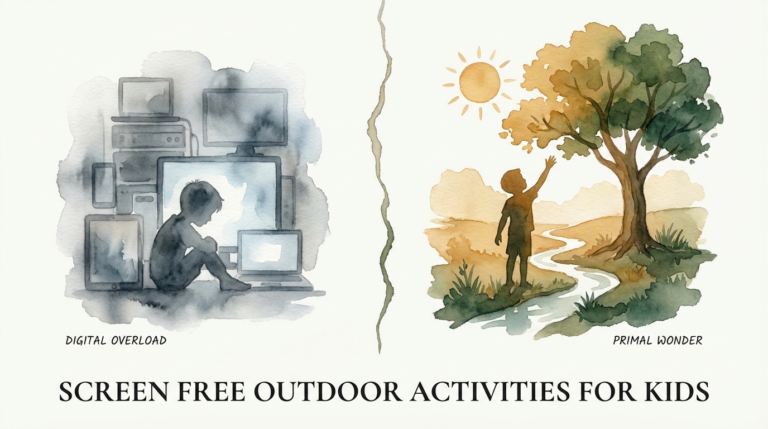
A screen time reward chart is a powerful bridge between the static world of screens and the dynamic reality of an active childhood. It provides the structure children need to navigate a world designed to capture their attention at every turn. By making screen time a prize rather than a default, you are reclaiming the physical and creative spaces of your home.
Start small and stay consistent. You do not need a perfect system on day one; you only need a clear one. As your family adjusts, you will likely find that the “demand” for screens naturally decreases as your children rediscover the joy of building, reading, and playing in the real world.
Download our free printable today and take the first step toward a more balanced, intentional home life. Empower your kids to move from being passive viewers to active earners. The digital world is here to stay, but with the right tools, you can ensure it serves your family rather than ruling it.
Sources
1 techhealthyfamilies.com | 2 timily.app | 3 medium.com | 4 betterscreentime.com | 5 betterscreentime.com | 6 pewresearch.org | 7 timily.app | 8 lascrucesbulletin.com | 9 medium.com | 10 ahealthysliceoflife.com | 11 reddit.com | 12 3blmedia.com | 13 expressable.com | 14 medlineplus.gov | 15 avidopenaccess.org | 16 nurtureandthriveblog.com | 17 imagineisland.game