screen time recommendations by age uk
Reclaim the wild from the digital concrete jungle. Official UK recommendations are clear: balance is key. Trade the glowing screen for the green grass with these age-appropriate guidelines.

Modern parenting often feels like a constant negotiation with a rectangular piece of glass. Whether you are managing a toddler who has discovered the magic of CBeebies or a teenager who seems physically tethered to TikTok, the struggle is real. Navigating the world of digital consumption requires more than just a timer; it requires a strategy that prioritises development over distraction.

Understanding the latest official guidance helps you move from reactive policing to proactive mentoring. The goal isn’t to demonise technology, but to ensure it doesn’t displace the vital experiences that help a child grow. From physical health to emotional resilience, the stakes of finding this balance are high in our hyper-connected society.
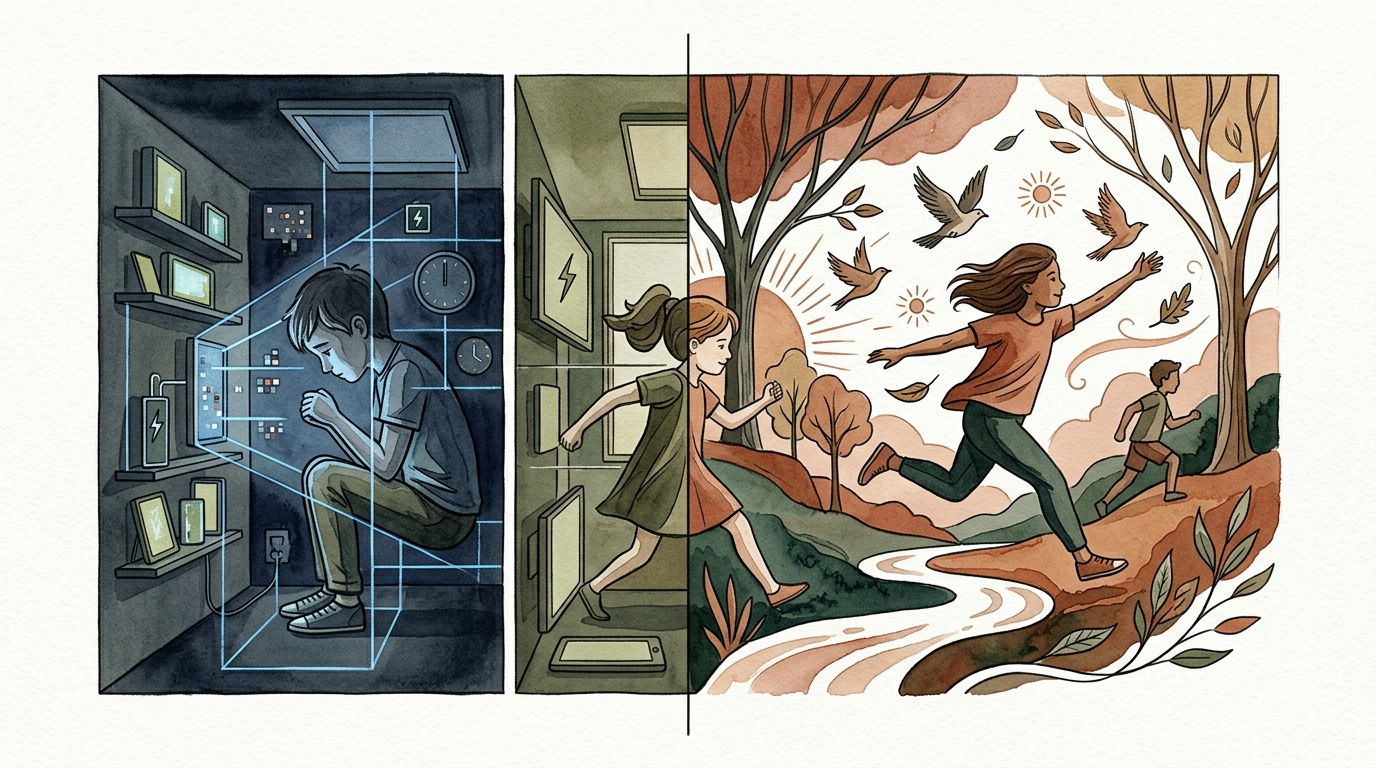
Focusing on exploratory freedom rather than digital confinement allows children to engage with the world using all five senses. While a screen offers sight and sound, the real world offers texture, scent, and unpredictable physics. Balancing these two worlds is the secret to raising healthy, well-adjusted digital natives.
screen time recommendations by age uk
Official UK recommendations have evolved significantly to keep pace with the rapid integration of technology into family life. Current guidance from the UK Chief Medical Officers and recent 2026 updates from the Department for Education (DfE) emphasize a precautionary approach. These experts focus on ensuring screens do not interfere with sleep, physical activity, or face-to-face socialising.
For the youngest members of the family, the advice is the most restrictive because 90% of brain development occurs before the age of five. Experts suggest that for children under 2 years old, screen time should be avoided entirely, with the exception of shared activities like video calling relatives or looking at family photos. This period is critical for developing motor skills and language through human interaction.
Children aged 2 to 5 years should ideally have no more than one hour of screen time per day. The quality of this content matters immensely; the UK government now officially recommends “slow-paced” programming over high-intensity, rapid-fire videos. Slow-paced content allows a child’s brain to process information at a natural speed, reducing the risk of overstimulation and subsequent meltdowns.
As children move into primary school (ages 5 to 11), the focus shifts from strict hourly limits to “healthy balance.” While there is no hard ceiling for this age group, the 2024 Education Committee report highlights that screen use should never displace the three hours of physical activity recommended daily. Parents are encouraged to implement “screen-free” zones, especially in bedrooms and during mealtimes.
Secondary school students (ages 12 to 18) face the most complex digital landscape. At this stage, nearly 91% of UK 11-year-olds own a smartphone. The recommendation for teens focuses on self-regulation and protecting mental health. Screen use should be curtailed at least one hour before bed to prevent blue light from disrupting sleep cycles, which is a major factor in adolescent wellbeing and academic performance.
UK Screen Time Guidelines Summary
| Age Group | Recommended Daily Limit | Primary Focus |
|---|---|---|
| Under 2 Years | Zero (except video calls) | Human interaction and bonding |
| 2 – 5 Years | Maximum 1 Hour | Slow-paced, high-quality content |
| 5 – 11 Years | Variable (Max 2 hours rec.) | Protecting sleep and physical play |
| 12 – 18 Years | Balance & Regulation | Mental health and social safety |
How to Establish Healthy Digital Habits
Building a healthy relationship with technology starts with a clear framework rather than a series of ad-hoc bans. Successful families often use a “Digital Family Agreement” that outlines when, where, and how devices are used. This document creates a shared understanding and reduces the daily friction of “just five more minutes.”
Modeling behavior is perhaps the most powerful tool in your arsenal. Children are natural mimics; if they see parents constantly checking notifications, they will view that as the default state of being. Setting “Phone-Free Fridays” or “Tech-Free Dinners” for the entire family reinforces the idea that the most important connections happen offline.
Transitioning away from screens can be the hardest part of the day. Using “countdown” warnings—giving a 10-minute, 5-minute, and 1-minute alert—helps children prepare mentally for the switch. Some parents find success using physical timers that provide a visual representation of time slipping away, making the concept of “one hour” tangible for younger children.
Curating the digital environment is just as important as limiting the time spent in it. Utilise parental controls at the router level or through device-specific settings like Apple’s Screen Time or Google’s Family Link. These tools allow you to set “downtime” periods where only essential apps like the phone or calculator work, ensuring that late-night scrolling is physically impossible.
Benefits of Outdoor Exploratory Freedom
Trading indoor digital confinement for outdoor exploratory freedom offers measurable benefits for a child’s physical and mental health. Spending time in nature lowers cortisol levels and reduces stress, which is increasingly important as children navigate a high-pressure academic world. The outdoors provides a sensory-rich environment that no 4K screen can replicate.
Physical development thrives in the “wild.” Unstructured play—climbing trees, running on uneven ground, or digging in the dirt—builds gross motor skills, balance, and physical resilience. These activities engage muscle groups that remain dormant during sedentary screen time, helping to combat the rising rates of childhood obesity in the UK.
Cognitive benefits are equally impressive. Nature requires a different type of attention than digital media. While screens demand “directed attention,” which is exhausting, nature triggers “soft fascination,” which allows the brain to rest and recover. Studies show that children who play outside regularly exhibit better concentration and problem-solving skills when they return to the classroom.
Vitamin D absorption is another critical factor. The UK’s climate means many children are at risk of deficiency, especially during the winter months. Regular outdoor play, even on overcast days, helps maintain healthy levels of Vitamin D, which is essential for bone health and a robust immune system. Reclaiming the wild isn’t just a lifestyle choice; it’s a biological necessity.
Challenges and Common Mistakes
The “Digital Babysitter” trap is the most common pitfall for busy parents. Using a tablet to keep a child quiet during a long car journey or while cooking dinner is understandable, but it can quickly become a crutch. When screens become the primary tool for emotional regulation, children miss out on learning how to manage boredom or frustration themselves.
Inconsistency is another major hurdle. If the rules change based on a parent’s mood or energy level, children will continue to push boundaries in the hope of a “win.” An “extinction burst”—a temporary increase in bad behavior when a new limit is introduced—often leads parents to give up just before the new habit takes hold. Staying the course during these outbursts is vital for long-term success.
Late-night screen use remains a significant challenge for UK teenagers. The blue light emitted by phones suppresses melatonin, the hormone responsible for sleep. Many parents make the mistake of allowing phones in the bedroom “for the alarm clock,” but the temptation to check one last notification often leads to hours of lost sleep, affecting concentration and mood the next day.
Underestimating the “Attention Economy” is a frequent oversight. Apps like TikTok and YouTube are designed by world-class engineers specifically to keep users engaged for as long as possible. Expecting a child or teen to exercise perfect “willpower” against these algorithms is unrealistic. The mistake is viewing screen time as a simple lack of discipline rather than a battle against persuasive design.
Limitations and Realistic Constraints
Blanket rules often fail to account for the nuances of modern life. For example, the distinction between “recreational” and “educational” screen time is crucial. A child spending two hours coding a game or researching a school project is engaging in a fundamentally different activity than one scrolling through mindless “fail videos.” Strict hourly limits that don’t distinguish between these uses can stifle creativity.
Neurodiversity presents another layer of complexity. For many children with SEND (Special Educational Needs and Disabilities), digital tools are essential for communication, learning, and socialising. In these cases, the standard “screen time recommendations by age uk” may need to be adjusted. For a child with autism, a tablet might be a vital tool for decompressing after a sensory-overloaded school day.
Environmental limitations in urban areas can make “reclaiming the wild” difficult. Not every family has access to a private garden or a safe local park. In high-density cities like London or Birmingham, the “indoor digital confinement” is often a result of safety concerns or a lack of green space. In these scenarios, the focus must shift to “active indoor play” or making the most of public libraries and community centres.
Economic factors also play a role. Premium “ad-free” educational apps and high-quality “slow-paced” content often come with a subscription cost. Families on a tighter budget may find themselves limited to free platforms that rely on aggressive advertising and addictive algorithms. Recognising these disparities is important when setting realistic goals for your family.
Comparative Snapshot: Guidelines vs. Reality
The gap between what is recommended and what is actually happening in UK households is startling. Understanding this divide helps parents realise they aren’t alone in the struggle and highlights why systemic changes, such as phone-free school policies, are being implemented.
| Category | Official UK Recommendation | Current UK Average (Approx.) |
|---|---|---|
| Ages 5-16 Screen Time | Prioritise sleep and 3hrs activity | 6.3 Hours per day |
| Phone Ownership at Age 11 | Delayed until necessary | 91% of children |
| Outdoor Play Time | As much as possible (daily) | Declined by 50% in one generation |
| Pre-Bed Screen Use | Stop 60 minutes before bed | Commonly used until sleep |
Practical Tips and Best Practices
Start with “Safe Screen Swaps.” Instead of simply saying “no” to a screen, offer an alternative that satisfies the same itch. If a child wants to play a digital building game, suggest LEGO. If they want to watch a fast-paced cartoon, try a high-quality audiobook or an interactive board game. These swaps transition the brain from passive consumption to active engagement.
Implement a “Tech Basket” near the front door. Everyone, including adults, drops their devices into the basket at a set time each evening. This physical act of “tucking the phones in for the night” creates a clear psychological boundary between the digital world and family time. It also ensures that devices are charged in a central location rather than in bedrooms.
Use “Quality Filters” for all content. Before letting a child watch a new show, check a resource like Common Sense Media to see age ratings and content warnings. Look for shows with slower “cut rates”—the frequency of scene changes. Shows with fewer cuts per minute are less likely to cause the “hyper-stimulated” state that leads to irritability after the screen is turned off.
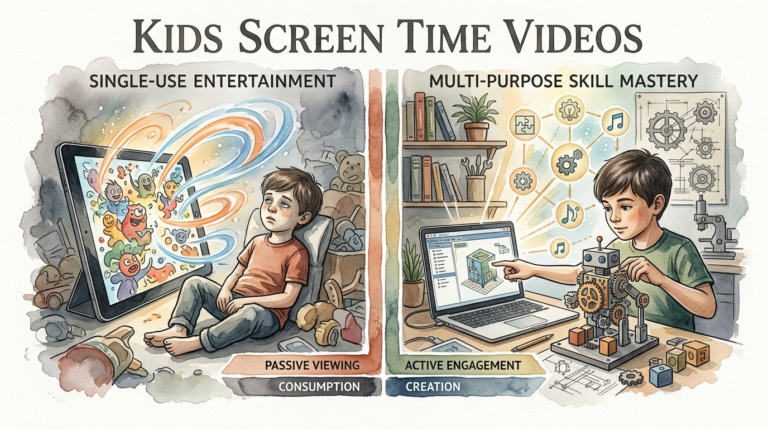
Encourage “Digital Creativity” over “Digital Consumption.” Guide your children toward apps that allow them to create—whether that is making digital art, composing music, or learning to code. When a screen is used as a tool for creation, it becomes a much more productive part of their development. This shift changes the child’s role from a passive spectator to an active participant.
Advanced Considerations for the Digital Age
Understanding the “Dopamine Loop” is essential for serious practitioners of balanced parenting. Many apps use “variable rewards”—the same mechanism used in slot machines—to keep users engaged. The “pull-to-refresh” gesture or the “infinite scroll” creates a cycle of anticipation and reward that can be physically addictive for developing brains. Teaching older children about these tactics empowers them to recognise when they are being manipulated.
The “Metaverse” and Virtual Reality (VR) represent the next frontier. These technologies offer immersive experiences that are far more taxing on the brain and eyes than a standard tablet. Official UK guidance on VR is still in its infancy, but experts generally suggest avoiding VR headsets for children under 12, as their visual systems and depth perception are still developing.
Algorithmic bias and echo chambers are critical topics for teenagers. As they move onto social platforms, they are fed content that reinforces their existing views or exploits their insecurities. Encouraging “Digital Literacy”—the ability to question the source and intent of online information—is a vital skill. Discussing how algorithms work can help teens navigate the digital world with a more critical eye.
Real-World Scenarios
Consider the “Rainy Saturday Scenario.” Without a plan, a wet day often results in eight hours of consecutive gaming. Instead, create a “Rainy Day Menu” of non-tech activities: baking, indoor dens, or a family board game tournament. If screens must be used, turn it into a “Family Cinema” event where you watch a long-form movie together and discuss it afterward, rather than everyone retreating to separate devices.
The “Long Car Journey” is another classic challenge. Instead of handing over tablets immediately, try “Audiobook Adventures.” A compelling story can keep the whole family engaged and sparked conversations that tablets would have stifled. Save the screens for the final hour of the journey as a “bonus” rather than the default mode of travel.
Managing the “Social Pressure” in secondary school is perhaps the toughest scenario. When your 12-year-old claims “everyone else” is on a specific app, it’s helpful to have a network of like-minded parents. Group chats with other parents in the same school year can help you realise that the “everyone” is often just a vocal minority. Standing together on delayed smartphone access or app restrictions makes the transition much easier for the children involved.
Final Thoughts
Reclaiming the wild in a digital world is not about living in the past; it is about protecting the future. The official UK recommendations provide a vital roadmap, but the daily execution happens in the small choices you make as a family. By prioritising balance, you ensure that technology remains a tool for enhancement rather than a barrier to development.
Embracing outdoor exploratory freedom gives your children the physical strength, mental clarity, and emotional resilience they need to thrive. While the digital concrete jungle is enticing, it can never provide the soul-deep satisfaction of a day spent in the wind, rain, and sun. Balance the screen with the green, and watch your children grow into well-rounded, capable adults.
Practical steps taken today will yield lifelong benefits. Start by implementing one screen-free zone or one new outdoor tradition this week. As you witness the “extinction burst” fade into a new rhythm of calm and curiosity, you will know that the effort was worth it. The wild is waiting; it’s time to step back outside.
Sources
1 www.gov.uk | 2 choc.org | 3 www.gov.uk | 4 ariseedpsych.co.uk | 5 beststartinlife.gov.uk | 6 ghc.nhs.uk | 7 rcpch.ac.uk | 8 parentkind.org.uk | 9 theguardian.com | 10 blog.gov.uk | 11 aandslandscape.co.uk | 12 digitalwellbeing.org | 13 zospital.com | 14 andertoncentre.co.uk