screen time rules printable free
Stop enforcing rules; start integrating a digital lifestyle. A ‘free printable’ isn’t a magic fix. It’s a tool to integrate tech rules into your family’s unique lifestyle, making boundaries feel like a natural part of your home’s rhythm.
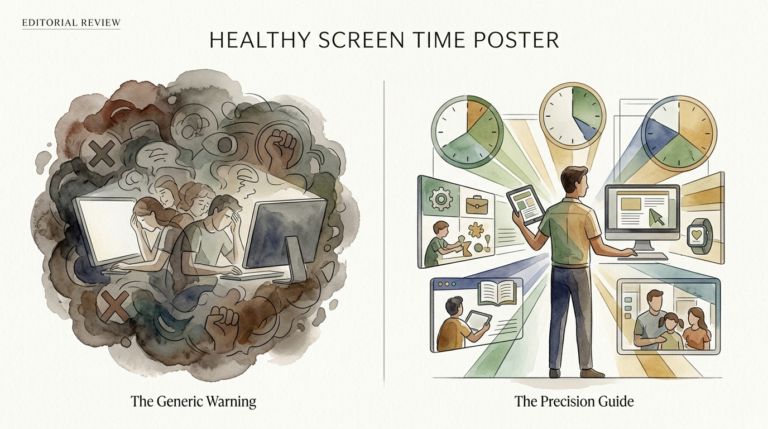
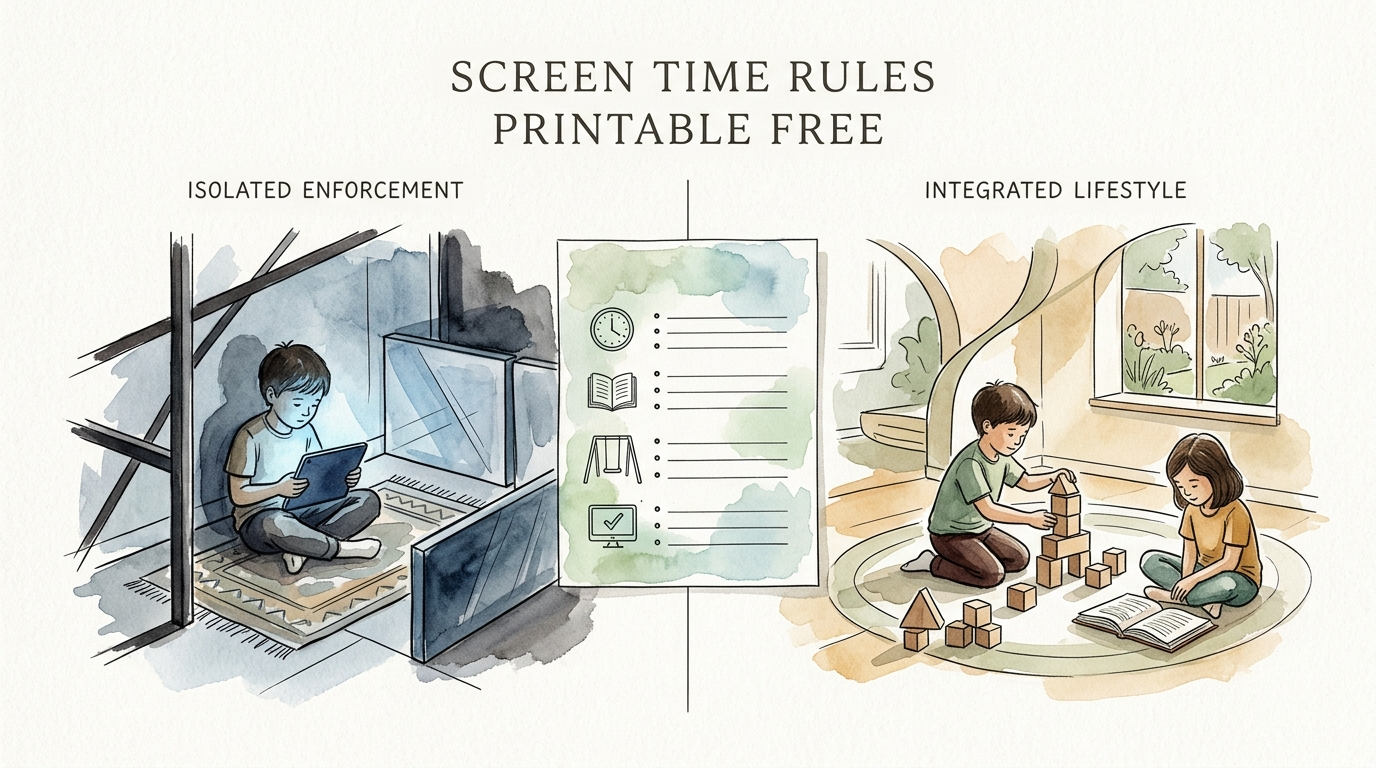
When most parents think about screen time, they envision a battleground. They picture timers, power struggles, and the constant “just five more minutes.” This approach is what we call Isolated Enforcement—treating screens as a separate, often negative, entity that must be strictly policed. The problem is that policing doesn’t teach skills. It only breeds resentment and clever ways to hide device use.
Integrating a digital lifestyle is different. It’s about teaching your children that technology is a tool, a treat, and a responsibility all at once. It’s about building a home where screens have a place, but not the only place. This guide will show you how to use a **screen time rules printable free** as the cornerstone of this integrated approach.
screen time rules printable free
A screen time rules printable free is a visual roadmap designed to help families navigate the complexities of digital life. It is not just a list of “thou shalt nots.” Instead, it is a physical anchor that defines how, when, and why your family interacts with screens. In real-world terms, it serves as a neutral “third party.” When a child asks for a tablet, you don’t have to be the “bad guy.” You simply point to the chart that you both agreed on.
These printables exist to reduce cognitive load for parents. Instead of making a million tiny decisions every day—”Can I play Minecraft now?” “Can I watch YouTube after lunch?”—the rules are already established. They are commonly used in high-activity households where transitions between school, chores, and play need to be seamless. Think of it like a sports playbook. Without it, the team is just running in circles; with it, everyone knows their position and the goals of the game.
How to Design an Integrated Tech System
Building a digital lifestyle starts with the right framework. You aren’t just printing a sheet of paper; you are designing a system. Effective systems rely on three pillars: predictability, involvement, and balance.
To start, host a family meeting. Do not come to the table with a completed list. Instead, bring a blank **screen time rules printable free** template and ask your children what they think is fair. Kids are far more likely to respect boundaries they helped build. Discuss what “quality content” looks like—learning a new hobby on YouTube is different from mindless scrolling on TikTok.
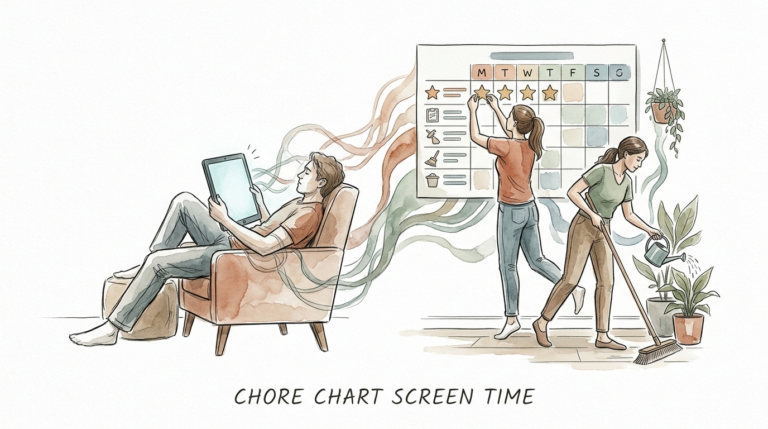
Next, define the “Pre-Screen Checklist.” This is a list of non-negotiables that must happen before any device is turned on. Common items include:
- Beds made and room tidied.
- Homework or reading completed.
- At least 30 minutes of physical activity or “touching grass.”
- One helpful task for the household (emptying the dishwasher, feeding the pet).
Finally, establish tech-free zones and times. For most families, mealtimes and bedrooms are strictly off-limits for devices. This isn’t about punishment; it’s about protecting sleep and face-to-face connection.
Benefits of a Visual Rule System
The primary advantage of a physical printable is that it externalizes the authority. When rules are verbal, they feel arbitrary to a child. When they are printed and posted on the fridge, they become part of the house’s “operating system.”
Practical benefits include:
- Reduced Power Struggles: Transitions are easier because the child knows exactly when the time is up.
- Increased Autonomy: Children learn to manage their own schedules by checking off their “pre-screen” tasks without being nagged.
- Modeling Consistency: If the printable says “No phones at the table,” it applies to parents too. This builds immense trust and credibility.
- Clarity: It eliminates the “But you said…” arguments. The rules are right there in black and white.
Common Mistakes to Avoid
Many parents download a **screen time rules printable free**, stick it on the wall, and wonder why it fails after three days. The most common error is the “Negotiation Trap.” If you allow your child to argue for “five more minutes” every time, the printable loses its authority. You are no longer following a system; you are negotiating a hostage crisis.
Another frequent mistake is “Isolated Enforcement.” This happens when parents use screens as a primary tool for rewards and punishments. While it’s tempting to take away the iPad for a bad grade, this can turn the device into a forbidden fruit, increasing its psychological allure. Instead, focus on the “Integrated Lifestyle” approach where tech access is a natural byproduct of a balanced day.
Finally, avoid the “Set it and Forget it” mindset. Your family’s needs will change. A system that works for a 7-year-old will not work for a 13-year-old. Review and update your printable every few months to keep it relevant.
Limitations of Printables
A sheet of paper cannot parent for you. It is a tool, not a solution. If the home environment is high-stress or if there is a lack of connection between parent and child, no amount of “checklists” will solve screen addiction.
Environmental factors also play a role. If a child’s peer group is entirely online, strict time limits may lead to social isolation. In these cases, the printable needs to be flexible enough to allow for social connection while still maintaining boundaries on mindless consumption. Additionally, for children with neurodivergent needs, such as ADHD, visual charts are helpful but may require more hands-on support and timers to help with “time blindness.”
Comparison: Traditional vs. Integrated Rules
| Feature | Isolated Enforcement | Integrated Lifestyle |
|---|---|---|
| Primary Goal | Control and restriction. | Education and balance. |
| Authority | Parent as “Police.” | The System/Contract. |
| View of Tech | A distraction or enemy. | A tool for growth and fun. |
| Sustainability | Low (leads to burnout). | High (becomes a habit). |
Practical Tips for Implementation
Start small. Don’t try to overhaul your entire digital life in one afternoon. Begin by implementing a single “Tech-Free Zone,” like the dinner table, for one week. Once that feels natural, introduce the **screen time rules printable free** and the pre-screen checklist.
Use “Grandma’s Rule” (Premack Principle): “First eat your vegetables, then you can have dessert.” Apply this to tech. “First finish your reading, then you can play Roblox.” This simple phrasing shifts the focus from “No” to “When.”
Another best practice is the “Five-Minute Warning.” Because of the way digital media affects the brain’s dopamine levels, a sudden “Turn it off now!” can trigger a fight-or-flight response. A gentle five-minute and two-minute warning allows the child’s brain to prepare for the transition.
Advanced Considerations: Digital Nutrition
For those looking to go deeper, move beyond quantity (how long they watch) and focus on “Digital Nutrition” (what they watch). Not all screen time is created equal.
Categorize screen use into three groups:
- Passive Consumption: Scrolling TikTok, watching mindless YouTube unboxing videos. (Limit strictly)
- Interactive/Learning: Educational games, coding, or watching tutorials to learn a real-world skill like drawing. (Moderate limits)
- Creative Production: Making digital art, editing videos, or writing music. (High flexibility)
By allowing more time for “Creative Production” and less for “Passive Consumption,” you teach your children to be creators rather than just consumers.
Scenario: The Saturday Morning Transition
Imagine it’s Saturday morning. In an “Isolated Enforcement” house, the child wakes up, grabs the iPad, and hides under the covers. Two hours later, the parent realizes what’s happening, rips the iPad away, and a meltdown ensues. The day starts with anger and guilt.
In an “Integrated Lifestyle” house, the child knows the Saturday rules. They see the **screen time rules printable free** on the fridge. They know that before they can ask for the iPad, they must:
- Eat breakfast.
- Get dressed.
- Put their pajamas in the hamper.
The child does these things autonomously because they want the reward. When they finally ask for the device, the parent says, “Great job getting ready! You have 90 minutes. Set the timer.” When the timer goes off, the child has already mentally prepared for the next activity on the schedule.
Final Thoughts
Integrating a digital lifestyle is a journey, not a destination. A **screen time rules printable free** is your map, but you are the driver. By moving away from a culture of constant policing and toward a culture of shared responsibility, you help your children develop the self-regulation skills they will need for the rest of their lives.
Remember that consistency is more important than perfection. There will be days when the rules fall apart—long car rides, sick days, or high-stress weeks. That’s okay. The beauty of a structured system is that it’s always there to return to when things settle down.
Encourage your family to experiment. If a rule isn’t working, talk about why. By making tech boundaries a collaborative process, you turn a potential source of conflict into an opportunity for growth and connection. Start today, print your chart, and watch your family’s rhythm shift for the better.
Sources
1 wolfandshorelaw.com | 2 facebook.com | 3 coffeepancakesanddreams.com | 4 kidshubms.com | 5 protectyoungeyes.com | 6 mimosasandmotherhood.com | 7 myhspediatrics.com | 8 gettingsmart.com | 9 aacap.org | 10 aacap.org | 11 youtube.com | 12 childmind.org | 13 cacfp.org