
children digital detox
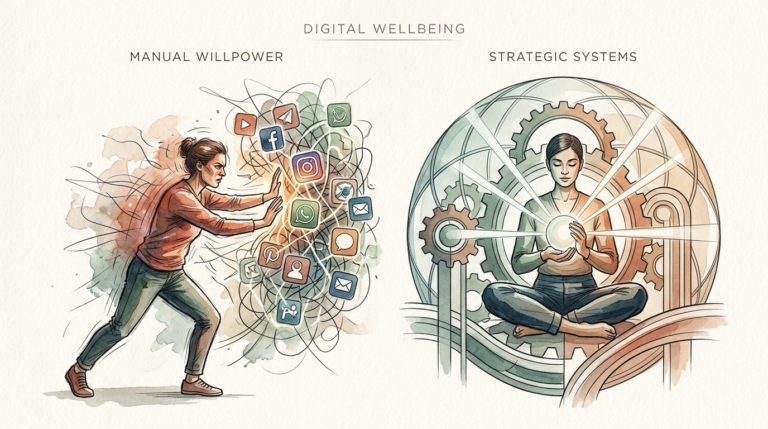
Swap the dopamine of pixels for the satisfaction of the earth. Our kids are overstimulated by synthetic environments. A digital detox isn’t a punishment; it’s a recalibration to the natural world where focus and creativity can finally breathe.
Modern childhood has moved from the backyard to the backlit screen. Parents today are witnessing a massive shift in how the next generation interacts with the world, and many are feeling the strain of “technostress.” The data is clear: kids are becoming fluent in technology before they can even read. Recent research suggests that up to 60% of children started using mobile devices before they mastered their ABCs. This rapid adoption isn’t just a matter of convenience; it is changing the very architecture of their developing brains.
Choosing a digital detox for your family means choosing to hit the reset button on high-frequency stimulation. It allows the nervous system to settle and refocus on “green time” instead of “screen time.” This guide provides the practical, science-backed framework you need to navigate this transition without the typical power struggles. You will learn how to transition from the hollow rewards of synthetic stimuli to the lasting satisfaction found in the natural world.
children digital detox
A children digital detox is a deliberate, structured period where kids step away from digital devices like smartphones, tablets, gaming consoles, and computers. It is not a permanent ban on technology, but rather a temporary withdrawal designed to break the cycle of compulsive use and dopamine-seeking behavior. Think of it as a metabolic reset for the mind. When children are constantly exposed to the rapid-fire rewards of social media or video games, their baseline for stimulation rises, making real-life activities like reading or playing outdoors seem “boring” by comparison.
Real-world urgency for these interventions is reaching a fever pitch. In late 2024, Australia moved to prohibit children under 16 from using various social media platforms to protect them during critical developmental stages. Meanwhile, U.S. Surgeon General advisories have warned that the current level of digital engagement poses significant risks to youth mental health. Statistics from 2024 and 2025 show that the average teenager now spends between 7 and 9 hours a day on screens, with many toddlers logging over an hour of media use daily before the age of two. A detox provides the necessary circuit breaker to these trends.
This process is used in households to improve sleep, reduce irritability, and restore a child’s ability to focus on single tasks. It is an act of reclaiming the family dinner table and the quiet moments of the afternoon. Instead of scrolling through an infinite feed, a child in a detox phase might rediscover the tactile joy of building with blocks, the physical exertion of a bike ride, or the slow-burning satisfaction of finishing a book. It is about moving from being a passive consumer of content to an active participant in reality.
How to Implement a Children’s Digital Detox
Success requires a strategy that goes beyond simply hiding the iPad. You must approach the detox with a blend of clear boundaries and supportive alternatives. Jumping in without a plan often leads to immediate resistance and emotional meltdowns, which can discourage parents from continuing the effort. Use these steps to build a sustainable path forward.
1. Define the Parameters Early
Sit down with your family and explain the “why” before the “how.” Use the concept of recalibration rather than punishment. Decide whether you are doing a full 48-hour “blackout” weekend, a week-long reduction, or a permanent change to tech-free zones. Setting a specific end date for the initial intensive phase helps children visualize the goal and reduces the feeling of loss. Establish “no-tech” areas like the dining room and bedrooms as non-negotiable foundations.
2. Replace the Stimulation Gap
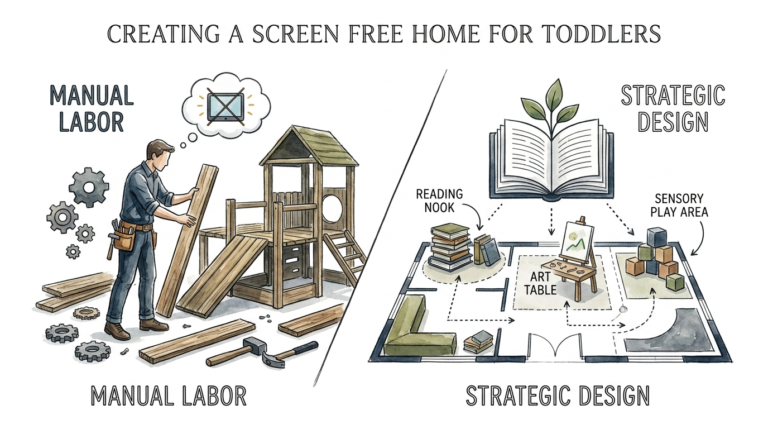
The most common reason a detox fails is “stimulation vacuum.” When you remove the high-dopamine pixels, you must provide engaging “analog” alternatives. This is where the movement of Analog Wellness comes in. Stock up on board games, art supplies, or outdoor gear. Plan a “Walk in the Park” or a gardening project. Research shows that nature recharges the brain’s “directed attention” much more effectively than indoor rest. Having a list of specific, fun activities ready prevents the inevitable “I’m bored” complaints from turning back into screen time requests.
3. Manage Notifications and Access
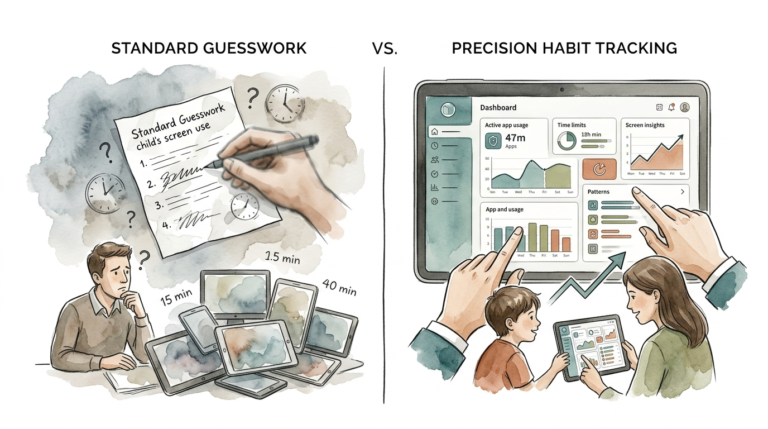
Physical barriers are often more effective than willpower. Use parental control apps to set hard limits, but also physically remove devices from sight. For older children and teens, encourage them to turn off all non-essential push notifications. This teaches them to use their devices intentionally rather than reacting to every buzz and ping. If the phone is the alarm clock, buy a traditional battery-operated clock so the device can stay in a different room overnight.
4. Lead by Example
Parents must be the first ones to put down their phones. Children are highly attuned to hypocrisy; if you are lecturing them about screen time while scrolling through your own feed, the message is lost. Commit to the same detox rules you set for your kids. This shared experience fosters a sense of solidarity and allows you to model healthy digital habits. Use the extra time to engage in face-to-face conversation, showing your child that they have your undivided attention.
The Science-Backed Benefits of Unplugging
The rewards of a digital detox are both immediate and long-term. Recent studies, including a 2026 trial published in PNAS Nexus, showed that participants who reduced their screen time by half reported significant boosts in attention span and overall well-being. For children, the benefits are even more profound because their brains are still in the process of “pruning” neural connections and building myelination paths.
Improved Sleep Quality: One of the fastest benefits to emerge is better rest. Blue light from screens suppresses melatonin, the hormone responsible for sleep. By removing screens at least two hours before bed, you allow your child’s natural circadian rhythm to take over. This lead to deeper REM sleep, which is essential for memory consolidation and emotional regulation. Kids who sleep better are less irritable and perform better in school.
Restoration of Focus: Constant digital interruptions deplete “directed attention.” A detox allows the prefrontal cortex to recover. Studies have shown that even a short walk in nature can provide cognitive benefits equivalent to a dose of ADHD medication for some children. This “Attention Restoration Theory” suggests that natural environments allow the brain to rest and refocus, leading to better academic performance and problem-solving skills.
Stronger Emotional Intelligence: Face-to-face interaction is the only way to learn the nuances of body language, tone of voice, and empathy. Excessive screen time often leads to “impoverished” social stimulation. When kids unplug, they are forced to navigate real-world social cues. This reduces symptoms of anxiety and depression while increasing “prosocial” behaviors like kindness and cooperation. They learn to handle the “awkward moments” that digital communication allows them to avoid.
Common Pitfalls and Parental Mistakes
Even with the best intentions, parents often fall into traps that sabotage the detox process. Understanding these pitfalls can help you stay the course when things get difficult. The transition from pixels to earth is rarely a smooth line; it is a series of adjustments.
The “Head-On Attack” Approach: Treating technology as the enemy often drives children to become more secretive or defensive. If you frame the detox as a “war on screens,” you invite a power struggle. Instead, frame it as a “wellness experiment.” Avoid demonizing their favorite games or apps, as these are often central to their social identity. Focus on what you are adding to their lives (adventure, nature, connection) rather than just what you are taking away.
Using Screens as a Bargaining Chip: Many parents use screen time as a reward for chores or good grades. While effective in the short term, this reinforces the idea that digital stimulation is the “ultimate prize.” It elevates the status of the device in the child’s mind. A successful detox attempts to neutralize the device, turning it back into a tool rather than a high-value currency. Try rewarding kids with experiences, like a trip to the zoo or a late-night stargazing session, instead.
Inconsistency: If you set a rule but break it whenever you are tired or busy, the child learns that the boundaries are negotiable. The “convenience conundrum” is real; it is often easier to give a fussy child a tablet than to engage them in a difficult moment. However, these “quieting” tactics often lead to more irritability later. Staying consistent, especially during the first few days of withdrawal, is crucial for long-term habit change.
Limitations: When a Total Detox Isn’t Ideal
While the benefits are significant, a total, permanent digital ban is rarely practical or even desirable in the modern world. Technology is an essential tool for education, social connection, and future career readiness. Recognizing the limitations of a detox helps you create a balanced long-term strategy rather than an unsustainable lifestyle.
In the post-pandemic era, many schools have integrated digital platforms into their core curriculum. Expecting a child to be “off-grid” during the school week can lead to academic setbacks or social isolation from their peer groups. For teenagers, social media often acts as a “lifeline” for community and identity. A total detox that ignores these realities can cause genuine distress and FOMO (Fear Of Missing Out), which may outweigh the cognitive benefits of unplugging.
Environmental constraints also play a role. Families living in high-density urban areas without easy access to safe green spaces may find it harder to replace “screen time” with “green time.” In these cases, the “satisfaction of the earth” may be harder to find, requiring parents to be more creative with indoor analog activities. A “partial detox”—where specific high-dopamine apps are removed while educational tools remain—is often a more realistic approach for the modern family.
Synthetic Stimuli vs. Natural Satisfaction
The core struggle of the digital age is the competition between the rapid-fire rewards of technology and the slow, deep satisfaction of the natural world. Understanding the differences between these two types of stimuli can help you explain the “why” to your children and stay motivated during the detox process.
| Feature | Synthetic Stimuli (Pixels) | Natural Satisfaction (Earth) |
|---|---|---|
| Reward Speed | Instant (likes, level-ups, scrolls) | Delayed (growing a plant, building a fort) |
| Attention Type | Passive / Captured (low effort) | Active / Restorative (sustained focus) |
| Dopamine Impact | Spiking (leads to crashes and cravings) | Steady (leads to lasting contentment) |
| Physical Impact | Sedentary / Eye strain | Active / Sensory-rich |
| Brain State | Overstimulated / Stressed | Calm / Creative / “Biophilia” |
The table above illustrates why kids often prefer screens—they are designed to hijack the brain’s reward system with minimal effort. However, the “biophilia” hypothesis suggests that humans have an innate, biological need to connect with nature. While pixels offer a quick fix, they often leave kids feeling “hollow.” The “earth” options require more initial effort but provide the emotional resilience and depth that children need to thrive.
Practical Best Practices for Long-Term Balance
Once the initial detox phase is complete, the goal shifts to maintaining a healthy relationship with technology. You want to move from “detox” to “digital wellness.” These best practices help ensure that the benefits of your recalibration stick for the long haul.
- Establish “Tech-Free Transitions”: Use the first hour after waking up and the last two hours before bed as sacred non-digital times. This protects the brain’s most sensitive states from overstimulation.
- Implement the 20-20-20 Rule: For every 20 minutes of screen use, have your child look at something 20 feet away for at least 20 seconds. This reduces digital eye strain and forces a mental reset.
- Curate “High-Quality” Digital Content: Not all screen time is equal. Encourage creative apps (coding, music production, digital art) over passive consumption (scrolling TikTok or YouTube).
- Schedule Regular “Micro-Detoxes”: Make “Screen-Free Sundays” or “Unplugged Afternoons” a regular part of your weekly family rhythm.
- Foster Boredom: Resist the urge to entertain your child the moment they are idle. Boredom is the psychological space where imagination and internal motivation are born.
Applying these techniques immediately can prevent the gradual “creep” of screen time back into every corner of your lives. It is about creating a home environment where screens are a deliberate choice, not a default setting. Optimization of your home layout—such as keeping chargers in a central “tech basket” rather than in bedrooms—is one of the most effective ways to maintain these habits.
Advanced Considerations for Digital Wellness
For parents who want to go deeper, consider the neurobiological concept of “impoverished environments.” High-frequency digital media provides intense visual and auditory stimulation but lacks the tactile, olfactory, and proprioceptive (body position) inputs that the developing brain craves. Advanced practitioners of digital wellness focus on “multi-sensory” play as the ultimate antidote to digital saturation.
Research from Osaka University suggests that outdoor play can actually mitigate some of the neurodevelopmental risks associated with high screen time in early childhood. This means that if technology is unavoidable, increasing “green time” can serve as a protective buffer. Serious practitioners should also look into the “Analog Wellness” movement, which emphasizes journaling, sketching, and manual crafts as a way to build “eudaimonic” well-being—a deeper sense of purpose and personal growth that goes beyond simple pleasure.
Scaling these considerations to your child’s age is essential. A toddler needs a near-total avoidance of screens to allow for basic language and social development. A teenager needs a more collaborative approach that focuses on “digital literacy” and understanding how algorithms are designed to capture their attention. Moving from a top-down rule-maker to a coach and mentor is the ultimate goal for parents of older children.
Real-World Scenarios and Success Stories
Consider the story of an eight-year-old named Tyler. Tyler was once obsessed with elaborate LEGO designs, spending hours building complex cities. Over a year, he transitioned into spending nearly all his free time on a tablet, playing fast-paced games. His parents noticed he became irritable when asked to stop, suffered from frequent headaches, and had “one-word” conversations. He had lost his spark for creative building.
The family decided on a 7-day digital detox. The first 48 hours were difficult; Tyler was restless, “cranky,” and repeatedly asked for his device. However, by day three, the “recalibration” began. Without the easy dopamine of the screen, Tyler returned to his LEGO bin. He spent the afternoon building a “spaceship” out of a cardboard box and his old blocks. By the end of the week, his sleep had improved, and he was more engaged at the dinner table. His parents didn’t ban the tablet forever, but they established a “LEGO-first” rule and kept the device out of his bedroom.
Another scenario involves a family dinner that had become a “silent affair” with everyone staring at separate screens. By implementing a “tech basket” at the front door, the family forced a return to face-to-face conversation. At first, the silence was awkward. But within a week, the family was sharing stories about their day and laughing together again. These small shifts demonstrate that the “digital detox” isn’t about losing something; it’s about reclaiming the very things that make us human.
Final Thoughts
The digital world is not going away, but our children’s developmental window is finite. A children digital detox is a powerful tool to ensure that technology serves your family rather than the other way around. By stepping away from the synthetic glow, you allow your child to reconnect with their internal rhythm and the rich, sensory world of nature. This recalibration is the foundation for a lifetime of focus, creativity, and emotional health.
The satisfaction of the earth—the feel of dirt in the garden, the wind on a bike ride, or the quiet of a shared walk—provides a depth of contentment that pixels can never replicate. Start small if you must, but start now. Every hour you reclaim from a screen is an hour your child spends building the neural pathways for a resilient and focused future. Encourage them to experiment with the world around them, and you may find that the satisfaction of the earth is exactly what your family has been missing.
If you found this guide helpful, consider exploring related concepts like “biophilia” in home design or the “Attention Restoration Theory” to further deepen your family’s wellness journey. The path to digital balance is a marathon, not a sprint, and every step toward the natural world is a win for your child’s developing mind.
Sources
1 brighthorizons.com | 2 childmind.org | 3 hellowellbe.com | 4 nih.gov | 5 stonespringspediatrics.com | 6 childrenandscreens.org | 7 mmguardian.com | 8 childrenshospital.org | 9 childrenshospital.org | 10 connecticutchildrens.org | 11 futurereadyminds.com | 12 naturescoutscollective.com | 13 exonpublications.com | 14 harvard.edu | 15 harvard.edu | 16 wellspringprevention.org | 17 littlecedars.co.uk | 18 neurosciencenews.com