screen free family traditions ideas
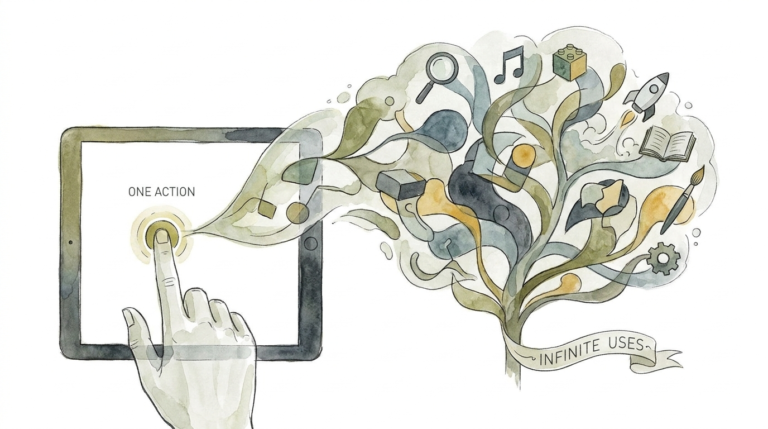
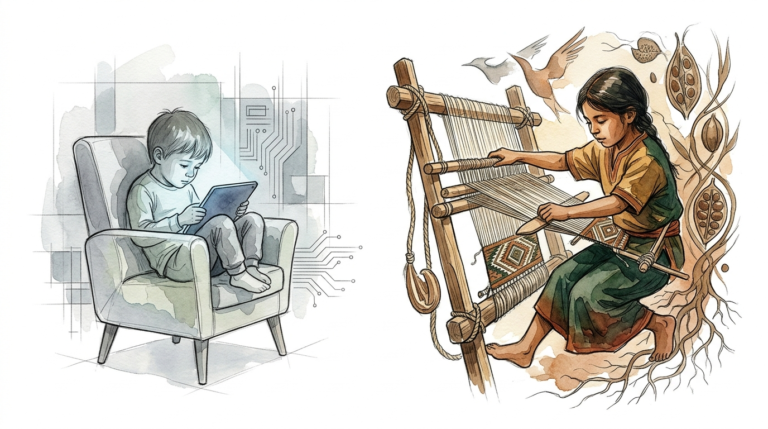
Trade the ‘new’ for something that lasts generations. Modern life pushes us toward individualized entertainment. Ancestral wisdom reminds us that we thrive in the tribe. Build a screen-free tradition that your children will want to pass on to their children.
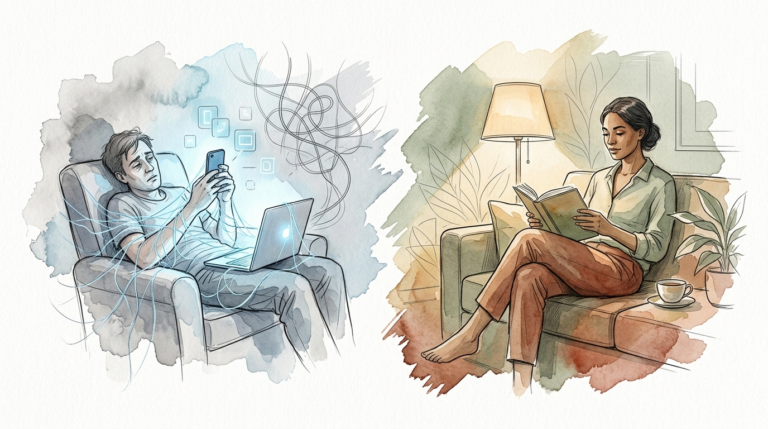
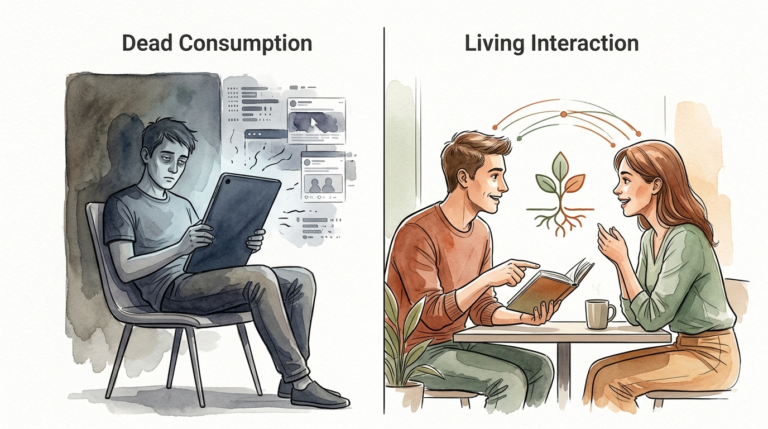
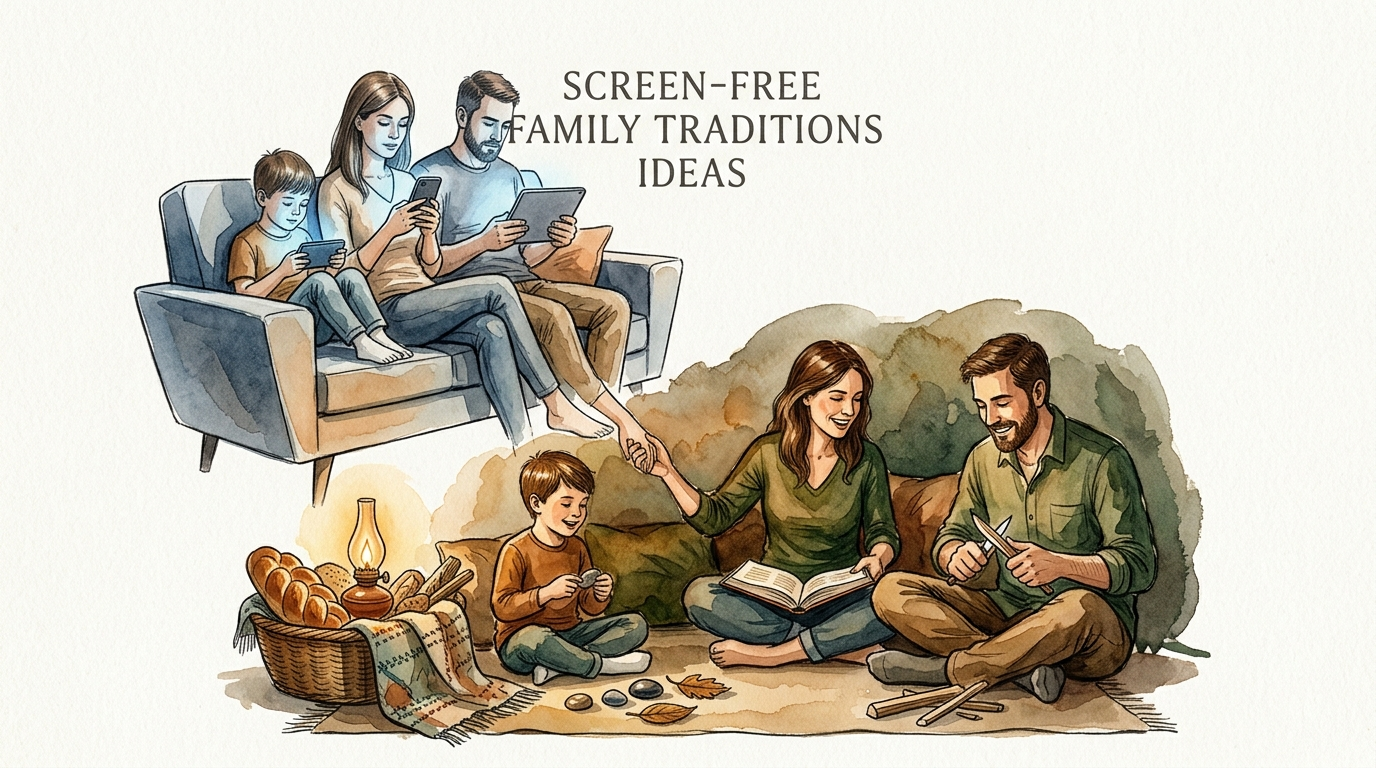
Every notification is a micro-interruption to your family’s rhythm. We live in an age where family members can sit in the same room yet inhabit completely different digital universes. This fragmentation of the home leads to what psychologists call “technostress,” where the very devices meant to connect us actually increase our sense of isolation.
Reclaiming your family culture isn’t about becoming a luddite. It is about being intentional. When you trade a scrolling session for a shared ritual, you aren’t just “killing time”—you are building a foundation of security and identity for your children. These traditions act as the glue that holds the family together when the outside world feels chaotic.
Stepping away from the digital glow allows for eye contact, shared laughter, and the kind of deep, unfiltered conversations that simply don’t happen over a text thread. This guide will show you how to move from digital isolation to ancestral connection through practical, actionable traditions.
screen free family traditions ideas
Screen-free traditions are intentional, recurring activities that prioritize face-to-face interaction and physical engagement over passive consumption. Unlike routines, which are tasks we do to keep life moving, traditions are rituals infused with meaning and shared values. They exist to reinforce the idea that “this is who we are” as a family.
In the real world, these ideas function as a digital detox that reduces cortisol levels and increases dopamine through genuine social bonding. They can range from daily micro-habits to massive annual events. Here are several categories of screen-free family traditions ideas to spark your imagination:
The Culinary Connection
Food has been the center of human gathering for millennia. Modern life has turned eating into a fast-paced chore, but you can reclaim it. Consider a “Friday Night Feast” where no one eats until the table is fully set and phones are in a literal basket in another room. Another popular idea is “Knead and Need,” a Sunday morning bread-baking session where the physical act of working dough provides a meditative space for family members to talk about what they need from each other in the coming week.
Ancestral Storytelling
Before screens, there were fireside tales. You can recreate this through a “Family History Hour.” Once a month, tell stories about ancestors, great-grandparents, or even your own childhood mishaps. This gives children a sense of belonging to a timeline larger than their own. Research shows that children who know more about their family history have higher levels of resilience and self-esteem.
The Outdoor Rite
Nature is the original “wide-angle lens.” “First Saturday Hikes” or “Full Moon Walks” turn the changing seasons into a family calendar. These traditions encourage “active noticing”—pointing out the first buds of spring or the specific constellations in the winter sky. This shifts the focus from a small, glowing rectangle to the vast, living world.
Creative Collaborative Projects
Build something that outlasts the afternoon. A “Family Mural” on a roll of butcher paper or a “Legacy Scrapbook” where everyone contributes a handwritten note or a physical memento once a week creates a tangible record of your lives. These projects foster a sense of collective accomplishment that a high score in a video game simply cannot match.
How to Transition to Screen-Free Rituals
Moving from a high-tech household to one rooted in tradition requires a strategic approach. You cannot simply pull the plug and expect everyone to be happy. Instead, you must build a bridge from the digital world to the physical one through clear phases and shared buy-in.
Step 1: The Collective Agreement
Sit down as a family and discuss the “why” before the “how.” Explain that you want to feel more connected and less distracted. Avoid making it feel like a punishment. Ask each family member to suggest one activity they’ve always wanted to try but “didn’t have time for.” This gives everyone skin in the game.
Step 2: Define the “Holy Ground”
Identify specific zones and times where screens are strictly forbidden. Common “screen-free zones” include the dining table, the car during short trips, and all bedrooms. By designating these areas as sacred spaces for conversation, you naturally lower the barrier to starting a new tradition.
Step 3: Ritualize the Start and End
A tradition needs a clear signal. For a weekly game night, this might be lighting a specific candle or playing a specific song. For an outdoor tradition, it might be the “packing of the gear.” These signals tell the brain to switch from “distraction mode” to “connection mode.”
Step 4: Audit and Adjust
Not every tradition will stick. If “Board Game Tuesday” feels like a chore after three weeks, pivot. The goal is joy and connection, not rigid adherence to a schedule. Ask for feedback: “Did we like the hike, or would we rather do a backyard bonfire next time?”
The Practical Benefits of Unplugging
The advantages of establishing screen-free traditions extend far beyond just “having fun.” They impact the neurological and emotional health of every family member, from toddlers to grandparents.
Cognitive Development: Screen-free play, especially the kind involving tactile materials or outdoor exploration, builds neural pathways that passive viewing does not. It improves attention spans, encourages problem-solving, and fosters creative thinking.
Emotional Intelligence: Face-to-face interaction is the only way children learn to read non-verbal cues. Traditions that involve conversation or collaborative work help family members develop empathy and learn how to navigate conflict in real-time without the “shield” of a screen.
Reduced Anxiety: The constant stream of notifications keeps our nervous systems in a state of “high alert.” Screen-free traditions create a predictable, calm environment. Knowing that “on Sunday, we hike” provides a sense of security and rhythm that helps children (and adults) regulate their emotions.
Physical Health: Most screen-free traditions naturally involve more movement. Whether it’s gardening, dancing, or walking, these rituals help combat the sedentary lifestyle that often accompanies heavy device use. Even indoor traditions like cooking involve standing and manual dexterity that benefit physical well-being.
Challenges and Common Pitfalls
Implementing these changes is rarely a smooth process. You will face resistance, boredom, and the “pull” of the digital world. Understanding these pitfalls ahead of time allows you to navigate them without giving up.
Parental Hypocrisy: This is the number one killer of family traditions. If you demand your children put away their tablets while you “quickly check an email,” the tradition will lose its integrity. You must be the lead participant in the screen-free movement.
The “Cold Turkey” Trap: Attempting to go from 6 hours of screen time to zero overnight is a recipe for disaster. This often leads to intense “boredom withdrawal” which can cause arguments. Easing into it with “Half-Tech Tuesdays” or “Screen-Free Meals” is often more sustainable.
Lack of Preparation: If you announce a screen-free afternoon but have no plan, the family will likely end up sitting in silence staring at each other. Always have the “analog alternative” ready. If it’s game night, have the board games set out. If it’s a gardening day, have the tools gathered.
Over-Scheduling: A tradition shouldn’t feel like another item on a frantic to-do list. If a tradition becomes a source of stress rather than a source of connection, it is failing its purpose. Keep things simple and flexible.
Limitations and Realistic Constraints
While the goal is to maximize screen-free time, we must acknowledge the realities of the 21st century. Technology is not the enemy; it is a tool that requires boundaries.
Professional Requirements: Many parents have jobs that require they be “on call” or check communications after hours. In these cases, the “tradition” might need to include a designated 15-minute window for the parent to handle work, followed by a total shutdown. Transparency with the family is key here.
Safety and Emergencies: Carrying a phone on a hike for GPS and emergency calls is a practical necessity. The “screen-free” aspect applies to entertainment and social media, not essential utility. Use “Do Not Disturb” modes to ensure only emergency calls get through.
Educational Needs: Homework often requires a computer. It is important to differentiate between “educational screen use” and “recreational screen use.” Traditions should ideally focus on replacing the latter, not making life harder by banning necessary school tools.
Comparison: Routine vs. Ritual
Understanding the difference between a routine and a ritual is essential for creating lasting traditions. Use the following table to evaluate your current family activities.
| Feature | Routine (The Task) | Ritual (The Tradition) |
|---|---|---|
| Primary Focus | Efficiency and Completion | Connection and Meaning |
| Outcome | A clean house/full stomach | A sense of belonging |
| Emotional Tone | Neutral or functional | Intentional and warm |
| Digital Presence | Often done while distracted | Explicitly screen-free |
Practical Tips for Immediate Application
Starting a new tradition doesn’t have to be a monumental effort. You can begin tonight with these simple, actionable steps.
- The Phone Basket: Place a decorative basket by the front door. Every family member drops their phone in it the moment they get home. It doesn’t come out until after the “tradition” or dinner is finished.
- Analog Morning: Try the “first hour” rule. No screens for the first hour of the day. Use that time for a shared breakfast or a quick family walk before the chaos begins.
- Shared Reading: Choose a book that appeals to all ages and read one chapter out loud every night before bed. This is a classic screen-free tradition that builds vocabulary and creates a shared world of imagination.
- The “Gratitude Jar”: Keep a jar and a stack of small papers in the center of the table. Once a day, everyone writes down one good thing that happened and puts it in the jar. Read them all together on Sunday evenings.
- Skill-Sharing: Once a week, let a family member “teach” the others a non-digital skill. It could be anything from tying knots to sketching a tree or shuffling a deck of cards.
Advanced Considerations: Building a Family Legacy
For those who want to take screen-free traditions to the next level, focus on “legacy building.” This involves activities that create lasting physical or cultural artifacts for the family.
The Multi-Generational Garden: Planting a garden isn’t just about food; it’s about stewardship. Teaching children how to save seeds from one year to the next creates a cycle of life that they can eventually pass to their own children. This is a powerful antidote to the “disposable” nature of digital content.
The Hand-Written Archive: In an age of emails and texts, a handwritten letter is a treasure. Start a tradition of “Birthday Letters,” where every family member writes a one-page letter to the person celebrating. Store these in a physical box. Over decades, this becomes an priceless history of the family’s love and evolution.
Apprenticeship Rituals: As children get older, transition your screen-free time toward “apprenticeship.” This might mean father and son working on a vintage car, or mother and daughter learning the complexities of traditional quilting. These shared projects build “deep work” capabilities and respect for craft.
Examples and Scenarios
Let’s look at how a simple shift in tradition can transform a standard evening. Imagine a family that usually spends Friday night in separate rooms—one on a console, one on a laptop, and one scrolling social media.
Scenario: The Backyard Firepit
Instead of the usual routine, the family decides to start a “Fire and Folk” tradition. They spend 20 minutes gathering wood and prepping the firepit (Physical activity). They sit around the fire without phones (No notifications). Because there is no screen to watch, they begin to notice the sound of the crickets and the smell of the woodsmoke (Sensory grounding). One parent tells a story about a camping trip from their youth (Storytelling). The teenager, usually quiet, starts asking questions about the “old days” (Connection). They roast marshmallows and work together to safely extinguish the fire (Collaboration). They head to bed with lower heart rates and a shared memory that costs zero dollars but provides immense emotional value.
Scenario: The Rainy Day Puzzle
On a rainy Saturday, the family usually defaults to a movie marathon. Instead, they clear the dining table and open a 1,000-piece puzzle. Over several hours, family members drift in and out of the project. Conversation is light and pressure-free. They are working toward a common goal. When the final piece is placed, there is a collective cheer. They didn’t just “watch” a story; they participated in a shared experience of patience and persistence.
Final Thoughts
Building screen-free traditions is an act of rebellion against a world that wants your attention elsewhere. It is a declaration that the people in your home are more important than the people on your screen. These rituals don’t have to be perfect; they just have to be yours.
Start with one small change this week. Whether it is a dedicated game night, a walk under the stars, or a phone-free breakfast, you will quickly notice a shift in the atmosphere of your home. The silence that initially feels awkward will soon be filled with the sounds of a family that actually knows one another.
Experiment with different ideas and see what resonates. Some traditions will fade, and others will become the legends your grandchildren tell. By choosing to unplug, you are choosing to be present for the moments that actually matter. Your family’s legacy isn’t written in data; it is written in the time you spend together, face to face.
Sources
1 emeraldartstudio.com | 2 wilkinsonwellnesslab.com | 3 samgoldstein.com | 4 verizon.com | 5 peakvista.org | 6 bestlifenj.com | 7 sparklestories.com | 8 sparklestories.com | 9 littlecedars.co.uk | 10 welloclock.com | 11 psychologytoday.com | 12 digitalparenthood.com | 13 digitalparenthood.com | 14 digitalparenthood.com | 15 psychologytoday.com | 16 screenfree.org | 17 screenfree.org | 18 substack.com