family bonding activities
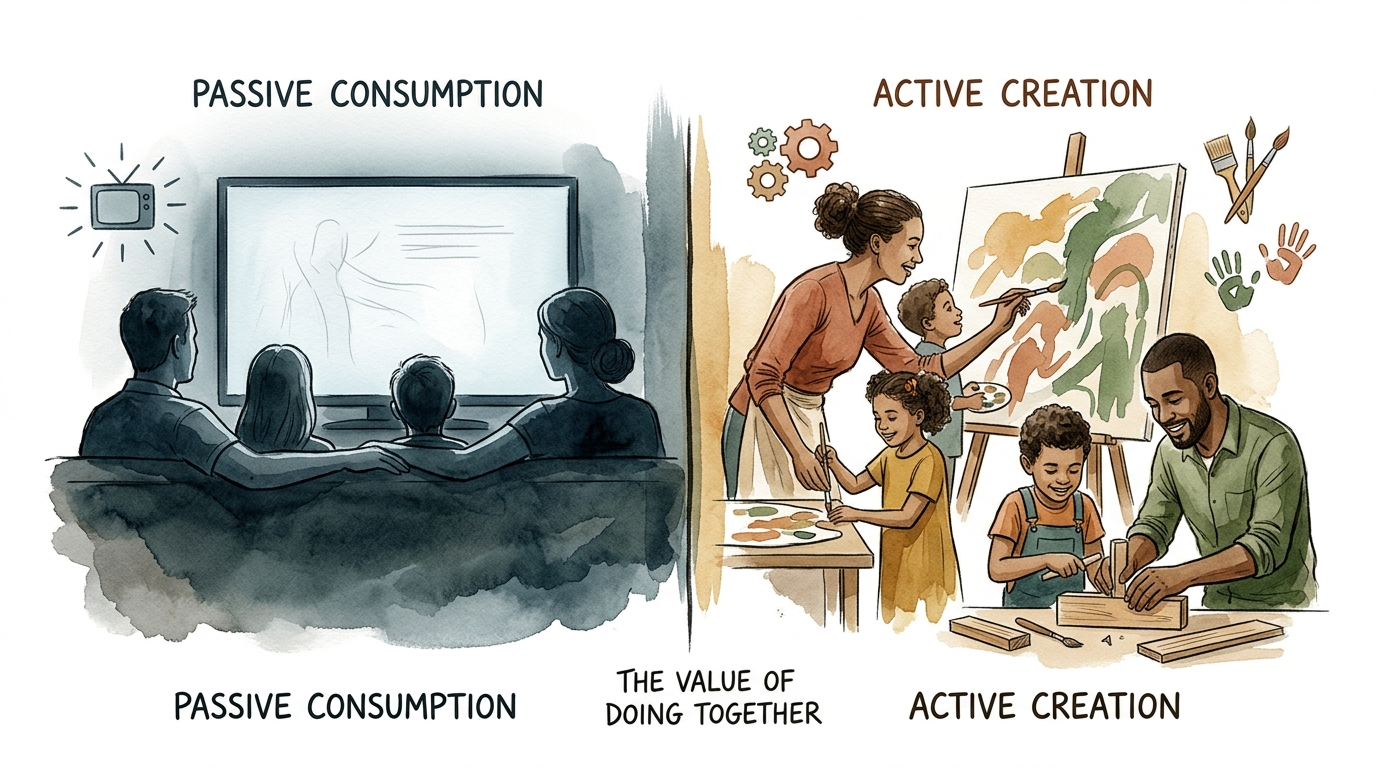
Don’t just sit together. Build something together. Watching a movie is shared space, but building a garden is shared life. Move from passive consumption to active creation to truly strengthen your family’s roots.
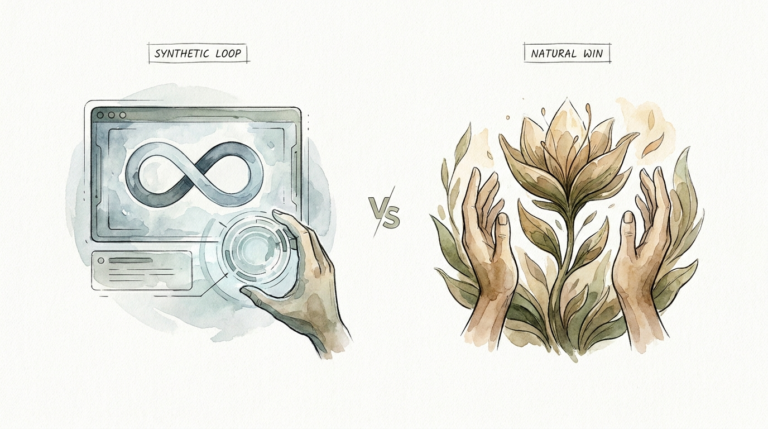
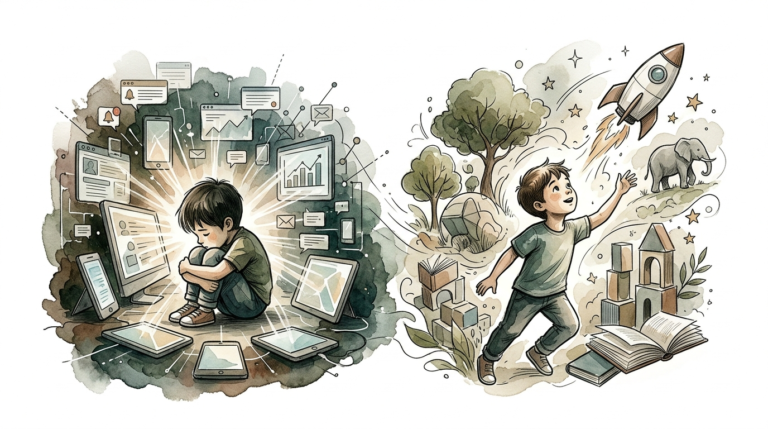
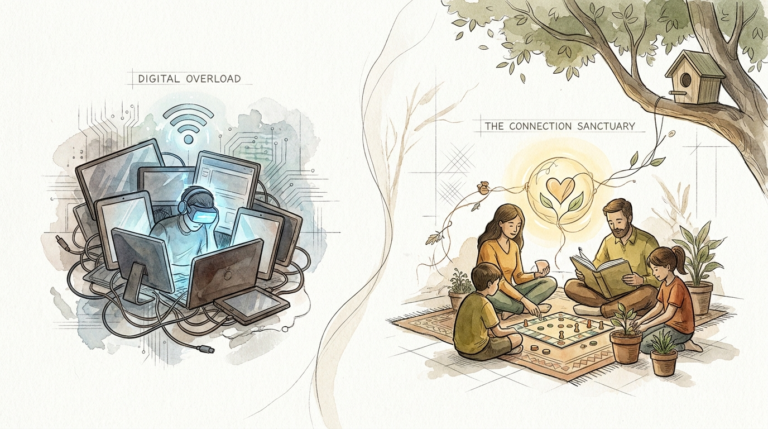
Most families today are trapped in a loop of passive consumption. We sit on the same couch, illuminated by the blue light of the television, but we are miles apart. This “zombie family” effect happens when shared time lacks shared interaction. Active creation flips the script. It replaces the screen with a shovel, a paintbrush, or a mixing bowl. It turns observers into participants and strangers into a team.
Meaningful connection does not happen by accident. It requires intention and a shift in how we value our hours. Every time your family decides to build rather than watch, you are investing in a more resilient emotional foundation. This guide will show you exactly how to make that shift, providing practical projects and psychological insights to help your family grow closer through the power of doing.
family bonding activities
Family bonding activities are intentional moments—simple, creative, and repeatable—that strengthen emotional ties and build communication skills. These activities exist to bridge the gap between individual schedules and collective experiences. In the real world, they act as the “super glue” of the home, helping families work through difficulties more easily by establishing a culture of joy and trust.
Active bonding differs from passive bonding in one critical way: engagement. Passive bonding involves shared environments with low interaction, such as watching a movie or attending a professional sports game. Active bonding requires participants to use their physical, cognitive, and social skills simultaneously. When children see their parents as partners in play rather than just authority figures, communication lines open up naturally.
Real-world examples include everything from a Friday night board game tournament to a month-long backyard renovation. An analogy often used is the difference between blocks and electronic toys. A toy that flashes and makes noise does the “work” for the child, leading to passive play. Blocks require the child to imagine and build, leading to active growth. Families operate the same way. When the activity requires collective effort, the bond becomes stronger.
How to Move from Consumption to Creation
The transition begins with a mindset shift. You must prioritize the process over the product. If you focus solely on having a perfect garden or a professional-grade bookshelf, the stress of perfection will kill the joy of connection. Start by auditing your current family time. Identify slots where you usually scroll or watch, and replace just one with a “creation session.”
Effective active creation follows a simple three-step cycle. First, you plan together. This gives everyone a voice and a sense of ownership. Second, you execute the task. This is where the physical and social skills come into play. Third, you reflect. Whether the project was a success or a messy failure, discussing the experience reinforces the lessons learned and the memories made.
Communication is the engine of this process. Use “active listening” games during projects. Try the “repeat-and-add” technique where each person must repeat what the previous person said before adding their own idea. This ensures everyone feels heard and helps prevent the “too many cooks” syndrome that can lead to frustration in the workshop or kitchen.
Building a Family Garden: A Case Study in Growth
Gardening is one of the most powerful active bonding activities because it involves sensory exploration and long-term commitment. It teaches patience as kids wait for seeds to sprout and responsibility as they water their specific sections. Start with a raised bed or even a few pots on a balcony to keep things manageable. Choose plants that offer quick “wins,” like radishes or sunflowers, to keep younger children engaged.
Assign specific roles based on age and interest. A toddler can be the “Watering Chief,” while a teenager might handle the “Soil Nutrition” or “Pest Control.” This division of labor creates a sense of interdependency. Research indicates that just 20 minutes a day in nature can help families feel more relaxed and boost natural endorphins. The garden becomes a safe space where meaningful conversations happen naturally while hands are busy with the soil.
Benefits of Active Family Bonding
Active bonding provides measurable advantages for both children and adults. When families participate in physical activities like parkour, climbing, or even a simple game of tag, they experience a release of oxytocin and endorphins. These “feel-good” chemicals are amplified when shared, creating an emotional bridge made of mutual trust and shared happiness. The benefits extend far beyond the moment of play.
- Strengthens Emotional Resilience: Shared projects teach families how to handle setbacks together.
- Improves Cognitive Development: Hands-on work like DIY projects or gardening builds spatial awareness and problem-solving skills.
- Reduces Stress: Creative outlets like art or cooking provide a safe environment for self-expression.
- Promotes Positive Behavior: Children who frequently engage in active family bonding show fewer behavioral problems in school.
- Boosts Self-Esteem: Completing a tangible project gives children a sense of pride and agency.
Adults also find relief from the “daily grind.” Moving from the role of a taskmaster to a co-creator reduces the friction often found in parent-child relationships. It allows parents to model vulnerability and lifelong learning, showing their children that it is okay to make mistakes and try again.
Challenges and Common Mistakes
Perfectionism is the primary enemy of family bonding. Many parents approach a DIY project with a “get it done right” mentality that turns a bonding opportunity into a high-pressure chore. If a child’s every move is corrected, they will quickly lose interest and view the activity as another form of school or work. This “correction trap” leads to negative memories rather than positive connections.
Time management is another significant hurdle. Modern schedules are packed, and adding a complex project can feel overwhelming. This is why many families default to the television; it requires zero setup and zero cleanup. To avoid this, keep your projects scaled to your reality. A ten-minute “nature soup” session in a mud kitchen is more valuable than a planned treehouse build that never actually starts.
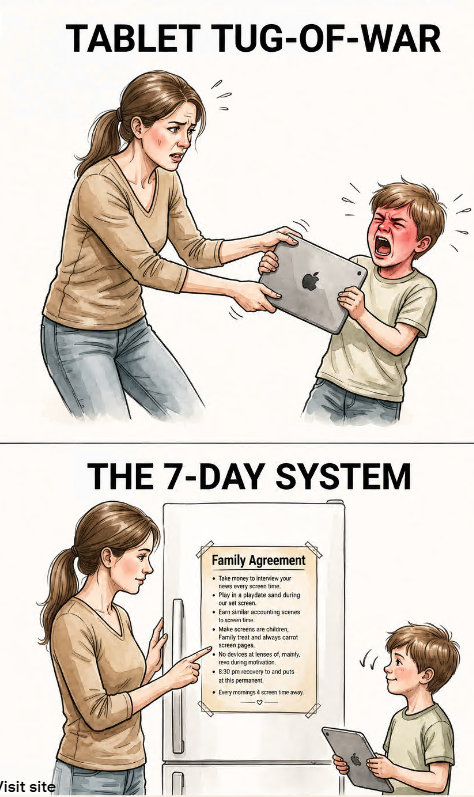
The “tech tug-of-war” also complicates active bonding. Digital distractions are designed to hold attention through dopamine-driven reward loops. Competing with a video game or social media feed is hard. Establish “Analog Zones” or specific times where all devices are put away, ensuring the family has the mental bandwidth to engage fully with the task at hand.
Limitations: When This May Not Be Ideal
Physical constraints can limit certain types of active bonding. Families living in apartments may not have space for a large garden, and those with physical disabilities might find certain DIY or high-intensity play difficult. In these cases, the focus must shift to other forms of creation, such as collaborative digital art, multi-course meal planning, or storytelling circles.
Financial boundaries are also real. High-end craft kits and expensive tools are not necessary, but the perception that they are can prevent families from starting. It is important to remember that the most effective bonding often happens with the simplest materials. A cardboard box and some tape can provide more active engagement for a toddler than an expensive electronic play kitchen.
Environmental factors like weather can also interfere with outdoor plans. Serious practitioners always have a “Rainy Day Protocol.” This might include indoor forts, family board games, or multi-day cooking projects like sourdough. Having a backup plan ensures that the commitment to bonding remains consistent regardless of external conditions.
Comparison: Passive Consumption vs. Active Creation
| Factor | Passive Consumption (e.g., Movie Night) | Active Creation (e.g., Building a Mud Kitchen) |
|---|---|---|
| Interaction Level | Low (Silent observation) | High (Collaboration & Communication) |
| Skill Development | Minimal (Visual processing) | Broad (Cognitive, Social, Physical) |
| Preparation Time | Instant | Variable (Minutes to Hours) |
| Long-Term Impact | Fleeting entertainment | Lasting confidence & skills |
| Cost | Subscription/Ticket fees | Low (Recycled materials) to Moderate |
Practical Tips and Best Practices
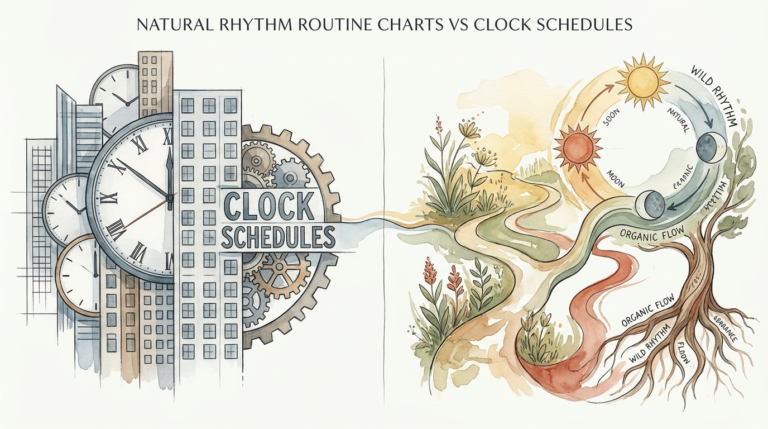
Consistency is more important than intensity. You do not need to build a new room every month. Instead, establish repeatable rituals. A weekly “Family Council” on Sunday evenings is a great place to start. Use this time to set goals for the week and plan your next creative project. This structure reduces friction and ensures everyone knows what to expect.
Keep a “Creation Bin” stocked with basic supplies like glue, tape, markers, and scrap wood. When the setup time is reduced, the likelihood of actually doing the activity increases. For gardening, keep a shared journal to track the progress of your plants. This builds literacy skills in children and serves as a tangible record of your family’s hard work.
- Rotate the Leader: Let different family members choose the project each week to ensure everyone feels ownership.
- Document the Mess: Take photos of the process, not just the finished result. The “ugly” mid-project stages are often where the funniest memories are born.
- Set a “No-Correction” Zone: For artistic projects, agree that there are no “wrong” ways to create. This encourages risk-taking and creativity.
- Use the 15-Minute Rule: If a project feels too big, commit to working on it for just 15 minutes. Most of the time, the family will want to keep going once they start.
Advanced Considerations for Serious Practitioners
Those looking to go deeper should consider “Legacy Projects.” These are long-term creative endeavors that preserve family history and values. Examples include creating a digital family archive, recording “Ethical Wills” that share life lessons rather than just assets, or building a permanent piece of furniture that will be passed down through generations. These projects require strategic planning and multiple sessions, providing a recurring touchpoint for connection.
Intergenerational bonding is another advanced area. Involve grandparents in your active creation sessions. They can pass down traditional skills like knitting, woodworking, or heritage cooking that might otherwise be lost. Research shows that this type of cross-generational learning enriches the family culture and provides children with a deeper sense of identity and belonging.
Complexity can be scaled as children grow into teenagers. While a toddler enjoys a mud kitchen, a teenager might find satisfaction in renovating a room or learning complex fermentation techniques for sourdough. The key is to keep the challenges “developmentally appropriate.” If an activity is too easy, it becomes a chore; if it is too hard, it leads to frustration. Finding that “flow state” where the challenge matches the skill is the secret to high-level family bonding.
Example Scenario: The Weekend Mud Kitchen Build
Imagine a family deciding to build a mud kitchen using reclaimed pallets. They start on Saturday morning by sketching a simple design. The eight-year-old is in charge of measuring the boards, while the five-year-old sorts the screws by size. The parents handle the heavy cutting but allow the children to assist with the assembly using manual screwdrivers.
By Saturday afternoon, the basic frame is complete. The family visits a thrift store to find old pots, pans, and a metal bowl to serve as the sink. On Sunday, they install the accessories and add a chalkboard menu board. The project cost less than $20 but provided ten hours of shared labor and problem-solving.
The result is not just a piece of outdoor furniture. It is a dedicated space where the children will spend hours in unstructured, imaginative play away from screens. Every time they “cook” a mud pie, they are reminded of the weekend the whole family worked together to build their kitchen. This tangible reminder reinforces their sense of capability and their place within the family unit.
Final Thoughts
Active creation is the antidote to the disconnection of the modern digital age. By moving from passive consumption to building together, you reclaim your family’s time and energy. You trade the fleeting dopamine hits of a screen for the lasting satisfaction of a finished project and the deep oxytocin of a shared laugh. Whether you are planting a single tomato seed or building a library for your neighborhood, the act of doing is what matters most.
Strengthening your family’s roots requires getting your hands dirty. It requires the mess of a kitchen during a sourdough bake and the sawdust of a weekend workshop. These moments are the true building blocks of a resilient, connected home. Encourage your family to step away from the couch and toward the workbench. The things you build together will always be more valuable than the things you simply watch together.
Start small, stay consistent, and embrace the imperfection of the process. Your family’s future is something you create, one project at a time. Experiment with different activities until you find what sparks joy for everyone, and then make it a permanent part of your family’s story.
Sources
1 happers.com | 2 blissfullearning.com | 3 greenchildmagazine.com | 4 youtube.com | 5 ourdayscalendar.com | 6 notconsumed.com | 7 mothernatured.com | 8 liahonaacademy.com | 9 brightspotnetwork.org | 10 autumnleavescare.com | 11 liliewoods.com | 12 overstuffedlife.com | 13 beginwiththeend.co | 14 inheritanceofhope.org