summer bucket list no phone
Reconnect with the things that have mattered for thousands of years. The algorithm doesn’t know what you need. Your ancestors did. This bucket list focuses on the timeless connections between humans and the natural world.
Modern life is a relentless stream of notifications. We have traded the rustle of leaves for the ping of a push notification. We have swapped the warmth of a campfire for the blue light of a screen. This summer, it is time to reclaim your attention and your peace.
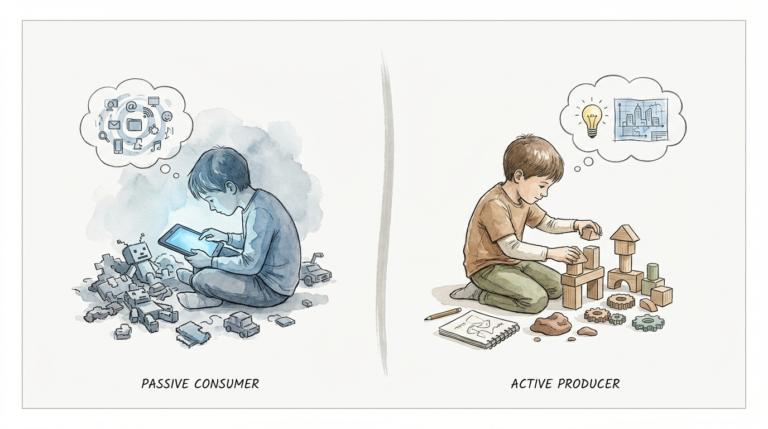
The goal is simple but profound. You want to move from being a passive consumer of content to an active participant in reality. This is not about hating technology. It is about remembering who you are without it. It is about the “Hot Girl Analog Summer” movement and the deep neurological reset that only nature can provide.
Our ancestors did not need a meditation app to feel present. They were present because they had to be. They followed the sun, the seasons, and the physical demands of survival. This bucket list is your roadmap back to that state of being. Let’s dive in.
summer bucket list no phone
A “no phone” summer bucket list is a deliberate commitment to experiencing the world through your primary senses. It is a plan to replace digital distractions with physical, tactile, and social experiences. Instead of scrolling through someone else’s vacation photos, you are creating your own memories that exist entirely in your own mind.
Think of it as a dopamine reset. Every like, comment, and notification triggers a tiny hit of dopamine in your brain. Over time, your baseline for what feels “exciting” shifts. You become bored with the “slow” parts of life. A summer bucket list no phone approach forces your brain to recalibrate to the slower, more rewarding rhythms of the natural world.
In practice, this means leaving the smartphone at home or in a locked box for specific windows of time. It involves using analog tools like paper maps, film cameras, and physical books. It is about being “unreachable” for a while so you can finally be “reachable” to yourself and the people standing right in front of you.
This concept is used by people seeking to cure “popcorn brain”—the state where your attention fragments into a million tiny pieces. By committing to offline activities, you allow your neural pathways to strengthen. You move from shallow scanning to deep engagement. It is the ultimate act of rebellion against the attention economy.
How to Transition to an Analog Summer
Jumping straight from 8 hours of screen time to zero can be a shock to the system. You need a strategy to make it stick. Start by identifying the “anchors” that keep you tethered to your device. For most people, these are GPS, the camera, and communication.
Invest in a high-quality paper road atlas for your region. Learning to read a map is an ancestral skill that builds spatial awareness. It turns a simple drive into an intentional journey. You begin to understand the landscape rather than just following a blue line on a screen.
Swap your smartphone camera for a film camera or a Polaroid. Film forces you to be selective. You only have 24 or 36 frames, so every shot matters. You have to wait for the right light and the right moment. The best part? You won’t see the photo until it’s developed, allowing you to stay in the moment instead of instantly checking the screen to see how you look.
Set clear boundaries with your social circle. Tell your friends and family that you are going “analog” for certain days or weekends. Set an auto-responder on your email. This removes the “phantom vibration” anxiety—that feeling that you are missing an urgent message. Most things are not nearly as urgent as the algorithm wants you to believe.
Create a “Phone Jail” or a dedicated charging station away from your living space. When you come home, the phone goes in the box. This physical barrier is often enough to break the habit of mindless checking. If the phone is out of sight, it is eventually out of mind.
Benefits of a Digital Detox Summer
The measurable benefits of unplugging are staggering. Within just three days of a digital detox, researchers have noted significant changes in reward processing areas of the brain. Your cravings for digital stimulation begin to fade, and your ability to focus on complex tasks increases.
One of the most immediate advantages is the restoration of your circadian rhythm. Smartphones emit blue light that tricks your brain into thinking it is midday, even at midnight. By removing screens after sunset, your body naturally produces melatonin. You will find yourself falling asleep faster and waking up feeling actually restored.
Mental clarity is another massive win. Constant notifications fragment our attention. It takes an average of 23 minutes to fully regain focus after a single interruption. Imagine how much “brain power” you waste every day. Going phone-free allows you to enter “Flow State”—that magical zone where time disappears and you are fully immersed in what you are doing.
Social connections also deepen. “Phubbing”—the act of snubbing someone in favor of your phone—is a relationship killer. When you are phone-free, you notice the micro-expressions of your friends. You hear the tone of their voice. You have long, rambling conversations that aren’t interrupted by a Slack ping. These are the moments that build lifelong bonds.
Finally, there is the benefit of “Awe.” We are the first generation of humans who can look at a sunset and immediately think about how to frame it for an audience. When you remove the camera, you are forced to just *experience* the sunset. Scientists have found that experiencing awe reduces inflammation in the body and increases feelings of generosity and happiness.
Challenges and Common Pitfalls
The hardest part of an analog summer is the initial “withdrawal.” You will find yourself reaching for your pocket every time there is a lull in conversation or a slow moment at a red light. This is a deeply ingrained habit loop. Do not be discouraged; it usually takes about 48 to 72 hours for this impulse to subside.
FOMO (Fear Of Missing Out) is a major hurdle. You might worry that everyone is having a “better” summer because you aren’t seeing their highlights. Remind yourself that social media is a curated performance. By staying offline, you are choosing “JOMO”—the Joy Of Missing Out. You are trading a fake digital connection for a real physical one.
Logistical failures can also derail your plans. If you don’t have a physical map and you get lost, the temptation to use your phone will be overwhelming. Preparation is key. Print out directions, bring a physical watch so you aren’t checking your phone for the time, and carry a notebook to jot down ideas or things to remember.
Social pressure is real. Friends might get annoyed that you aren’t replying to the group chat instantly. This is why communication is vital. Explain your goals. Often, you will find that they are actually jealous of your experiment and might even join you for an afternoon of no-phone fun.
Limitations of Going Fully Offline
We live in a world designed for connectivity. There are some situations where going 100% phone-free is impractical or even unsafe. If you are solo hiking in a remote area, having a phone for emergency GPS and communication is a smart safety precaution. The trick is to keep it in “Airplane Mode” and at the bottom of your bag.
Professional requirements can also be a barrier. Many people have “on-call” responsibilities or jobs that require digital input. If this is you, don’t throw the whole idea away. Instead, practice “Digital Minimalism.” Choose specific windows of time—like 6 PM to 8 AM—where you are strictly offline. The goal is progress, not perfection.
Family dynamics can be tricky. If you have children, they may need to reach you, or you may need to reach them. Using a “dumb phone” or a basic light phone can be a great middle ground. These devices allow for calls and texts but lack the addictive apps and browsers that suck you into the void.
Cost can sometimes be a factor. Analog hobbies like film photography can be expensive due to the cost of rolls and developing. However, most analog activities—like hiking, swimming, or reading library books—are significantly cheaper than the lifestyle promoted by social media influencers.
Digital Summer vs. Analog Summer
| Feature | Digital Summer | Analog Summer |
|---|---|---|
| Primary Goal | Capture and share content. | Live and feel the moment. |
| Attention Span | Fragmented, “Popcorn Brain.” | Sustained, Deep Focus. |
| Stress Levels | Higher (notifications, FOMO). | Lower (cortisol reduction). |
| Memory Type | External (on the hard drive). | Internal (vivid mental recall). |
| Sleep Quality | Disrupted by blue light. | Aligned with natural light. |
Practical Tips for Your Summer Bucket List
Start your “summer bucket list no phone” journey with these actionable activities. These are designed to be high-impact and low-stress. They focus on rewilding your senses and reconnecting with ancestral skills.
- Wild Swimming: Find a lake, river, or ocean. Swim without a waterproof phone case. Feel the temperature of the water and the movement of the current.
- Barefoot Walking (Earthing): Spend at least 20 minutes walking on grass, sand, or soil. This helps ground your electrical system and reduces inflammation.
- Analog Stargazing: Buy a physical star chart. Learn to identify three new constellations without using an app. It connects you to the same sky your ancestors watched for millennia.
- Backyard Fire: Build a fire from scratch using gathered wood. Avoid using lighter fluid. The process of building and maintaining a fire is deeply meditative.
- Foraging or Farmers Markets: Buy food that hasn’t been processed. Visit a local farm. Learn what is actually in season in your specific region.
- Read a 500-Page Book: Choose a physical book, not an e-reader. The weight of the pages and the smell of the paper add to the sensory experience.
- Picnic with No Photos: Pack a basket, find a beautiful spot, and eat a meal with a friend. No “food porn” photos allowed. Just taste the food.
Keep a physical journal for this summer. Instead of tweeting your thoughts, write them down. You will be amazed at how different your “internal voice” sounds when it isn’t being edited for an audience. Sketching what you see—even if you are a terrible artist—forces you to look at details you would normally overlook.
Advanced Considerations for Serious Practitioners
If you have mastered the 24-hour detox, it is time to look at deeper shifts. One of the most powerful concepts is “Slow Productivity,” popularized by Cal Newport. This involves doing fewer things, but doing them at a higher quality and a more natural pace. This summer, choose one major project—like gardening, woodworking, or learning an instrument—and dedicate offline hours to it every single day.
Consider the concept of “Biophilia.” Humans have an innate tendency to seek connections with nature and other forms of life. Advanced practitioners don’t just “visit” nature; they integrate it. This might mean sleeping outside on a porch or keeping your windows open all night to hear the natural soundscape instead of white noise from a machine.
Analyze your digital “habit loops.” Notice when you feel the urge to check your phone. Is it when you are bored? Anxious? Lonely? Once you identify the trigger, you can replace the digital response with an analog one. Feeling anxious? Go for a five-minute walk. Feeling bored? Pick up your sketchpad.
Think about your “digital legacy.” We spend so much time creating data that will eventually be deleted or forgotten. What are you building that lasts? Planting a tree, writing a letter to a future self, or teaching a child a skill are analog legacy acts that have infinitely more value than a viral post.
Example Scenario: The Analog Weekend
Imagine it’s Friday evening. You place your smartphone in a drawer and lock it. You have already printed a map to a state park two hours away. You pack a cooler, a tent, a film camera, and a physical book. You leave the house without a charger.
On Saturday morning, you wake up to the sound of birds instead of an alarm. You spend the morning hiking. Since you don’t have GPS, you pay more attention to landmarks—the crooked oak tree, the dry creek bed. You take three photos of the vista, carefully focusing the lens. You eat lunch by a stream, watching the water for an hour without feeling the need to “do” anything else.
Saturday night is spent by a fire. You talk to your partner or friend about things that actually matter. There are no pings. No one checks the score of a game. No one scrolls through TikTok. You feel a deep sense of calm that you haven’t felt in months.
Sunday evening, you return home. You unlock the drawer. You see 47 notifications. You realize that absolutely nothing changed while you were gone, but *you* feel entirely different. You have more energy, clearer thoughts, and a memory that feels like it belongs to you, not a server in a data center.
Final Thoughts
An analog summer is not about being anti-technology. It is about being pro-human. It is an experiment in reclaiming the “precious resource” of your time. By choosing to follow a summer bucket list no phone approach, you are giving your brain the rest it was never designed to go without. You are choosing the real over the virtual.
Start small if you have to. Try a “No Phone Sunday.” Then try a weekend. Eventually, you might find that you don’t even want to go back to your old habits. The world is much bigger, brighter, and more interesting than a six-inch screen can ever show you.
Go outside. Get your hands dirty. Look at the stars. Remember that you are part of a long lineage of humans who lived vibrant, meaningful lives without ever once “checking a feed.” This is your summer. Don’t let it happen on a screen.
Sources
1 summacare.com | 2 healingworksfoundation.org | 3 ibelieve.com | 4 abrighteryear.com | 5 canva.com | 6 mentalwellbeingassociation.org | 7 unplugged.rest | 8 willingness.com.mt | 9 truthcenterhh.com | 10 nih.gov | 11 thechalkboardmag.com | 12 findingnature.org.uk