average screen time for a teenager
Has our definition of ‘connection’ changed for the worse? The average screen time for a teenager has skyrocketed, but at what cost to real-world social skills? Compare the stats and find the balance.

Teenagers today live in a world that never sleeps. Their social lives are no longer tethered to school hallways or neighborhood parks. Instead, they are digitized, optimized, and delivered in high-definition through a five-inch glass screen. This shift is not just about technology. It is a fundamental transformation in how human beings relate to one another.

Every “like” and “comment” acts as a tiny hit of validation. Every notification creates a sense of urgency that didn’t exist twenty years ago. We are seeing a generation that is more connected than any in history, yet many report feeling more isolated than ever. This irony is the defining paradox of the digital age.
Understanding this matters because social skills are like muscles. They require resistance, practice, and real-time interaction to grow strong. When we replace those raw interactions with curated digital feeds, something vital gets lost in the noise. This article explores the depths of this digital shift and offers a roadmap for finding a healthier equilibrium.
average screen time for a teenager
Recent data indicates that the average screen time for a teenager has reached staggering new heights. In the United States, teens between the ages of 13 and 18 now spend approximately 8 hours and 39 minutes per day on entertainment screen media. This is a significant jump from pre-pandemic levels, where the average was roughly 7 hours and 22 minutes. These figures do not even include time spent on digital devices for schoolwork or homework.
For many adolescents, screens occupy nearly 43% of their waking hours. This means that for every hour they spend learning or sleeping, nearly an equal amount of time is spent scrolling, gaming, or streaming. The breakdown of this time often looks like a pyramid of digital consumption. Social media platforms like TikTok, Instagram, and Snapchat sit at the top, followed closely by video streaming services like YouTube and Netflix. Gaming represents another massive chunk of this time, especially for teen boys.
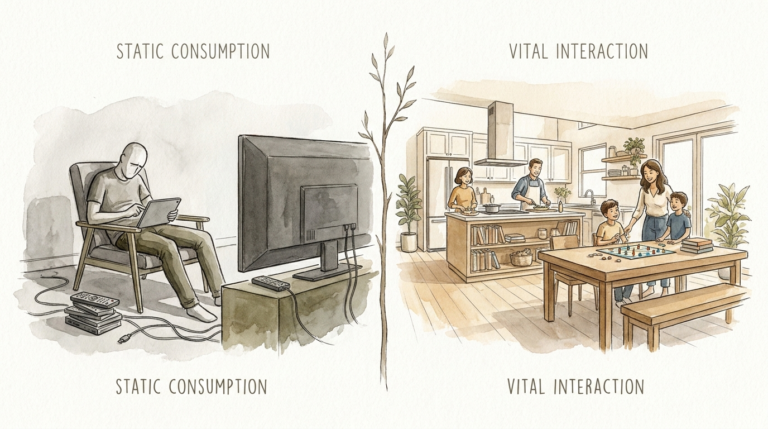
This level of exposure is a relatively new phenomenon in human history. In the 1990s, screen time was largely sedentary and centered around the living room television. Today, it is mobile, immersive, and constant. The smartphone has effectively become a secondary limb for the modern teenager, providing a portal to a world that never stops demanding their attention.
Global trends show even higher numbers in certain regions. In South Africa, for instance, daily screen time can reach over 9 hours. Japan, conversely, reports some of the lowest averages at around 4 hours daily. These disparities highlight how cultural norms and infrastructure influence how much time youth spend in the digital world.
How the Digital Socialization Machine Works
Digital socialization operates through a complex interplay of psychological hooks and algorithmic design. Platforms are engineered to maximize “time on device” because attention is the primary currency of the internet. This design philosophy is often referred to as the Attention Economy.
The primary driver is the dopamine loop. Every time a teen receives a notification, their brain releases a small burst of dopamine. This neurotransmitter is associated with reward and pleasure. Over time, the brain begins to crave these hits, leading to the compulsive checking of phones. This is why many teens feel a sense of “phantom vibration” even when their phone isn’t in their pocket.
Algorithms further refine this experience by serving a never-ending stream of personalized content. On TikTok, the “For You” page uses machine learning to identify exactly what will keep a user scrolling. There is no natural “end” to the feed, creating a state of “flow” that makes it easy to lose track of hours. This design removes the natural friction that used to exist in social interactions, such as having to wait for a friend to call back or walking to a meeting spot.
Digital communication also strips away the non-verbal cues that are essential for deep connection. Face-to-face interaction involves micro-expressions, vocal tone, body language, and eye contact. Text-based communication or short-form video often lacks these nuances. This forces teens to rely on emojis or “reaction” memes to convey complex emotions, which can lead to frequent misunderstandings and a flattening of emotional expression.
Benefits of the Digitally Connected Life
Digital connectivity is not inherently negative. It provides unique opportunities for community building that were impossible for previous generations. For teens with niche interests or those living in isolated areas, the internet is a lifeline. It allows them to find “their people” regardless of geographical boundaries.
Vulnerable groups often find significant support online. LGBTQ+ youth and neurodivergent teenagers frequently report that social media provides a safe space for self-expression and identity exploration. They can connect with others who share their lived experiences, which can be crucial for mental health in environments that are not supportive in the real world.
Digital literacy is another practical advantage. Growing up with technology prepares teens for a workforce that is increasingly remote and tech-centric. They learn how to navigate complex information ecosystems, collaborate across time zones, and use creative tools for self-promotion. These are essential skills in the 21st-century economy.
Furthermore, social media can act as a catalyst for social change. Teens use platforms like X and Instagram to organize protests, raise awareness for global issues, and hold institutions accountable. This “digital activism” empowers them to feel like they have a voice in a world that often ignores them. When used intentionally, these tools can broaden a teenager’s perspective and foster a sense of global citizenship.
Challenges and Common Pitfalls
The most pervasive challenge is the Comparison Trap. Social media feeds are often highlight reels—curated, edited, and filtered versions of reality. When teens compare their “behind-the-scenes” lives to everyone else’s “best moments,” it can lead to a sharp decline in self-esteem. This constant upward social comparison is a primary driver of anxiety and body dysmorphia.
Cyberbullying is another persistent threat. Unlike traditional bullying, which usually ended when the school bell rang, digital harassment is 24/7. It can follow a teenager into the privacy of their bedroom. The anonymity of the internet often emboldens people to say things they would never say to someone’s face, leading to high levels of psychological distress.
Sleep deprivation is a direct consequence of skyrocketing screen time. The blue light emitted by screens interferes with the production of melatonin, the hormone that regulates sleep. Many teens engage in “revenge bedtime procrastination,” where they stay up late scrolling because they feel they didn’t have enough control over their day. This lack of sleep impacts cognitive function, mood regulation, and academic performance.
Finally, there is the issue of “social atrophy.” Because digital communication allows for “editing” and “deleting,” teens may struggle with the messiness of real-time conversation. They might avoid difficult face-to-face discussions because they cannot control the outcome as easily as they can in a text thread. This leads to a decreased tolerance for social discomfort and conflict.
Limitations of Virtual Connection
Virtual connection has physical and biological limits. Human beings are hardwired for physical presence. Oxytocin, often called the “bonding hormone,” is primarily released through physical touch and sustained eye contact. While video calls can bridge the gap, they do not provide the same biochemical benefits as being in the same room as another person.
The “echo chamber” effect is another significant limitation. Algorithms tend to show us content that aligns with our existing beliefs. For a teenager still forming their identity, this can lead to a narrow worldview. They may never be exposed to dissenting opinions or diverse perspectives, which is a critical part of developing critical thinking and empathy.
There is also the “illusion of intimacy.” Having 5,000 followers or “streaks” with dozens of people on Snapchat can create a feeling of popularity that is paper-thin. When a real crisis occurs, many teens find that their vast digital networks do not translate into tangible, real-world support. This “wide but shallow” social life can leave them feeling profoundly lonely during difficult times.
Environmental factors also play a role. Teens in urban areas might have more opportunities for real-world socialization, making screen time a choice. However, in rural areas with limited public transportation or safe “third spaces” like malls and parks, screens might be the only viable way to socialize. In these cases, the digital world isn’t replacing the real world—it’s filling a void left by a lack of physical infrastructure.
Social Interaction: Then vs. Now
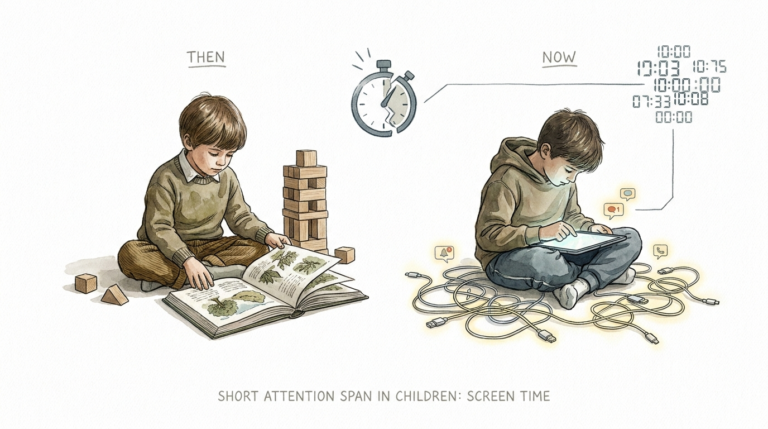
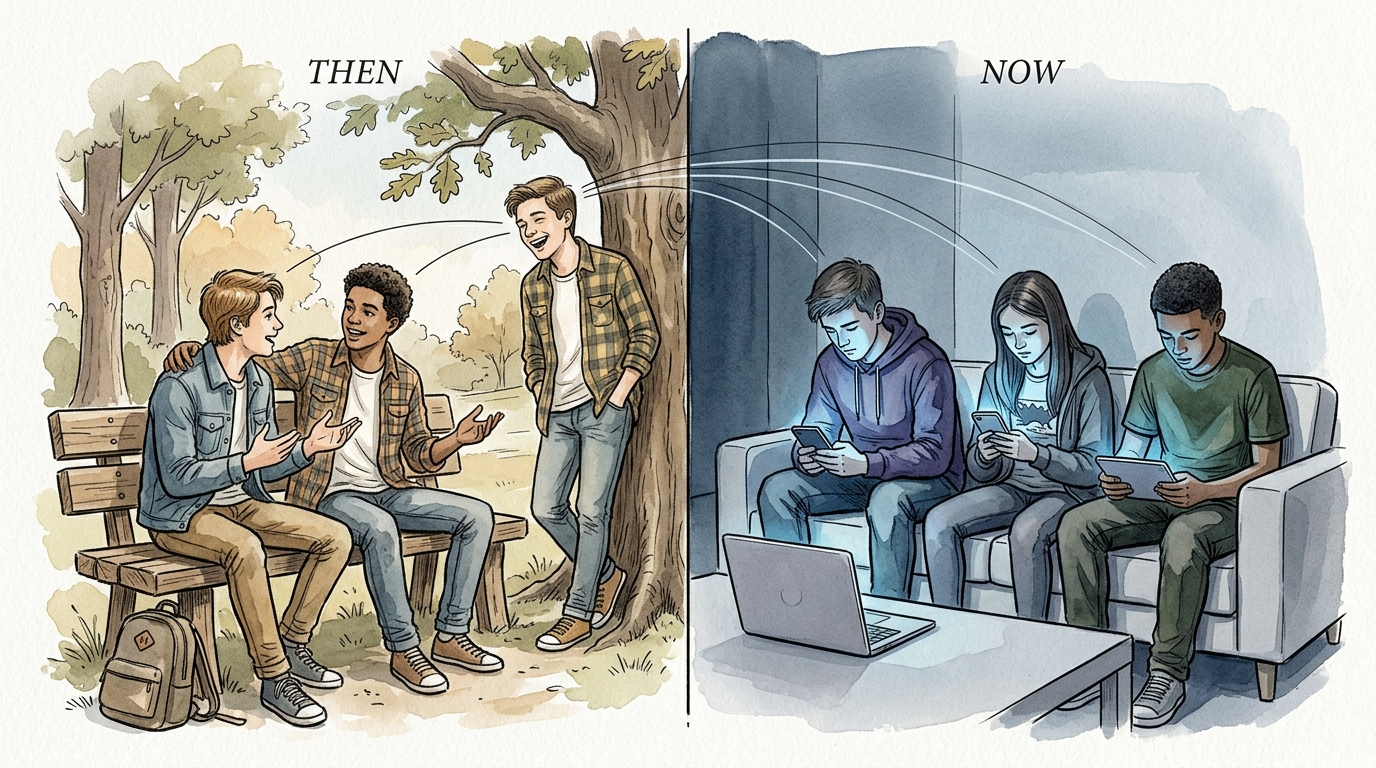
The landscape of teenage social life has shifted dramatically over the last three decades. To understand the impact, we must look at how the fundamental “rules” of interaction have changed. The table below highlights the key differences between the traditional social model and the current digital-first model.
| Feature | Social Interaction (Then) | Social Interaction (Now) |
|---|---|---|
| Core Medium | Face-to-face or landline phone calls. | Instant messaging, social media, and gaming. |
| Social Cues | Full range: body language, tone, eye contact. | Limited: text, emojis, and short-form video. |
| Response Time | Delayed (waiting to see someone at school). | Instant (expectation of immediate “read” receipts). |
| Privacy | High: Conversations were ephemeral and private. | Low: Interactions are documented and often public. |
| Scope | Local: Limited to school and neighborhood. | Global: Access to world-wide communities. |
| Social Friction | High: Required effort to meet and coordinate. | Low: One-click access to thousands of people. |
The shift from “high friction” to “low friction” is perhaps the most significant change. In the past, if you wanted to see a friend, you had to plan ahead, travel to their house, and interact with their family. This process built patience and social coordination skills. Today, the frictionless nature of digital life means these skills are rarely practiced.
Practical Tips for Finding Balance
Finding a healthy balance requires intentionality from both teens and parents. It is not about a total “digital detox,” which is often unrealistic in a modern world. Instead, the goal is to create digital boundaries that protect real-world experiences.
- Establish No-Phone Zones: Designate specific areas of the home, such as the dining table or bedrooms, as screen-free zones. This encourages face-to-face conversation during meals and protects sleep quality.
- Use “Social Friction”: Encourage teens to meet friends in person at least twice a week for activities that don’t involve screens, like sports, hiking, or simply grabbing coffee.
- Audit the Feed: Periodically review social media follows. If an account consistently makes a teen feel “less than” or anxious, encourage them to unfollow or mute it. Focus on “active” use over “passive” scrolling.
- Model the Behavior: Parents must lead by example. If adults are constantly checking their phones during family time, teens will naturally follow suit. Show them that real-world connection is a priority.
- Turn Off Non-Human Notifications: Disable alerts from apps that are just trying to pull you back in (like gaming rewards or news alerts). Only keep notifications for direct messages from actual people.
Implementing these changes can be difficult at first. There will be resistance and a feeling of “missing out.” However, over time, the brain readjusts, and the value of undistracted, real-world time becomes more apparent.
Advanced Considerations for Serious Practitioners
For those looking to dive deeper into digital wellness, it is important to understand the concept of Digital Minimalism. This philosophy, popularized by authors like Cal Newport, suggests that we should only use digital tools that provide massive, tangible value to our lives. Everything else is just noise.
One advanced technique is the “Digital Declutter.” This involves taking a 30-day break from all optional digital technologies. During this month, you rediscover what you actually enjoy doing in the physical world. At the end of the month, you slowly reintroduce only the tools that serve a specific, positive purpose.
Another consideration is the role of Social Cognitive Development. Research suggests that the prefrontal cortex—the part of the brain responsible for decision-making and social behavior—is not fully developed until the mid-twenties. High screen time during these formative years might actually re-wire the brain’s social circuits. Serious practitioners should look into “Interpersonal Neurobiology” to understand how our brains literally change based on the quality of our interactions.
Scaling these habits requires community. It is much harder for a teenager to stay off their phone if all their friends are still on theirs. Some schools and youth groups are implementing “phone-free” days or events to create a shared environment where real-world connection is the norm. Building these pockets of “offline culture” is essential for long-term success.
Realistic Scenarios: The Tale of Two Routines
Consider two different teenagers, both 16 years old, navigating a typical Tuesday. Their experiences illustrate how screen time choices impact their daily lives and social skills.
Scenario A: The Infinite Scroller. This teen wakes up and immediately checks TikTok. They spend 20 minutes in bed scrolling through “get ready with me” videos. At school, they keep their phone under the desk, checking notifications every five minutes. During lunch, they sit with friends, but everyone is looking at their own device, occasionally showing each other a meme. After school, they play video games for four hours, followed by three more hours of YouTube. They go to bed at 1 AM, feeling “wired” but exhausted.
Scenario B: The Balanced Navigator. This teen uses an old-fashioned alarm clock and doesn’t check their phone until after breakfast. At school, they keep their phone in their locker during lunch to focus on talking to their friends. After school, they have a two-hour soccer practice—a completely screen-free environment. They spend one hour on Instagram after dinner to catch up with friends, then put their phone in a charging station in the kitchen at 9 PM. They read a physical book before bed and fall asleep by 10:30 PM.
The difference isn’t just about time. It’s about attention. Scenario A is a life of “interrupted presence,” where no single moment is fully experienced. Scenario B allows for “deep work” and “deep play,” leading to better social skills, higher focus, and improved mental well-being.
Final Thoughts
The average screen time for a teenager is a metric of our modern era, but it shouldn’t be a life sentence. While technology offers incredible tools for connection and learning, it also poses significant risks to the development of essential social skills. The key is not to retreat from the digital world, but to engage with it mindfully.
Connection has not necessarily changed for the worse, but it has become more complex. We must recognize that digital “likes” are a poor substitute for real-world presence. By setting boundaries, auditing our digital habits, and prioritizing face-to-face interaction, we can ensure that the next generation remains human-centric in a tech-centric world.
Experiment with these tips today. Start small by leaving your phone in another room for just one hour. You might be surprised at how much the world opens up when you’re not looking at it through a screen. The balance is out there—you just have to be willing to look up and find it.
Sources
1 medium.com | 2 nexusteenacademy.com | 3 monstermath.app | 4 bespacific.com | 5 henryford.com | 6 upandupaba.com | 7 backlinko.com | 8 explodingtopics.com | 9 demandsage.com | 10 demandsage.com | 11 tikitoro.com | 12 mhanational.org | 13 academicmed.org | 14 blankspaces.app | 15 apa.org | 16 aap.org | 17 psu.edu | 18 hopkinsmedicine.org | 19 luriechildrens.org