no phone summer
Are you working hard to find entertainment, or are you strategically building memories? Mindless scrolling is hard work for the brain—it’s overstimulating and leaves kids exhausted. A strategic ‘No Phone Summer’ replaces the digital drain with high-value skill-building. Swap the swipe for something real. #NoPhoneSummer #ParentingHacks #UnpluggedKids

Every summer, the same cycle repeats. The school year ends, the sun stays out longer, and yet, the living room glow remains the same. It is the blue light of the smartphone, capturing hours of potential and turning them into mindless data points. Parents often feel like they are in a constant battle with an invisible algorithm designed to keep their children sedentary.

The goal is not just to “take away the phone.” It is about reclaiming the season for growth, connection, and real-world mastery. When we talk about an unplugged summer, we are talking about a return to the kind of childhood that builds grit and curiosity. It is about moving from being a passive consumer to an active creator.
You might be wondering if this is even possible in our modern, connected world. The answer is a resounding yes, but it requires a plan. It requires a shift from reactive parenting to strategic leadership. By the time August rolls around, you want your kids to look back and remember the things they built, not the videos they watched.
no phone summer
A no phone summer is a structured period of time where digital consumption is intentionally limited or removed to make space for high-value offline activities. It is a seasonal digital detox designed to break the “scroll trance” that many children and teens fall into during long, unstructured breaks. This concept exists because the average American teenager now spends approximately 7 to 9 hours a day in front of a screen for entertainment alone.
Think of it as a mental reset. Just as athletes have an off-season to recover and rebuild, the brain needs an “off-screen” season to recover from constant overstimulation. This isn’t just about avoiding technology; it is about where that energy goes instead. In a real-world situation, this might mean a family decides that between 9:00 AM and 5:00 PM, all personal devices are parked in a central charging station.
Analogy-wise, scrolling is like eating “digital candy.” It provides a quick burst of dopamine but offers no nutritional value for the mind. A no phone summer is the “organic diet” for the brain. It prioritizes boredom, which science shows is the precursor to creativity. When a child is bored and has no phone to turn to, their brain finally starts looking for something interesting to do, like building a fort, writing a story, or learning to code on a single-purpose device.
This movement is gaining traction because parents are seeing the real-world effects of digital fatigue. Kids are more anxious, less focused, and physically less active than previous generations. By creating a clear boundary, you are not being a “strict” parent; you are being a protective one. You are protecting their attention, which is the most valuable resource they have.
How to Implement Your Digital Reset
Starting a no phone summer requires more than just an announcement. If you simply snatch the devices away on a Monday morning, you will face a week of rebellion. You must build a framework that supports success. This process starts with clear communication and a shared vision of what the summer should look like.
First, host a family meeting to set the “rules of engagement.” Do not make this a lecture; make it a collaboration. Ask your kids what they want to learn or do this summer that they haven’t had time for. This shifts the focus from what they are losing (the phone) to what they are gaining (new skills and experiences).
Next, define the “Tech-Free Zones” and “Tech-Free Times.” Many families find success with a “Sun-Up to Sun-Down” rule. Others prefer specific “Window Hours” where devices are allowed, such as one hour after dinner. The key is consistency. If the rules change every day based on your mood, the children will constantly negotiate for more time.
Create a physical “Phone Jail” or a central parking station. This should be a bowl or a decorative box in a high-traffic area like the kitchen. When the devices are in the box, they are out of sight and out of mind. This removes the “phantom vibration” effect where kids (and adults) feel the urge to check their pockets every few minutes.
Finally, you must provide a “Boredom Bridge.” This is a list of pre-approved, accessible activities they can dive into the moment they feel the itch to scroll. If there is nothing to do, they will gravitate back to the screen. A “Boredom Board” in the hallway with 50 ideas—ranging from “wash the car” to “sketch the backyard”—gives them an immediate path forward.
Benefits of an Unplugged Season
The rewards of a no phone summer are measurable and often immediate. Within the first week, you will likely notice a change in the “emotional climate” of your home. Without the constant comparison of social media and the frantic pace of group chats, kids tend to become calmer and more present.
- Cognitive Recovery: Attention spans begin to heal. Deep work and focused play become possible again as the brain stops expecting a hit of dopamine every few seconds.
- Physical Vitality: Screen-free kids move more. Research shows that children who reduce screen time are more likely to meet daily physical activity requirements, leading to better sleep and improved mood.
- Social Intelligence: Face-to-face interaction is a skill. An unplugged summer forces kids to read body language, handle conflict in real-time, and develop empathy that a screen simply cannot teach.
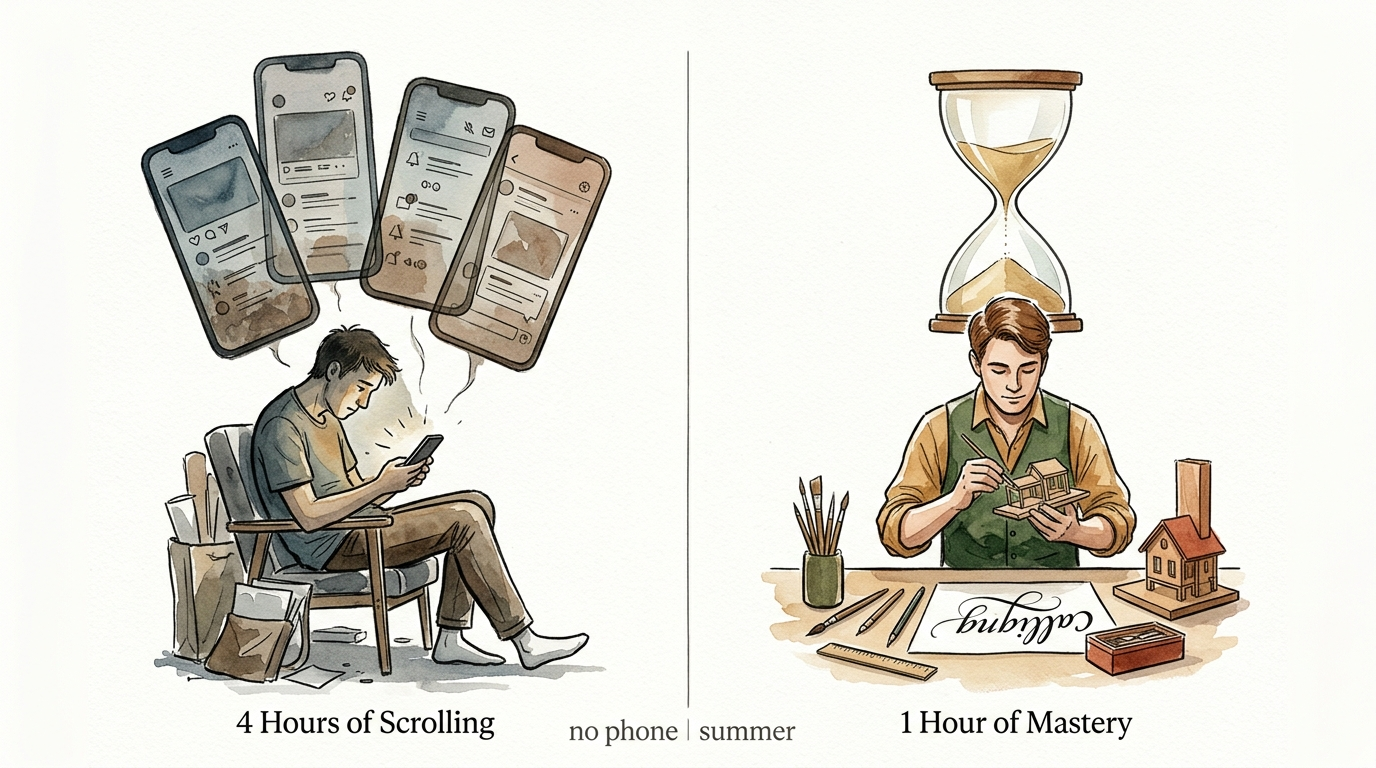
- Skill Acquisition: This is the “Mastery” component. One hour of focused mastery is worth more than four hours of scrolling. This is the time when kids learn to play the guitar, bake a perfect loaf of bread, or master a backflip.
Beyond the individual benefits, the family bond often strengthens. When parents and children are not looking at separate screens, they start looking at each other. You will find yourselves having longer conversations at dinner and noticing small details about each other’s lives that were previously missed.
There is also the benefit of “time expansion.” We have all experienced how an hour on TikTok feels like five minutes. Conversely, an hour spent hiking or painting feels full and significant. A no phone summer makes the season feel twice as long because you are actually living through the minutes instead of letting them disappear into a digital void.
Challenges and Common Pitfalls
The biggest challenge is not the kids—it’s the parents. We are often just as addicted to our devices as our children are. If you tell your kids to stay off their phones while you are scrolling through work emails or news feeds, you lose all credibility. You must model the behavior you want to see.
Another common mistake is the “Cold Turkey Trap.” For some kids, especially teens, an immediate and total ban can cause severe social isolation. Many of their summer plans and social connections are managed through these devices. A better approach is “Strategic Access,” where the phone is used as a tool for planning rather than a toy for consuming.
Watch out for “Digital Displacement.” This happens when you take away the phone, but the kids just sit in front of the TV or a gaming console for eight hours instead. The goal is to reduce all passive consumption, not just mobile consumption. You need to be clear that a screen is a screen, regardless of its size.
Expect the “Withdrawal Week.” In the first few days, kids may be irritable, lethargic, or even aggressive. This is a physiological response to the drop in constant dopamine. Do not give in. If you can make it past day five, the “brain fog” usually begins to lift, and they will start finding their own rhythm.
Limitations and Realistic Constraints
A no phone summer is a powerful tool, but it is not a one-size-fits-all solution. There are practical boundaries that every family must navigate. For example, if you are a working parent and your child is home alone, the phone may be a necessary safety tool for communication. In these cases, a “dumb phone” or a device with restricted apps is a better choice than a total ban.
There are also environmental limitations. If you live in an area with extreme heat or a lack of safe outdoor spaces, “going outside” isn’t always an option. You have to be creative with indoor, high-value activities like complex puzzles, reading challenges, or indoor gardening. The goal is engagement, not just being outdoors.
Financial constraints can also play a role. Many “unplugged” activities, like summer camps or sports leagues, are expensive. However, some of the best skill-building activities are low-cost or free. Learning to draw, practicing a language with library books, or starting a neighborhood dog-walking business requires very little capital but offers high returns in character building.
Finally, consider the age of the child. A 7-year-old has very different social needs than a 17-year-old. For a teenager, the phone is their primary social hub. Forcing a total disconnect might hinder their social development during a crucial window. In these instances, the focus should be on “Intentional Use” rather than total abstinence.
4 Hours of Scrolling vs. 1 Hour of Mastery
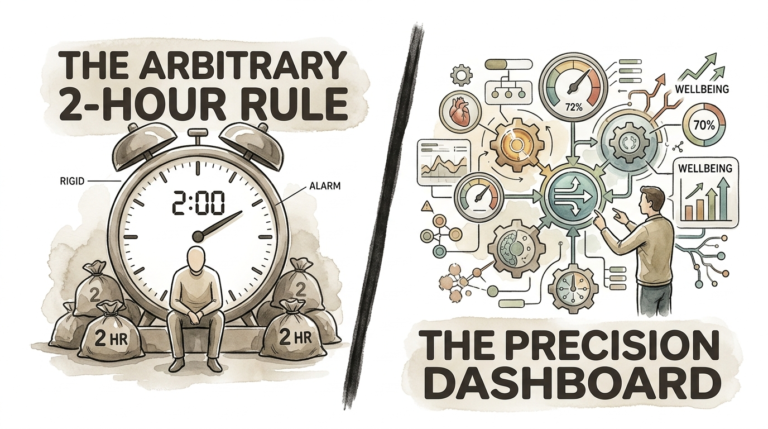
To truly understand the value of this approach, we have to look at the “Opportunity Cost.” Every hour spent on a screen is an hour taken away from something else. The difference in the long-term ROI (Return on Investment) between scrolling and mastery is staggering.
| Feature | 4 Hours of Scrolling | 1 Hour of Mastery |
|---|---|---|
| Brain State | Passive, overstimulated, reactive. | Active, focused, in “flow.” |
| Energy Level | Leaves you feeling drained and “foggy.” | Leaves you feeling energized and accomplished. |
| Skill Retention | Near zero; information is forgotten instantly. | High; builds neural pathways and muscle memory. |
| Dopamine Type | Cheap, fast, and fleeting. | Earned, slow-release, and lasting. |
| Long-Term Result | Digital fatigue and “time regret.” | A new talent, hobby, or career path. |
The math is simple. Over a 90-day summer, four hours of daily scrolling adds up to 360 hours. That is fifteen full days of life gone forever. Conversely, one hour of mastery per day adds up to 90 hours of focused practice. That is enough time to go from a beginner to an intermediate level in almost any skill, from woodworking to yoga.
Practical Tips and Best Practices
Ready to launch? Here are the tactical moves that make a no phone summer stick. Start by “Greyling” the phones that remain in the house. Switching the screen to grayscale mode removes the psychological pull of colorful icons and makes the device significantly less addictive. It turns the “slot machine” in their pocket into a boring tool.
Utilize “Analog Alternatives” whenever possible. If your child uses their phone for an alarm, buy them a cheap digital clock. If they use it for music, get them an old-school MP3 player or a CD player. If they use it for the “time,” give them a wristwatch. By stripping away the secondary reasons to touch the phone, you reduce the chance of them falling into an accidental scroll session.
Implement a “Ticket System” for screen time. Each child gets a certain number of tickets per week, each worth 30 minutes of screen time. They can “spend” them whenever they want, but once they are gone, they are gone. This teaches them to value their digital time and choose high-quality content over mindless surfing.
- The “Phone Bin” at the Door: Make it a rule that guests also “park” their phones. This creates a culture of presence for everyone in the house.
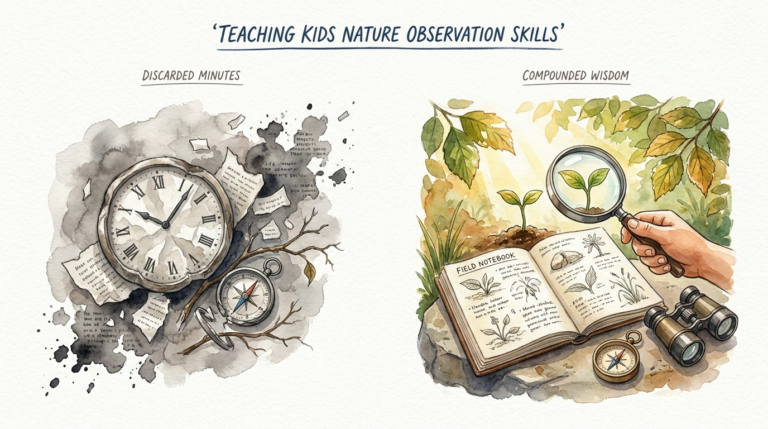
- Nature Documentation: Give them a physical notebook or a polaroid camera. Let them “log” their summer without needing an Instagram feed.
- Skill-Sharing: Have a weekly “Show and Tell” where everyone (parents included) demonstrates one thing they learned or built that week.
Encourage “Micro-Adventures.” You don’t need a trip to Europe to be unplugged. A micro-adventure could be as simple as taking a different bus route to a library you’ve never visited or sleeping in the backyard under the stars. The goal is to break the routine and engage the senses in new ways.
Advanced Considerations: The Neurobiology of Boredom
For those who want to go deeper, it’s essential to understand why we are doing this. The human brain is not designed for the constant input of a smartphone. When we are always “connected,” our Default Mode Network (DMN)—the part of the brain responsible for self-reflection and creative “daydreaming”—never gets to activate.
True creativity requires a “low-stimulus environment.” By removing the phone, you are effectively forcing the brain to look inward for entertainment. This is where original ideas come from. It is also where emotional regulation happens. Kids who are constantly “soothed” by screens never learn how to sit with their own uncomfortable feelings or thoughts.
Scaling this for multiple children requires a “Mentor System.” If you have an older teen, give them the responsibility of “Chief of Adventure” for their younger siblings. This gives the teen a sense of purpose and leadership, which is often a more effective motivator than a simple ban. They aren’t “off their phone”; they are “on the clock” as a leader.
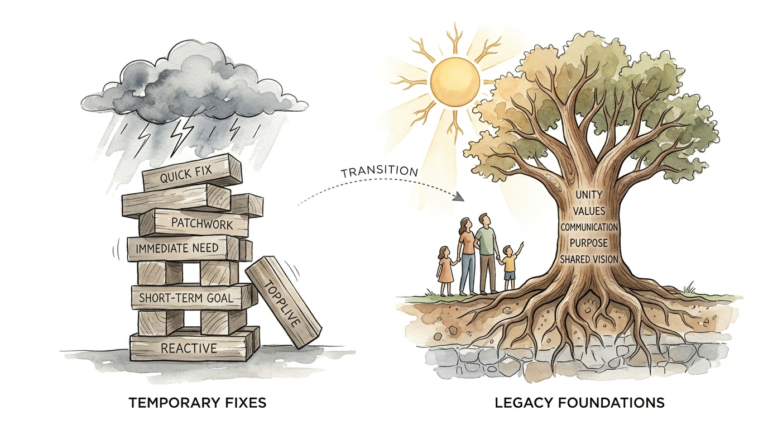
Think about the “Digital Exit Strategy.” A no phone summer shouldn’t end with a “free-for-all” in September. The goal is to use the summer to build new, healthier habits. By August, the hope is that your children will prefer their new hobbies and real-world connections over the hollow lure of the screen. You are building a lifestyle, not just a temporary restriction.
Example Scenario: The “Skill-Swap” Weekend
Let’s look at how this works in a real family. The Miller family decided to do an “Unplugged August.” To kick it off, they held a “Skill-Swap” weekend. Each member of the family had to choose one skill they possessed and teach it to the others—completely screen-free.
The 14-year-old son, who usually spent his time on Discord, decided to teach the family how to build a basic fire and cook a meal over it. The 10-year-old daughter taught everyone how to do a “cat’s cradle” with string. The father taught basic car maintenance, and the mother taught a simple watercolor technique.
What happened next was fascinating. The son, who had been dreading the “no phone” rule, became so invested in his role as a survivalist that he spent the next three days in the backyard building a “permanent” shelter. He didn’t check his phone once because he had a project that gave him a greater sense of status and accomplishment than any video game could.
The daughter started a “String Club” with the neighborhood kids. By the end of the month, she had mastered over twenty different patterns. The family saved an estimated $400 in “entertainment costs” because they weren’t going to movies or buying in-app purchases. More importantly, they had four new skills and dozens of shared stories that they still talk about years later.
Final Thoughts
A no phone summer is not a punishment; it is a gift. It is the gift of time, focus, and real-world connection. In a world that is increasingly mediated by glass and pixels, the ability to be present and productive in the physical world is becoming a rare and valuable superpower. By setting these boundaries, you are helping your children develop that power.
Remember that the goal is not perfection. There will be days when the weather is bad, everyone is tired, and a movie is the best option. That is okay. The goal is a “strategic shift” in the baseline. If you can move the needle from 8 hours of consumption to 2 hours of intentional use, you have already won the summer.
Encourage your kids to lean into the discomfort of boredom. That is where the magic happens. When they finally put down the phone, the world gets a whole lot bigger. They might just discover that the most interesting thing in the room isn’t on a screen—it’s them. Experiment with this approach, stay consistent, and watch as your “unplugged” kids become the most vibrant, creative versions of themselves.
Sources
1 utphysicians.com | 2 247dct.org | 3 slnt.com | 4 overlandsummers.com | 5 overlandsummers.com | 6 overlandsummers.com | 7 yourmodernfamily.com | 8 stlouischildrens.org | 9 wibehavioralhealth.com | 10 pdxparent.com | 11 thecommon.place | 12 jcsri.org | 13 jcsri.org | 14 rowiteen.com | 15 recordablebookbuddy.com | 16 aap.org | 17 blankspaces.app | 18 osfhealthcare.org | 19 explodingtopics.com | 20 rowiteen.com | 21 harvard.edu