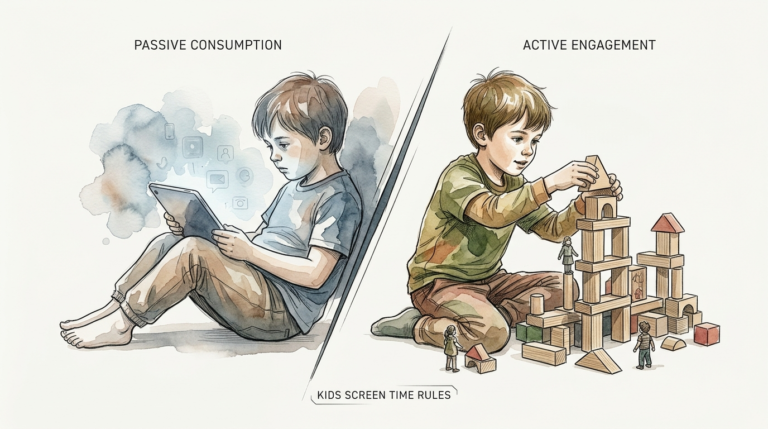
how to limit screen time for teenagers
Stop paying for their distraction and start investing in their capability. We spend thousands on devices and data just to keep them ‘occupied.’ What if the most valuable things you could give them—mentorship, manual skills, and outdoor adventure—actually cost nothing? It’s time to swap the monthly subscription for a lifetime of self-reliance. ??? #ParentingHacks #DigitalDetox #TeenDevelopment

Your teenager is currently the most profitable product on the planet. Silicon Valley spends billions to ensure they stay glued to a five-inch screen, scrolling through endless feeds that offer nothing but a dopamine loop. This isn’t just about “using a phone.” This is a battle for their attention, their focus, and their future capability.
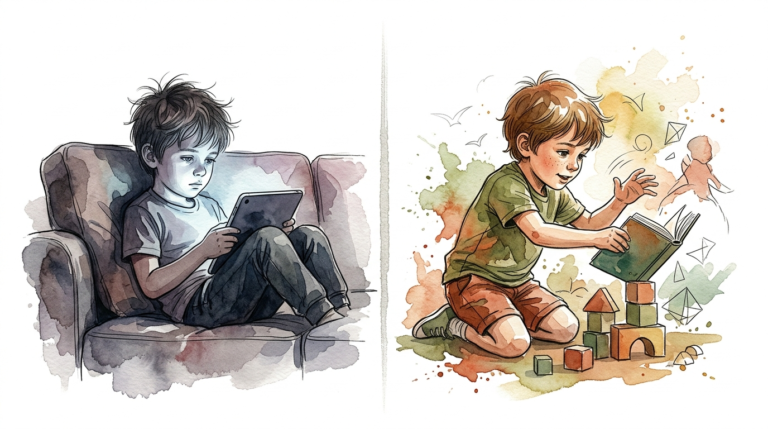
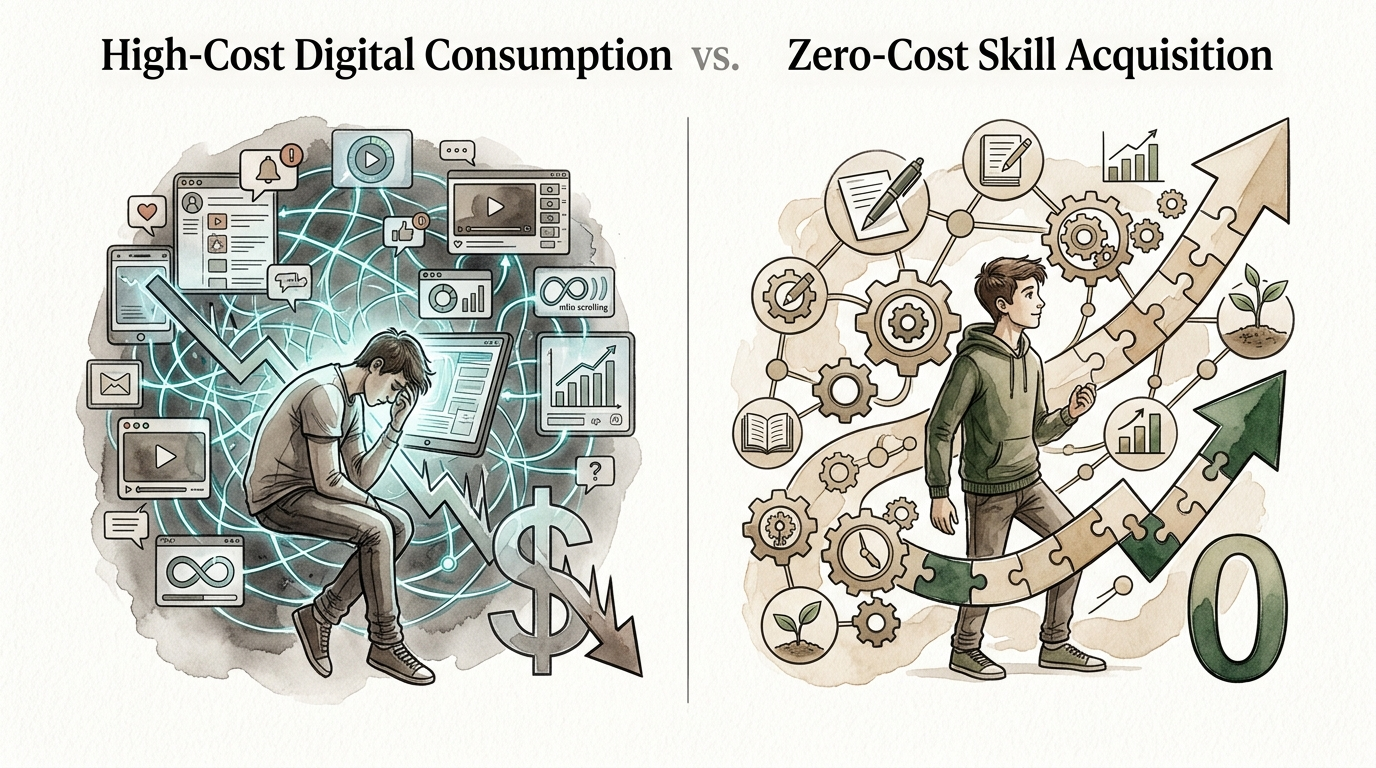
We often think we are giving them a tool for connection. In reality, we are often paying for their distraction. The trade-off is staggering: hours of passive consumption in exchange for the time they could be using to build real-world skills. High-Cost Digital Consumption is everywhere, but Zero-Cost Skill Acquisition is the secret weapon for modern parents.
Mentorship, manual labor, and the great outdoors offer something an algorithm never can. They offer friction. They offer failure. Most importantly, they offer the pride of creating something with their own hands. It’s time to change the investment strategy from “keeping them busy” to “making them capable.”
how to limit screen time for teenagers
Limiting screen time for teenagers is the process of reclaiming their mental real estate from digital platforms. It is not just about a “no-phones” rule; it is about creating an environment where the physical world is more engaging than the digital one. In 2026, the average teenager spends over 7 to 9 hours a day on screens, which accounts for roughly 43% of their waking hours.

This digital immersion exists because apps are designed with variable reward systems. Every notification and “like” triggers a dopamine response similar to a slot machine. This makes the phone a “low-effort, high-reward” environment. Real-world skills, like building a table or hiking a mountain, are “high-effort, high-reward,” which makes them harder to start but infinitely more satisfying.
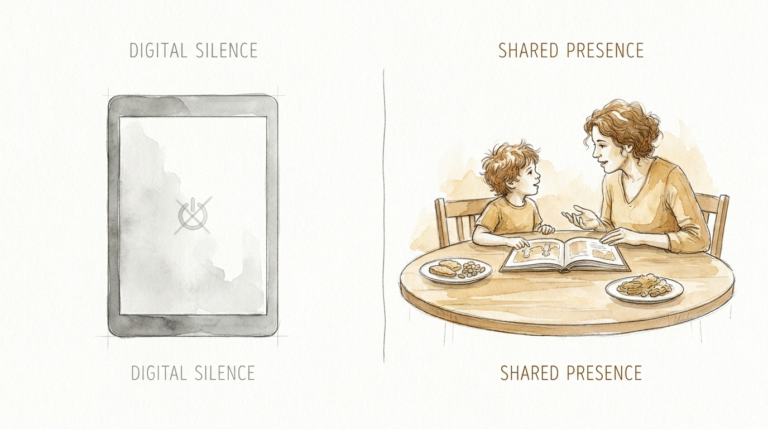
Real-world application of screen limits involves more than just software blocks. It requires a shift in household culture. For example, some families use “analog Sundays” or designated “phone-free zones” like the dinner table or the workshop. The goal is to move the teenager from being a passive consumer to an active participant in their own life.
Screen time limits matter because they protect the developing adolescent brain. Research shows that excessive screen use can lead to diminished attention spans and emotional dysregulation. By restricting the digital world, you provide the silence and space necessary for deep thought, creativity, and manual dexterity to flourish.
How to Transition from Consumption to Capability
The transition starts with a “Skill Swap.” Every hour of entertainment media should be matched or eventually replaced by an hour of “Capability Time.” This isn’t a punishment. It is an apprenticeship in adulthood. You are moving them from a world where everything is “delivered” to a world where things are “done.”
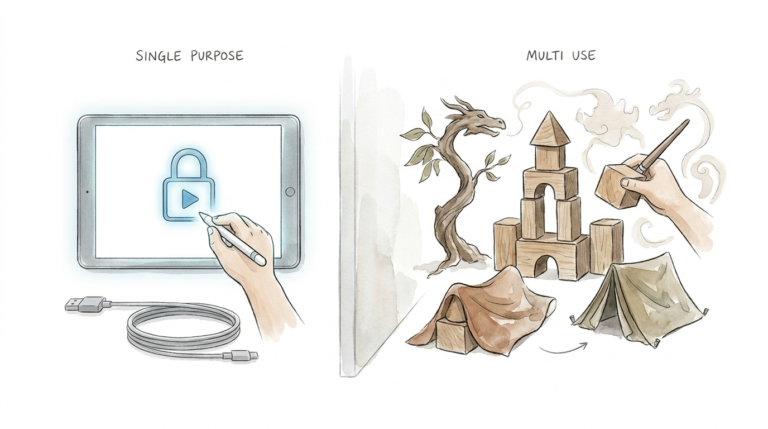
Identify a manual skill that interests them. It could be small-engine repair, woodworking, gardening, or even complex cooking. The key is that the activity must have a physical output. Working with hands creates a “Hand-Brain Link” that is scientifically proven to improve memory and cognitive function. When a teen handles tools, their brain must map 3D space, calculate force, and solve physical puzzles in real-time.
Provide the basic tools, not the most expensive ones. A used toolbox from a garage sale is more valuable than a brand-new set. It carries the weight of utility. Start with a project that can be finished in a weekend. Success builds momentum. Failure, on the other hand, builds character. Let them strip a screw. Let them cut a board too short. This is where the learning happens.
Establish a “Project Space.” Whether it is a corner of the garage, a shed, or a kitchen counter, they need a place where they can leave a mess and return to it. Digital environments are “clean” and “perfect.” Real skills are messy and tactile. That mess is evidence of growth. Encourage them to document their progress with photos—ironically using their phone as a tool for recording capability rather than consuming distraction.
The Science of the Hand-Brain Connection
Human hands and brains co-evolved to use tools. Neurologists have noted that using fine motor skills, like writing in cursive or using a screwdriver, activates more widespread neural networks than typing on a keyboard. This increased connectivity is crucial for memory formation and encoding new information. Manual skills aren’t just for “handy” people; they are for everyone who wants a sharper mind.
When a teenager engages in manual labor, they are practicing “executive function.” They have to plan the steps, organize their materials, and inhibit the impulse to quit when things get difficult. This is the exact opposite of social media, which requires zero planning and rewards instant gratification. Manual skills are a workout for the prefrontal cortex.
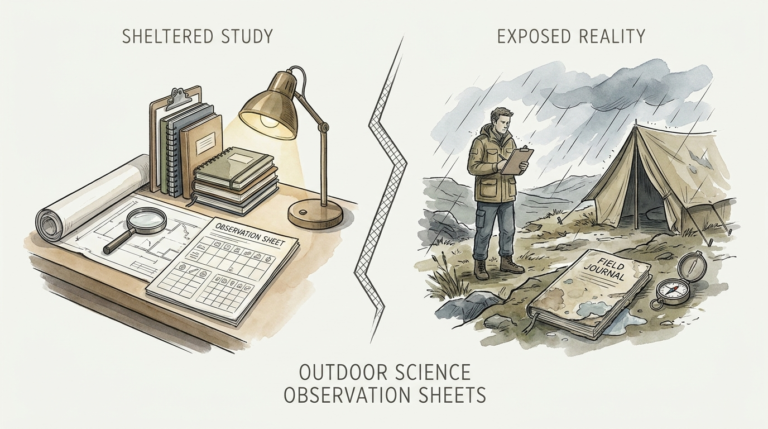
Outdoor adventure adds another layer of cognitive development. Navigating a trail or managing a campsite requires “situational awareness.” The teen must process environmental data—weather changes, terrain, and physical fatigue. This builds a type of resilience called “grit.” Grit is the ability to persist toward a long-term goal despite setbacks. You cannot download grit; you have to earn it in the mud.
Benefits of Choosing Skill Over Screen
The most immediate benefit is increased self-esteem. A “like” on a photo is a fleeting, external validation. Fixing a broken bike or growing a vegetable garden is an internal validation of competence. The teenager learns that they can change their physical environment through effort. This creates a “can-do” attitude that carries over into academics and future careers.
Another major advantage is improved mental health. Digital detoxes are proven to reduce anxiety and depression. When a teen is focused on a manual task, they enter a “flow state.” In this state, the self-critical part of the brain quiets down. They aren’t worrying about their social standing or their appearance; they are simply focused on the task at hand.
Practical life benefits include:
- Economic Independence: Knowing how to fix things saves thousands of dollars over a lifetime.
- Critical Thinking: Troubleshooting a mechanical problem is the purest form of logic.
- Physical Health: Manual labor and outdoor adventure naturally combat the sedentary lifestyle associated with screen addiction.
- Deep Social Bonds: Working on a project with a mentor or parent creates a different type of connection than “gaming” together.
Challenges and Common Mistakes
The biggest mistake parents make is becoming the “Phone Police.” If you only focus on taking the phone away, you create a power struggle. You must offer a compelling alternative. If you take away the digital world but provide nothing but boredom in return, the teen will rightfully resent the restriction. You are not just a supervisor; you are a facilitator of adventure.
Another pitfall is unrealistic expectations. Your teenager will not be a master carpenter in a week. They will likely be frustrated. They might even hate the process at first. This is “digital withdrawal.” Their brain is used to the easy hits of TikTok. The slow pace of a physical project feels like torture to a dopamine-starved brain. Stay patient and stay consistent.
Common mistakes include:
- Over-explaining: Let them figure things out. Don’t lecture; just show.
- Safety Obsession: While safety is vital, being overly protective prevents the teen from learning risk management. Let them get a small scratch; it’s a badge of experience.
- Buying Luxury Gear: Cheap, functional gear encourages use. Expensive gear creates a fear of breaking things.
Limitations: When the Method May Not Work
This approach requires parental time. You cannot simply tell a teen to “go build something” and expect them to know how. Mentorship is the key ingredient. If you are also addicted to your screen, your “do as I say, not as I do” approach will fail. You have to be willing to get your hands dirty alongside them.
Environmental constraints also play a role. If you live in a tiny apartment in a city, a full woodworking shop isn’t feasible. In these cases, you have to get creative with “urban adventure” or smaller-scale manual skills like electronics, cooking, or tailoring. The principle remains the same, but the application must fit your reality.
Severe digital addiction may require professional intervention. If a teenager is showing signs of aggression, complete withdrawal, or neglect of hygiene when the phone is removed, manual skills may not be enough. In these cases, a structured clinical digital detox might be necessary before transitioning to capability-building activities.
Comparing Investment Types
How do we measure the value of a digital subscription versus a manual skill? The following table compares the long-term impact of these two different “occupations.”
| Factor | High-Cost Digital Consumption | Zero-Cost Skill Acquisition |
|---|---|---|
| Primary Cost | Monthly data, device upgrades, in-app purchases. | Time, basic tools, library books, used gear. |
| Brain Impact | Passive, short attention spans, dopamine spikes. | Active, deep focus, neuroplasticity. |
| Emotional Outcome | Anxiety, social comparison, FOMO. | Confidence, resilience, self-reliance. |
| Long-term Value | Obsolescence. Content is forgotten instantly. | Capability. Skills last a lifetime. |
| Physical Health | Sedentary, poor posture, blue light exposure. | Movement, dexterity, fresh air. |
Practical Tips for Parents
Start with “The Open Garage Policy.” Make tools accessible. If the tools are locked away or in a confusing mess, the barrier to entry is too high. A simple shadow board where every tool has a place makes it easy for a teen to walk in and start a project. Visual cues are powerful motivators.
Find a “Third-Party Mentor.” Sometimes, a teenager won’t listen to their parents but will hang on every word of a neighbor, an uncle, or a local shop owner. Identify people in your community who have manual skills and a willingness to teach. Many older craftsmen are eager to pass on their knowledge to a respectful young person. This expands the teen’s social circle beyond their peer group.
Use the “Adventure-First” Rule. Before they can have their phone for the evening, they must complete one “real-world” task. This could be checking the oil in the car, sharpening the kitchen knives, or planning a weekend hike using a paper map. Treat the phone as the reward, not the default state of being.
Encourage “Manual Troubleshooting.” When something breaks in the house—a leaky faucet, a loose door handle, a clogged vacuum—do not call a professional immediately. Make it a joint investigation. Look up a diagram together. Explain the mechanics. Let the teen be the one to turn the wrench. You are teaching them that the world is “figurable.”
Advanced Considerations for Long-Term Growth
Once a teen has mastered basic manual skills, consider transitioning them into “Micro-Entrepreneurship.” Can they fix lawnmowers for neighbors? Can they build and sell birdhouses? Turning a manual skill into a small business teaches them about value, labor, and the economy. It shifts their identity from “kid with a hobby” to “productive member of society.”
For outdoor adventure, move from “Guided Trips” to “Self-Supported Expeditions.” Give them a budget and a destination. Let them plan the route, the food, and the safety protocols. Stay in the background. The goal is for them to lead. This is how you build a leader. They need to feel the weight of responsibility for their own safety and success.
Explore “Trade Skill Certificates.” Many community colleges offer vocational courses for high schoolers. If your teen shows a natural aptitude for welding, electrical work, or mechanics, these courses provide a massive head start. Even if they go to a four-year university later, having a trade skill ensures they always have a high-value way to earn a living.
Real-World Scenario: The $50 Project
Consider a 15-year-old who spends six hours a day on a gaming console. The parent decides to implement a “Capability Project.” They buy a non-running lawnmower for $20 on a local marketplace. They provide a basic socket set and a bottle of carburetor cleaner. Total investment: $50.
The goal: Get the mower running. The teen has to watch tutorials (using the phone as a tool), take the engine apart, clean the parts, and reassemble it. They fail twice. On the third try, the engine roars to life. The dopamine hit from that sound is real. It is earned. They then sell the running mower for $80.
The result: The teen has learned internal combustion basics, troubleshooting, and the basics of profit. They didn’t spend those 20 hours “leveling up” a digital character; they leveled up themselves. They have more confidence. They have $30 in profit. Most importantly, they have the memory of their own capability.
Final Thoughts
The modern world is designed to make us and our children passive. It is easier to scroll than to build. It is easier to watch an adventure than to have one. But the easiest path rarely leads to a fulfilling life. By limiting screen time and replacing it with manual skills and outdoor adventure, you are giving your teenager a competitive advantage that cannot be bought.
True self-reliance is the greatest gift you can offer. It is a shield against the anxiety of an uncertain future. When a young person knows they can fix what is broken and navigate the unknown, they walk through the world differently. They are no longer just a consumer; they are a creator. They are no longer just a follower; they are a leader.
Start small today. Put the phones in a drawer. Go outside. Pick up a tool. Your teenager might push back at first, but years from now, they won’t remember the TikToks they watched. They will remember the things they built and the mountains they climbed with you. Invest in their capability—it is the only investment that never depreciates.
Sources
1 nexusteenacademy.com | 2 aap.org | 3 georgetown.edu | 4 sbesyes.org | 5 paradigmtreatment.com | 6 childrenandscreens.org | 7 possibilitiesforchange.org | 8 adventuretreks.com | 9 psychologytoday.com | 10 nih.gov | 11 frontiersin.org | 12 boldearth.com | 13 waterwalkerstn.org | 14 understood.org