Creating A Screen Free Home For Toddlers
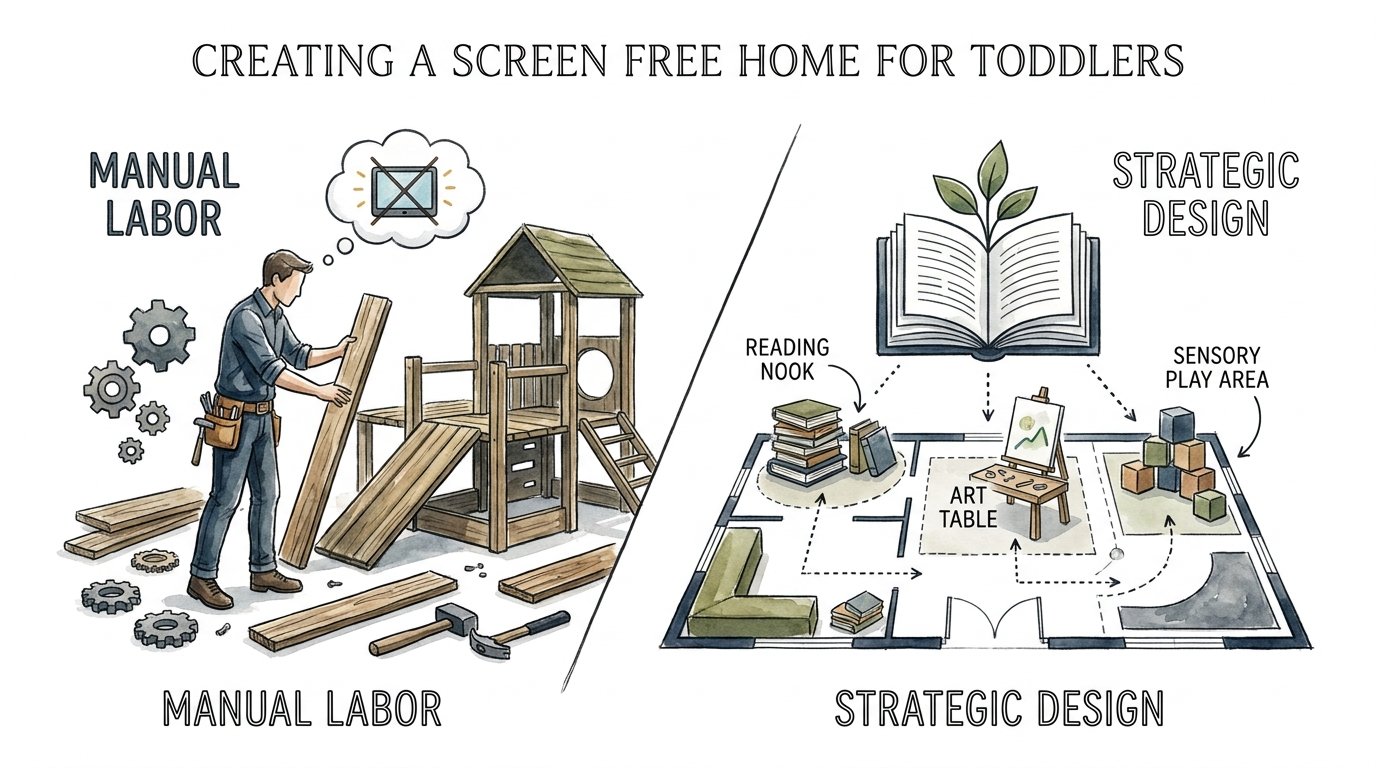
Are you your child’s Chief Entertainment Officer or their Environment Designer? Manual parenting is an exhausting treadmill of trying to be more interesting than an algorithm. Strategic parenting is about setting up your home so that the ‘default’ setting is discovery. When the environment is right, you don’t have to perform.

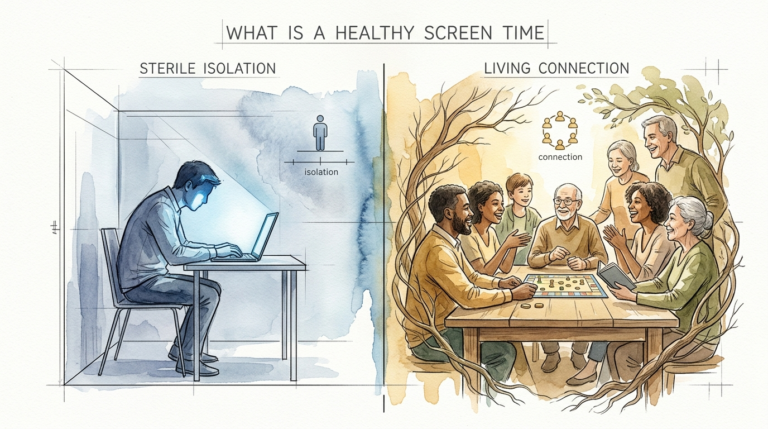
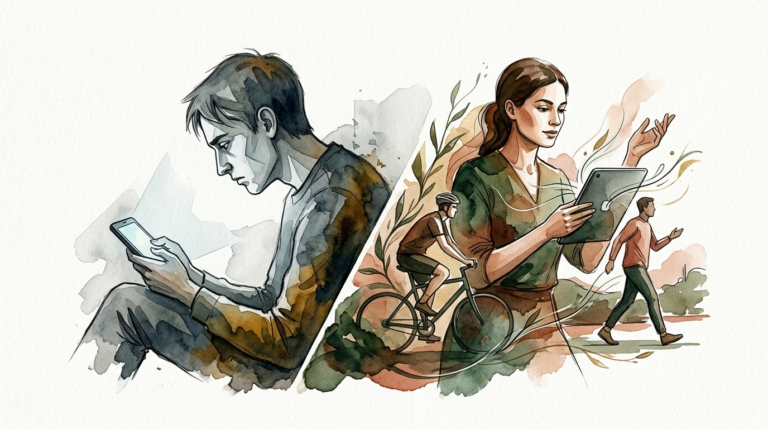
In a world where digital devices are the standard babysitter, opting for a screen-free environment feels like an act of rebellion. It is not about being anti-technology; it is about being pro-development. You are choosing to prioritize the high-bandwidth, sensory-rich interactions that a toddler’s brain actually needs for healthy growth.
If you find yourself constantly battling for your child’s attention or feeling like you have to put on a one-man show to keep them from melting down, this guide is for you. We are going to stop performative parenting and start designing spaces that work for you.
Creating A Screen Free Home For Toddlers
Creating a screen-free home for toddlers is the intentional practice of removing digital distractions from the child’s primary environment to foster deep play, focus, and sensory exploration. It is a commitment to “low-tech” living where the physical world—with its textures, weights, and real-time consequences—takes center stage.
In most modern homes, screens have become a background hum. TVs stay on during meals, and tablets are handed over the moment a child shows a hint of boredom. This creates a high-dopamine environment where a child’s brain becomes accustomed to rapid-fire visuals and instant gratification. When those screens are removed, the “default” setting of the home shifts toward curiosity and self-directed activity.
This approach exists because early childhood is a critical window for neural pathway formation. Recent studies, including those published in JAMA Pediatrics, indicate that excessive screen time—more than the recommended one hour—is associated with less development in the brain’s white matter. This white matter is the “wiring” that connects different regions of the brain responsible for language, literacy, and cognitive skills. By keeping the home screen-free, you are protecting the biological architecture of your child’s future.
In real-world situations, a screen-free home doesn’t look like a museum; it looks like a workshop. It is a place where a child has the “Yes Space” to explore without constant “Nos,” and where the materials provided invite them to engage their five senses rather than just their eyes and ears.
The Mechanics of Strategic Environment Design
Strategic design is the opposite of manual labor. In manual parenting, you are the source of the fun. In strategic design, the room is the source of the fun. This shift requires a one-time setup that pays dividends in hours of independent play every single day.
The first step is identifying the “anchors” of your toddler’s world. Most toddlers are driven by a need for movement, a desire for order, and a fascination with “real” work. Your environment must satisfy these needs. If the room is cluttered with hundreds of plastic toys that beep and flash, the child becomes overstimulated and ends up playing with nothing.
To design strategically, you must look at your home from two feet off the ground. Are the toys accessible? Is there a place for everything? Can the child successfully complete a task—like getting a glass of water or putting away a book—without your help? When you remove the barriers to independence, you remove the need for constant parental intervention.
The “Yes Space” and Physical Layout
A “Yes Space” is a 100% safe area where your toddler can be left completely alone without the risk of getting hurt or breaking something valuable. This is the cornerstone of a screen-free home because it allows you to step away—to cook, shower, or breathe—knowing your child is engaged in safe, productive play.
Living Room Design
For the living area, prioritize open floor space. Use low, open shelving rather than deep toy boxes. A toy box is where toys go to die; a low shelf is where toys are displayed as an invitation. Limit the number of items displayed to five or six high-quality materials.
The Kitchen and Practical Life
Toddlers want to do what you are doing. Instead of using a screen to keep them out of the kitchen, bring them in. A “learning tower” or a sturdy stool allows them to reach the counter. Providing a small pitcher and cup on a low shelf allows them to practice pouring their own water. These “Practical Life” activities are more engaging to a toddler than any cartoon because they involve real weight, real water, and real responsibility.
The Toy Rotation System: Step-by-Step
If you want your child to play independently for long stretches, you must stop the toy clutter. Research shows that toddlers provided with fewer toys play longer and more creatively with each toy. Here is how to implement a professional-grade toy rotation system.
1. The Great Gather
Collect every single toy in your house. Every block, every car, every puzzle piece. Pile them in the center of the room. This process allows you to see the sheer volume of “noise” your child is dealing with daily.
2. Sort and Categorize
Divide the toys into logical groups:
- Gross Motor: Balls, climbing frames, tunnels.
- Fine Motor: Puzzles, lacing beads, stacking rings.
- Imaginative Play: Dolls, silks, kitchen sets.
- Constructive Play: Blocks, Magna-Tiles, logs.
- Language/Literacy: Books and card sets.
3. The Curation Phase
Select only 8 to 12 items to stay out. Choose one or two from each category. The rest of the toys go into bins and are stored in a closet or garage—somewhere the child cannot see or reach them.
4. The Rotation Schedule
Every two to four weeks, swap the toys on the shelves for the ones in storage. When those “old” toys reappear, they feel brand new to your toddler. This maintains a high level of novelty without requiring you to buy anything new.
Benefits of Digital Minimalism
Choosing a screen-free path offers measurable advantages that extend far beyond a quieter house. By removing the digital “noise,” you are allowing the child’s nervous system to regulate to a natural pace.
Improved Focus and Attention Span
Screens provide “bottom-up” attention, where the brain is hijacked by fast-paced stimuli. Real-world play requires “top-down” attention, where the child decides what to focus on and for how long. Children in screen-free environments typically show much higher levels of sustained focus when they reach school age.
Boredom as a Catalyst
Boredom is the beginning of every great idea. When a child is bored and there is no screen to turn to, their brain is forced to innovate. They might turn a cardboard box into a spaceship or a pile of cushions into a mountain. This develops problem-solving skills that digital apps simply cannot replicate.
Physical Health and Coordination
Screen-free toddlers move more. They climb, jump, crawl, and carry. This constant movement builds core strength, balance, and fine motor skills. It also naturally leads to better sleep, as the absence of blue light allows the body to produce melatonin correctly in the evening.
Challenges and Common Mistakes
The path to a screen-free home is rarely a straight line. You will face resistance, both from your child and from society.
The “Dopamine Withdrawal” Period
If your child is used to screens, there will be a transition period. They may be irritable, demanding, or seemingly unable to play. This is a physiological reaction as their brain resets its dopamine baseline. It usually lasts about three to seven days. Hold the line; the creativity on the other side is worth the temporary fuss.
The Gift Influx
Well-meaning relatives will often buy toys that flash, sing, or require batteries. These toys often stifle play because they do the work for the child. Strategic Tip: Keep a “Gift Bin” in the closet. Introduce these toys one at a time during rotations, or consider donating the ones that don’t align with your values.
The “Chief Entertainment Officer” Trap
Parents often feel that if the TV is off, they must be the replacement. This is a mistake. Your job is to design the environment and then step back. If you are constantly directing the play, the child never learns to self-initiate.
Limitations and Realistic Boundaries
While a 100% screen-free home is an admirable goal, there are situations where it may not be ideal or even possible. Recognizing these boundaries helps maintain your sanity and credibility.
Environmental limitations are real. If you live in a small apartment during a three-week polar vortex, the lack of gross motor movement can lead to extreme parental burnout. In such cases, high-quality, slow-paced media (like nature documentaries) might be a temporary tool for survival.
Furthermore, digital literacy is a real-world skill. The goal for many is not to raise a child who has never seen a computer, but to ensure that the formative years (0-5) are spent building a solid foundation in the physical world. Some families choose a “Digital Sunset” approach—no screens for toddlers, but occasional high-quality co-viewing for preschoolers.
Optional Comparison: Toy Boxes vs. Intentional Displays
To understand the impact of environment design, compare these two common setups:
| Feature | The Toy Box (Manual) | The Intentional Shelf (Strategic) |
|---|---|---|
| Selection | Unlimited; child sees a “jumble.” | Limited; child sees clear choices. |
| Focus | Scattered; child dumps everything out. | Deep; child selects one item at a time. |
| Cleanup | Exhausting for the parent. | Managed by the toddler (everything has a place). |
| Creativity | Lower; child gets overwhelmed. | Higher; child finds new ways to use fewer items. |
| Parental Role | Constant entertainer/cleaner. | Observer and environment designer. |
Practical Tips for a Screen-Free Rhythm
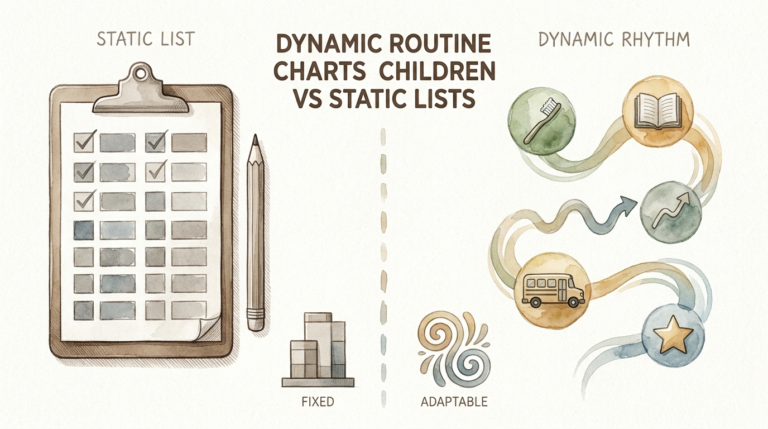
Implementing a screen-free home is easier when you have a predictable daily rhythm. Toddlers thrive on knowing what comes next.
- Model the Behavior: Your child will do what you do. If you are constantly scrolling your phone, they will perceive the device as the most important thing in the room. Designate “Phone Cubbies” where adults leave their devices during family time.
- The “Morning Basket”: Have a basket of books or quiet activities ready for the morning. This prevents the “Morning Cartoon” habit from ever forming.
- Outdoor Time is Non-Negotiable: Nature is the ultimate sensory bin. Two hours of outdoor time daily—regardless of weather—drastically reduces the desire for indoor screens.
- Use Audio Instead: If you need background noise or a “distraction,” use music or audiobooks. It engages the ears without hijacking the eyes and the motor system.
Advanced Considerations: Invitations to Play
Once you have mastered the basics of environment design, you can move into “Invitations to Play” (also known as provocations). This is where you set up materials in an interesting way to spark immediate curiosity.
An invitation might look like:
- A few toy animals placed next to a small bowl of water and a cloth (the “animal wash”).
- A muffin tin filled with colorful pom-poms and a pair of kitchen tongs.
- A large piece of cardboard and a few crayons taped to the floor.
These setups take less than two minutes to create but can lead to 30 or 40 minutes of deep, focused work. You aren’t “playing” with the child; you are simply setting the stage for their own brilliance.
Scenario: The Rainy Tuesday Afternoon
Imagine it is 3:00 PM on a rainy Tuesday. Usually, this is the hour the TV goes on because everyone is tired. In a strategically designed home, the scenario changes:
First, you check the Gross Motor needs. You clear the rug and set up a “couch cushion mountain” for climbing. This burns off the physical energy that would otherwise turn into a tantrum.
Second, you offer a “Sensory Reset.” You fill a shallow bin with dry rice and hide five small plastic dinosaurs inside. You hand your toddler a spoon and a cup. The rhythmic sound of the rice and the focus required for the search calms the nervous system immediately.
While the toddler is “working” with the rice, you are free to prep dinner or have a cup of coffee. No screens were needed, no batteries were used, and the child’s brain is actively building spatial awareness and focus.
Final Thoughts
Designing a screen-free home is not a punishment for your child; it is a gift to their developing brain. It is the transition from being a “Chief Entertainment Officer” who must constantly perform, to an “Environment Designer” who trusts their child’s natural drive to learn.
When you simplify the environment, you amplify the child. You will start to notice things you never saw before—the way they concentrate on a difficult button, the way they talk to themselves while building a tower, and the sheer joy they find in a simple bowl of water.
Start small. Pick one room. Rotate out half the toys. Put your phone in a drawer. Watch what happens when the digital noise stops and the real-world discovery begins. You aren’t just raising a child; you are protecting a human experience.
Sources
1 mayoclinic.org | 2 mother.ly | 3 cedars-sinai.org | 4 bluecrossnc.com | 5 naeyc.org | 6 mother.ly | 7 tumama-kids.com | 8 childrensmagnet.com | 9 imthecheftoo.com | 10 weecarepediatrics.com