kids screen time poster
Stop using screens as the only way to keep them busy.
A screen time poster isn’t just about limits; it’s a multi-use tool for teaching discipline, time management, and the value of hard work. It serves as a visual contract between you and your children, turning the daily “Can I play now?” battle into a structured system of achievement and reward. When you move the rules from your head to the wall, you shift from being the “bad guy” to being a coach guiding them through life skills.
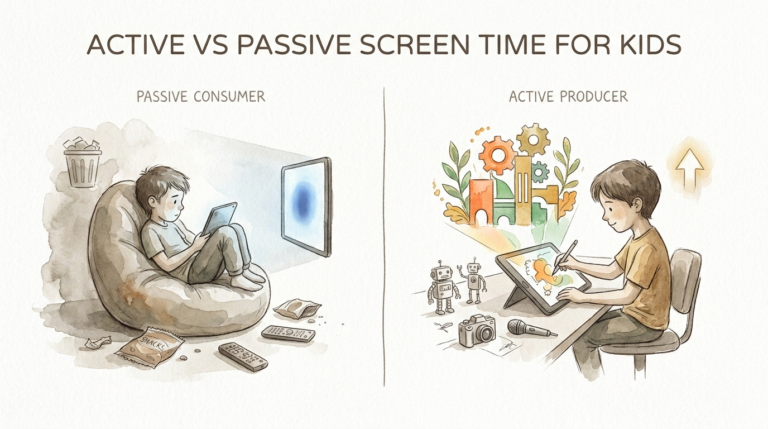
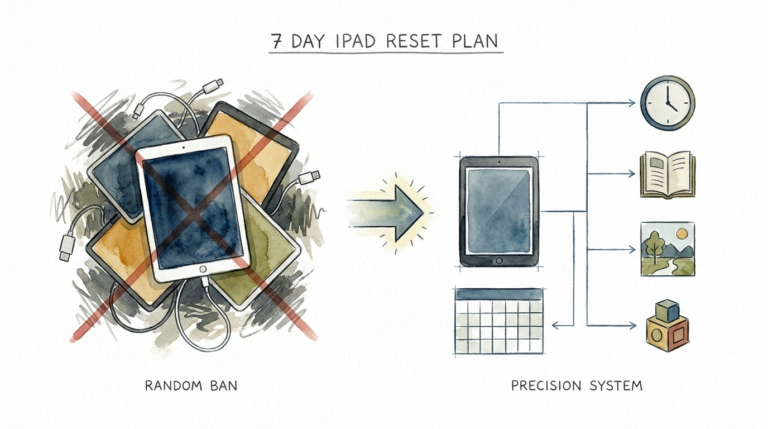
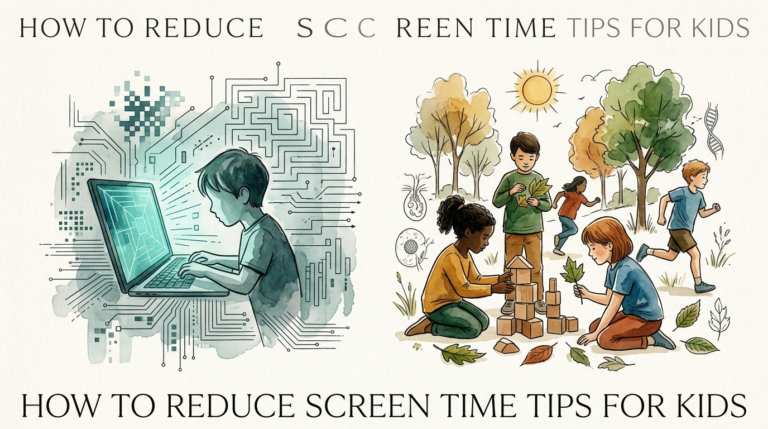
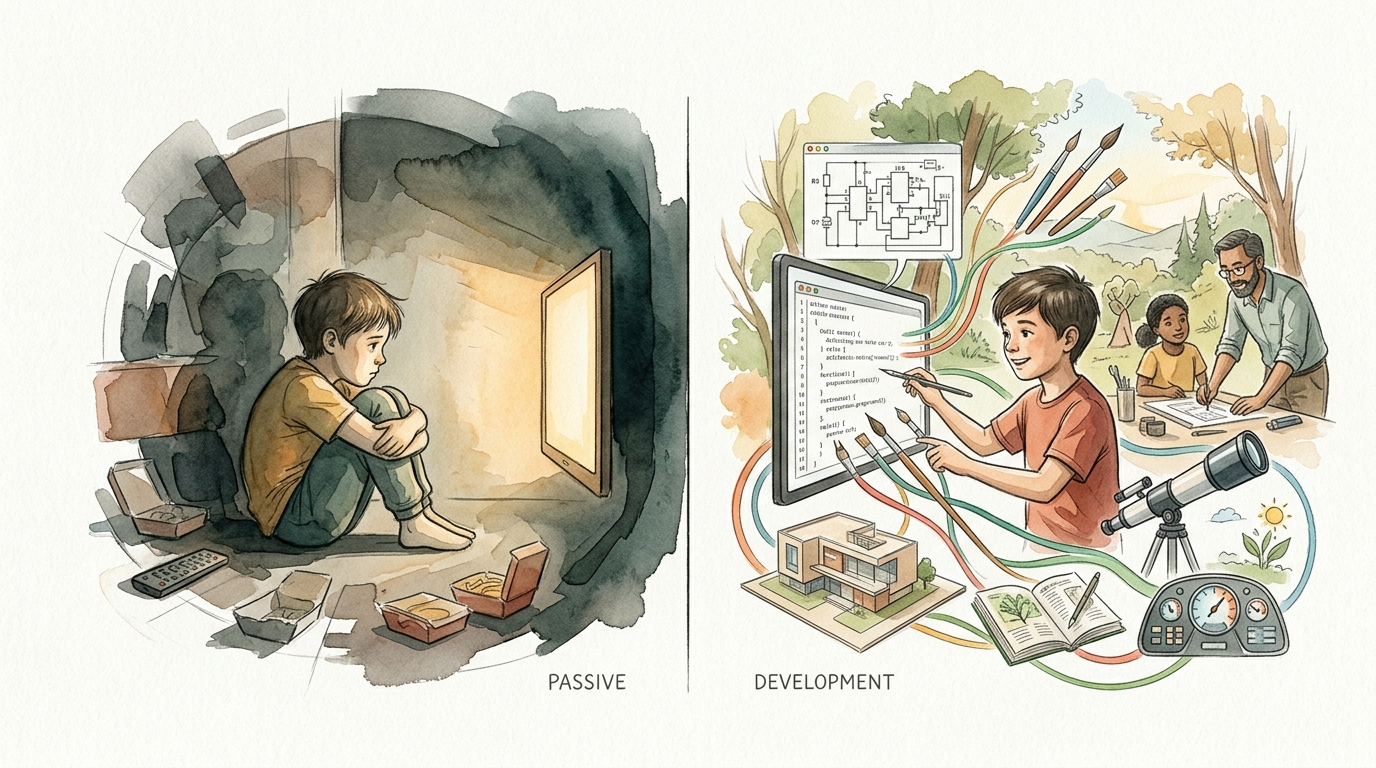
Most modern households fall into the trap of Single-Use Passive Consumption. This is where devices are used purely to kill time or provide a distraction. A well-designed poster flips this dynamic. It transforms the digital experience into a Multi-Use Development Tool, where access is tied to responsibility, physical health, and personal growth.
Think of this as digital hygiene. Just as we teach children to brush their teeth before bed, we must teach them to “earn” their digital leisure. This guide will show you how to build a system that sticks, reduces tantrums, and helps your children develop a healthier relationship with technology.
kids screen time poster
A kids screen time poster is a physical, visual representation of a family’s digital rules and expectations. It is usually placed in a high-traffic area, like the kitchen or the living room, where children can easily reference it. Unlike a spoken rule that can be forgotten or negotiated, the poster acts as a permanent standard that doesn’t change based on a parent’s mood.
This tool exists to solve the “moving target” problem. In many homes, screen time is granted based on how tired a parent is or how much the child pestered them. This inconsistency creates “intermittent reinforcement,” which is the same psychological mechanism that makes slot machines addictive. If a child knows that whining works 10% of the time, they will whine 100% of the time. The poster removes that variable.
Real-world use of these posters varies by age and family needs. For toddlers, it might be a simple “First / Then” chart with pictures showing a chore followed by a TV icon. For older kids and teens, it often takes the form of a “Pre-Tech Checklist” or a “Digital Points System.” No matter the complexity, the goal is the same: providing a clear roadmap for the day.
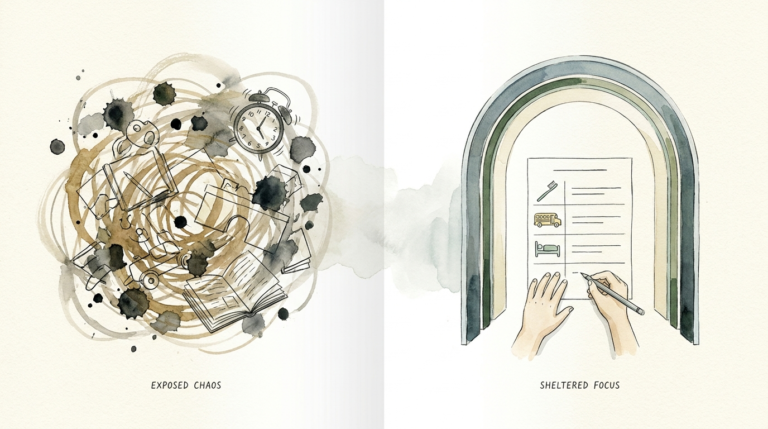
Think of the poster as a “User Manual” for the home environment. It defines the boundaries of the digital world and anchors them in the physical world. It helps kids visualize their progress and understand that their actions have direct consequences on their privileges.
How to Build Your Screen Time System
Creating a successful screen time poster requires more than just a piece of paper and a marker. It requires a system that your children can actually follow. Start by categorizing the tasks that must be completed before any device is powered on. These are often called “anchor habits.”
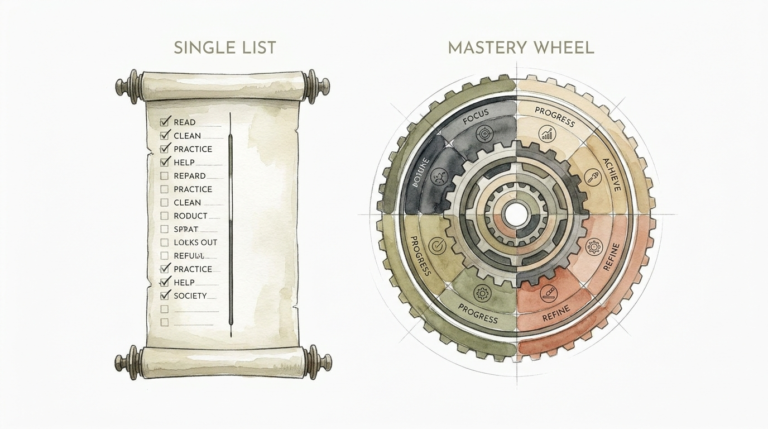
Step one is to define your “No Screens Until” list. This list should include non-negotiable daily responsibilities. Common examples include making the bed, getting dressed, brushing teeth, and eating a healthy breakfast. For school-aged children, homework and reading time are essential additions. This ensures that the most cognitively demanding tasks are handled while the brain is fresh.
Step two involves setting clear time limits. Instead of a vague “until dinner,” use specific durations. The American Academy of Pediatrics suggests one hour of high-quality programming for children ages 2 to 5, and consistent limits for older children that don’t interfere with sleep or physical activity. Write these specific time blocks on the poster.
Step three is the visual execution. Use colors, icons, and large fonts. If a child can’t read yet, use photos of them performing the tasks. Laminating the poster allows kids to use dry-erase markers to “check off” their progress, which provides a small hit of dopamine that rivals the screen itself. This creates a sense of accomplishment before the tech even starts.
Finally, establish the “Off Ramp.” The poster should clearly state when screens must go away. This usually includes a “No Screens 60 Minutes Before Bed” rule to protect sleep cycles. Having this on the poster makes the transition easier because the child has seen the deadline coming all day.
The Benefits of Visual Boundaries
The primary benefit of a visual screen time poster is the reduction of power struggles. When a child asks for a tablet, you don’t have to say “No.” Instead, you can simply point to the poster and ask, “Have you finished your checklist?” This shifts the focus from your authority to the child’s responsibility.
This system also teaches the concept of delayed gratification. In an era of instant streaming and one-click downloads, children rarely have to wait for anything. By requiring chores or reading before screens, you are training their brains to value the reward more. This builds the “prefrontal cortex,” the part of the brain responsible for executive function and self-control.
Another measurable advantage is improved time management. Kids begin to realize that if they dawdle on their chores, they lose their window for gaming. They start to internalize the value of efficiency. This is a life skill that translates directly to schoolwork and, eventually, the professional world.
Physical health often sees a boost as well. Most screen time posters include a “Move Your Body” requirement—usually 20 to 30 minutes of outdoor play or active exercise. By making movement a prerequisite for digital play, you ensure that a sedentary lifestyle doesn’t become the default setting for your household.
Challenges and Common Mistakes
One of the biggest pitfalls is inconsistency. If you enforce the poster on Monday but ignore it on Tuesday because you’re busy, the system will fail. Children are expert “rule testers.” They will quickly learn that the poster is optional if you don’t stick to the plan. Consistency is the fuel that makes the system run.
Another mistake is making the “Earning” part too difficult. If a child has to do three hours of chores to get 20 minutes of TV, they will lose motivation and give up. The tasks should be age-appropriate and achievable. The goal is to build a habit of success, not a feeling of being overwhelmed.
Avoid the “Tech Bribe” trap. Using screen time as a bribe to stop a tantrum in the grocery store undermines your poster. If the child learns they can bypass the rules through bad behavior, they will. Screen time should be a reward for positive action, never a “payment” for stopping a negative one.
Over-complication is also a common error. If your poster looks like a legal contract with 50 different rules, no one will follow it. Keep it simple. Start with 3 to 5 core tasks. You can always add more as the children get older and the system becomes a natural part of the daily routine.
Limitations of the Poster Method
A screen time poster is a tool, not a magic wand. It cannot replace active parenting and engagement. If you use the poster as a way to “set it and forget it,” you may find that kids find ways to cheat the system. They might rush through chores or do a poor job just to get to the device.
This method may also struggle during periods of high stress or schedule changes, such as vacations or illnesses. In these cases, you might need to be flexible. However, the trade-off is that once the “vacation rules” end, it can be difficult to get back to the poster’s structure. You must be prepared for a “reset period” where you firmly re-establish the baseline.
Environmental factors also play a role. If the house is filled with screens in every room, a poster in the kitchen might not be enough to stop the pull of a TV in the bedroom. To make the poster effective, you also need to manage the physical availability of devices. They should be stored in a central location or “tech jail” until the tasks are finished.
For children with severe digital addictions or behavioral disorders, a poster might only be one small part of a larger clinical strategy. In these cases, professional guidance from a child psychologist or pediatrician may be necessary to address the underlying neurological patterns of addiction.
Passive Consumption vs. Active Development
It is helpful to understand the difference between how children use screens. Not all minutes are created equal. You can reflect this on your poster by categorizing different types of tech use.
| Feature | Passive Consumption | Active Development |
|---|---|---|
| Example | Scrolling YouTube Shorts | Learning to code or edit video |
| Brain State | Reactive / Theta Waves | Engaged / Beta Waves |
| Time Limit | Strictly Capped | More Flexible |
| Outcome | Dopamine exhaustion | Skill acquisition |
By using this distinction, you can allow “bonus time” for educational or creative projects. This teaches kids that screens can be tools for making, not just taking. It shifts their identity from a “consumer” to a “creator.”
Practical Tips for Best Results
Place the poster at the child’s eye level. It sounds simple, but if they have to look up at it, it feels like an adult’s rule. If it’s at their level, it feels like their guide. Let them help decorate it with stickers or drawings to increase their sense of ownership.
Use a kitchen timer or a visual countdown clock. When the “screen time” portion of the poster starts, set the timer. This removes the “Five more minutes!” argument because the timer—an impartial third party—is the one that signals the end of the session.
Incorporate “Family Connection” tasks. Before the tech starts, have a task that requires them to talk to a family member or play a board game. This reinforces the idea that human connection is the priority, while digital entertainment is a secondary activity.
Review the poster every Sunday. Ask your kids, “What worked this week? What was too hard?” Adjusting the rules together makes them feel respected and more likely to cooperate. It turns the system into a collaborative effort rather than a top-down mandate.
Advanced Considerations for Digital Natives
As children enter their teen years, the poster might need to evolve into a “Digital Citizenship Contract.” This document covers more than just time; it covers behavior. It should address things like social media etiquette, privacy settings, and what to do if they encounter cyberbullying.
Consider integrating tech-based monitoring. Apps like Apple’s Screen Time or Google Family Link can act as the “enforcer” for the rules on your poster. You can set the phone to automatically lock once the daily limit is reached. This removes the need for you to physically take the device away.
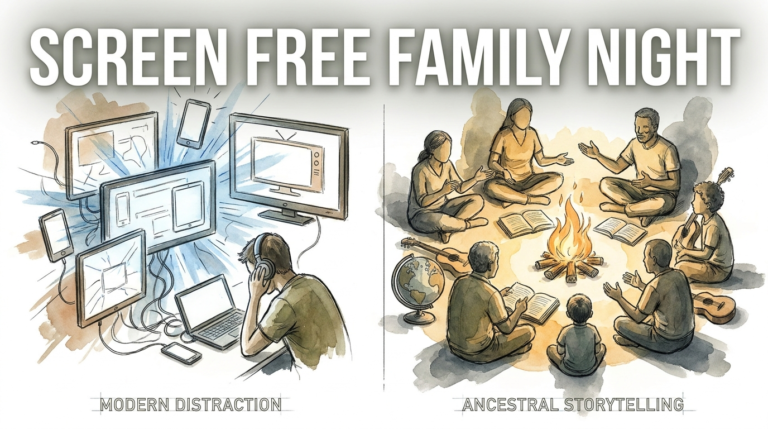
Focus on “Dopamine Fasting.” Occasionally, have a “Tech-Free Tuesday” or “Analog Sunday” where the poster is turned around or covered up. This helps the brain reset its baseline stimulation levels. It prevents the “zombie effect” where kids seem irritable and bored by anything that isn’t a screen.
Teach the “Value of the Hour.” For older kids, you can assign different “costs” to different apps. Perhaps 30 minutes of a fast-paced shooter game “costs” more of their daily allotment than 30 minutes of a slow-paced strategy game. This teaches them about resource management and the varying intensity of different digital experiences.
A Real-World Example: The Saturday Morning Routine
Imagine a typical Saturday. Without a poster, the kids might wake up at 7:00 AM and immediately start a cartoon marathon until noon. They are groggy, the house is a mess, and everyone is irritable by lunch. This is the “Default Mode.”
With a screen time poster, the scenario changes. The kids wake up and check the “Weekend List.” They know they must: 1. Eat breakfast and clear their plates. 2. Put their pajamas in the hamper. 3. Play outside for 30 minutes. 4. Complete one “Big Chore” like dusting or helping with laundry.
By 9:30 AM, the work is done. They have moved their bodies, contributed to the household, and had a healthy meal. Now, when they sit down for an hour of gaming, they feel a sense of accomplishment. The “Digital Dessert” is earned, and because they have already been active, they are less likely to have a meltdown when the timer goes off.
This structure protects the family’s morning and sets a productive tone for the rest of the day. It replaces the “Convenience Trap” with a system of “Intentional Living.”
Final Thoughts
The transition from a screen-heavy home to a structured system isn’t always easy. Expect an “extinction burst”—a period where the pushback gets worse before it gets better. This is a sign that the new boundaries are working. Your children are testing the new reality, and your job is to remain calm and consistent.
Remember that the goal isn’t to eliminate screens, but to put them in their proper place. Technology is a powerful tool for learning and connection when used with intention. By using a screen time poster, you are giving your children the gift of self-regulation, a skill that will serve them long after they leave your home.
Start small, stay consistent, and involve your kids in the process. You might find that once the “Pre-Tech Checklist” becomes a habit, your children start finding joy in the non-digital parts of their life again. They might even forget to ask for the tablet altogether.
Sources
1 screensdownfamilyup.com | 2 theottoolbox.com | 3 nurtureandthriveblog.com | 4 medium.com | 5 orlandomom.com | 6 mayoclinic.org | 7 ccrcca.org | 8 mayoclinic.org | 9 parentingwithfocus.org | 10 mindfulmamamentor.com | 11 mygym.com.sg | 12 medlineplus.gov | 13 lovetoknow.com | 14 armswide.org | 15 psychologytoday.com | 16 webmd.com | 17 lindnercenterofhope.org | 18 nih.gov | 19 meetcircle.com | 20 yourmodernfamily.com | 21 upworthy.com | 22 gentleparentinginstitute.com | 23 childmind.org | 24 todaysparent.com